EN/
EN/ Romana
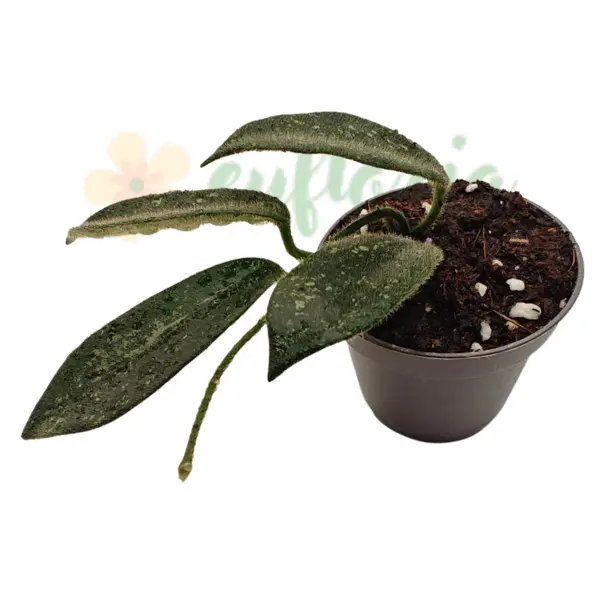
Hoya hellwigiana Ø7cm
![Hoya hellwigiana [0]](https://gomagcdn.ro/domains2/eufloria.ro/files/product/medium/hoya-hellwigiana-d7-d12-121368.webp "Hoya hellwigiana [0]")
![Hoya hellwigiana [1]](https://gomagcdn.ro/domains2/eufloria.ro/files/product/medium/hoya-hellwigiana-d7-d12-376361.webp "Hoya hellwigiana [1]")
![Hoya hellwigiana [2]](https://gomagcdn.ro/domains2/eufloria.ro/files/product/medium/hoya-hellwigiana-d7-d12-437939.webp "Hoya hellwigiana [2]")
![Hoya hellwigiana [1]](https://gomagcdn.ro/domains2/eufloria.ro/files/product/original/hoya-hellwigiana-d7-d12-121368.webp "Hoya hellwigiana [1]")
![Hoya hellwigiana [2]](https://gomagcdn.ro/domains2/eufloria.ro/files/product/original/hoya-hellwigiana-d7-d12-376361.webp "Hoya hellwigiana [2]")
![Hoya hellwigiana [3]](https://gomagcdn.ro/domains2/eufloria.ro/files/product/original/hoya-hellwigiana-d7-d12-437939.webp "Hoya hellwigiana [3]")
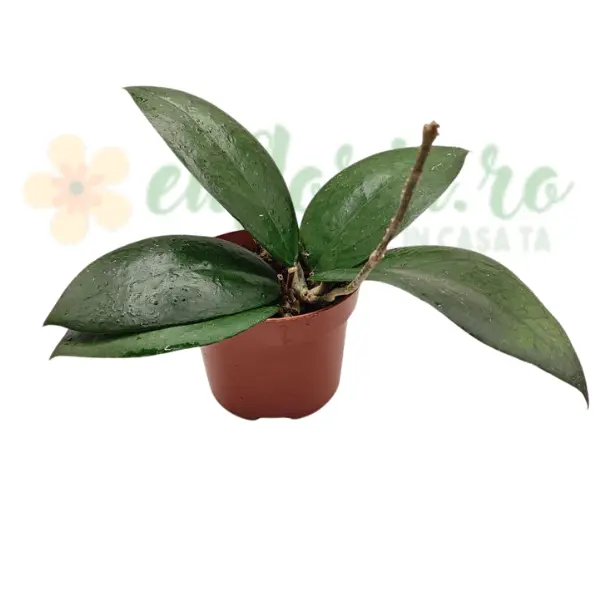
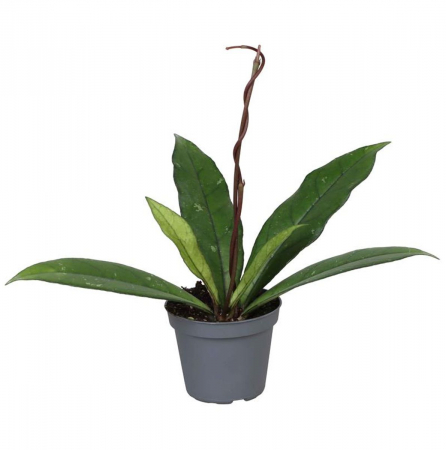
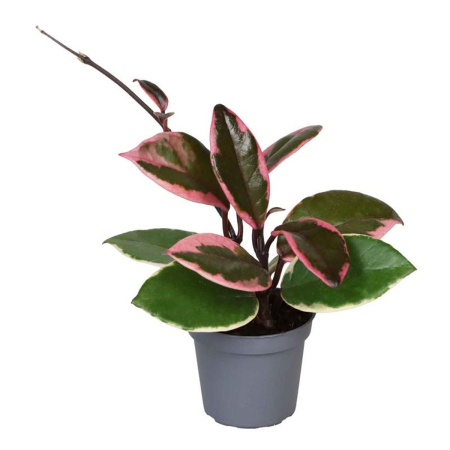
Hoya hellwigiana – impressive species from Papua New Guinea with large, thick-fleshy glossy leaves. Spectacular waxy flowers in large umbels. Vigorous climbing plant. Prefers bright indirect light and high humidity. Non-toxic plant.
Approx height (including pot): 15 cm
Flowering state: No flowers
Country of origin: Netherlands
- Description
- Characteristics
- Reviews (0)
- FAQ
🌿 Hoya hellwigiana – Large Leaves and Tropical Vigor from Papua New Guinea
Hoya hellwigiana is an impressive species from the Hoya genus, remarkable for its large leaves and tropical vigor. This epiphytic plant from the Apocynaceae family is native to Papua New Guinea and represents one of the most spectacular species for collectors seeking plants with a strong visual presence.
🌍 Origins and Botanical History
Hoya hellwigiana grows naturally in the tropical forests of Papua New Guinea, one of the most biodiverse regions in the world. It was described by botanist Karl Schumann in the late 19th century and bears the name of explorer Otto Hellwig. The species grows as an epiphyte at various elevations, from lowland forests to montane areas, in zones with high humidity and abundant rainfall.
🌿 Leaves – Impressive Dimensions and Natural Vigor
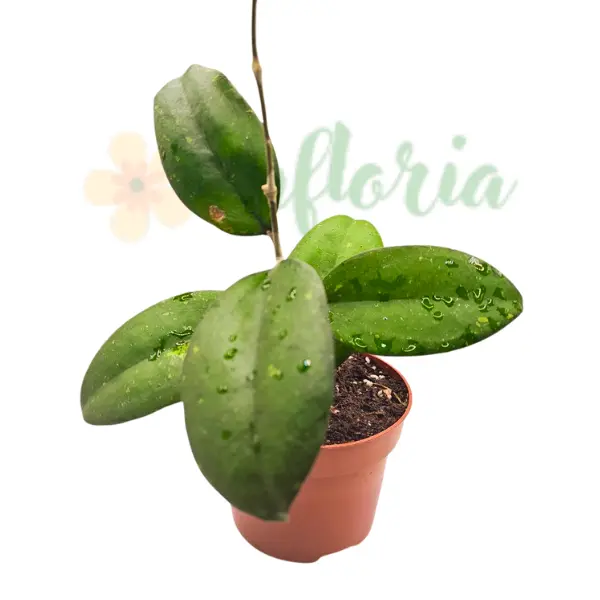
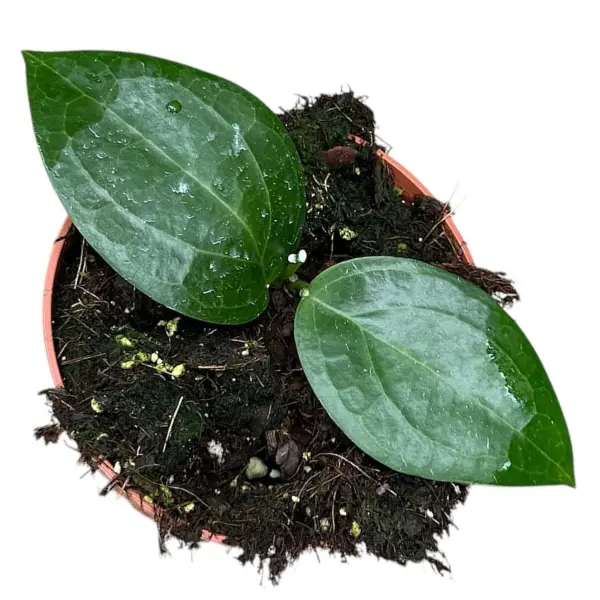
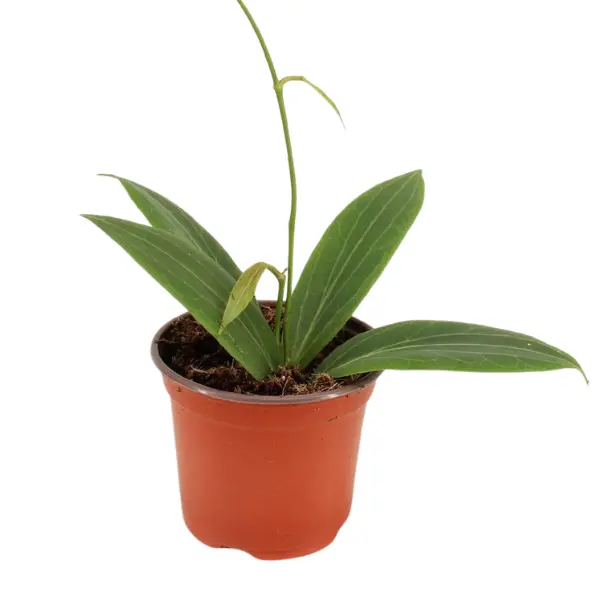
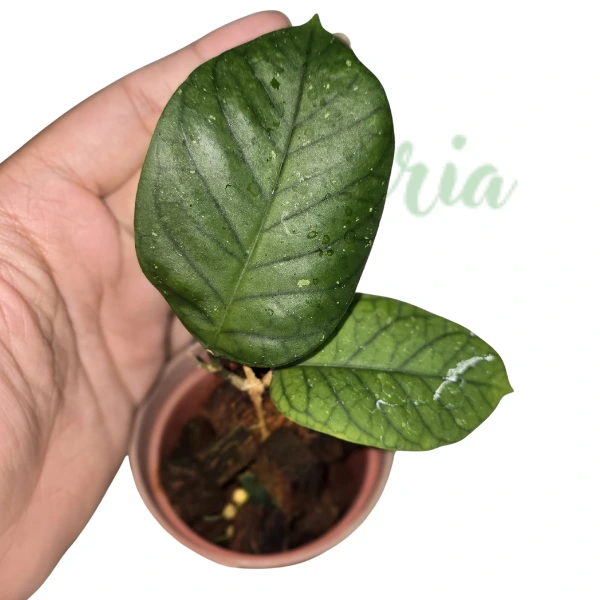
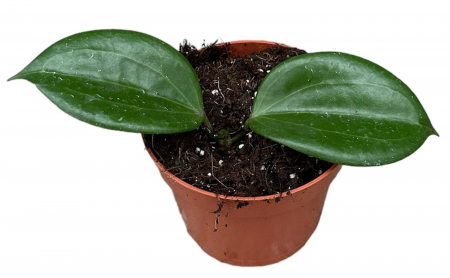
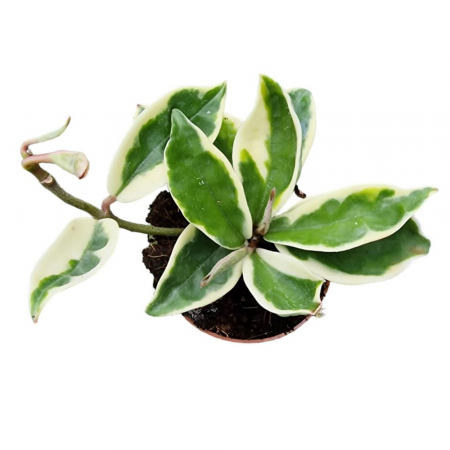
The leaves are among the most attractive features of this species. Large, oval to elliptical, with a thick-fleshy texture and glossy surface, they display visible veins that add a decorative effect. The coloring ranges from medium green to deep green, and the dimensions can be considerable – creating a strong visual impact. New leaves may have lighter or slightly reddish hues.
🌸 Flowers – Spectacular Umbels with Waxy Blooms
The flowers are grouped in large and impressive umbels, composed of numerous small star-shaped blooms with a waxy, glossy appearance. The coloring ranges from creamy white to yellow or light pink with a contrasting center. The fragrance is sweet and pleasant. The umbels can contain a large number of flowers, creating a remarkable visual display in mature specimens.
🌱 Growth Habit and Care
Hoya hellwigiana is a vigorous climbing plant that requires a sturdy climbing support or generous space to develop. It prefers bright indirect light, an airy and well-drained substrate based on bark, perlite, and coconut coir, and moderate watering – the substrate should partially dry between waterings. High humidity (above 60%) is essential for optimal growth. Ideal temperatures: 20-30°C (68-86°F). Does not tolerate cold below 15°C (59°F).
Lungime: 10 cm
Greutate (kg): 0.25 Kg
Denumire: Hoya
Diametru: 7 cm
Cerințe lumină: Partial umbra
Tip plantă: Decorative
Utilizare: Interior
Tip suport: Ghiveci
Material Suport: Plastic
What is Hoya hellwigiana?
What are its IML codes?
Is Hoya hellwigiana rare?
How do I grow Hoya hellwigiana?
What makes it special?
How do I care for a Hoya plant?
When does Hoya bloom?
How often should I water my Hoya?
Is Hoya toxic to pets?
How do I propagate Hoya?
Recommendations
Ai nevoie și de un ghiveci decorativ?