EN/
EN/ Romana
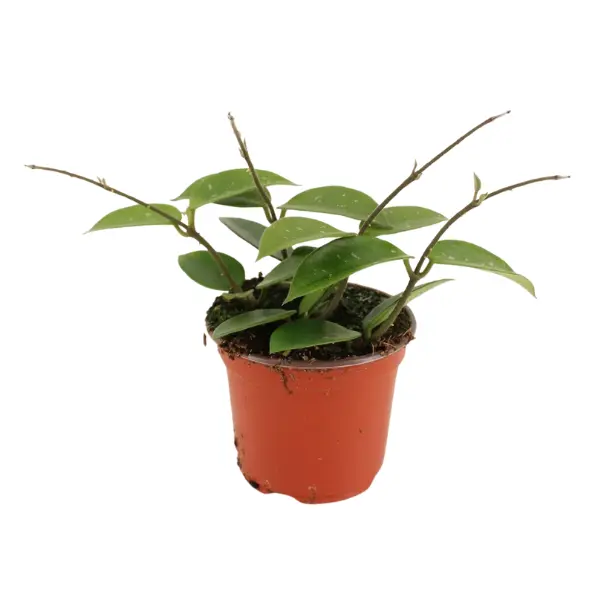
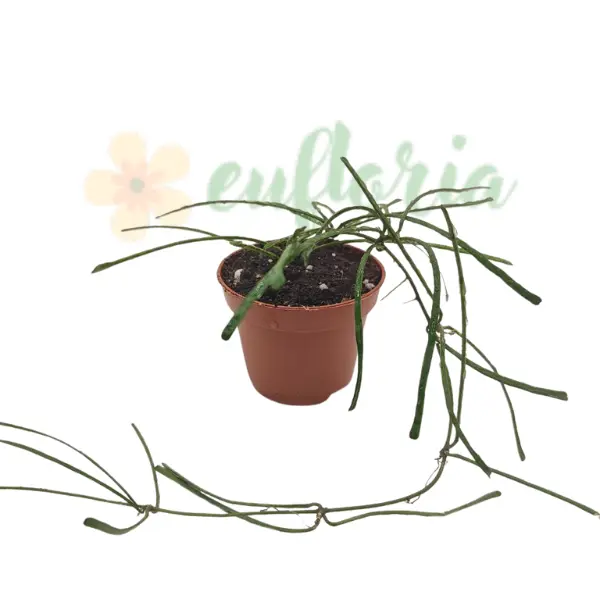
Hoya sp Ternate Ø10.5cm
![Hoya sp. Ternate [1]](https://gomagcdn.ro/domains2/eufloria.ro/files/product/original/hoya-sp-ternate-d10-5-794032.webp "Hoya sp. Ternate [1]")
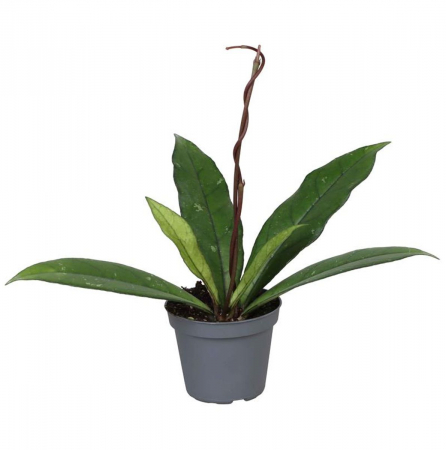
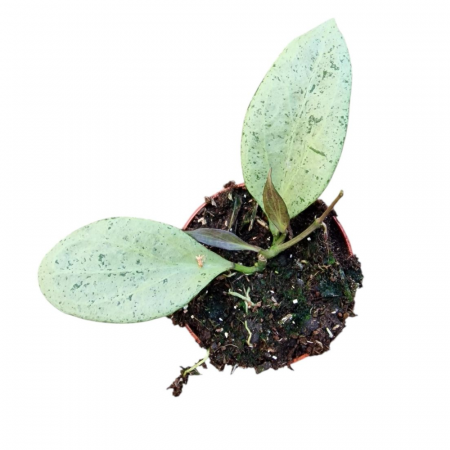
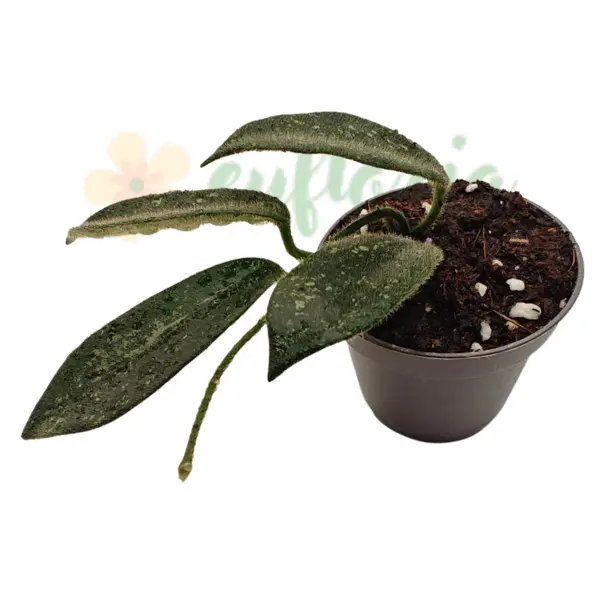
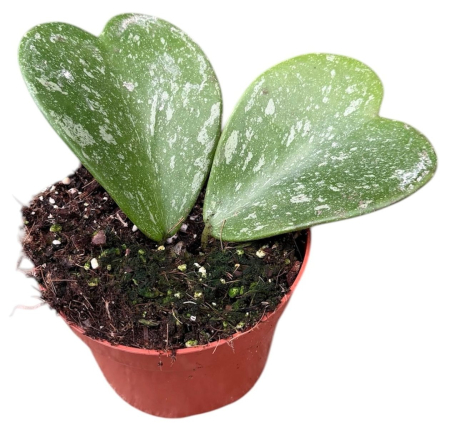
Hoya sp Ternate is a rare species from the Maluku Islands, Indonesia, prized for its textured leaves and intensely fragrant white flowers with pink centres. A climbing epiphytic plant, perfect for hanging pots or vertical supports.
Approx height (including pot): 10 cm
Flowering state: No flowers
Pot diameter: 10.5 cm
- Description
- Characteristics
- Reviews (0)
- FAQ
🌿 Hoya sp Ternate Characteristics
Hoya sp Ternate is a rare and exceptionally attractive species from the Hoya genus, family Apocynaceae, originating from the Ternate island area, part of the Maluku archipelago in Indonesia. This region, also known as the Spice Islands, hosts remarkable biodiversity, and Hoya sp Ternate is a perfect example of the unique tropical flora thriving on these volcanic islands.
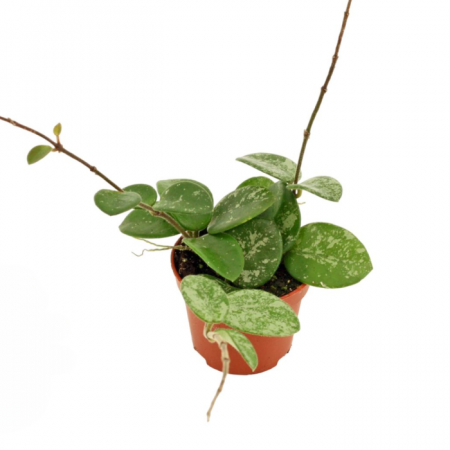
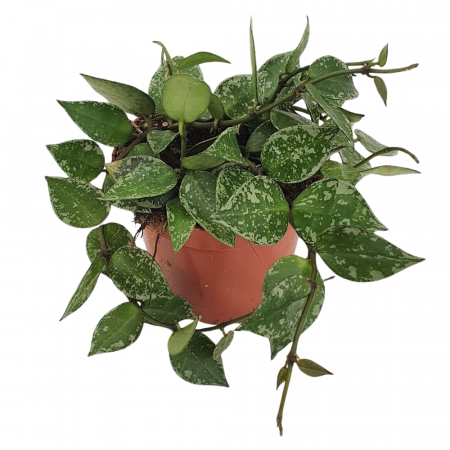
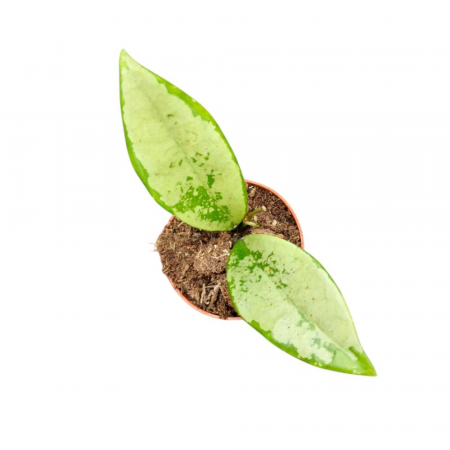
The plant is notable for its textured leaves, oval to elliptical in shape, with a slightly rough surface and well-defined veins. Leaf colour is a rich green that can develop darker tones under more intense light. The leaf margins are gently undulating, adding an extra decorative element. The stems are semi-woody and flexible, with a naturally climbing growth habit that makes the plant ideal for both hanging pots and vertical supports.
The flowers are the highlight of this species and the main reason it is so sought after by collectors. The inflorescences appear as compact umbels composed of small, perfectly star-shaped flowers. The petals are white with a delicate pink centre, creating an elegant contrast. The flowers emit a sweet, pleasant fragrance, more intense during evening and morning hours. The nectar produced is abundant and glistening, transforming each inflorescence into a small work of natural art.
As an epiphytic plant, Hoya sp Ternate naturally grows in bark crevices of trees in moist tropical forests, where it benefits from filtered light and consistently high humidity. This adaptation makes it particularly well-suited for cultivation as a houseplant, where conditions can be adjusted to mimic its natural environment. It is a moderately growing species that rewards the grower's patience with spectacular blooms and lasting foliage beauty.
☀️ Light Requirements
Hoya sp Ternate requires bright indirect light for optimal development. The ideal position is near an east- or west-facing window, where the plant receives a few hours of gentle sun without being exposed to intense midday rays. A south-facing window can be used with sheer curtains that filter the light, protecting the leaves from sunburn.
Insufficient light will slow the plant's growth and dramatically reduce the chances of flowering. Internodes will elongate excessively, creating a leggy, unkempt appearance. Leaves may become smaller and paler. If you notice these signs, move the plant to a brighter location or supplement with grow lights.
Full-spectrum grow lights are an excellent alternative for spaces with limited natural light. Position the lamp 25–35 cm above the plant and provide a 12–14-hour light cycle per day. This is especially useful during winter months when days are short and natural light is weak.
A useful trick for stimulating flowering: expose the plant to 1–2 hours of direct morning sun during spring and summer. This controlled dose of intense light can accelerate flower bud formation without risking leaf burns. Rotate the pot every 2 weeks for even growth.
💧 Care and Watering
Correct watering is essential for the health of Hoya sp Ternate. As an epiphytic plant, its roots are adapted to cycles of moisture and drying, and do not tolerate permanently wet substrate. Water the plant when the top 3–4 cm of substrate have dried completely, which typically means every 7–10 days in summer and 14–21 days in winter.
Use room-temperature water, preferably filtered or left to stand for 24 hours. Water slowly and evenly around the plant’s base, allowing the water to penetrate the entire substrate. Let excess water drain completely through the drainage holes — never leave the pot sitting in stagnant water, as this quickly causes root rot.
High atmospheric humidity is very important for Hoya sp Ternate, ideally between 60% and 80%. In dry environments, especially during winter when central heating reduces humidity, use an electric humidifier or place the pot on a pebble tray with water. Grouping several tropical plants together creates a favourable microclimate. Avoid regular direct misting of leaves, as this can promote fungal diseases.
Signs of under-watering include soft, slightly wrinkled leaves that recover quickly after proper watering. Signs of over-watering are more serious: yellow leaves, soft stems at the base, and an unpleasant smell from the substrate indicating root rot. If you suspect rot, remove the plant from its pot, trim affected roots, and replant in fresh, dry substrate.
🌡️ Temperature and Climate
Hoya sp Ternate, originating from Indonesia’s equatorial zone, prefers consistent warm temperatures throughout the year. The optimal temperature range is between 18°C and 28°C, with an ideal around 22–26°C. The plant tolerates temperatures up to 32°C if it has sufficient humidity and good air circulation.
The minimum tolerable temperature is approximately 13–15°C. Below this limit, growth stops completely, and prolonged exposure can cause irreversible damage to leaves and roots. Frost is fatal. In Romania, cultivation is exclusively indoors, and the plant can only be moved to a sheltered balcony during summer months when nighttime temperatures do not drop below 16°C.
Protect the plant from cold draughts that may come from open windows, doors, or air conditioning units. Also avoid placing it directly next to radiators or other sources of dry heat, which dehydrate the leaves and reduce ambient humidity around the plant.
A slight temperature difference between day and night of about 3–5°C can stimulate flowering. This natural thermal variation recreates conditions in its native habitat and signals the plant that it is the right time to produce flower buds. Maintain this difference for a period of 4–6 weeks in spring for best results.
🪴 Pot and Substrate
The substrate for Hoya sp Ternate must be very well-drained and aerated, recreating the natural environment where roots grow on tree bark. An excellent recipe combines pine bark (30%), perlite (25%), coco peat (25%), and sphagnum moss (20%). This combination provides rapid drainage, optimal aeration, and moderate moisture retention.
The pot must have ample drainage holes. Hoyas prefer to be slightly rootbound, which also stimulates flowering. Do not use pots much larger than the root system, as excess substrate retains too much moisture. Terracotta pots are ideal due to their porosity, but plastic pots work well if watering frequency is adjusted.
Repotting is done every 2–3 years in spring when the plant enters active growth. Choose a pot only 2 cm larger in diameter. Examine the roots and remove any dead or rotten portions. Do not pack the substrate too tightly — leave it loose to allow air and water circulation.
Fertilise every 2 weeks during the active growing period (April–September) with a balanced liquid fertiliser diluted to half strength. An NPK of 10-10-10 is suitable for vegetative growth, while a higher-phosphorus fertiliser (NPK 10-30-20) applied at the start of summer can produce excellent flowering results. Do not fertilise in winter.
Propagation is done through stem cuttings with 2–3 nodes. Let the cut dry for a few hours, then plant in moist sphagnum or perlite. Rooting takes 4–8 weeks at 22–25°C with high humidity. Cuttings can also be rooted in clean water, changed every 2–3 days.
Hoya sp Ternate is relatively disease-resistant but can be affected by mealybugs, red spider mites, or thrips under stress conditions. Regular inspection of leaves, especially on the undersides, helps with early detection. Treatment with neem oil or insecticidal soap is effective. By providing optimal light, water, and humidity conditions, the plant will remain healthy and reward you with fragrant blooms and luxuriant foliage.
Lungime: 10 cm
Greutate (kg): 0.5 Kg
Denumire: Hoya
Diametru: 10.5 cm
Cerințe lumină: Partial umbra
Tip plantă: Decorative
Utilizare: Interior
Tip suport: Ghiveci
Material Suport: Plastic
Why is it called Hoya sp. Ternate and doesn't have a scientific name?
What humidity does Hoya sp. Ternate need?
When does Hoya sp. Ternate bloom?
Is Hoya sp. Ternate suitable for beginners?
How rare is Hoya sp. Ternate?
Ai nevoie și de un ghiveci decorativ?