EN/
EN/ Romana
Hoya blashernaezii siariae 'Red Flowers' Ø6cm
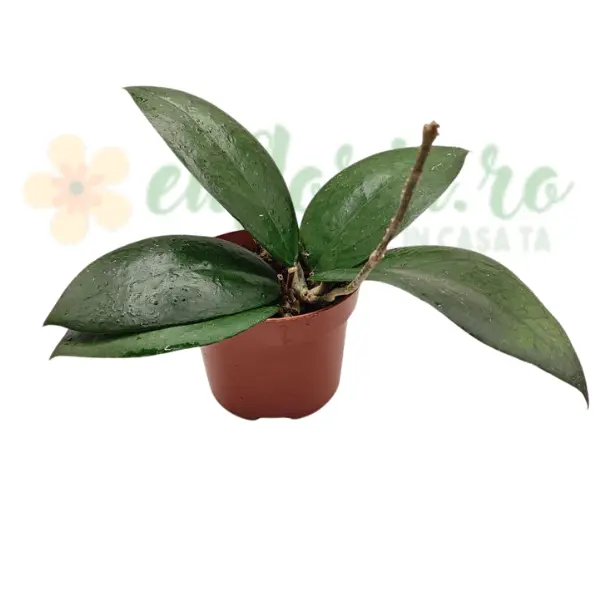
![Hoya blashernaezii siariae 'Red Flowers' — Rare Hoya with intense red waxy blooms and succulent dark green foliage [0]](https://gomagcdn.ro/domains2/eufloria.ro/files/product/medium/hoya-blashernaezii-siariae-red-flowers-d12-416416.png "Hoya blashernaezii siariae 'Red Flowers' — Rare Hoya with intense red waxy blooms and succulent dark green foliage [0]")
![Hoya blashernaezii siariae 'Red Flowers' — Rare Hoya with intense red waxy blooms and succulent dark green foliage [1]](https://gomagcdn.ro/domains2/eufloria.ro/files/product/medium/hoya-blashernaezii-siariae-red-flowers-d12-214862.png "Hoya blashernaezii siariae 'Red Flowers' — Rare Hoya with intense red waxy blooms and succulent dark green foliage [1]")
![Hoya blashernaezii siariae 'Red Flowers' — Rare Hoya with intense red waxy blooms and succulent dark green foliage [1]](https://gomagcdn.ro/domains2/eufloria.ro/files/product/original/hoya-blashernaezii-siariae-red-flowers-d12-416416.png "Hoya blashernaezii siariae 'Red Flowers' — Rare Hoya with intense red waxy blooms and succulent dark green foliage [1]")
![Hoya blashernaezii siariae 'Red Flowers' — Rare Hoya with intense red waxy blooms and succulent dark green foliage [2]](https://gomagcdn.ro/domains2/eufloria.ro/files/product/original/hoya-blashernaezii-siariae-red-flowers-d12-214862.png "Hoya blashernaezii siariae 'Red Flowers' — Rare Hoya with intense red waxy blooms and succulent dark green foliage [2]")
Hoya blashernaezii siariae ‘Red Flowers’ is a rare Hoya species native to the Philippines, noted for its striking waxy red flowers clustered in fragrant umbels. The leaves are long, narrow, and ribbed, characteristic of the siariae subspecies. A moderately growing epiphyte, ideal for passionate collectors seeking rare and spectacular Hoyas.
Note: Product images are for guidance only. Due to different batches of imported products, there may be differences between the images on the website and the actual appearance of the products.
Approx height (including pot): 15 cm
Flowering state: No flowers
- Description
- Characteristics
- Reviews (0)
- FAQ
🌿 Hoya blashernaezii siariae ‘Red Flowers’ — the tropical jewel with velvety red blooms
There are plants that captivate through foliage, others through form, but Hoya blashernaezii ssp. siariae ‘Red Flowers’ conquers through a floral spectacle of an intensity rarely encountered in the world of Hoyas. This subspecies, native to the Philippine islands, is one of the few Hoyas that produce flowers of a deep, waxy red, with a texture reminiscent of fine porcelain. Each umbel is a constellation of ruby stars, and their fragrance — sweet, slightly spicy, with notes of honey and cinnamon — fills the room in the evening hours.
The siariae subspecies was described relatively recently in botanical literature, collected from Siar province, a mountainous area in Mindanao, Philippines, where it grows epiphytically on tree trunks at altitudes of 300-800 metres. The ‘Red Flowers’ form is selected for its particularly intense flower colour, a deep ruby-red that contrasts dramatically with the dark green, glossy foliage. It is a plant that transforms any Hoya collection into a miniature botanical garden.
Offered in 6 cm pots, this young Hoya already possesses the robust character of the species. Though compact now, with proper care it will develop long, climbing branches that can be trained on a support or left to cascade. It is a plant that rewards patience — the first flowers may appear 2-3 years after rooting, but the spectacle is worth every day of waiting.
🌍 Origin and Botanical History
The genus Hoya, first described by botanist Robert Brown in 1810 and named in honour of gardener Thomas Hoy, comprises over 500 species distributed across tropical Asia, Australia and Oceania. Hoya blashernaezii was described by Dale Kloppenburg in 1991, and the subspecies siariae was later separated as a distinct form due to morphological differences in flowers and leaves.
The name “blashernaezii” honours Blas Hernaez, a Filipino collector who contributed significantly to the discovery of new Hoya species in the Philippine archipelago. The subspecies siariae takes its name from the locality of Siar in Mindanao, where it was first identified in the wild. The natural habitat is humid tropical hill forest, where the plant grows as an epiphyte on the bark of old trees, in light filtered through the dense canopy.
The Philippines is one of the most important centres of diversity for the genus Hoya, with over 100 endemic species. The equatorial climate, with constant temperatures of 25-32°C and high humidity (70-90%), creates ideal conditions for these epiphytic plants. The siariae subspecies benefits from abundant rainfall in the wet season and drier periods that stimulate flowering.
🌱 The Foliage
The leaves of Hoya blashernaezii siariae ‘Red Flowers’ are remarkable for their thick, succulent consistency, typical of plants that have evolved to retain water in the epiphytic environment. Each leaf measures between 8 and 15 cm in length and 3-5 cm in width, with an ovate-lanceolate shape and a slightly pointed tip. The upper surface is an intense dark green, with a waxy, glossy texture that reflects light in a subtle, almost metallic manner.
The veins are visible but discreet, creating a fine pattern on the leaf surface. In strong light, the leaves can develop a slightly bronzed tint on the edges, a phenomenon called “sun stress” that adds visual depth. The petioles are short and robust, firmly attaching the leaves to the twining stem. To the touch, the leaves have a waxy, almost rubbery texture, and when broken they release a white latex characteristic of the Hoya genus.
The stems are thin but surprisingly resilient, with visible nodes from which adventitious roots can emerge. These aerial roots allow the plant to anchor to supports in nature and contribute to moisture absorption from the air.
🌸 The Flowers
The flowers are undoubtedly the main attraction of this subspecies. The ‘Red Flowers’ form produces umbels of 10-20 individual flowers, each with a diameter of 1.5-2 cm, arranged in a hemisphere shape. The colour is a deep ruby-red, with a waxy texture that gives them the appearance of sculpted jewellery. The petal surface is slightly granulated, with micro-papillae that create a velvet effect in raking light.
The central corona of each flower — the miniature star structure at the centre of the corolla — is an even darker red, almost burgundy, subtly contrasting with the petals. The flowers are clustered on permanent peduncles (spurs) that should never be cut, as the plant will rebloom from the same points year after year.
The fragrance is complex and captivating: sweet notes of honey and vanilla blend with a slightly spicy, piquant undertone. Intensity increases significantly in the evening and nighttime hours. The main flowering period is spring to summer, but in optimal conditions the plant may produce flowers in autumn as well. Each umbel lasts 1-2 weeks, and the abundant nectar may drip slightly, which is completely normal.
🌱 Growth Habit and Development
Hoya blashernaezii siariae ‘Red Flowers’ has a twining, climbing growth habit typical of epiphytic species. The stems extend continuously from the tip, seeking supports to anchor onto with adventitious roots. Growth rate is moderate — in optimal conditions, the plant can add 30-50 cm of new stem per growing season. This Hoya responds excellently to training on a hoop or trellis, creating a spectacular effect when in bloom.
Compared to other Hoya species, blashernaezii siariae has moderate vigour but remarkable resilience. Once established, it tolerates short periods of watering neglect — the succulent leaves act as water reservoirs.
Care requirements:
- Light: Bright, indirect light. East or west-facing window. Avoid intense direct sun, but 2-3 hours of morning sun are beneficial for stimulating flowering.
- Temperature: Optimal 20-28°C daytime, 16-20°C nighttime. Absolute minimum 12°C. A slight nighttime temperature drop (4-6°C from daytime) stimulates flower bud formation.
- Watering: Moderate — allow the top 2-3 cm of substrate to dry between waterings. Reduce frequency in winter. Use room-temperature, dechlorinated water if possible.
- Humidity: 50-70%. Mist foliage in the morning or use a humidifier. Avoid water stagnation on leaves in the evening.
- Substrate: Airy mix of pine bark (40%), perlite (25%), sphagnum moss (20%) and universal potting mix (15%). Excellent drainage is essential.
- Fertilisation: Balanced liquid fertiliser (NPK 10-10-10) diluted to half strength, every 2 weeks during the growing season. A higher phosphorus supplement stimulates flowering.
- Propagation: By stem cuttings with at least 2 nodes, placed in moist perlite or sphagnum moss. Optimal rooting temperature: 22-25°C. Duration: 4-8 weeks.
Lungime: 15 cm
Greutate (kg): 0.15 Kg
Denumire: Hoya
Diametru: 6 cm
Cerințe lumină: Strong, indirect light
Tip plantă: Decorative
Utilizare: Interior
Tip suport: Ghiveci
Material Suport: Plastic
What light does this hoya prefer?
Does it bloom easily?
Are flowers fragrant?
How should it be watered?
Is it a suitable plant for an apartment?
Is it a species or a hybrid?
Is it toxic for pets
What do the IML codes mean on hoya?
How often should I water Hoya blashernaezii siariae 'Red Flowers'?
Water Hoya blashernaezii siariae moderately, allowing the top 2-3 cm of substrate to dry between waterings. During the warm season, once every 7-10 days is sufficient. In winter, reduce to once every 2-3 weeks. Overwatering is the main risk — ensure the pot has excellent drainage.
Is Hoya blashernaezii siariae toxic to cats or dogs?
No, Hoya blashernaezii siariae is considered non-toxic to cats, dogs and humans. The Hoya genus does not contain harmful substances. The white latex in the stems is non-irritant. It is a safe choice for homes with pets.
When does Hoya blashernaezii siariae 'Red Flowers' bloom?
Hoya blashernaezii siariae ‘Red Flowers’ typically blooms in spring and summer, but in optimal conditions it may produce flowers in autumn too. First flowers appear 2-3 years after rooting. A nighttime temperature drop of 4-6°C and bright indirect light stimulate flower bud formation. Never cut the peduncles — the plant reblooms from the same points.
What is the best substrate for Hoya blashernaezii siariae?
The best substrate for Hoya blashernaezii siariae is an airy mix: pine bark (40%), perlite (25%), sphagnum moss (20%) and universal potting mix (15%). Excellent drainage is essential — epiphytic roots do not tolerate waterlogged substrate. The pot must have drainage holes.
Recommendations
Ai nevoie și de un ghiveci decorativ?