EN/
EN/ Romana
Aglaonema 'Crete Flame' Ø9cm
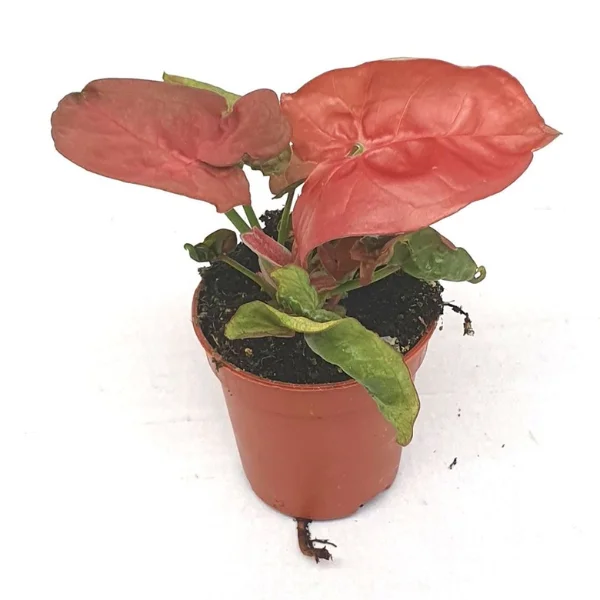
![Aglaonema 'Crete Flame' — spectacular tropical cultivar with intense-green lanceolate leaves and bright-red coral pink-magenta veins spots and edges, colorful Chinese Evergreen [0]](https://gomagcdn.ro/domains2/eufloria.ro/files/product/medium/aglaonema-crete-flame-112529.png "Aglaonema 'Crete Flame' — spectacular tropical cultivar with intense-green lanceolate leaves and bright-red coral pink-magenta veins spots and edges, colorful Chinese Evergreen [0]")
![Aglaonema 'Crete Flame' — spectacular tropical cultivar with intense-green lanceolate leaves and bright-red coral pink-magenta veins spots and edges, colorful Chinese Evergreen [1]](https://gomagcdn.ro/domains2/eufloria.ro/files/product/medium/planta-naturala-de-interior-aglaonema-crete-flame-d9-903477.png "Aglaonema 'Crete Flame' — spectacular tropical cultivar with intense-green lanceolate leaves and bright-red coral pink-magenta veins spots and edges, colorful Chinese Evergreen [1]")
![Aglaonema 'Crete Flame' — spectacular tropical cultivar with intense-green lanceolate leaves and bright-red coral pink-magenta veins spots and edges, colorful Chinese Evergreen [1]](https://gomagcdn.ro/domains2/eufloria.ro/files/product/original/aglaonema-crete-flame-112529.png "Aglaonema 'Crete Flame' — spectacular tropical cultivar with intense-green lanceolate leaves and bright-red coral pink-magenta veins spots and edges, colorful Chinese Evergreen [1]")
![Aglaonema 'Crete Flame' — spectacular tropical cultivar with intense-green lanceolate leaves and bright-red coral pink-magenta veins spots and edges, colorful Chinese Evergreen [2]](https://gomagcdn.ro/domains2/eufloria.ro/files/product/original/planta-naturala-de-interior-aglaonema-crete-flame-d9-903477.png "Aglaonema 'Crete Flame' — spectacular tropical cultivar with intense-green lanceolate leaves and bright-red coral pink-magenta veins spots and edges, colorful Chinese Evergreen [2]")
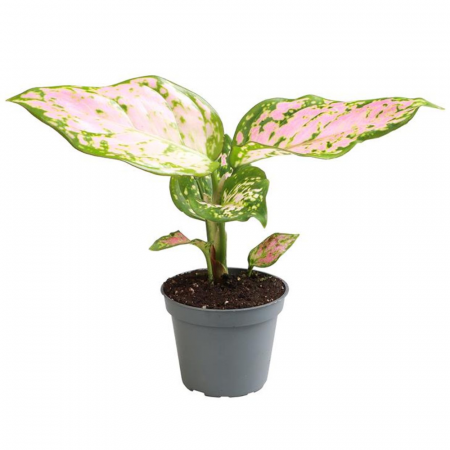
Aglaonema 'Crete Flame' is a spectacular cultivar from the Araceae family, popularly known as Chinese Evergreen. Intense-green lanceolate leaves with veins, spots and edges in bright red, coral and pink-magenta, for a tropical flame feel. A plant tolerant of moderate light, perfect for offices or north-facing rooms. Bred in Thailand.
Approx height (including pot): 25 cm
Pot diameter: 9 cm
- Description
- Characteristics
- Reviews (0)
- FAQ
🌿 Aglaonema 'Crete Flame' — The Tropical Flame of Asian Forests
Aglaonema 'Crete Flame' is one of the most spectacular modern cultivars of the Aglaonema genus, popularly known as "Chinese Evergreen". Its foliage combines an intense, rich green with veins, spots and edges in bright red, coral or pink-magenta, creating a plant that appears sculpted from tropical fire. Each leaf is a miniature painting, with unique red-green variegation patterns impossible to recreate identically.
Unlike many decorative tropical plants that require strong light to maintain their intense colors, Aglaonema 'Crete Flame' surprisingly tolerates moderate light well — making it one of the most adaptable colorful plants for indoor spaces with limited natural light. It is the perfect plant for offices, north-facing rooms or spaces where other colorful plants would struggle.
At the offered size — Ø9cm pot — the plant is compact, ideal for windowsills, desks or small collections. Over time, it develops an upright, bushy habit, with abundant foliage forming a dense crown of color. It is the perfect choice for those starting an aglaonema collection or adding a spectacular spot of color to a tropical composition.
🌍 Origin and Botanical History
The Aglaonema genus belongs to the Araceae family, the same that includes Monstera, Philodendron, Anthurium and Spathiphyllum. It comprises approximately 25 natural species, all native to the tropical regions of Southeast Asia — Thailand, Indonesia, Malaysia, Philippines, India and southern China. The parent species Aglaonema commutatum, the starting point for most modern cultivars, was scientifically described in 1837 by the German botanist Johann Heinrich Friedrich Link.
The genus name — Aglaonema — derives from Ancient Greek: aglaos ("bright") and nema ("thread"), a reference to the bright stamens of the flowers in the typical aroid inflorescence. Colorful-foliage cultivars like 'Crete Flame' are the product of intensive hybridization programs, especially in Thailand and Indonesia, starting in the 1980s, which transformed aglaonema from a predominantly green plant into a true rainbow of ornamental colors.
In natural habitat, aglaonemas grow as understory plants in tropical forests, where they receive light filtered through the tree canopy. This adaptation to low light is reflected in their behavior in indoor cultivation — where they tolerate moderate light conditions much better than canopy-dwelling tropical plants.
🌱 The Colorful Foliage
Aglaonema 'Crete Flame' leaves are lanceolate to elliptic, measuring 15–25 centimeters in length and 5–8 centimeters in width at maturity, with semi-glossy, firm texture. The base color is an intense, rich green, over which variegation draws patches, stripes and veins in warm shades — from coral and bright red to pink-magenta and burgundy. Each leaf displays a unique pattern: some are predominantly green with only red accents at the edge, others have intensely colored central veins, and others combine all three colors in a balanced composition.
Central venation is often the most intensely colored, creating a red "spine" through the middle of each leaf. At the leaf edges, the color fades gradually, passing through pink-peach and slightly irregular margins. Under stronger light, warm tones intensify, and contrast with the base green becomes more dramatic.
Leaf texture is thick, like fine leather, making the plant resistant to minor bumps or accidental touches. New leaves emerge from a terminal bud at the center of the rosette, and the plant progressively develops a bushy, compact appearance with rich foliage distributed evenly.
🌸 The Flowers
Aglaonema produces typical aroid flowers — a spadix (cylindrical structure) wrapped in a spathe (modified leaf) of white-greenish color. The flowers are visually modest compared to the spectacular foliage, but occasionally appear on mature and well-cared-for plants. They are sometimes followed by small, bright red fruits, which add a decorative plus. In indoor cultivation, most collectors appreciate aglaonema primarily for the foliage, not the flowers — the spathe and spadix are often removed to redirect plant energy towards producing new leaves.
🌱 Growth Habit and Care
Aglaonema 'Crete Flame' is one of the most tolerant colorful tropical plants — perfect for beginners or for spaces with moderate light. Growth is slow to moderate; the plant produces new leaves regularly, but is not a "fast" plant like Monstera. Maximum indoor height: 40–60 cm, with an upright-bushy habit.
- Light: moderate to bright indirect; tolerates lower light conditions as well, but warm colors fade. Avoid direct midday sun. East- or west-facing windowsill ideal, or 1–2 meters from a south-facing window with filtering curtain.
- Temperature: 20–28°C optimal; does not tolerate below 16°C. Protect from cold drafts in winter.
- Watering: moderate; water when the top layer of substrate (2–3 cm) has dried. About once a week in summer, every 10–14 days in winter. Overwatering quickly leads to root rot.
- Humidity: 50–70% ideal; tolerates 40% as well. Weekly leaf misting keeps the plant vital, especially in winter.
- Substrate: airy, well-drained — aroid mix (peat + perlite + pine bark + activated charcoal).
- Fertilization: every 3–4 weeks during the growing season, with balanced liquid fertilizer diluted by half.
- Propagation: via division (separating lateral rosettes) or stem cuttings with several nodes; spring is the optimal period.
🌿 Safety and Daily Care
Warning: Aglaonema contains insoluble calcium oxalates, toxic if ingested by humans and pets. Place the plant out of reach of small children and curious pets. Use gloves when repotting — sap can irritate sensitive skin. In case of ingestion, consult a veterinarian or family doctor immediately.
🌸 Why Choose 'Crete Flame'
Aglaonema 'Crete Flame' is a plant for those who want intense color without complicated care requirements. It tolerates moderate light conditions, forgives minor watering errors and rewards care with spectacular leaves, each with its own unique red-green variegation pattern. Ideal for offices, rooms with filtered light or as a colored accent in a tropical collection. A specimen that enriches any space with a spot of tropical flame.
🌱 Common Problems and Solutions
Brown and dry leaf tips: usually caused by too low humidity or water with too much chlorine. Use still/filtered water or rainwater. Mist leaves weekly and place the plant on a tray with pebbles and water to increase ambient humidity.
Yellow leaves: the most frequent sign of overwatering. Check the pot's drainage and watering frequency. Aglaonema prefers substrate that dries between waterings. If roots are soft and dark, replant in fresh substrate.
Warm colors fading: insufficient light. Move the plant closer to a source of bright indirect light (not direct sun). After 3–4 new leaves, colors return with intensity.
Slow winter growth: normal for aglaonema. Lower temperatures and reduced light in winter cause the plant to enter a slow growth period. Reduce watering and stop fertilizing until spring.
Pests: scale insects and red spider mites can sometimes attack aglaonema. Check the underside of leaves periodically. At the first sign, wipe with cotton soaked in 70% isopropyl alcohol and apply insecticidal soap or neem oil weekly.
Lungime: 15 cm
Greutate (kg): 0.25 Kg
Denumire: Aglaonema
Diametru: 9 cm
Cerințe lumină: Lumina indirectă
Tip plantă: Plantă erector
Utilizare: Interior
Tip suport: Ghiveci
Material Suport: Plastic
What makes 'Crete Flame' special among aglaonemas?
Does Aglaonema 'Crete Flame' tolerate low light?
How often should it be watered?
Is it toxic to cats and dogs?
How do I maintain the intense warm colors?
Ai nevoie și de un ghiveci decorativ?