EN/
EN/ Romana
Hoya dasyantha Ø10.5cm
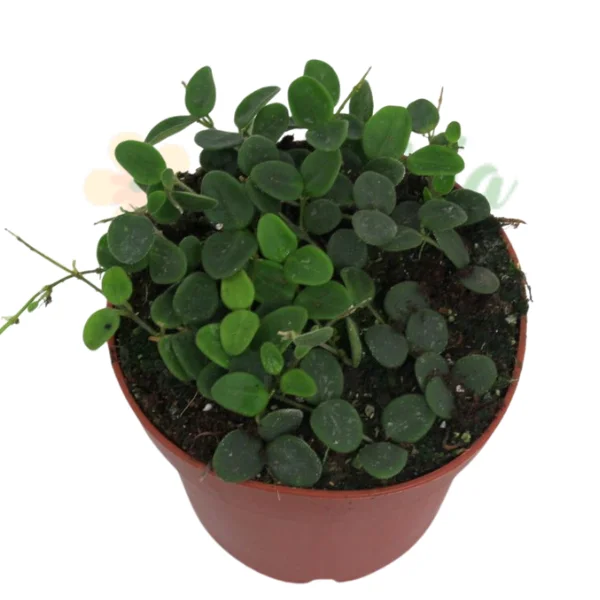
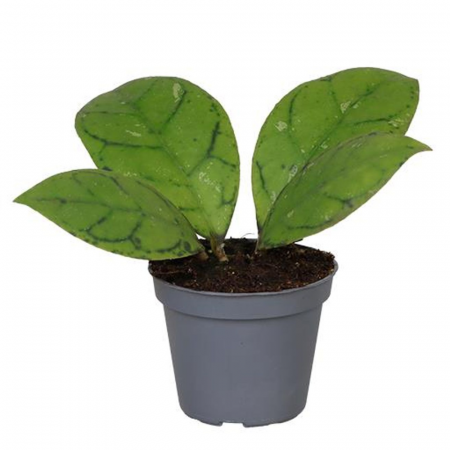
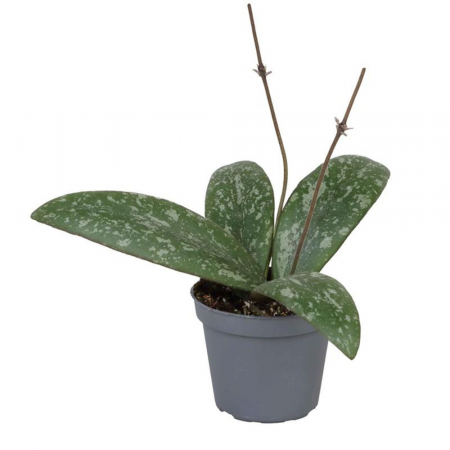
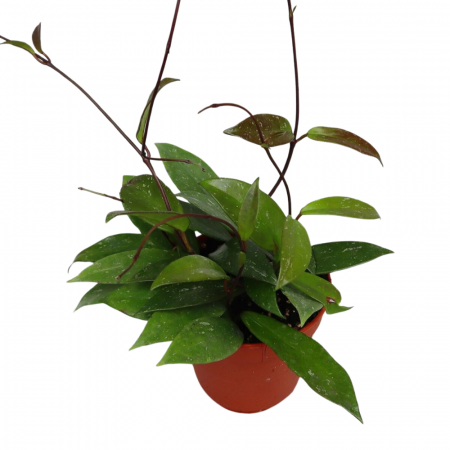
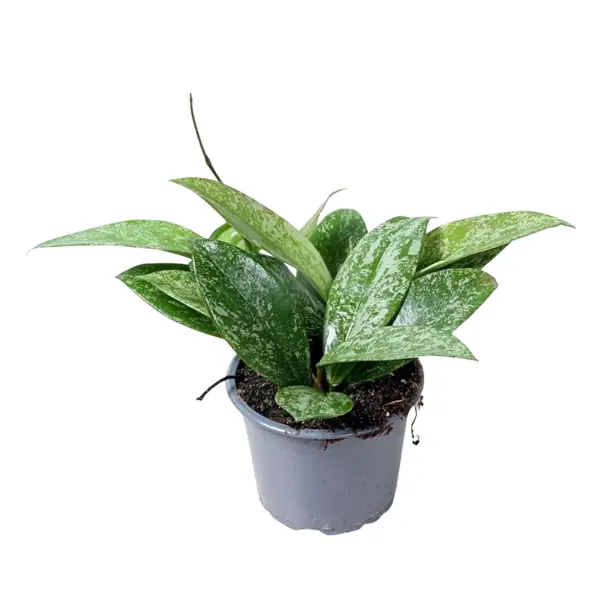
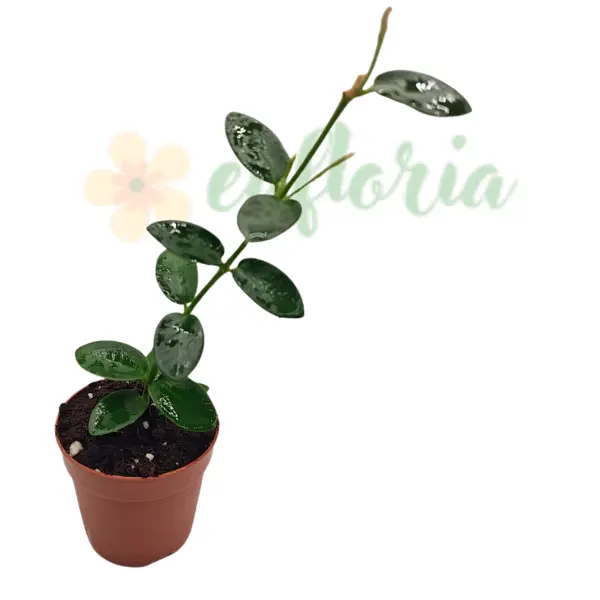
![Hoya dasyantha — elongated deep green leaves [0]](https://gomagcdn.ro/domains2/eufloria.ro/files/product/medium/hoya-dasyantha-889279.jpg "Hoya dasyantha — elongated deep green leaves [0]")
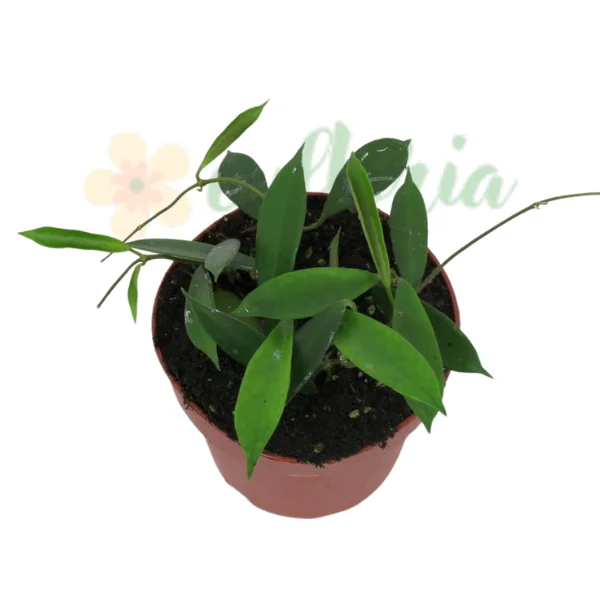
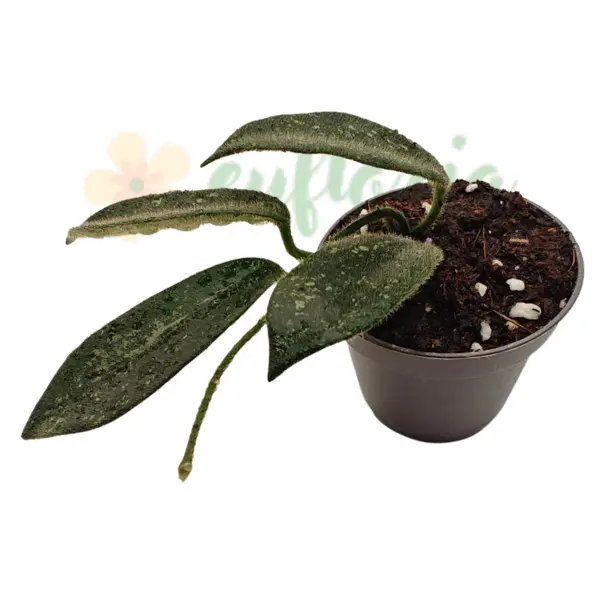
![Hoya dasyantha — elongated deep green leaves [1]](https://gomagcdn.ro/domains2/eufloria.ro/files/product/medium/hoya-dasyantha-d10-5cm-681965.png "Hoya dasyantha — elongated deep green leaves [1]")
![Hoya dasyantha — elongated deep green leaves [1]](https://gomagcdn.ro/domains2/eufloria.ro/files/product/original/hoya-dasyantha-889279.jpg "Hoya dasyantha — elongated deep green leaves [1]")
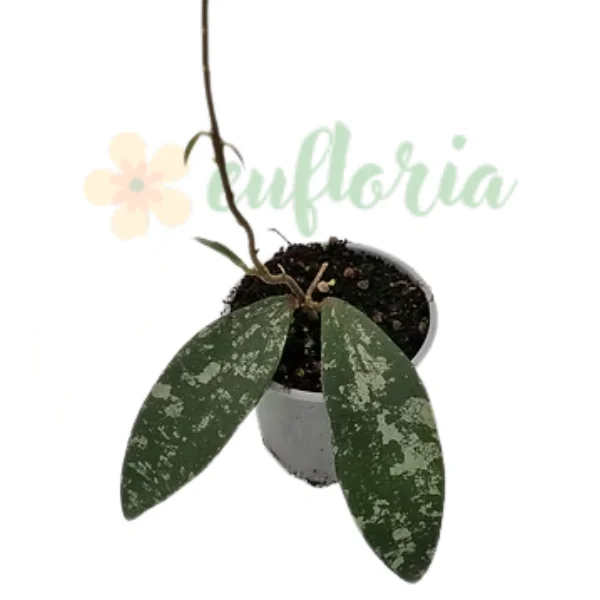
![Hoya dasyantha — elongated deep green leaves [2]](https://gomagcdn.ro/domains2/eufloria.ro/files/product/original/hoya-dasyantha-d10-5cm-681965.png "Hoya dasyantha — elongated deep green leaves [2]")
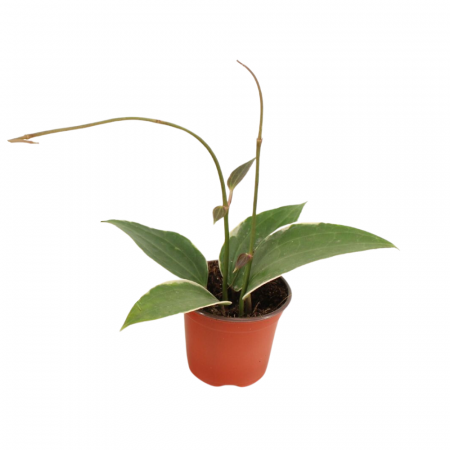
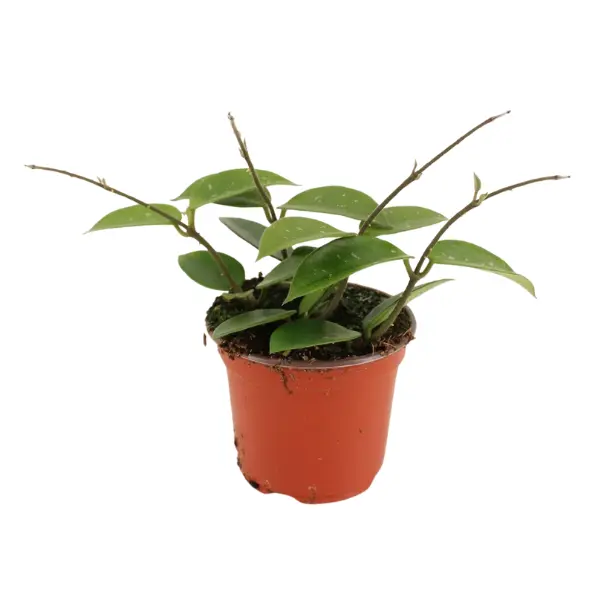
Hoya dasyantha — O Hoya cu frunze mari, lucioase, intens verzi, cu venație închisă pronunțată și o față inferioară usor catifelată. Flowers are softly hairy — true to the name "hairy-flowered" — forming generous umbels of pale pink to white blooms with a sweet, pleasant fragrance. Produces clear rather than milky sap when cut, a rare trait in the genus. Vigorous, beginner-friendly, and reliably free-flowering once established. Not toxic to pets!
Approx height (including pot): 10 cm
Flowering state: No flowers
Diametru Ghiveci: 10.5 cm
- Description
- Characteristics
- Reviews (0)
- FAQ
🌿 The velvety giant with soft-pink flowers and a secret sap
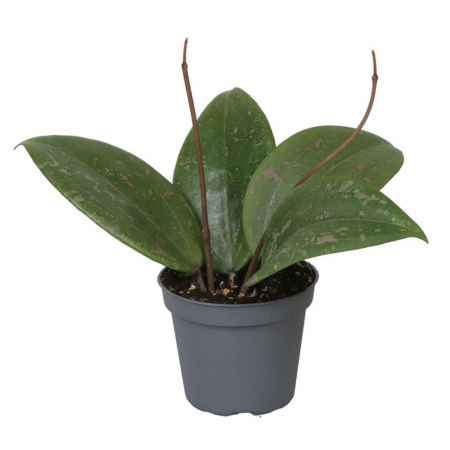
Hoya dasyantha 'Splash' is one of those Hoyas that impresses through presence rather than flamboyance. Where many collector species demand attention through unusual leaf shapes or extreme variegation, this one earns its place through scale, texture, and a quiet elegance that rewards close observation. The leaves are large — genuinely large for a Hoya — broad, elliptical, and deeply green, with prominent darker venation that gives each leaf a bold, graphic quality. In the 'Splash' form, random metallic silver flecks are scattered across that deep green surface, providing visual variety without dominating the composition. The leaf surface itself is slightly pubescent: covered with fine, soft hairs that give it a subtle velvety texture unlike the glassy smoothness of most wax plants. Then there is the sap — a small but fascinating detail that Hoya enthusiasts consistently remark on. When a stem or leaf is damaged, Hoya dasyantha releases clear sap rather than the milky-white latex typical of the genus, a trait that distinguishes it immediately to anyone who has grown other Hoyas. And when it flowers — reliably and repeatedly on established specimens — it produces generous umbels of soft pink to white star-shaped blooms, slightly fuzzy, with a sweet fragrance that collectors consistently describe as superior to that of Hoya carnosa, the species it superficially resembles.
🌍 Origins & Botanical History
Hoya dasyantha was first described by the Chinese botanist Ying Tsiang in 1936, published in the journal Sunyatsenia (volume 3, page 174), from specimens collected in Hainan — the large tropical island province of southern China that is one of the country's most biodiverse regions. According to the Plants of the World Online database (Royal Botanic Gardens, Kew), the type locality is Hainan, where the species grows as an epiphyte in humid tropical forest. The name dasyantha comes from the Greek dasys (hairy, rough) and anthos (flower), meaning literally "hairy-flowered" — a direct reference to the fine pubescence that covers both the corolla and the leaves, one of the most immediately tactile features of the plant. In horticultural trade, Hoya dasyantha is widely offered with Vietnam noted as an origin or collection point, and collectors commonly refer to it as a "Vietnam" species; the material in cultivation likely derives from the broader Southeast Asian range that includes southern China (Hainan), Vietnam, and potentially adjacent regions. In cultivated specimens, the species has also been described as resembling a cross between Hoya carnosa and Hoya fungii — sharing the former's pale pink flowers and overall habit with the latter's pronounced veination — which gives experienced Hoya growers an immediate visual reference point.
🍃 Foliage — Large, velvety & silver-splashed
The leaves of Hoya dasyantha are among the largest and most tactile in the genus. They are broad and elliptical, measuring approximately 12–15 cm long and 5–7 cm wide, with a thick, waxy texture and prominent darker green veination that traces clearly against the deep green of the blade. The reverse of the leaf is lightly pubescent — covered with fine, soft hairs — giving a gently velvety feel when touched, a quality that gives the species one of its common names, "Woolly Wax Plant." The upper surface is relatively smooth and glossy by contrast, with the darker venation creating an almost sculptural relief pattern. In the 'Splash' form, irregular metallic silver flecks appear scattered across the upper leaf surface — variable in density and distribution, with some leaves showing generous, luminous speckling while others are more subtly marked. In good indirect light, this silver catches and shimmers. New growth may emerge with reddish or bronze tones before darkening to the characteristic deep green. The overall effect is of a plant that looks substantial and considered — not delicate or fussy, but architectural and bold.
🌸 Flowers — Softly fragrant & reliably produced
Hoya dasyantha flowers are among its most rewarding features, and the species has a reputation for blooming frequently once established. Umbels are large and generous, typically bearing up to 20 individual flowers, with some exceptional specimens reported producing umbels of 80 or more blooms under ideal conditions. Each flower is star-shaped, approximately 15 mm across, and slightly pubescent — with fine hairs covering the corolla lobes, consistent with the species' name. The corolla colour is soft white to pale pink, with the 'splash' form maintaining the same floral characteristics as the standard species. The corona is white with a pink to red centre, providing a vivid focal point within each bloom. The fragrance is pleasant and sweet — growers consistently describe it as more refined than Hoya carnosa, with a clean, soft sweetness rather than the heavier, spicier scents of species like Hoya lacunosa. Flowers appear from spring through autumn on established specimens, with the plant re-blooming reliably from persistent peduncles — these must never be removed after flowering.
🌱 Growth habit & Development
Hoya dasyantha has a trailing to twining growth habit and grows into a substantial vine over time, potentially reaching 2–3 metres in length under good conditions. It is generally regarded as a fast grower once established — notably vigorous by Hoya standards — and is frequently recommended for beginners due to its forgiving nature and reliable flowering. The large leaves and robust stems give the plant an impressive, generous appearance even as a young specimen. It performs well in hanging baskets (where the large, silver-flecked leaves create a dramatic curtain effect), on a trellis or hoop, or trailing from a shelf. The 'Splash' designation refers to the silver-flecked leaf form, which has become popular among collectors seeking the species' easy-care reputation combined with additional visual interest.
Care Requirements:
- Light: Moderate to bright indirect light is ideal. More light encourages blooming and enhances silver expression in the 'Splash' form. The species tolerates lower light better than many Hoyas — its large leaf surface area is adapted for capturing light in shaded forest environments — but flowering will be reduced and silver markings less vivid. Morning sun is tolerated well; protect from harsh afternoon sun which can scorch the large leaf surface. A bright, filtered window position is optimal.
- Water: Allow the top layer of substrate to dry between waterings, then water thoroughly. Hoya dasyantha is reasonably tolerant of brief dry periods given its thick, fleshy leaves, but appreciates consistent moisture management during active growth. Overwatering remains the most common cause of problems — soggy substrate leads to root rot. Water less in autumn and winter. Always use room-temperature water. Never allow the plant to stand in water.
- Soil: A well-draining, airy epiphytic mix is essential. A blend of orchid bark, perlite, and coco coir provides excellent drainage while retaining adequate moisture for the larger root system. Standard orchid mix or a cactus mix amended with perlite both work well. Avoid dense, moisture-retaining soils. A pot with drainage holes is non-negotiable.
- Temperature: 18–28°C is the ideal range. This tropical species does not tolerate cold — protect from temperatures below 10–13°C, cold drafts, air conditioning vents, and winter window chill. Consistent warmth supports steady growth and reliable flowering. Suitable for USDA zones 11–13 outdoors; must be grown indoors in temperate climates.
- Humidity: 50–70% relative humidity is ideal. The pubescent (hairy) leaves appreciate some humidity, though the species is more tolerant of average household conditions than thinner-leaved tropical species. Avoid direct misting of the leaves — the fine hairs on the leaf surface can trap moisture and encourage fungal issues if foliage stays wet. Good air circulation is important.
- Feeding: Apply a balanced liquid fertilizer at half strength every 4–6 weeks during the growing season (spring through summer). A bloom-boosting, low-nitrogen formula can encourage more frequent and generous flowering on established specimens. Stop fertilising in autumn and winter. Avoid salt build-up from over-fertilisation.
Botanical Info: Family: Apocynaceae (subfamily Asclepiadoideae) | Genus: Hoya | Species: Hoya dasyantha Tsiang (1936) | Cultivar: 'Splash' (silver-flecked foliage form) | Common Names: Woolly Wax Plant, Woolly-Flowered Hoya, Hairy-Flowered Hoya | Type: Epiphytic trailing/twining vine | Native Range: Hainan (China); also cultivated material from Vietnam | Zone: USDA 11–13 (indoor cultivation in temperate climates) | Flowering: Soft white to pale pink, slightly pubescent, star-shaped, up to 20+ per umbel, sweetly fragrant, spring–autumn | Growth Rate: Moderate to fast | Special Trait: Produces clear (not milky white) sap when damaged — unique within the genus
Lungime: 10 cm
Greutate (kg): 1 Kg
Denumire: Hoya
Diametru: 10.5 cm
Cerințe lumină: Partial umbra
Tip plantă: Decorative
Utilizare: Interior
Tip suport: Ghiveci
Material Suport: Plastic
How do I care for Hoya dasyantha?
Hoya dasyantha prefers bright indirect light, temperatures of 18-28°C (64-82°F), and humidity above 50%. Water when the substrate has partially dried out. Use an airy substrate based on pine bark and perlite. Fertilize monthly during active growth (spring-summer) with a balanced fertilizer diluted to half strength.
Is Hoya dasyantha toxic to pets?
No, Hoya dasyantha is considered non-toxic to dogs and cats according to ASPCA. Hoya plants are generally safe for pets. However, ingesting any plant material may cause mild gastric discomfort.
How does Hoya dasyantha bloom and what do the flowers look like?
Hoya dasyantha produces small, perfectly symmetrical white flowers with a coloured centre, grouped in round umbels. Their discreet, delicate fragrance intensifies in the evening. Flowers typically appear in spring and summer on mature plants. Never cut the flower peduncles after blooming — the plant will produce new flowers on the same spurs in subsequent seasons.
What size does Hoya dasyantha reach at maturity?
Hoya dasyantha grows compactly and gracefully, with trailing stems that can reach 1-2 metres under optimal indoor conditions. Its elongated, deep green leaves with a slightly velvety texture form a dense plant perfect for hanging baskets or climbing supports. The growth rate is moderate.
Where does Hoya dasyantha originate from and what are its natural conditions?
Hoya dasyantha is native to the tropical regions of Southeast Asia, where it grows as an epiphyte on tree trunks and branches in humid tropical forests. In its natural habitat, it benefits from high humidity, light filtered through the canopy, and consistent year-round temperatures. These conditions can be partially replicated indoors with humidifiers and indirect light.