EN/
EN/ Romana
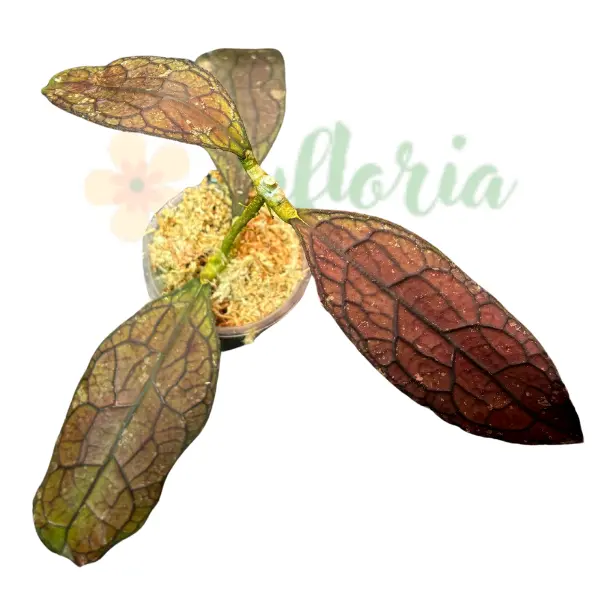
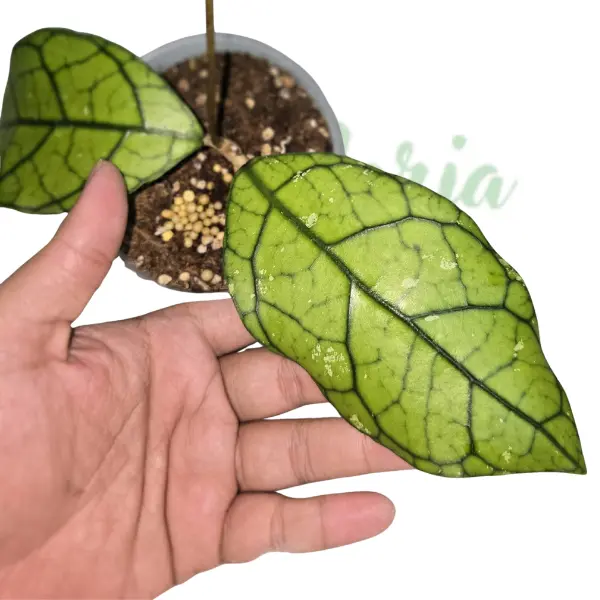
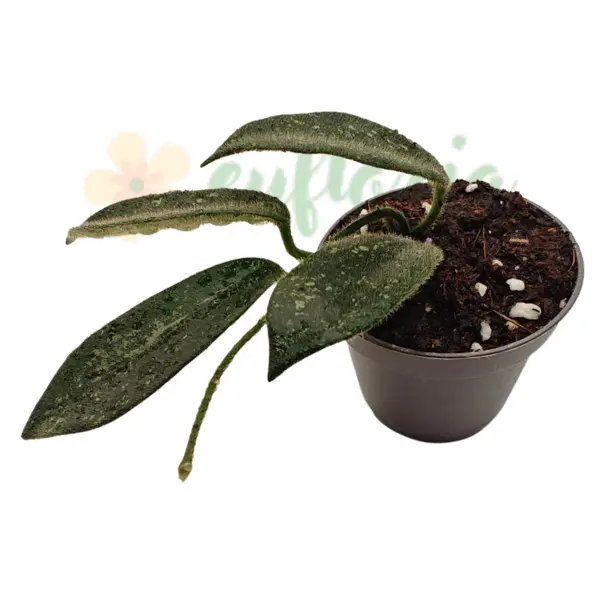
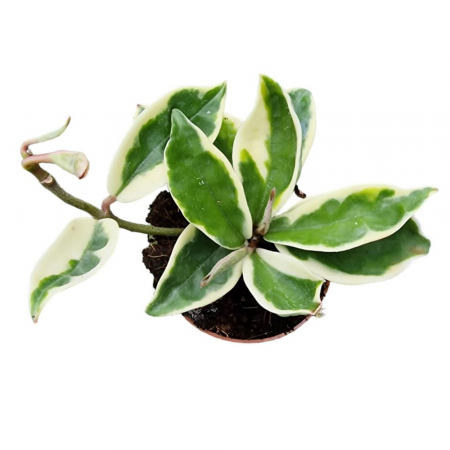
Hoya clemensiorum 'Dark Leaf' D10.5
![Hoya clemensiorum 'Dark Leaf' D10.5 [0]](https://gomagcdn.ro/domains2/eufloria.ro/files/product/medium/hoya-clemensiorum-dark-leaf-d12-615326.webp "Hoya clemensiorum 'Dark Leaf' D10.5 [0]")
![Hoya clemensiorum 'Dark Leaf' D10.5 [1]](https://gomagcdn.ro/domains2/eufloria.ro/files/product/medium/hoya-clemensiorum-dark-leaf-d12-330243.webp "Hoya clemensiorum 'Dark Leaf' D10.5 [1]")
![Hoya clemensiorum 'Dark Leaf' D10.5 [1]](https://gomagcdn.ro/domains2/eufloria.ro/files/product/original/hoya-clemensiorum-dark-leaf-d12-615326.webp "Hoya clemensiorum 'Dark Leaf' D10.5 [1]")
![Hoya clemensiorum 'Dark Leaf' D10.5 [2]](https://gomagcdn.ro/domains2/eufloria.ro/files/product/original/hoya-clemensiorum-dark-leaf-d12-330243.webp "Hoya clemensiorum 'Dark Leaf' D10.5 [2]")
Approx height (including pot): 15 cm
Flowering state: No flowers
- Description
- Characteristics
- Reviews (0)
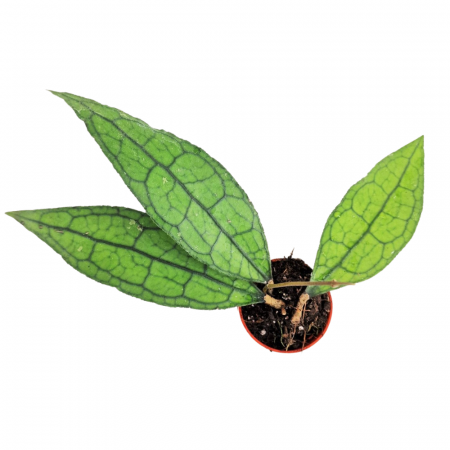
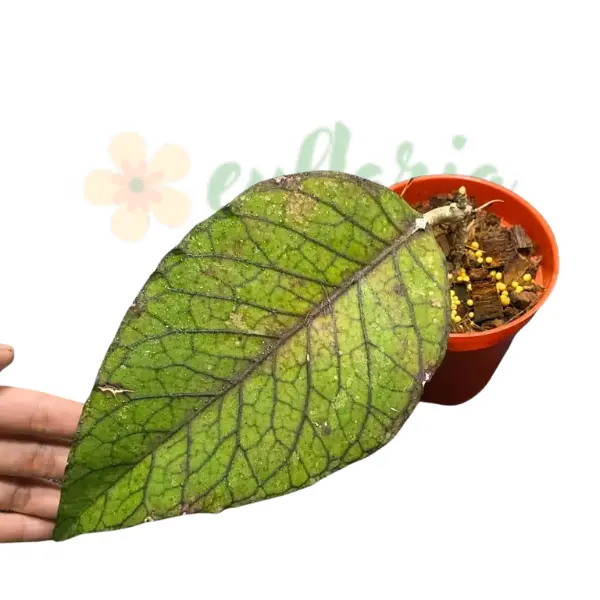
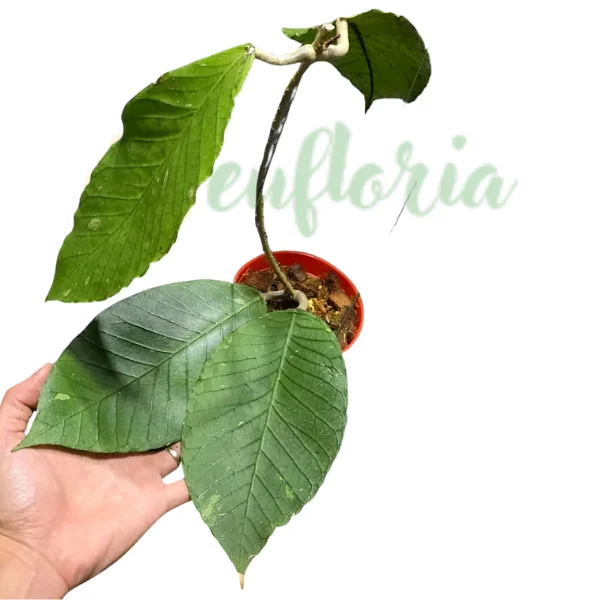
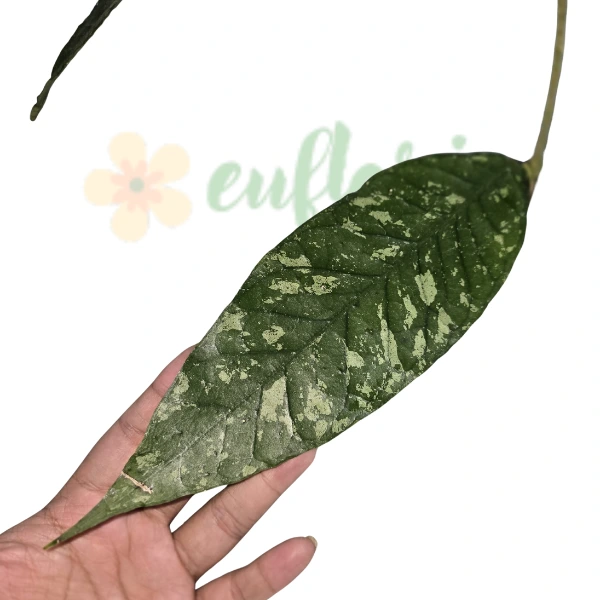
Hoya clemensiorum DARK LEAF is a selected form of one of the most visually dramatic and highly sought-after species in the Hoya genus. Where the standard Hoya clemensiorum already turns heads with its extraordinary leaf texture, the DARK LEAF form intensifies everything – deeper, darker foliage with even more pronounced venation contrast, creating leaves that look less like a houseplant and more like something carved from polished stone. This is a collector's Hoya in every sense: rare, slow-growing, utterly striking, and rewarding in ways that only patience can deliver.
The species Hoya clemensiorum was first collected by Ted Green at the Rafflesia Centre in Sabah, Malaysian Borneo, and formally described as Hoya clemensiorum (T.Green). The species epithet "clemensiorum" is the Latin genitive plural form, honouring botanists Joseph and Mary Strong Clemens for their extensive contributions to the study of Borneo's flora. In its natural habitat, this plant grows as a climbing epiphyte (a liana) in upper hill to lower montane tropical rainforests, typically along riverbanks, where it uses adventitious roots to scale tree trunks and reach the canopy crown. It belongs to the Finlaysonii Complex within the Hoya genus.
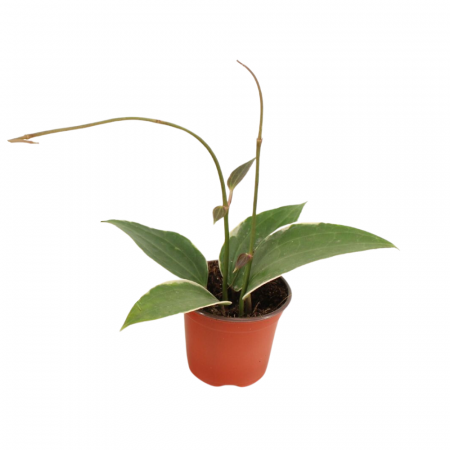
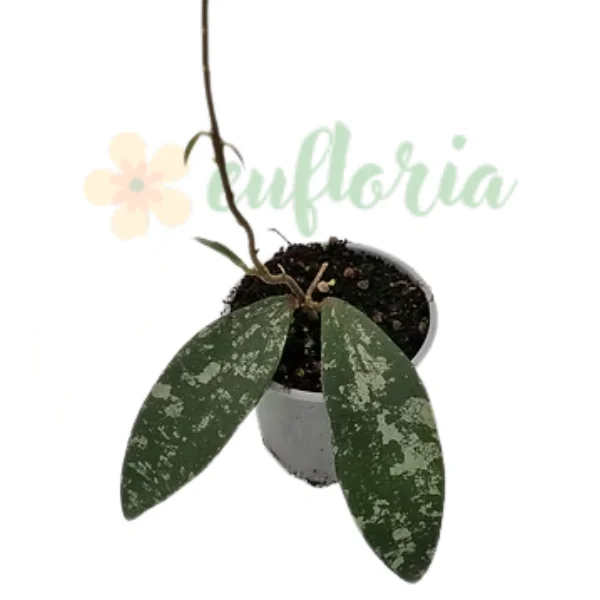
The foliage is the centrepiece. The leaves of the DARK LEAF form are elongated, lanceolate (dagger-shaped), thick, and leathery – measuring 15-26 cm long in cultivation, with exceptional specimens reaching even larger sizes. Vermont Hoyas documents a single leaf measuring 26 cm (over 10 inches). The base colour in this form is a deep, saturated dark green, noticeably darker than the standard clemensiorum. Against this dark canvas, the prominent raised veins create a striking network of even darker green to near-black lines that produce the distinctive "crocodile skin" or carved-stonework texture that has made this species a cult favourite among serious collectors. The leaf tips taper to a fine, attenuate point, and the margins are slightly serrated or rough-edged – what Steve's Leaves describes as "crisp edges" that give the plant an almost prehistoric appearance. New leaves emerge soft and somewhat lighter before darkening and stiffening into their mature leathery texture. The DARK LEAF form may also develop purple and red accents on the foliage, particularly under brighter light conditions – this sun-stress response is completely natural and adds another dimension to the already complex colouration.
The flowers, when they arrive, are equally special. Hoya clemensiorum produces clusters of 10-20 star-shaped waxy blooms per umbel from persistent peduncles. The corolla lobes are reflexed (bent backward) and cream-coloured at the centre, transitioning to brown-red or plum-purple at the edges. The corona is cream to white. Vermont Hoyas describes the flowers as having a beautiful "finlaysonii-like" quality. The fragrance is distinctive – variously described as musky, musky-citrus, or sweet, and most prominent during the evening hours. Flowering can persist for several weeks, and once established, mature plants can bloom multiple times per year from the same peduncles – never remove them after flowering.
Growth is slow. This is a truth that must be stated honestly, because it defines the experience of growing this plant. Vermont Hoyas reports only 2-4 new leaves per year, even on an established, healthy specimen. Steve's Leaves notes that the plant can grow surprisingly fast in the warm, humid environment of a greenhouse, but significantly slower in typical household conditions. The Gardening Collective confirms the pace: expect 3-4 new leaves per year indoors. This is not a plant for impatient growers – it is a plant for collectors who understand that the slow accumulation of each extraordinary leaf is itself the reward. Damage to mature leaves can be permanent, so handle with care.
Care Requirements:
- Light: Bright, indirect light is essential – at least 6 hours daily for optimal growth and eventual flowering. Tolerates filtered morning sun, but protect from harsh midday rays that can scorch the large leaves. Insufficient light causes weak, leggy growth and further slows an already slow grower. Grow lights are strongly recommended for supplementing natural light, especially during northern European winters. Steve's Leaves confirms this plant thrives under greenhouse lighting conditions.
- Water: Allow the top 2-3 cm of substrate to dry between waterings, then water deeply and thoroughly, allowing excess to drain completely. This species can tolerate brief dry periods but should not be chronically underwatered. Equally, overwatering is dangerous – Vermont Hoyas documents a near-fatal experience where consistently moist soil prevented water uptake and caused root decline. If the soil stays moist for too long without the plant drinking, check the roots immediately. Reduce watering in winter.
- Soil: Chunky, well-aerated, fast-draining substrate is critical. A mix of orchid bark, perlite, and coco coir or coconut chips provides excellent drainage and aeration. The substrate should resemble the epiphytic conditions of its natural habitat – loose, open, never waterlogged. Adding horticultural charcoal improves both drainage and disease prevention.
- Temperature: 20-28°C (68-82°F) is the ideal range. This is a warm-growing species that does not tolerate cold well. Avoid temperatures below 15°C (59°F). Protect from cold drafts, draughty windows, and sudden temperature fluctuations. Consistent warmth is one of the most important factors for keeping this Hoya healthy and growing.
- Humidity: 60-80% produces the best growth. This is a rainforest species from Borneo that evolved in consistently humid conditions. Average household humidity (40-50%) is tolerated but will further slow growth. A humidifier, greenhouse cabinet, or terrarium-style setup makes a significant difference. Good air circulation must accompany high humidity to prevent fungal issues.
- Feeding: Monthly with a balanced liquid fertilizer at half strength during the growing season. Use a low-nitrogen formula with adequate phosphorus and potassium, as recommended by Gabriella Plants, to encourage flowering on established plants. Avoid overfeeding – with only 2-4 new leaves per year, this plant processes nutrients slowly. Stop fertilizing in winter.
Botanical Info: Family: Apocynaceae | Genus: Hoya | Species: Hoya clemensiorum T.Green | Form: DARK LEAF (selected form with intensified dark foliage) | Common Names: Veined Leaf Wax Plant, Crocodile Hoya (informal) | Type: Epiphytic Climbing Vine (liana) | Origin: Sabah, Malaysian Borneo (tropical rainforests, upper hill to lower montane forests) | Finlaysonii Complex | Zone: USDA 11-13 (indoor cultivation in temperate climates) | Flowering: Reflexed, cream with plum-red edges, white corona, 10-20 per umbel, musky/citrus fragrance, evening-scented | Growth Rate: Slow (2-4 new leaves per year indoors)
Lungime: 10 cm
Greutate (kg): 1 Kg
Denumire: Hoya
Diametru: 10.5 cm
Cerințe lumină: Partial umbra
Tip plantă: Decorative
Utilizare: Interior
Tip suport: Ghiveci
Material Suport: Plastic
Recommendations
Ai nevoie și de un ghiveci decorativ?