EN/
EN/ Romana
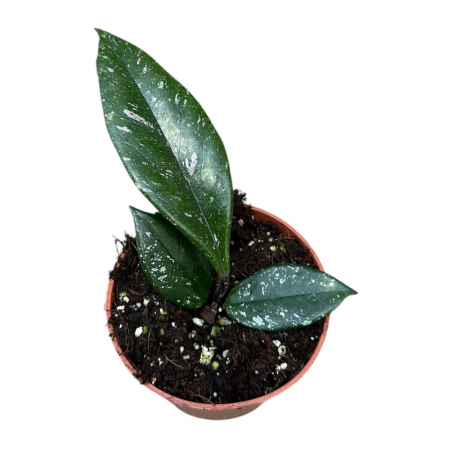
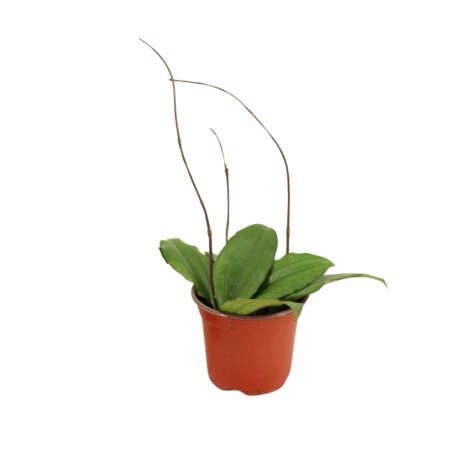
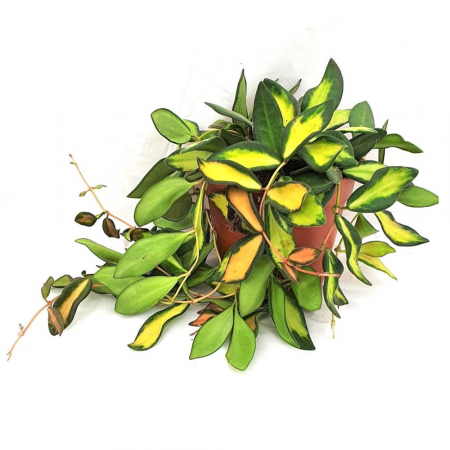
Hoya carnosa 'Compacta Variegata' (Regalis) Ø9cm
![Hoya carnosa 'Compacta Variegata' [0]](https://gomagcdn.ro/domains2/eufloria.ro/files/product/medium/hoya-carnosa-compacta-variegata-regalis-d10-5-518051.webp "Hoya carnosa 'Compacta Variegata' [0]")
![Hoya carnosa 'Compacta Variegata' [1]](https://gomagcdn.ro/domains2/eufloria.ro/files/product/medium/hoya-carnosa-compacta-variegata-regalis-d10-5-729225.webp "Hoya carnosa 'Compacta Variegata' [1]")
![Hoya carnosa 'Compacta Variegata' [1]](https://gomagcdn.ro/domains2/eufloria.ro/files/product/original/hoya-carnosa-compacta-variegata-regalis-d10-5-518051.webp "Hoya carnosa 'Compacta Variegata' [1]")
![Hoya carnosa 'Compacta Variegata' [2]](https://gomagcdn.ro/domains2/eufloria.ro/files/product/original/hoya-carnosa-compacta-variegata-regalis-d10-5-729225.webp "Hoya carnosa 'Compacta Variegata' [2]")
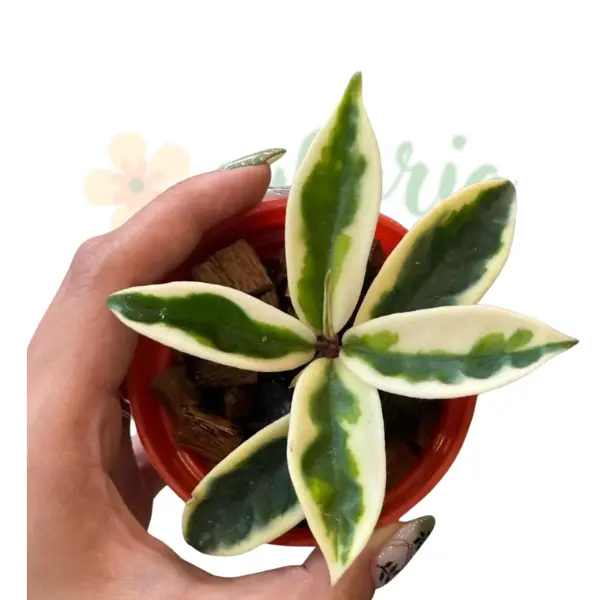
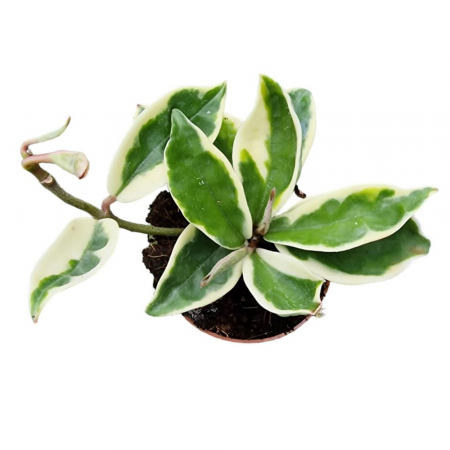
Hoya carnosa 'Compacta Variegata' (Regalis) – spectacular variety with twisted, fleshy leaves featuring creamy and pink margins. Fragrant pink waxy star-shaped flowers. Slow-growing, ideal for hanging. Prefers bright indirect light and well-drained substrate. Non-toxic plant.
Approx height (including pot): 15 cm
Flowering state: No flowers
- Description
- Characteristics
- Reviews (0)
- FAQ
🌿 Hoya carnosa 'Compacta Variegata' (Regalis) – Twisted Leaves with Creamy Margins
Hoya carnosa 'Compacta Variegata', also known as Regalis, is one of the most coveted varieties in the Hoya genus. This epiphytic plant from the Apocynaceae family stands out with its thick, fleshy, twisted and undulating leaves featuring spectacular creamy variegation that gives it a braided rope appearance unique in the world of houseplants.
🌍 Origins and Botanical History
Hoya carnosa is native to East Asia and Australia, where it grows as an epiphyte in tropical and subtropical forests. The 'Compacta' form (also known as "Hindu Rope") is distinguished by its tightly curled leaves, while the 'Variegata' (Regalis) variant adds creamy or pink margins, the result of natural mutations selected by growers. It is one of the oldest and most popular Hoya species in ornamental cultivation.
🌿 Leaves – Charming Variegated Spirals
The leaves are the main feature of this plant. Thick, fleshy, and tightly undulated, they wrap around the stem creating the characteristic "rope" appearance. The variegation manifests as creamy white to pink margins, beautifully contrasting with the green center of the leaves. Variegation intensity varies depending on light conditions – bright indirect light enhances the colors.
🌸 Flowers – Fragrant Waxy Star Bouquets
The flowers are grouped in spherical umbels, composed of small star-shaped blooms in light pink with burgundy-red centers, covered with a glossy waxy layer. The fragrance is sweet and intense, especially in the evening. Flowering can last several weeks, and the floral peduncles should not be removed, as the plant will bloom again from the same points.
🌱 Growth Habit and Care
Hoya carnosa 'Compacta Variegata' grows slowly, forming long vines with tightly curled leaves. It prefers bright indirect light, a very well-drained substrate based on bark, perlite, and coconut coir, and moderate watering – the substrate should dry almost completely between waterings. Medium to high humidity is beneficial. Ideal temperatures: 16-28°C (61-82°F). This variegated variety grows slower than the green form and is more sensitive to overwatering.
Lungime: 15 cm
Greutate (kg): 0.5 Kg
Denumire: Hoya
Diametru: 9 cm
Cerințe lumină: Partial umbra
Tip plantă: Decorative
Utilizare: Interior
Tip suport: Ghiveci
Material Suport: Plastic
How difficult is it to care for a Hoya carnosa 'Compacta Variegata'?
Hoya carnosa 'Compacta Variegata', also known as Variegated Hindu Rope, is a relatively easy plant to care for, suitable for beginners with little experience. It requires bright indirect light to maintain its spectacular variegation, moderate watering (every 7-10 days in summer and every 2-3 weeks in winter), and prefers to be slightly neglected rather than over-watered. The main challenge is not to overwater it, as it has succulent leaves that store water.
Why are my variegated leaves turning completely green?
Loss of variegation in Hoya carnosa 'Compacta Variegata' is almost always caused by a lack of light. This variety requires bright indirect light to maintain the creamy white or pink contrast on the leaves. If the plant receives too little light, it will produce more chlorophyll to compensate, resulting in greener leaves. Move the plant to an east or southwest-facing window, 1-2 meters away, or use artificial LED grow lighting for at least 10-12 hours per day.
How fast does Hoya 'Compacta Variegata' grow compared to the green variety?
Hoya carnosa 'Compacta Variegata' grows significantly slower than the all-green variety, as the white or cream portions of the leaves cannot photosynthesize. Under optimal conditions, you can expect 10-15 cm of growth per year, compared to 20-30 cm for the green variety. Growth is most active in spring and summer, when the plant can produce 2-4 new leaves per shoot. Patience is essential with this spectacular variety - the beauty of the variegation makes up for the slower growth rate.
Can I propagate Hoya carnosa 'Compacta Variegata' and will it retain the variegation?
Yes, you can successfully propagate Hoya carnosa 'Compacta Variegata' by stem cuttings, and the new plants will retain the variegation if you use cuttings with enough variegated portions. Choose a stem section with at least 2-3 nodes and make sure it includes leaves with good variegation (not just green). Completely white cuttings will not survive as they cannot photosynthesize. Rooting is done in water or moist substrate and takes 4-8 weeks. Avoid completely green cuttings if you want to preserve the variegated character of the plant.
Why are Hoya 'Compacta Variegata' leaves turning yellow or soft?
Yellow or soft leaves on Hoya carnosa 'Compacta Variegata' usually indicate overwatering or root rot. This variety has succulent leaves that store water and prefer to dry out between waterings. If the substrate remains constantly wet, the roots can no longer breathe and begin to rot. Check the soil moisture by inserting a finger 5 cm deep - water only when dry. If you suspect root rot, remove the plant from the pot, remove the soft, brown roots, and replant in fresh, well-drained substrate.
Does Hoya 'Compacta Variegata' need a support to climb?
Hoya carnosa 'Compacta Variegata' can be grown as a climbing plant or on a vertical support, depending on your aesthetic preferences. Its dense, twisted leaves create a spectacular 'rope' effect when left hanging freely from a hanging basket or pot on a shelf. Alternatively, you can provide a circular support (circle) or trellis for a more compact and sculpted shape. It does not use aggressive aerial roots, so it will not cling on its own - you will need to guide and gently attach the shoots to the support with clips or delicate ribbon.
When will Hoya carnosa 'Compacta Variegata' bloom and what do the flowers look like?
Hoya carnosa 'Compacta Variegata' produces spectacular spherical clusters of fragrant, waxy, pink-purple flowers with a white center, typical of the carnosa species. Flowering usually occurs in summer (June-August) when the plant is mature (2-3 years) and receives sufficient light. The flowers emit a sweet vanilla or chocolate scent, more intense at night, and produce nectar. To encourage flowering, provide bright light, leave the plant slightly root-bound (tied in the pot), do not cut the peduncles (flower stalks) after flowering as they will bloom again from the same spot.
Is Hoya carnosa 'Compacta Variegata' toxic to pets?
Hoya carnosa 'Compacta Variegata' is generally considered nontoxic to dogs, cats, and children, according to the ASPCA and the literature. However, as with most plants, ingestion of large amounts may cause minor stomach upset, nausea, or vomiting due to the saponin content. The plant's sap may cause mild skin irritation in sensitive individuals. As a precaution, keep the plant out of direct reach of curious pets and wash your hands after handling, especially if you have sensitive skin.
How do I care for a Hoya plant?
Hoya plants prefer bright indirect light, moderate watering (allow the soil to dry between waterings) and temperatures between 18-27°C (65-80°F). Provide well-draining substrate and higher humidity for optimal growth.
When does Hoya bloom?
Hoya typically blooms in spring and summer, producing waxy, fragrant flowers. Do not cut the peduncles after flowering, as the plant will bloom again from the same stalks.
How often should I water my Hoya?
Water your Hoya when the top layer of soil (2-3 cm) has dried completely. In summer, this usually means once a week, and in winter every 2-3 weeks. Avoid overwatering.
Is Hoya toxic to pets?
Hoya is generally considered non-toxic to dogs and cats. However, ingestion of any plant may cause mild gastric discomfort, so it is recommended to keep the plant away from pets.
How do I propagate Hoya?
Hoya can be propagated through stem cuttings with 2-3 nodes. Place the cuttings in water or moist substrate and wait 2-6 weeks for rooting. Higher humidity helps the process.
Recommendations
Ai nevoie și de un ghiveci decorativ?