EN/
EN/ Romana
Hoya deykeae Ø8cm
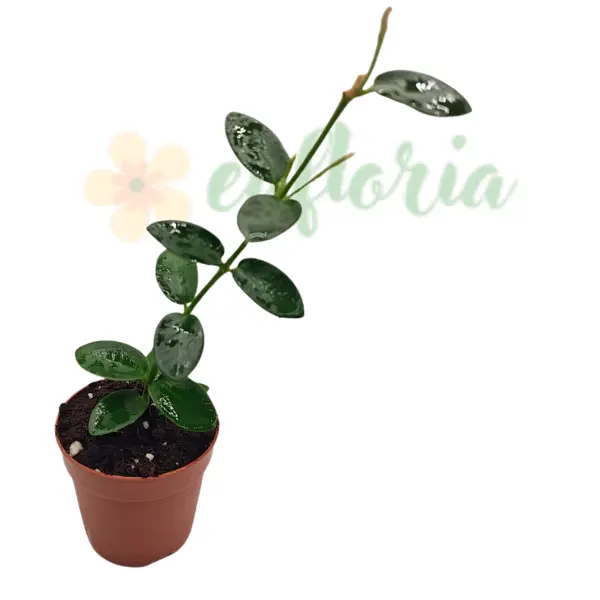
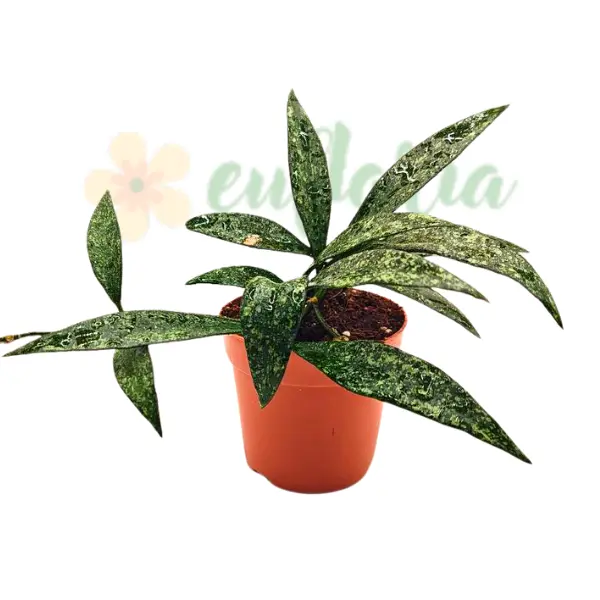
![Hoya deykeae - rare plant with green leaves adorned with spectacular silver spots [0]](https://gomagcdn.ro/domains2/eufloria.ro/files/product/medium/hoya-sp-png-sv-432-copie-355387.webp "Hoya deykeae - rare plant with green leaves adorned with spectacular silver spots [0]")
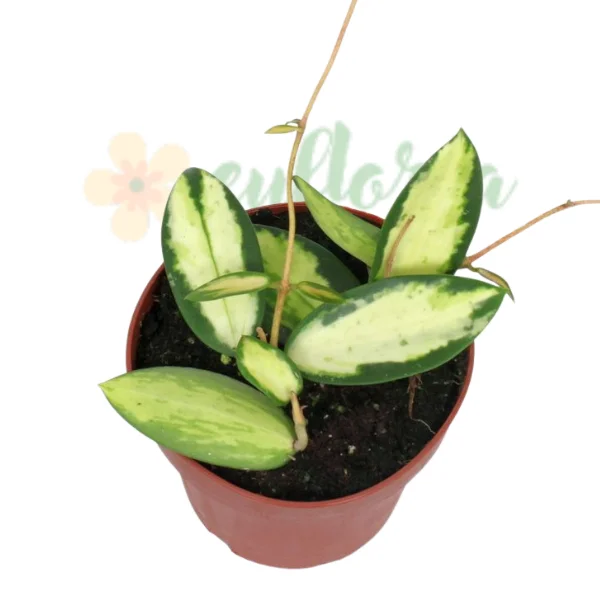
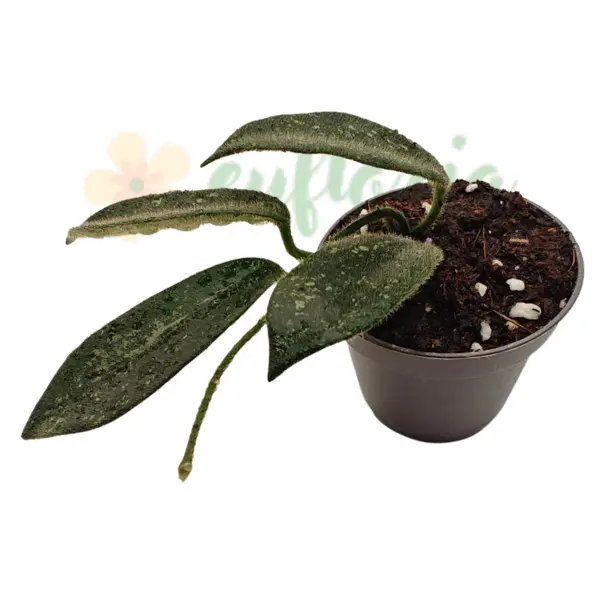
![Hoya deykeae - rare plant with green leaves adorned with spectacular silver spots [1]](https://gomagcdn.ro/domains2/eufloria.ro/files/product/medium/hoya-deykeae-d8cm-857035.webp "Hoya deykeae - rare plant with green leaves adorned with spectacular silver spots [1]")
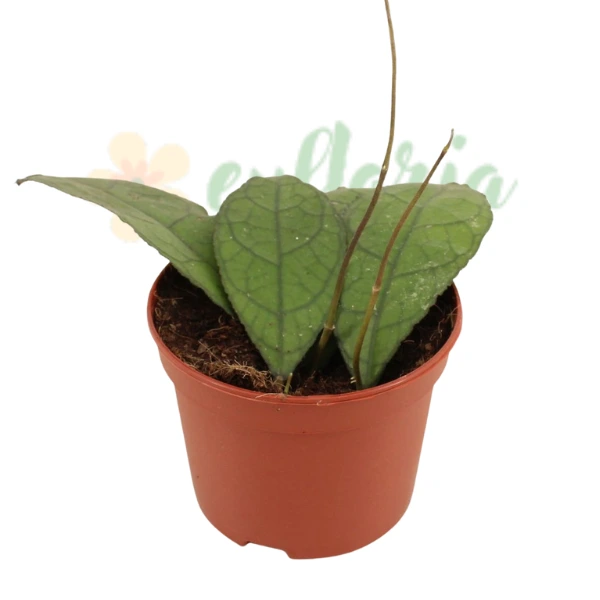
![Hoya deykeae - rare plant with green leaves adorned with spectacular silver spots [2]](https://gomagcdn.ro/domains2/eufloria.ro/files/product/medium/hoya-deykeae-d8cm-983981.webp "Hoya deykeae - rare plant with green leaves adorned with spectacular silver spots [2]")
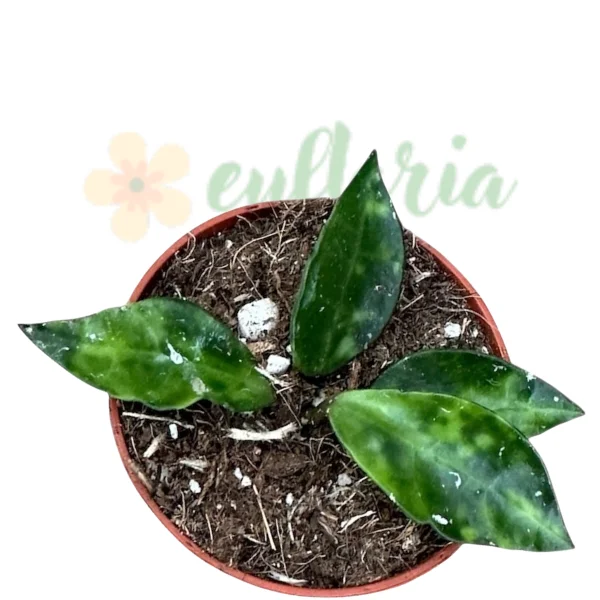
![Hoya deykeae - rare plant with green leaves adorned with spectacular silver spots [3]](https://gomagcdn.ro/domains2/eufloria.ro/files/product/medium/hoya-deykeae-d8cm-434548.webp "Hoya deykeae - rare plant with green leaves adorned with spectacular silver spots [3]")
![Hoya deykeae - rare plant with green leaves adorned with spectacular silver spots [1]](https://gomagcdn.ro/domains2/eufloria.ro/files/product/original/hoya-sp-png-sv-432-copie-355387.webp "Hoya deykeae - rare plant with green leaves adorned with spectacular silver spots [1]")
![Hoya deykeae - rare plant with green leaves adorned with spectacular silver spots [2]](https://gomagcdn.ro/domains2/eufloria.ro/files/product/original/hoya-deykeae-d8cm-857035.webp "Hoya deykeae - rare plant with green leaves adorned with spectacular silver spots [2]")
![Hoya deykeae - rare plant with green leaves adorned with spectacular silver spots [3]](https://gomagcdn.ro/domains2/eufloria.ro/files/product/original/hoya-deykeae-d8cm-983981.webp "Hoya deykeae - rare plant with green leaves adorned with spectacular silver spots [3]")
![Hoya deykeae - rare plant with green leaves adorned with spectacular silver spots [4]](https://gomagcdn.ro/domains2/eufloria.ro/files/product/original/hoya-deykeae-d8cm-434548.webp "Hoya deykeae - rare plant with green leaves adorned with spectacular silver spots [4]")
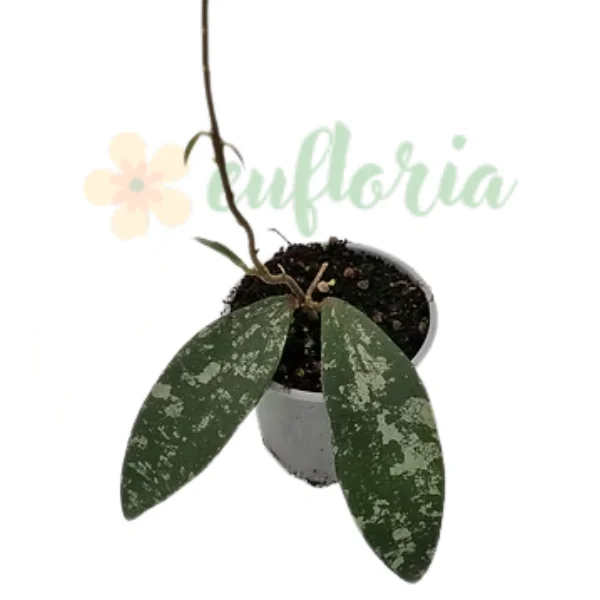
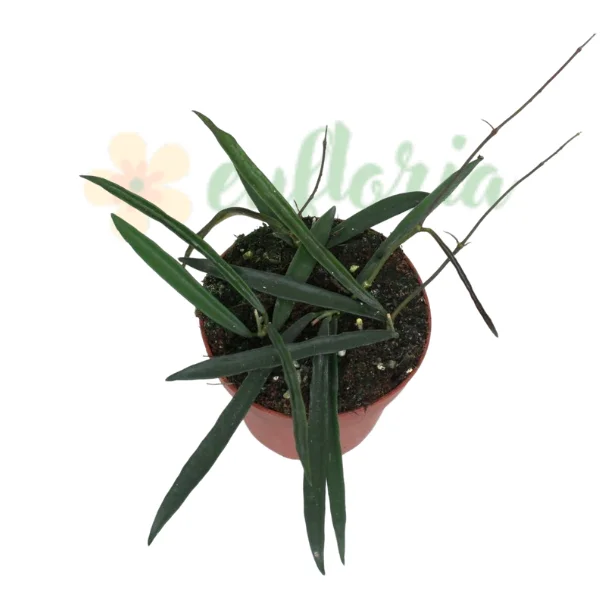
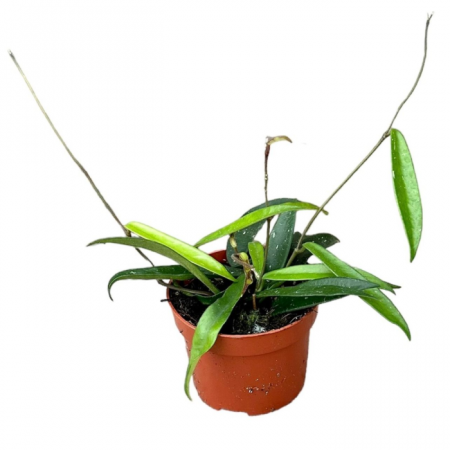
Hoya deykeae is a rare Hoya species from the Apocynaceae family, prized for its thick, waxy, deep green leaves adorned with spectacular silver spots and splashes. It grows as a climber, developing elegant branches ideal for hanging baskets or supports. A collector's plant that fascinates with the unique metallic effect of its foliage.
Note: Product images are for guidance only. Due to different batches of imported products, there may be differences between the images on the website and the actual appearance of the products.
Approx height (including pot): 10 cm
Flowering state: No flowers
Country of origin: Netherlands
Pot diameter: (no pot)
- Description
- Characteristics
- Reviews (0)
- FAQ
🌿 A Botanical Rarity Painted in Silver
Hoya deykeae stands as one of the most sought-after and rare species within the vast Hoya genus, a genuine treasure for collectors who appreciate the extraordinary artistry of nature. Each leaf is a masterpiece of living art – deep green adorned with scattered silver splashes and speckles that catch the light in mesmerising ways. This fascinating species belongs to the Apocynaceae family and represents a relatively recent discovery in the world of horticulture, making it even more precious for those who seek truly special and extraordinary plants for their collections.
Discovered in the tropical regions of Southeast Asia, Hoya deykeae rapidly gained notoriety among rare plant enthusiasts thanks to the spectacular decorative quality of its foliage. Unlike many other Hoya species that are primarily admired for their fragrant flowers, deykeae captivates above all through the exceptional ornamental quality of its leaves, with each specimen bearing a unique pattern of silver markings that intensify or shift depending on lighting conditions and the maturity of the plant.
This is a plant that invites contemplation – light falling upon its leaves creates subtle metallic reflections, a dance of silver and green that shifts throughout the day. For lovers of exotic plants, Hoya deykeae is not merely a collection specimen but a living presence that transforms any space into a corner of refined tropical jungle.
🌍 Origin and Botanical History
Hoya deykeae is a species within the genus Hoya, family Apocynaceae (subfamily Asclepiadoideae), described relatively recently in botanical literature. The genus Hoya encompasses over 500 species, the vast majority native to tropical and subtropical Asia, Australia, and the Pacific Islands. The genus name honours the memory of Thomas Hoy (1750–1822), the gardener of the Duke of Northumberland at Syon House, who first cultivated these plants in European greenhouses.
Hoya deykeae originates from the humid tropical regions of Southeast Asia, where it grows as an epiphyte in rainforest environments at low to medium altitudes. In its natural habitat, the plant clings to tree trunks and canopy branches, absorbing moisture from the water-vapour-saturated tropical air. Its aerial roots allow it to anchor firmly onto tree bark, while the thick, waxy leaves retain the water necessary for survival during drier periods.
The etymology of the specific name "deykeae" pays homage to a person within the botanical or horticultural community, following the tradition of naming new species after researchers, collectors, or patrons of natural sciences. This naming practice reflects the close bond between botanical science and the individual passion that has led to the discovery and classification of so many new species.
🌱 The Foliage
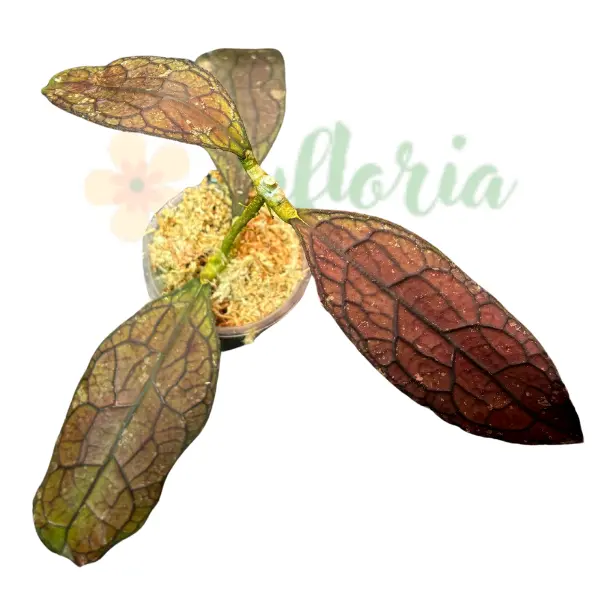
The leaves represent the primary attraction of Hoya deykeae and the reason why this plant is so coveted by collectors worldwide. Each leaf displays an oval-lanceolate shape, measuring approximately 5-8 cm in length and 2-4 cm in width, with a thick, fleshy, slightly waxy texture characteristic of the Hoya genus. The upper surface presents a rich, deep green base over which silver spots and splashes are dispersed, creating a spectacular "splash" effect that is utterly unique to each individual leaf.
The silver pattern is unique to every leaf – no two are identical, transforming each plant into a one-of-a-kind collector's piece. The markings range from small, brilliant points to larger areas of silver that can cover a significant portion of the leaf surface. Under direct or strong indirect light, these silver zones acquire a fascinating metallic sheen that gives the impression the leaves have been painted with liquid metallic paint. The veins are fine, slightly visible on the underside of the leaf, forming a delicate reticulate pattern.
The waxy texture of the leaves is not merely decorative – it is an evolutionary adaptation that helps the plant reduce water loss through evapotranspiration. This characteristic makes Hoya deykeae a surprisingly resilient plant for its exotic appearance, tolerating short periods of watering neglect without suffering significant damage. As leaves mature, the silver pattern may intensify, and new leaves emerge with a slightly pinkish-bronze tint before fully developing their definitive colouration.
🌸 The Flowers
Like all Hoya species, deykeae produces inflorescences in the form of umbels – spherical clusters of small, waxy flowers that appear sculpted from fine porcelain. The flowers are delicate, with waxy petals in shades of creamy white with a pink or reddish centre, arranged in the form of a perfect five-pointed star. Each individual flower measures approximately 1-1.5 cm in diameter, and the complete umbel can contain between 10 and 25 flowers tightly grouped together.
The fragrance of the flowers is one of the most delightful aspects of the species – sweet, slightly honeyed, with floral notes that intensify during the evening and night hours, when the plant attracts its natural pollinators – particularly moths and nocturnal insects. The nectar produced by the flowers is abundant, forming small, glossy droplets visible to the naked eye, which add an extra element of charm.
To achieve flowering in indoor cultivation, Hoya deykeae requires strong indirect light, sufficient maturity (usually 2-3 years from rooting), and a watering regime that allows the substrate to partially dry between waterings. It is important to note that flower peduncles should never be cut after the blooms wilt, as Hoya reflowers on the same peduncles in subsequent seasons – cutting them eliminates the potential for reblooming.
🌱 Growth Habit and Development
Hoya deykeae exhibits a climbing-twining growth habit, typical of many species in the genus, developing long, flexible branches that can be trained on a support, trellis, or left to cascade from a hanging basket. Growth is moderate, with new leaves appearing at regular intervals along the main branches. The plant tends to develop nodes from which aerial roots emerge, used to anchor itself to available support structures.
Growth rate is directly influenced by environmental conditions – under optimal light, temperature, and humidity, the plant can produce several sets of new leaves throughout a growing season. Compared to other Hoya species such as H. carnosa or H. pubicalyx, which are vigorous and fast-growing, deykeae maintains a more measured pace, making it suitable for smaller spaces where controlled growth is desirable.
- Light: Bright, indirect light. Brightness directly influences the intensity of the silver markings – the more light the plant receives (without scorching direct sun), the more pronounced the silver pattern becomes. An east or west-facing window is ideal.
- Temperature: 18-28°C optimal, minimum 15°C. Does not tolerate cold draughts or sudden temperature fluctuations. In winter, maintaining a consistent temperature of at least 16-18°C ensures plant health.
- Watering: Allow the substrate to partially dry between waterings. Check with your finger – if the top 2-3 cm are dry, it is time to water. In winter, reduce frequency by half. Avoid water accumulation in the saucer.
- Humidity: 60-80% ideal. Benefits from regular leaf misting or placement on a tray of wet pebbles. A humidifier near the plant can work wonders during the cold season.
- Substrate: Well-draining mix: 40% perlite, 30% pine bark, 20% coconut coir, 10% activated charcoal. The substrate must be airy and must not retain excess water. A specific epiphyte or orchid mix works excellently.
- Fertilisation: Balanced liquid fertiliser (20-20-20) diluted to half strength, once a month during the active growth period (April-September). Do not fertilise in winter.
- Propagation: Through stem cuttings with at least 2 nodes, in water or in a perlite-sphagnum mix. Optimal period: spring-summer. Rooting takes 3-6 weeks in warm, humid conditions.
Lungime: 10 cm
Greutate (kg): 0.25 Kg
Denumire: Hoya
Diametru: 8 cm
Cerințe lumină: Strong, indirect light
Tip plantă: Decorative
Utilizare: Interior
Tip suport: Ghiveci
Material Suport: Plastic
Is Hoya deykeae toxic to cats and dogs?
No, Hoya deykeae is not toxic to cats, dogs, or other household pets. The ASPCA confirms that the Hoya genus is non-toxic. The milky sap may cause minor skin irritation in sensitive individuals, but the plant is safe around pets and children.
Why is Hoya deykeae so expensive?
Hoya deykeae is expensive for several reasons: it's a relatively new species in cultivation and still rare in horticultural trade. Demand far exceeds supply, as Hoya collectors worldwide seek this species for its exceptional silver-spotted foliage. Propagation is slow – plants grow moderately and producing commercial-sized cuttings takes time. Limited availability from specialist nurseries maintains the premium price. As more growers begin producing it, prices will gradually decrease, but currently it remains one of the most valuable Hoya species.
How do I care for Hoya deykeae to maintain the silver spots?
The silver spots are a permanent genetic trait, but their maximum expression depends on conditions: provide bright indirect light – this is the key to shimmering silver. Maintain humidity between 50-70%. Water when the top 2-3 cm of substrate are dry. Use a well-draining substrate (orchid bark, perlite, coco coir). Fertilize lightly during the growing season. Avoid direct sun which can burn the leaves, and low light which diminishes the silver shimmer. With consistent care, each new leaf will have a spectacular silver pattern.
How fast does Hoya deykeae grow?
Hoya deykeae has a moderate growth rate. Under optimal conditions (bright indirect light, 50-70% humidity, 20-28°C temperature), the plant will produce several new leaves per month during the growing season (spring-summer). Growth slows considerably in winter. Being a trailing plant, stems will gradually elongate and can be trained on a support or left to cascade. Patience is important – this species won't grow quickly, but each new leaf will be a visual prize with its unique silver spots.
What is the best substrate for Hoya deykeae?
As a tropical epiphyte, Hoya deykeae needs a substrate that mimics natural conditions: airy, well-draining, but capable of retaining some moisture. The best mix combines: orchid bark (for aeration and drainage), perlite (for extra drainage), and coco coir or sphagnum (for moderate moisture retention). A ratio of approximately 40% bark, 30% perlite, 30% coco coir works excellently. Alternatively, a commercial orchid mix is a good option. Some growers successfully use LECA (semi-hydroponics). Avoid dense, peat-based soil that retains too much water and can cause root rot.
Ai nevoie și de un ghiveci decorativ?