EN/
EN/ Romana
Zamioculcas zamiifolia 'Zenzi' D9
![Zamioculcas zamiifolia 'Zenzi' [0]](https://gomagcdn.ro/domains2/eufloria.ro/files/product/medium/zamioculcas-zamiifolia-zenzi-d9-120375.webp "Zamioculcas zamiifolia 'Zenzi' [0]")
![Zamioculcas zamiifolia 'Zenzi' [1]](https://gomagcdn.ro/domains2/eufloria.ro/files/product/medium/zamioculcas-zamiifolia-zenzi-d9-923919.webp "Zamioculcas zamiifolia 'Zenzi' [1]")
![Zamioculcas zamiifolia 'Zenzi' [2]](https://gomagcdn.ro/domains2/eufloria.ro/files/product/medium/zamioculcas-zamiifolia-zenzi-d9-851042.webp "Zamioculcas zamiifolia 'Zenzi' [2]")
![Zamioculcas zamiifolia 'Zenzi' [3]](https://gomagcdn.ro/domains2/eufloria.ro/files/product/medium/zamioculcas-zamiifolia-zenzi-d9-924752.webp "Zamioculcas zamiifolia 'Zenzi' [3]")
![Zamioculcas zamiifolia 'Zenzi' [1]](https://gomagcdn.ro/domains2/eufloria.ro/files/product/original/zamioculcas-zamiifolia-zenzi-d9-120375.webp "Zamioculcas zamiifolia 'Zenzi' [1]")
![Zamioculcas zamiifolia 'Zenzi' [2]](https://gomagcdn.ro/domains2/eufloria.ro/files/product/original/zamioculcas-zamiifolia-zenzi-d9-923919.webp "Zamioculcas zamiifolia 'Zenzi' [2]")
![Zamioculcas zamiifolia 'Zenzi' [3]](https://gomagcdn.ro/domains2/eufloria.ro/files/product/original/zamioculcas-zamiifolia-zenzi-d9-851042.webp "Zamioculcas zamiifolia 'Zenzi' [3]")
![Zamioculcas zamiifolia 'Zenzi' [4]](https://gomagcdn.ro/domains2/eufloria.ro/files/product/original/zamioculcas-zamiifolia-zenzi-d9-924752.webp "Zamioculcas zamiifolia 'Zenzi' [4]")
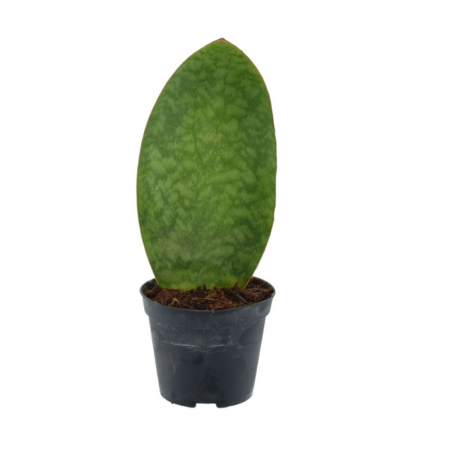
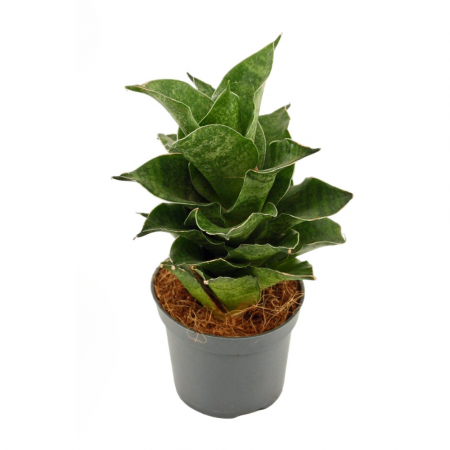
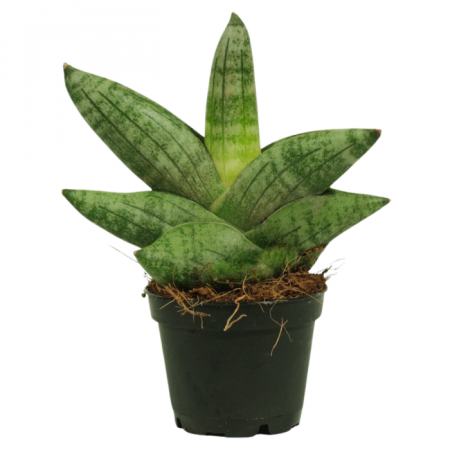
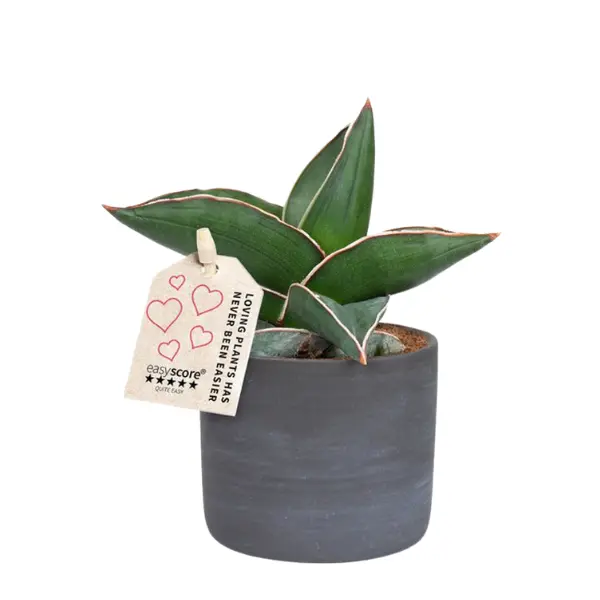
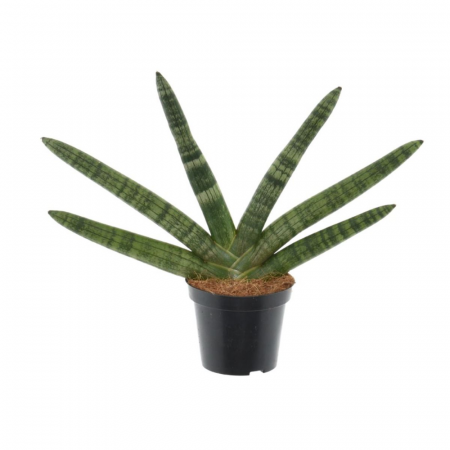
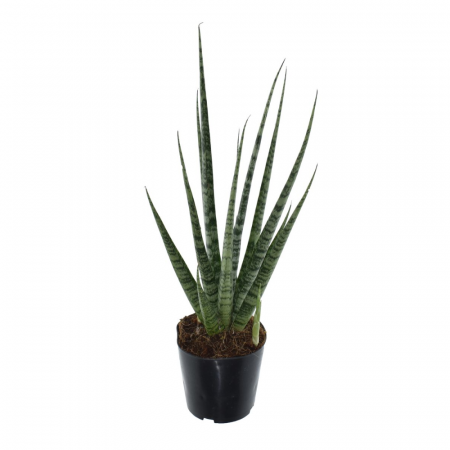
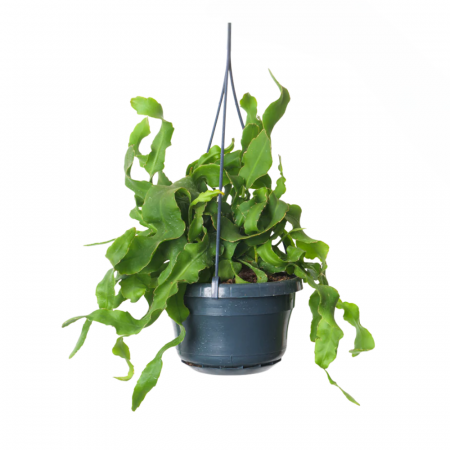
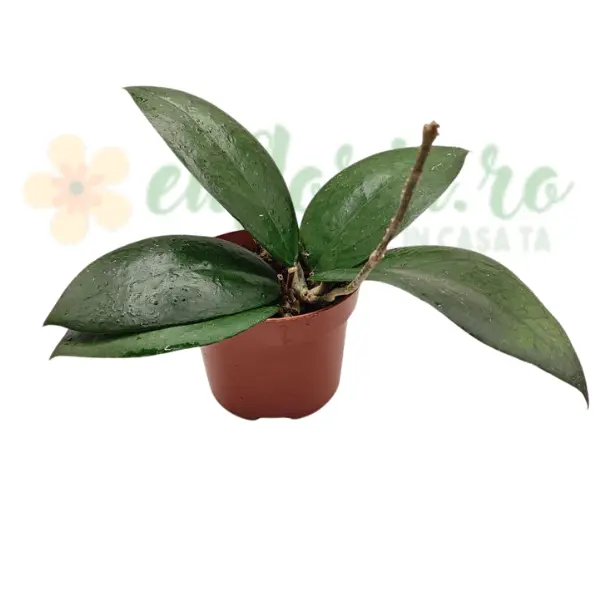
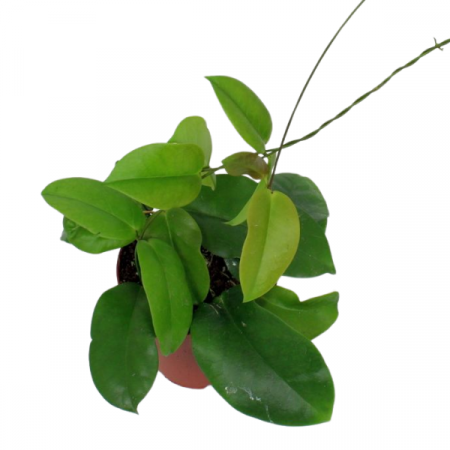
Zamioculcas zamiifolia 'Zenzi' is a compact and rare variety of ZZ plant, known for its small, glossy, arched leaves, ideal for modern spaces that want a hardy and distinctive indoor plant.
Approx height (including pot): 20 cm
Country of origin: Denmark
Pot diameter: 9 cm
- Description
- Characteristics
- Reviews (0)
- FAQ
Zamioculcas zamiifolia 'Zenzi' – elegant and compact for indoor use
🌿 Zamioculcas zamiifolia 'Zenzi' is a special version of the well-known ZZ plant, appreciated for its compact habit and rich, deep green leaves. Its elegant appearance and small size make it suitable for both apartments and offices.
Special features
✔️ Compact shape, with smaller and denser leaves than the classic variety.
✔️ Glossy, arched leaves give it a lush and refined appearance.
✔️ Slow growth, ideal for limited spaces.
✔️ One of the most resistant indoor plants, tolerant to drought and low light.
🔖 Associated names or codes
Scientific name: Zamioculcas zamiifolia 'Zenzi'
Common name: ZZ plant 'Zenzi', dwarf Zamioculcas
Care instructions
☀️ Light: Prefers bright locations, but tolerates partial shade.
💧 Watering: Water rarely, only when the soil is completely dry.
🌱 Soil: Well-drained substrate, recommended mixture for succulents.
🏡 Care: Very easy to care for, ideal for busy people or beginners.
🌸 Special feature: It has thick rhizomes that store water and make it highly resistant to periods of drought.
Zamioculcas zamiifolia 'Zenzi' is an excellent choice for those looking for a compact, elegant, and extremely easy-to-care-for plant. It is perfect for decorating modern interiors, adding a touch of greenery and refinement.
Lungime: 10 cm
Greutate (kg): 0.5 Kg
Denumire: Zamioculcas
Diametru: 9 cm
Cerințe lumină: Partial umbra
Tip plantă: Decorative
Utilizare: Interior
Tip suport: Ghiveci
Material Suport: Plastic
Can ZZ 'Zenzi' tolerate low light?
Yes. It is one of the indoor plants that tolerates low light best, although it grows faster in medium indirect light.
How often should it be watered?
Rarely. Usually once every 2–4 weeks, depending on the season. The substrate must be completely dry before the next watering.
Is it toxic to children or pets?
Yes. Like the common Zamioculcas, it is considered toxic if ingested. Direct contact with the sap may irritate sensitive skin.
How big can the 'Zenzi' form become?
It is a compact variety and does not reach the dimensions of the standard form. It usually remains below 40–50 cm in height.
Does it need frequent fertilization?
No. Light fertilization during the warm season, once a month, is sufficient.
Can it be cut to control the shape?
Yes. Pruning is rarely necessary, but can be done to remove yellowed leaves or to maintain a compact shape.
Is it suitable for beginners?
Absolutely. It is one of the easiest indoor plants to care for, thanks to its high tolerance for neglect.
Does it produce flowers indoors?
Yes, but rarely. The flowers are inconspicuous and are not the main reason why the plant is cultivated.
Recommendations