
 EN/
EN/ Romana
Hoya Sp Putri Betung
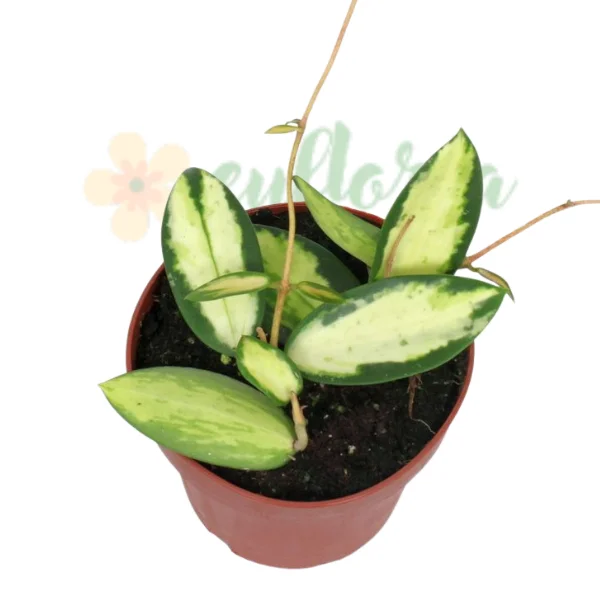
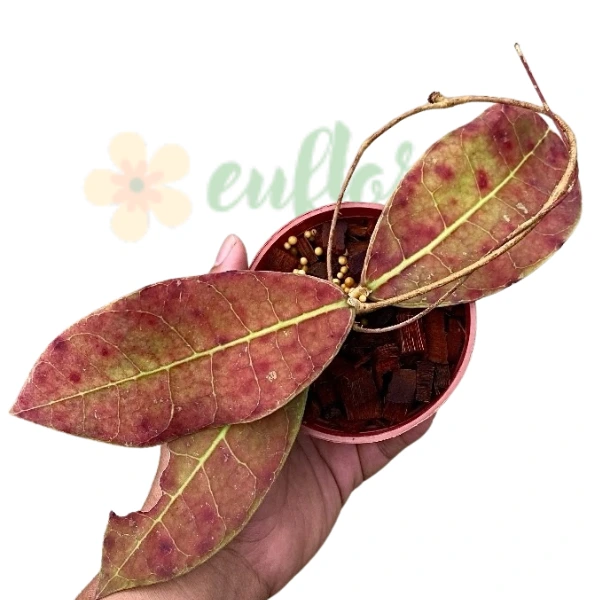
![Hoya Sp Putri Betung [1]](https://gomagcdn.ro/domains2/eufloria.ro/files/product/original/hoya-obscura-albo-copie-153282.webp "Hoya Sp Putri Betung [1]")
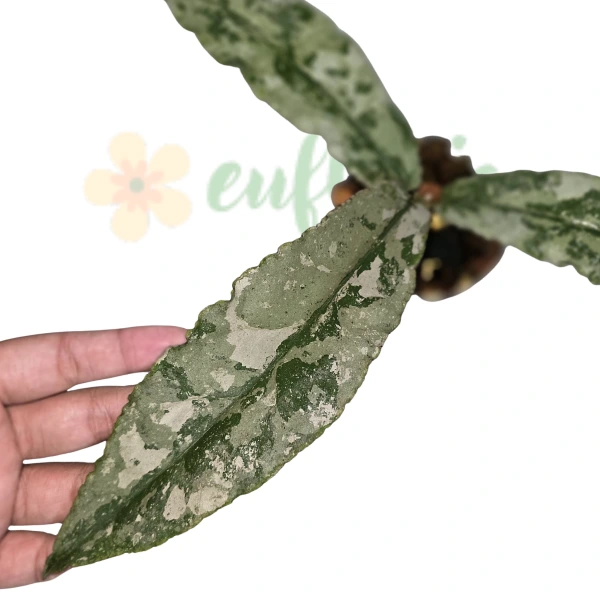
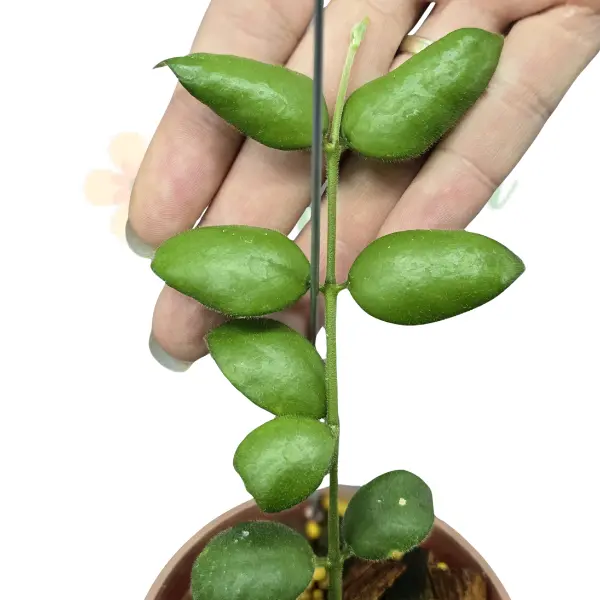
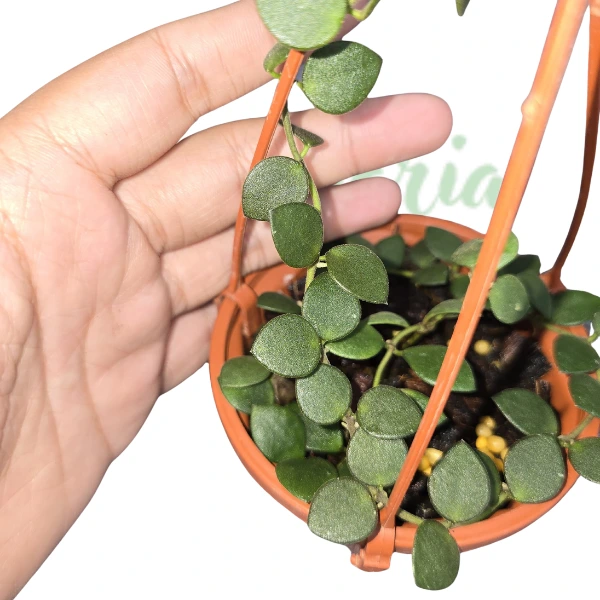
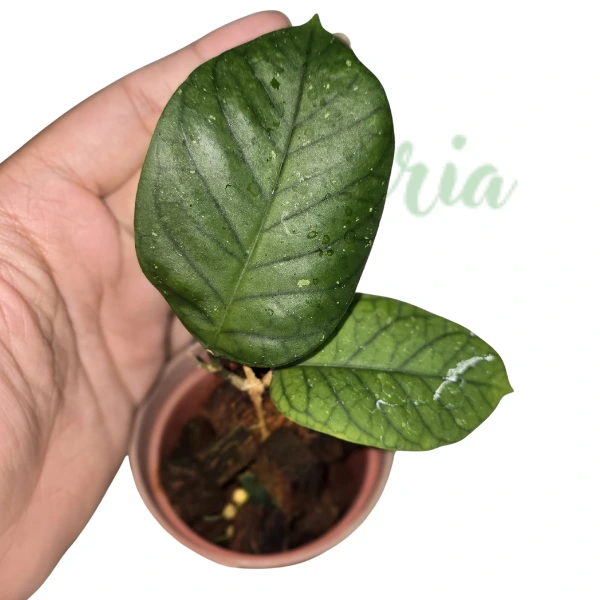
Hoya sp. Putri Betung – rare, unidentified species collected from Sumatra, Indonesia. Fleshy, glossy leaves with distinctive tropical character. Climbing epiphyte. Prefers high humidity, indirect light, and well-drained substrate. Non-toxic plant, ideal for collectors.
Flowering state: No flowers
Country of origin: Indonesia
Pot diameter: (no pot)
- Description
- Reviews (0)
- FAQ
🌿 Hoya sp. Putri Betung – A Rare Species from Sumatra with Exotic Charm
Hoya sp. Putri Betung is a Hoya species not yet formally identified taxonomically, collected from the Putri Betung area on the island of Sumatra, Indonesia. This epiphytic plant from the Apocynaceae family is highly sought after by collectors due to its exotic origin and unique characteristics that distinguish it from already scientifically described species.
🌍 Origins and Botanical History
This Hoya originates from the tropical forests of the Putri Betung area in Sumatra, one of Indonesia's largest islands and a region of extraordinary biodiversity. Sumatra hosts an impressive number of Hoya species, many still undescribed. The "Putri Betung" name references the collection location, serving as an identifier until the formal species description.
🌿 Leaves – Tropical Textures and Distinctive Character
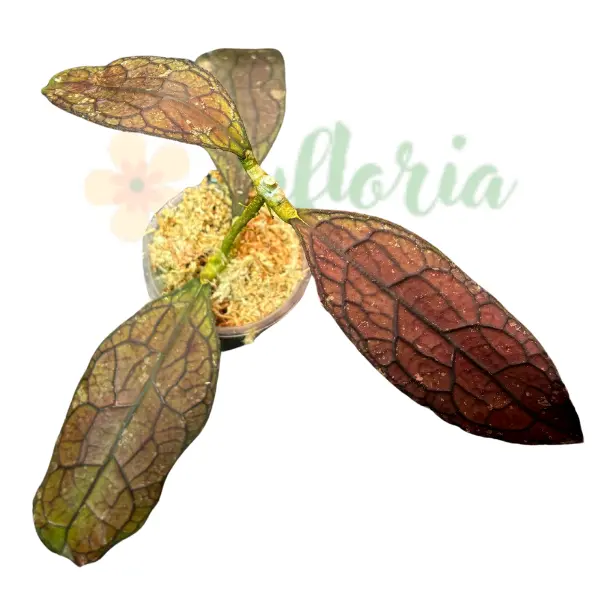
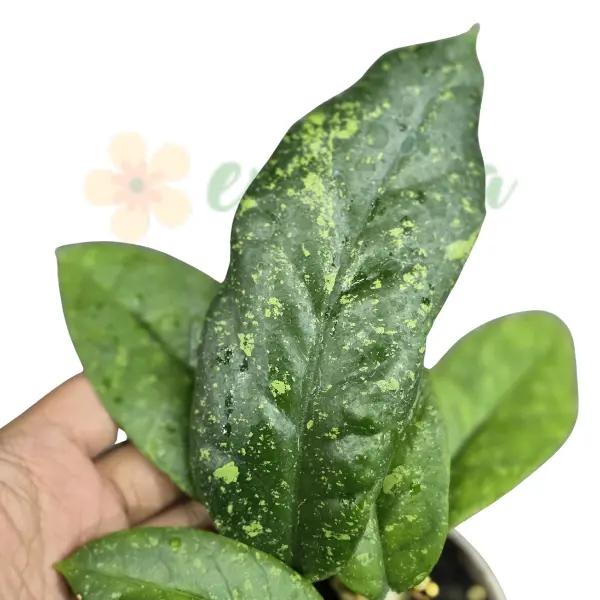
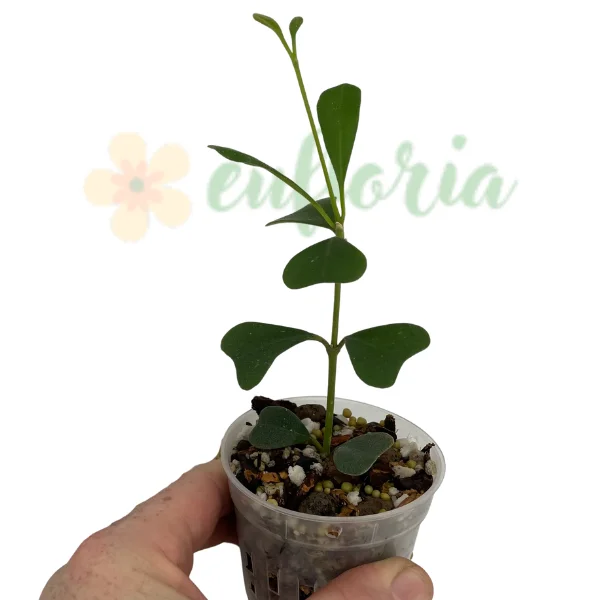
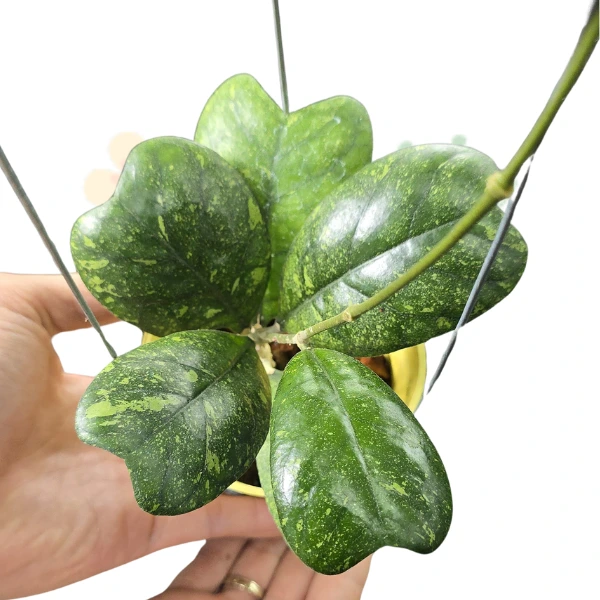
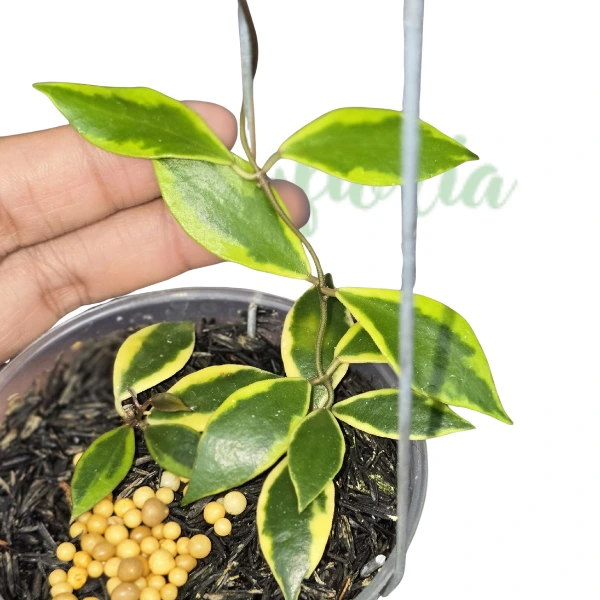
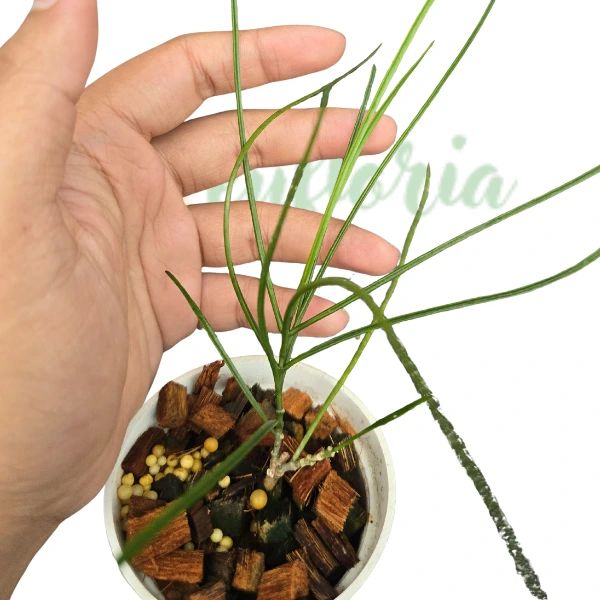
The leaves display characteristics typical of the Hoya genus – they are fleshy, with a glossy or semi-matte surface, in shades of green. The specific shape and size of this population may differ from other known species, reflecting adaptation to the particular conditions in Sumatra. The semi-succulent texture is typical of epiphytic plants that need to retain water in their natural habitat.
🌸 Flowers – Tropical Floral Surprises
Like all Hoya species, Hoya sp. Putri Betung is expected to produce flowers grouped in umbels, with small fragrant star-shaped blooms. The exact coloring and characteristics of the flowers will be revealed as cultivated specimens reach maturity, adding the element of surprise specific to unidentified species.
🌱 Growth Habit and Care
Hoya sp. Putri Betung is an epiphytic climbing plant that benefits from a climbing support or can be grown in hanging pots. It prefers medium to bright indirect light, a very well-drained substrate based on bark, perlite, and sphagnum, and moderate watering – the substrate should partially dry between waterings. Medium to high humidity (60-80%) and temperatures of 20-30°C (68-86°F) are recommended, reflecting the tropical conditions of its natural habitat.
How do I care for a Hoya plant?
Hoya plants prefer bright indirect light, moderate watering (allow the soil to dry between waterings) and temperatures between 18-27°C (65-80°F). Provide well-draining substrate and higher humidity for optimal growth.
When does Hoya bloom?
Hoya typically blooms in spring and summer, producing waxy, fragrant flowers. Do not cut the peduncles after flowering, as the plant will bloom again from the same stalks.
How often should I water my Hoya?
Water your Hoya when the top layer of soil (2-3 cm) has dried completely. In summer, this usually means once a week, and in winter every 2-3 weeks. Avoid overwatering.
Is Hoya toxic to pets?
Hoya is generally considered non-toxic to dogs and cats. However, ingestion of any plant may cause mild gastric discomfort, so it is recommended to keep the plant away from pets.
How do I propagate Hoya?
Hoya can be propagated through stem cuttings with 2-3 nodes. Place the cuttings in water or moist substrate and wait 2-6 weeks for rooting. Higher humidity helps the process.

Ai nevoie și de un ghiveci decorativ?







