EN/
EN/ Romana
Hoya deykeae D8cm
![Hoya deykeae – Rare Silver-Splashed Hoya [1]](https://gomagcdn.ro/domains2/eufloria.ro/files/product/original/hoya-sp-png-sv-432-copie-355387.webp "Hoya deykeae – Rare Silver-Splashed Hoya [1]")
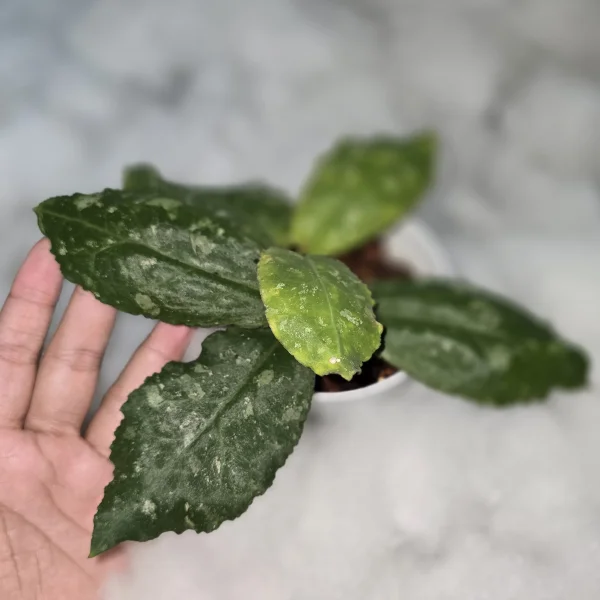
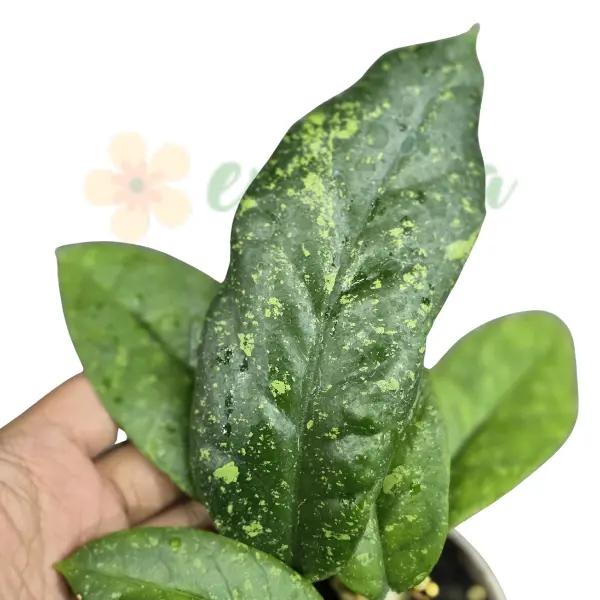
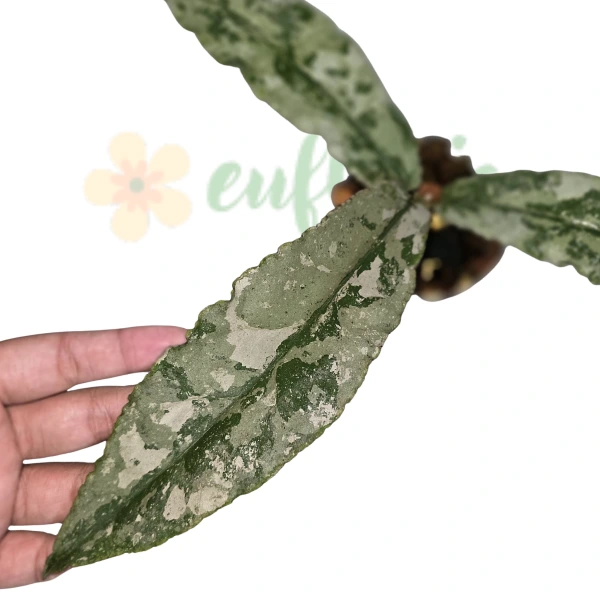
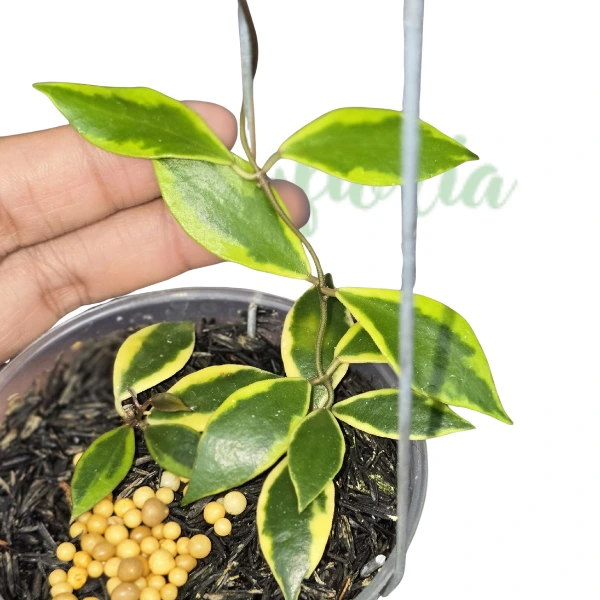
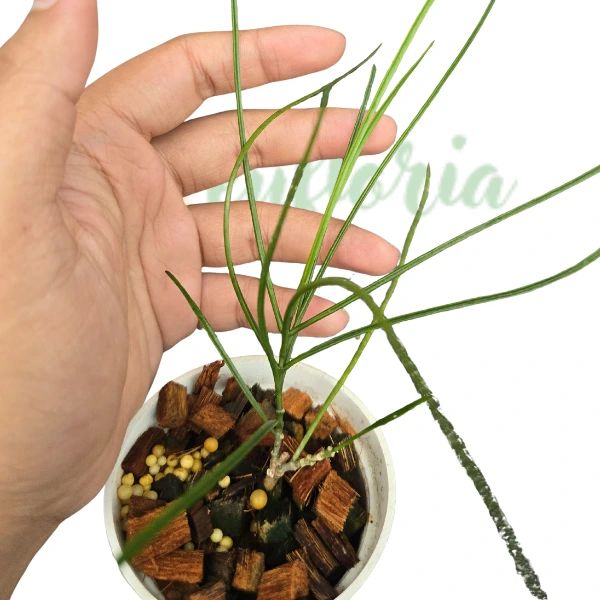
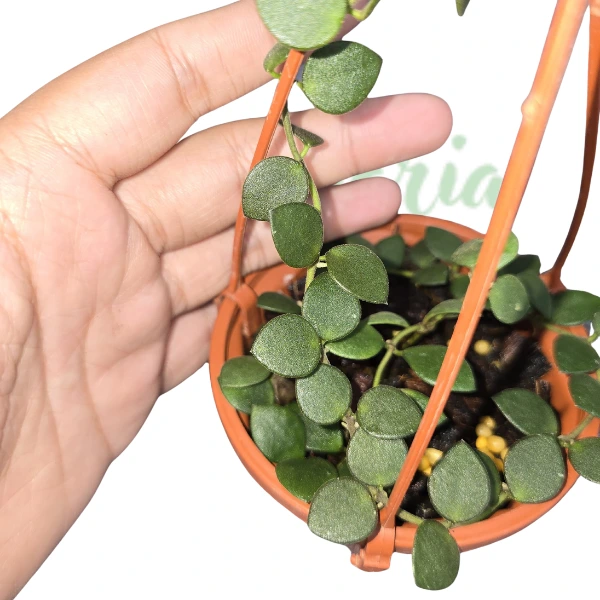
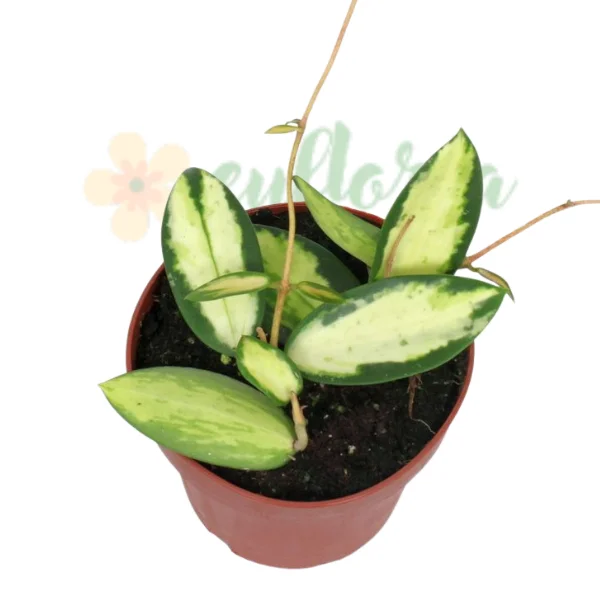
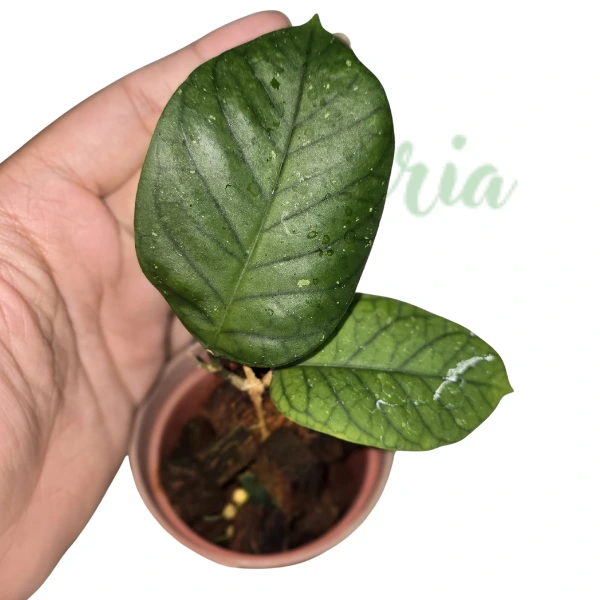
Hoya deykeae – A rare Hoya species with spectacular leaves adorned with silver spots and splashes on a deep green background. Each leaf is unique, with a stunning metallic shimmer effect. Trailing growth habit, perfect for hanging baskets. Easy care, needs bright indirect light for maximum silver expression. Non-toxic to pets. A collector's treasure.
Flowering state: No flowers
Country of origin: Indonesia
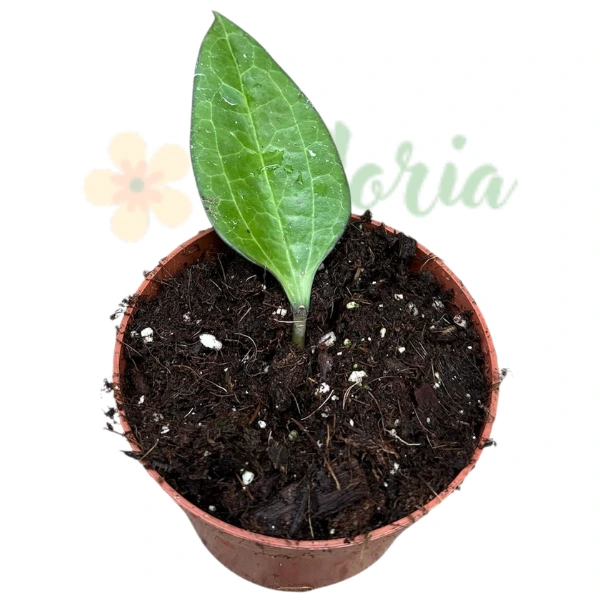
Pot diameter: (no pot)
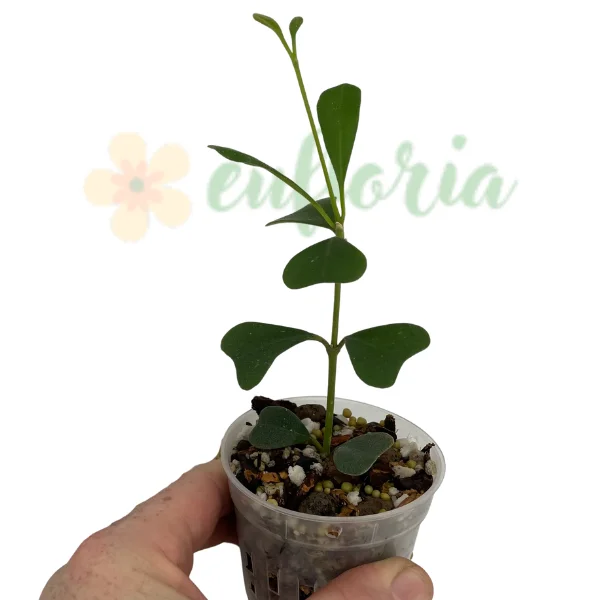
Nodes: 1-2
- Description
- Characteristics
- Reviews (0)
- FAQ
🌿 Botanical Rarity with Silver-Painted Foliage
Hoya deykeae is one of the most sought-after and rare Hoya species, a true treasure for collectors, prized for its sumptuous leaves adorned with silver spots and splashes that create a spectacular effect. Each leaf is a work of natural art – deep green sprinkled with silver, like an abstract canvas painted by nature.
Relatively recently discovered and still rare in cultivation, Hoya deykeae combines rarity with exceptional visual beauty. The thick, fleshy leaves with their waxy texture and silver markings make this species a focal point in any tropical plant collection.
🌍 Origins & Botanical History
Hoya deykeae is native to Southeast Asia, where it grows as an epiphyte in humid tropical forests. The species is named after Peter Deyke, a Hoya collector and enthusiast who contributed to the discovery and distribution of this species in cultivation. It is a relatively new species in horticulture, which explains its rarity and premium price in the plant trade.
🍃 Foliage – Silver on Deep Green
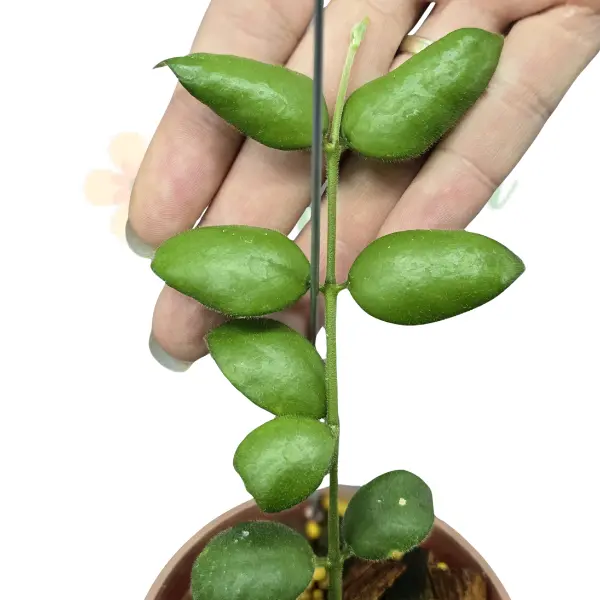
The leaves of Hoya deykeae are oval to elliptical, medium-sized (4-8 cm long), thick and fleshy with a distinctive waxy texture. The defining characteristic is the spectacular pattern of silver spots and splashes scattered across the deep green background – each leaf with a unique pattern. When exposed to bright indirect light, the silver spots shimmer and create a particularly attractive metallic effect. The foliage grows densely on trailing stems, creating a lush display.
🌸 Flowers
Like most Hoya species, deykeae can produce waxy, star-shaped flowers, typically in light shades. Flowers appear in umbels and can be fragrant. Blooming indoors is possible but requires patience and optimal conditions – bright light, slightly tight pots, and consistent care.
🌱 Growth Habit & Development
Hoya deykeae has a trailing/climbing growth habit with slender stems that are perfectly suited for hanging baskets or climbing supports. Growth rate is moderate. The plant is relatively adaptable in cultivation, though it requires attention to humidity and light to maintain its spectacular silver appearance.
Care Requirements:
Light: Bright indirect light is essential for maintaining the shimmering silver spots. Avoid direct sun which can burn the leaves. Insufficient light will diminish the silver expression.
Water: Allow the top 2-3 cm of substrate to dry between waterings. Avoid constantly wet soil. The fleshy leaves provide some drought resistance.
Soil: Well-draining substrate – orchid bark, perlite, and coco coir mix. Excellent drainage is essential.
Temperature: 18-28°C, not below 15°C. Protect from cold drafts.
Humidity: 50-70% ideal. Tolerates normal household humidity, but higher humidity promotes growth and leaf appearance.
Feeding: Balanced fertilizer at half-strength monthly during the growing season.
Botanical Info:
Family: Apocynaceae | Genus: Hoya | Species: Hoya deykeae | Type: Epiphytic trailing vine | Native Range: Southeast Asia | Zone: USDA 11-12 | Growth Rate: Moderate
Denumire: Hoya
Diametru: (fără ghiveci)
Cerințe lumină: Partial umbra
Tip plantă: Decorative
Utilizare: Interior
Is Hoya deykeae toxic to cats and dogs?
No, Hoya deykeae is not toxic to cats, dogs, or other household pets. The ASPCA confirms that the Hoya genus is non-toxic. The milky sap may cause minor skin irritation in sensitive individuals, but the plant is safe around pets and children.
Why is Hoya deykeae so expensive?
Hoya deykeae is expensive for several reasons: it's a relatively new species in cultivation and still rare in horticultural trade. Demand far exceeds supply, as Hoya collectors worldwide seek this species for its exceptional silver-spotted foliage. Propagation is slow – plants grow moderately and producing commercial-sized cuttings takes time. Limited availability from specialist nurseries maintains the premium price. As more growers begin producing it, prices will gradually decrease, but currently it remains one of the most valuable Hoya species.
How do I care for Hoya deykeae to maintain the silver spots?
The silver spots are a permanent genetic trait, but their maximum expression depends on conditions: provide bright indirect light – this is the key to shimmering silver. Maintain humidity between 50-70%. Water when the top 2-3 cm of substrate are dry. Use a well-draining substrate (orchid bark, perlite, coco coir). Fertilize lightly during the growing season. Avoid direct sun which can burn the leaves, and low light which diminishes the silver shimmer. With consistent care, each new leaf will have a spectacular silver pattern.
How fast does Hoya deykeae grow?
Hoya deykeae has a moderate growth rate. Under optimal conditions (bright indirect light, 50-70% humidity, 20-28°C temperature), the plant will produce several new leaves per month during the growing season (spring-summer). Growth slows considerably in winter. Being a trailing plant, stems will gradually elongate and can be trained on a support or left to cascade. Patience is important – this species won't grow quickly, but each new leaf will be a visual prize with its unique silver spots.
What is the best substrate for Hoya deykeae?
As a tropical epiphyte, Hoya deykeae needs a substrate that mimics natural conditions: airy, well-draining, but capable of retaining some moisture. The best mix combines: orchid bark (for aeration and drainage), perlite (for extra drainage), and coco coir or sphagnum (for moderate moisture retention). A ratio of approximately 40% bark, 30% perlite, 30% coco coir works excellently. Alternatively, a commercial orchid mix is a good option. Some growers successfully use LECA (semi-hydroponics). Avoid dense, peat-based soil that retains too much water and can cause root rot.