EN/
EN/ Romana
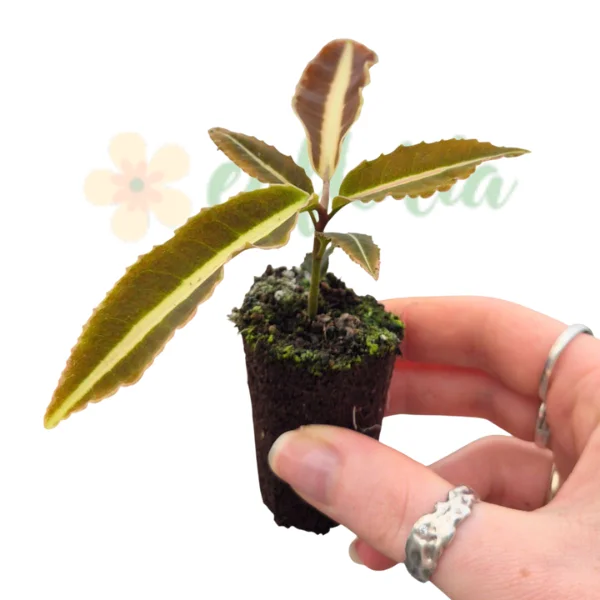
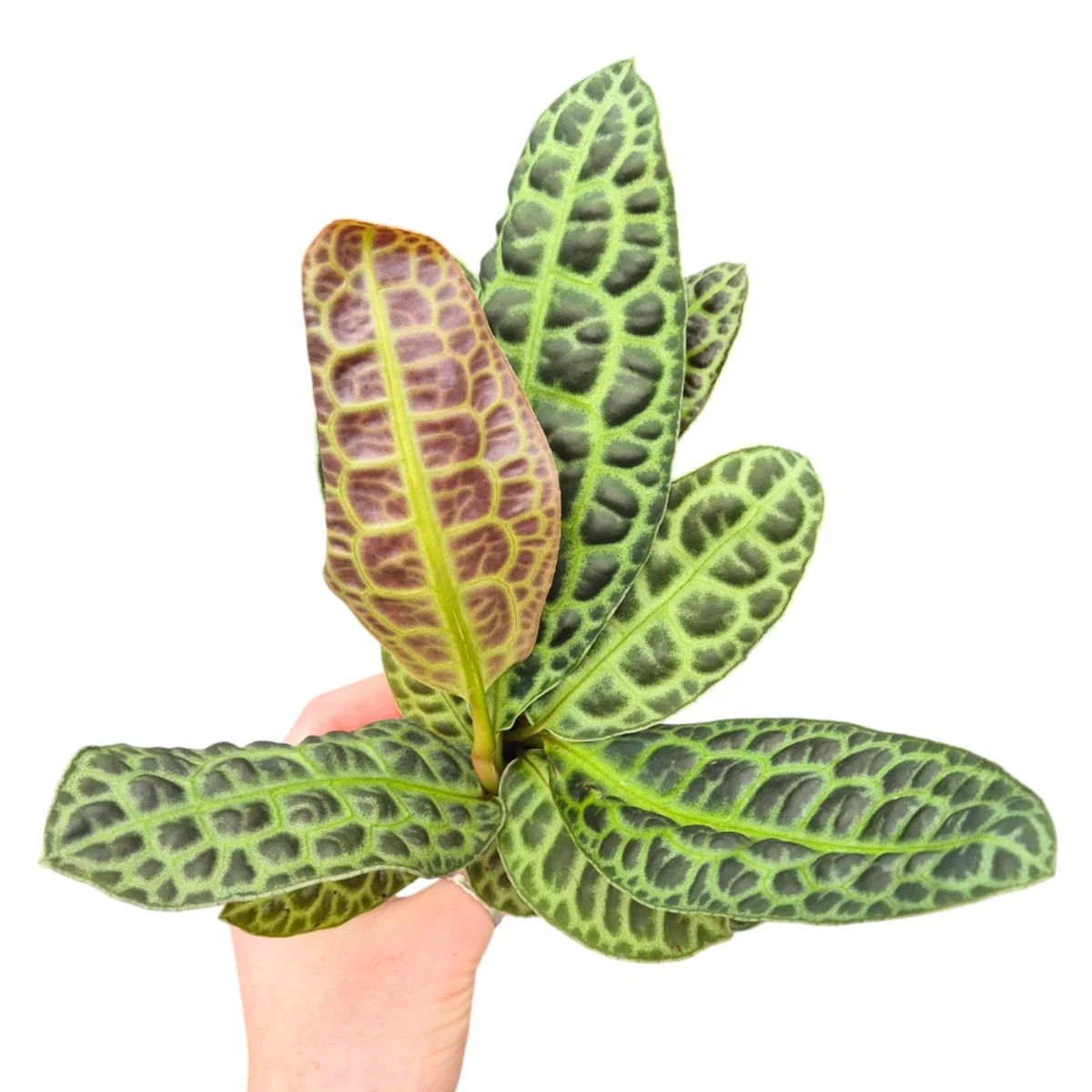
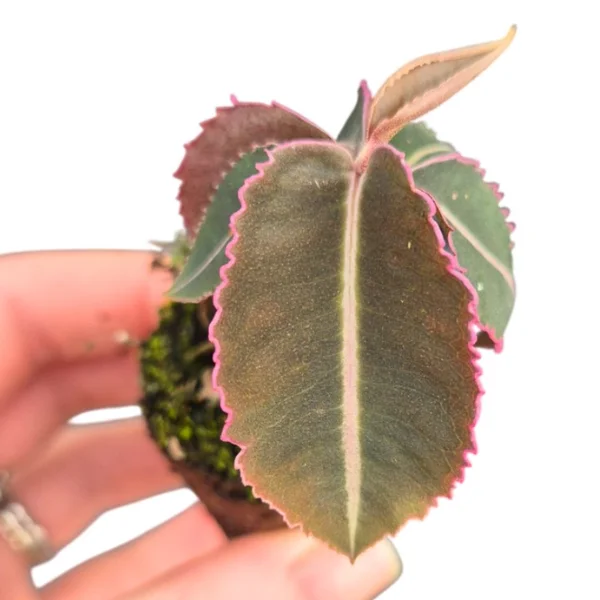
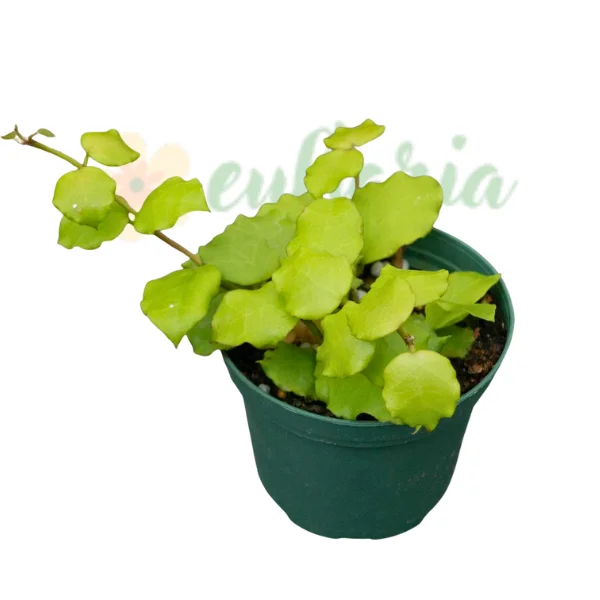
Hoya vaccinioides Ø6cm
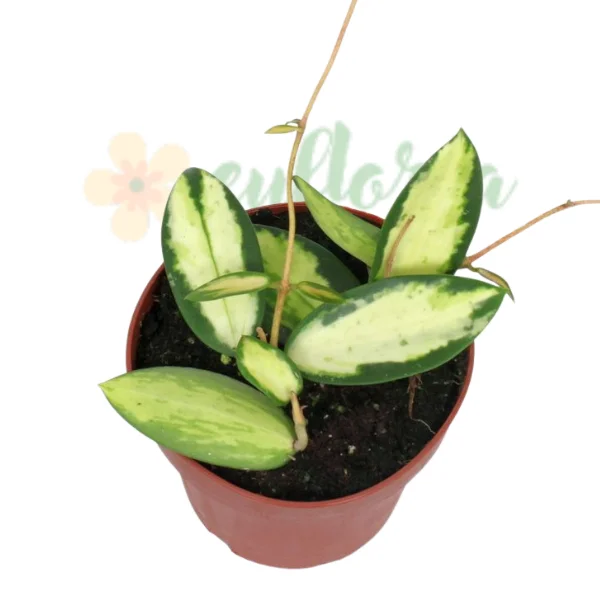
![Hoya vaccinioides [0]](https://gomagcdn.ro/domains2/eufloria.ro/files/product/medium/hoya-vaccinioides-d12-165975.webp "Hoya vaccinioides [0]")
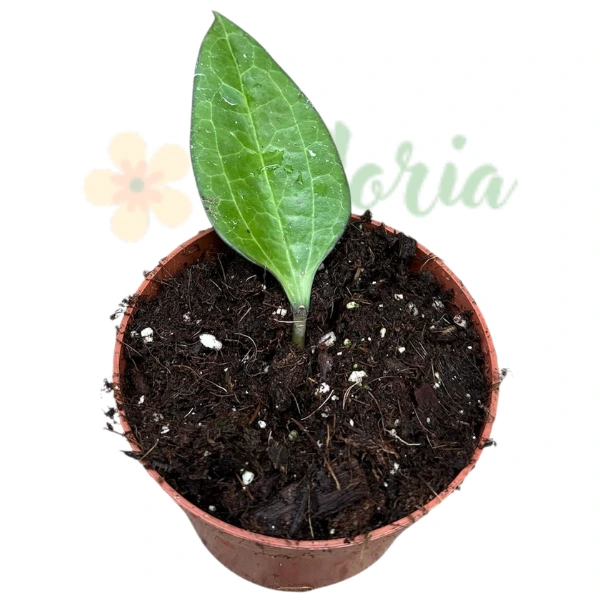
![Hoya vaccinioides [1]](https://gomagcdn.ro/domains2/eufloria.ro/files/product/medium/hoya-vaccinioides-d12-352275.webp "Hoya vaccinioides [1]")
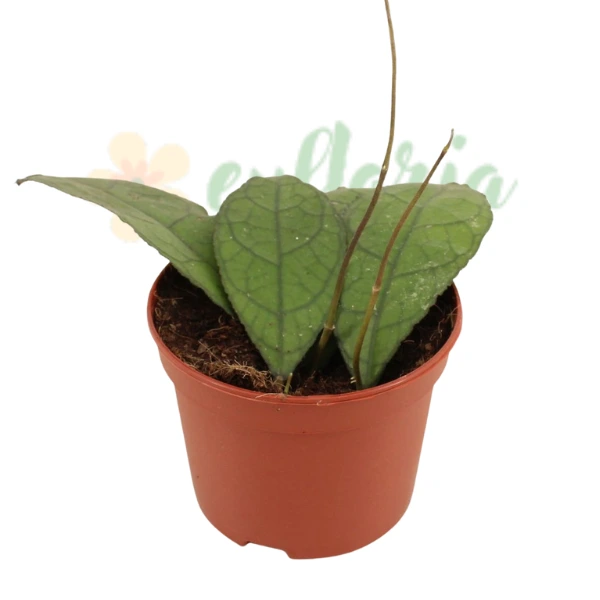
![Hoya vaccinioides [2]](https://gomagcdn.ro/domains2/eufloria.ro/files/product/medium/hoya-vaccinioides-d12-071057.webp "Hoya vaccinioides [2]")
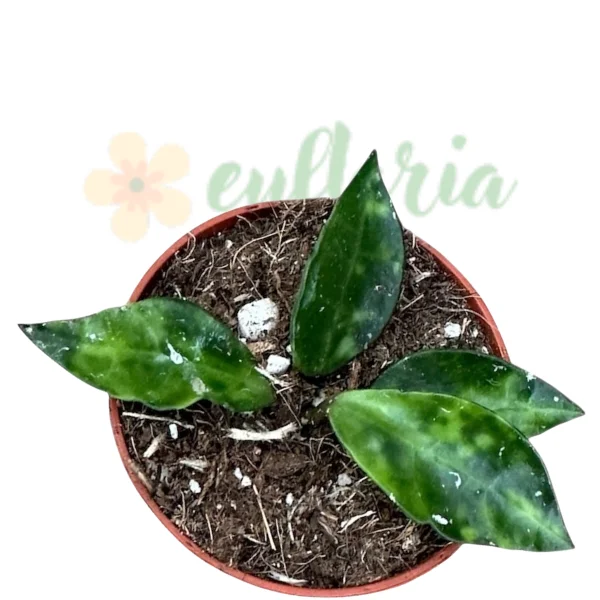
![Hoya vaccinioides [3]](https://gomagcdn.ro/domains2/eufloria.ro/files/product/medium/hoya-vaccinioides-d12-977180.webp "Hoya vaccinioides [3]")
![Hoya vaccinioides [1]](https://gomagcdn.ro/domains2/eufloria.ro/files/product/original/hoya-vaccinioides-d12-165975.webp "Hoya vaccinioides [1]")
![Hoya vaccinioides [2]](https://gomagcdn.ro/domains2/eufloria.ro/files/product/original/hoya-vaccinioides-d12-352275.webp "Hoya vaccinioides [2]")
![Hoya vaccinioides [3]](https://gomagcdn.ro/domains2/eufloria.ro/files/product/original/hoya-vaccinioides-d12-071057.webp "Hoya vaccinioides [3]")
![Hoya vaccinioides [4]](https://gomagcdn.ro/domains2/eufloria.ro/files/product/original/hoya-vaccinioides-d12-977180.webp "Hoya vaccinioides [4]")
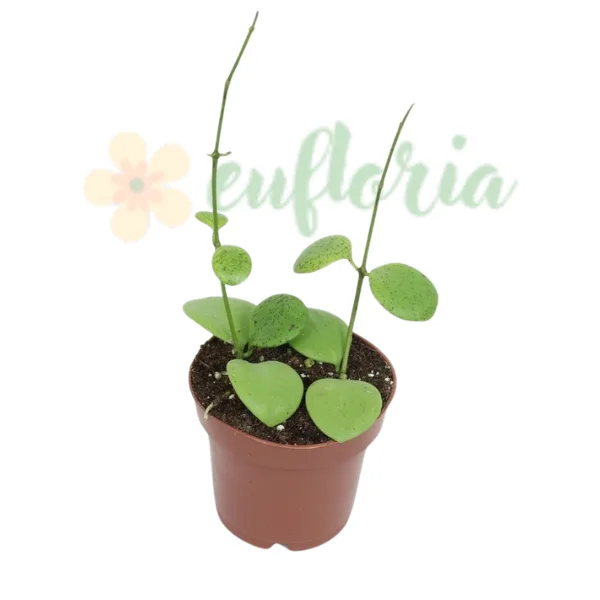
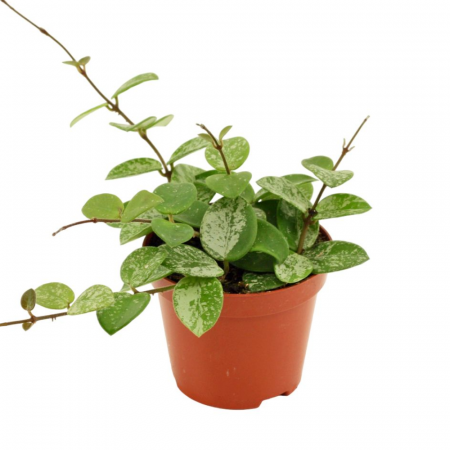
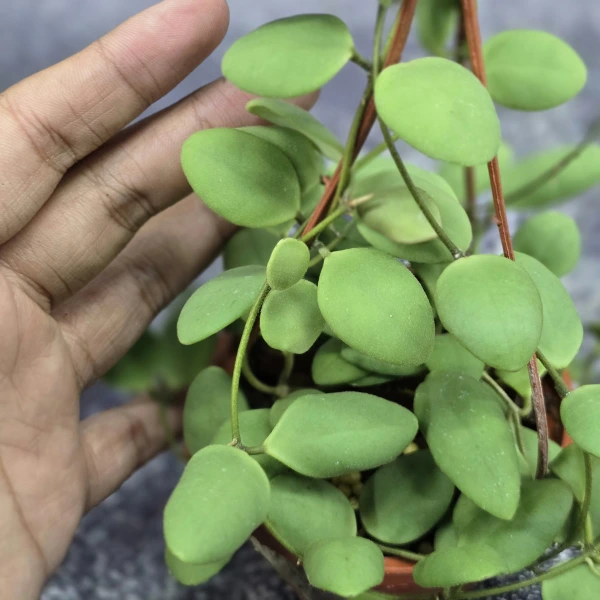
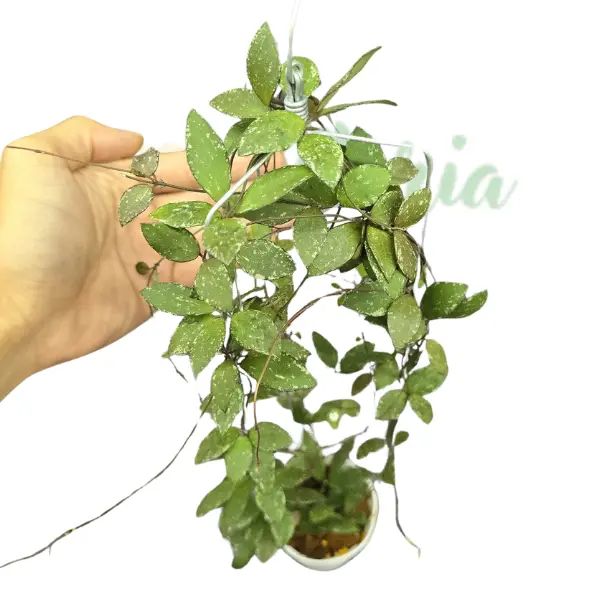
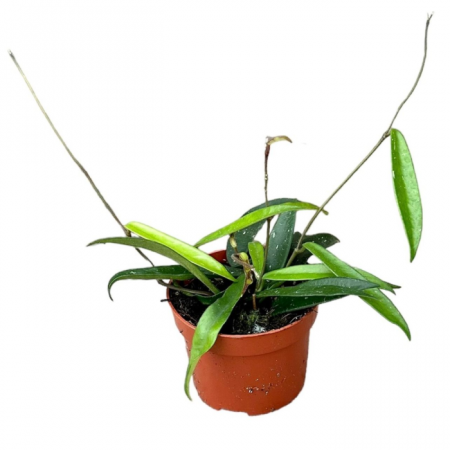
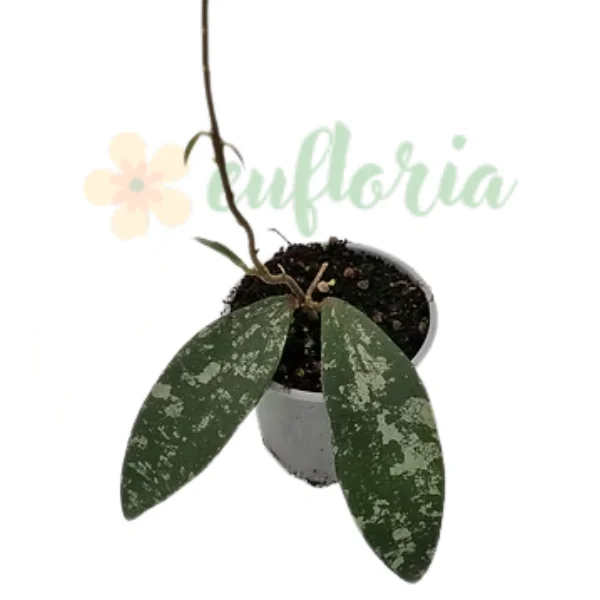
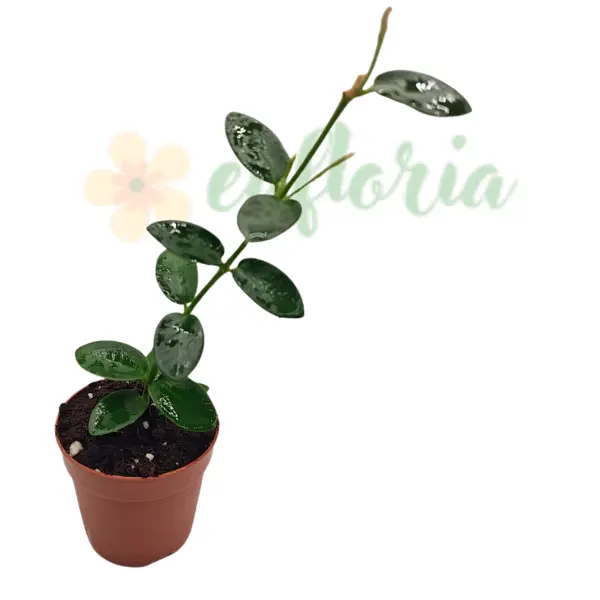
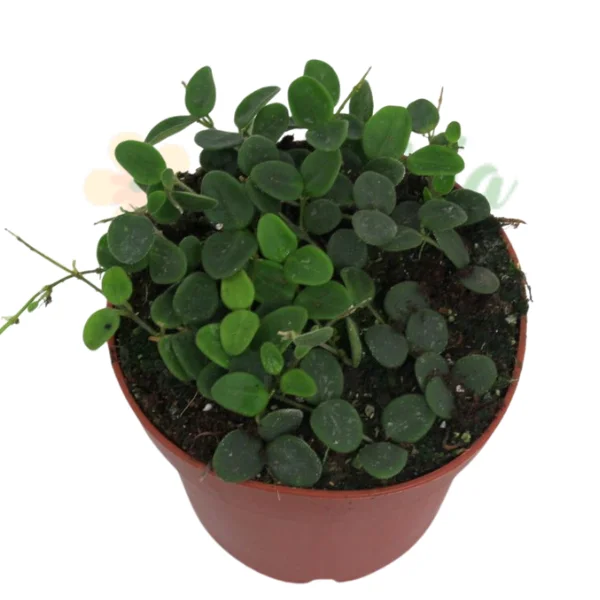
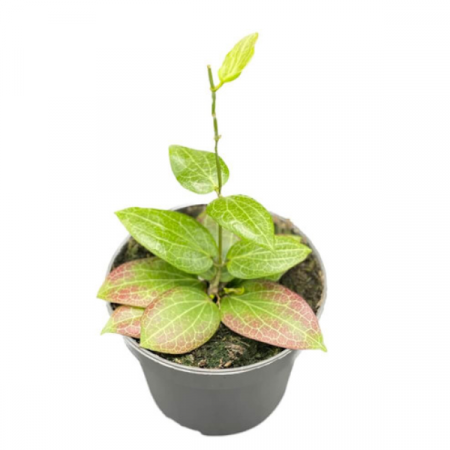
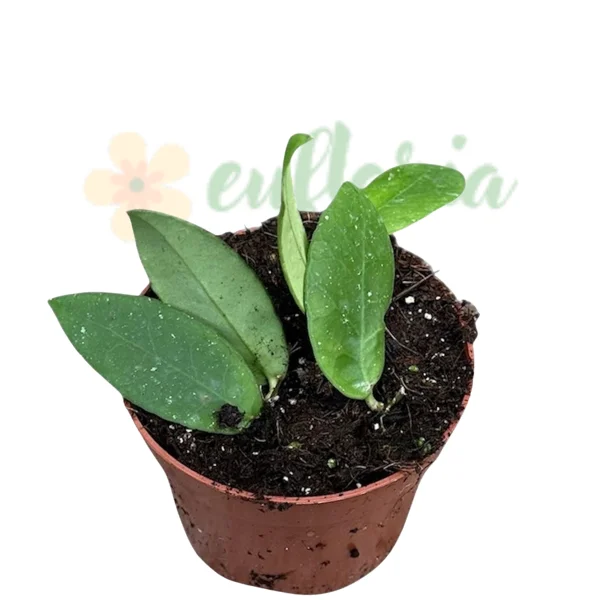
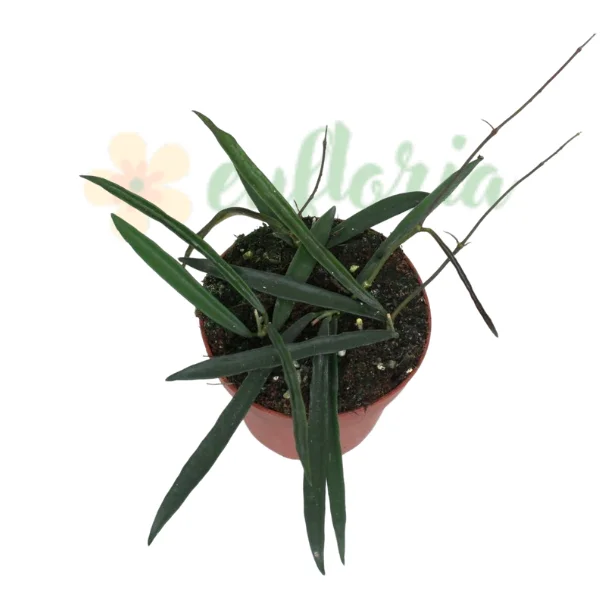
Hoya vaccinioides – miniature species with tiny blueberry-like leaves (5-10 mm) and unique bell-shaped flowers. Ideal for terrariums. Prefers cool temperatures and high humidity. Slow growth. Non-toxic plant.
Approx height (including pot): 10 cm
Flowering state: No flowers
Country of origin: Netherlands
- Description
- Characteristics
- Reviews (0)
- FAQ
🌿 Hoya vaccinioides – Miniature Leaves and Delicate Bell-Shaped Flowers
Hoya vaccinioides is a miniature and extremely unusual species from the Hoya genus, with a completely different appearance from most other species. This epiphytic plant from the Apocynaceae family stands out with its tiny leaves resembling those of blueberry (Vaccinium – hence the name) and its unique bell-shaped flowers, replacing the classic star-shaped blooms of the genus.
🌍 Origins and Botanical History
Hoya vaccinioides is native to montane forests of Southeast Asia, particularly Borneo, where it grows as an epiphyte at high elevations. The species name refers to the leaf resemblance to the Vaccinium (blueberry) genus, due to their small size and rounded shape. It is a montane species that prefers cooler temperatures and consistently high humidity.
🌿 Leaves – Miniature, Rounded, Like Green Pearls
The leaves are extremely small, only 5-10 mm, rounded, thick-fleshy, with a glossy surface. The coloring is deep green, and the shape and size are reminiscent of blueberry leaves. Leaves grow densely on thin, branching stems, creating a miniature shrubby appearance or a delicate green carpet, perfect for terrariums and miniature arrangements.
🌸 Flowers – White Bells, Unique in the Hoya Genus
The flowers are completely different from other Hoyas. Instead of star-shaped, Hoya vaccinioides flowers are bell-shaped (campanulate), small, white or white-pink, solitary or in small groups. This floral form is unique in the Hoya genus and reminiscent of blueberry or thyme flowers. The fragrance is subtle.
🌱 Growth Habit and Care
Hoya vaccinioides is a miniature plant with slow growth, ideal for terrariums, plant cabinets, or bark mounts. It prefers medium indirect light, cool to moderate temperatures (15-25°C / 59-77°F), high humidity (above 70%), and a very well-drained substrate based on live sphagnum and perlite. Frequent but light watering – the substrate should not dry out completely. Air circulation is essential.
Lungime: 10 cm
Greutate (kg): 1 Kg
Denumire: Hoya
Diametru: 7 cm
Cerințe lumină: Partial umbra
Tip plantă: Decorative
Utilizare: Interior
Tip suport: Ghiveci
Material Suport: Plastic
What distinguishes Hoya vaccinioides from other Hoyas?
The small size of the leaves and their elliptical shape, similar to blueberry leaves (Vaccinium), make it easy to recognize.
Is it a large-leaved Hoya?
No. It is a species with small to medium-sized, compact leaves.
Does it have fragrant flowers?
There is no reliable information confirming a distinct scent.
Is it suitable for beginners?
Yes, provided that the basic requirements are met: good light, well-drained substrate, and careful watering.
Does it prefer hanging pots or supports?
It is very suitable for hanging pots due to its pendulous growth, but it can also be trained on small supports.
Does it need a lot of light?
It prefers good indirect light. In low light, growth slows down.
Is it a rare species?
It is not among the most common Hoyas on the market, but it is not extremely rare compared to other botanical species.
Does it require high humidity?
It has no special requirements, but benefits from moderate humidity, typical for tropical indoor plants.
How do I care for a Hoya plant?
Hoya plants prefer bright indirect light, moderate watering (allow the soil to dry between waterings) and temperatures between 18-27°C (65-80°F). Provide well-draining substrate and higher humidity for optimal growth.
When does Hoya bloom?
Hoya typically blooms in spring and summer, producing waxy, fragrant flowers. Do not cut the peduncles after flowering, as the plant will bloom again from the same stalks.
How often should I water my Hoya?
Water your Hoya when the top layer of soil (2-3 cm) has dried completely. In summer, this usually means once a week, and in winter every 2-3 weeks. Avoid overwatering.
Is Hoya toxic to pets?
Hoya is generally considered non-toxic to dogs and cats. However, ingestion of any plant may cause mild gastric discomfort, so it is recommended to keep the plant away from pets.
How do I propagate Hoya?
Hoya can be propagated through stem cuttings with 2-3 nodes. Place the cuttings in water or moist substrate and wait 2-6 weeks for rooting. Higher humidity helps the process.
Recommendations

Ai nevoie și de un ghiveci decorativ?