EN/
EN/ Romana
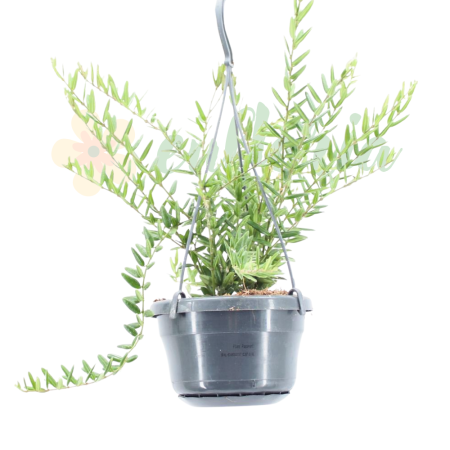
Aeschynanthus 'Mona Lisa' Ø15cm
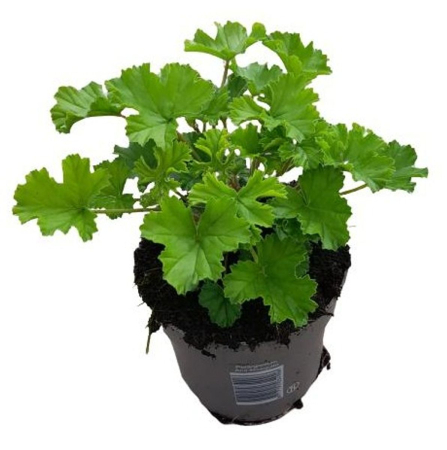
![Aeschynanthus 'Mona Lisa' Ø15cm — trailing lipstick plant [0]](https://gomagcdn.ro/domains2/eufloria.ro/files/product/medium/aeschynanthus-mona-lisa-d15cm-339933.png "Aeschynanthus 'Mona Lisa' Ø15cm — trailing lipstick plant [0]")
![Aeschynanthus 'Mona Lisa' Ø15cm — trailing lipstick plant [1]](https://gomagcdn.ro/domains2/eufloria.ro/files/product/medium/aeschynanthus-mona-lisa-d15cm-838512.png "Aeschynanthus 'Mona Lisa' Ø15cm — trailing lipstick plant [1]")
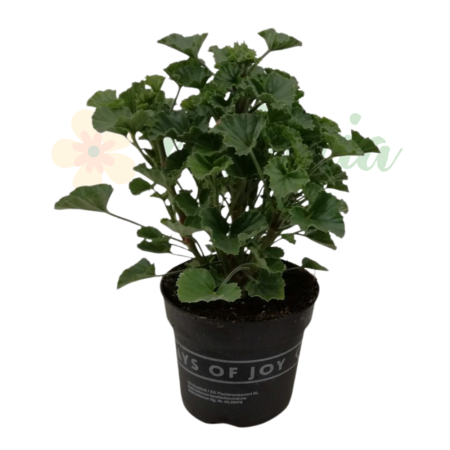
![Aeschynanthus 'Mona Lisa' Ø15cm — trailing lipstick plant [2]](https://gomagcdn.ro/domains2/eufloria.ro/files/product/medium/aeschynanthus-mona-lisa-d15cm-222003.png "Aeschynanthus 'Mona Lisa' Ø15cm — trailing lipstick plant [2]")
![Aeschynanthus 'Mona Lisa' Ø15cm — trailing lipstick plant [3]](https://gomagcdn.ro/domains2/eufloria.ro/files/product/medium/aeschynanthus-mona-lisa-d15cm-003518.png "Aeschynanthus 'Mona Lisa' Ø15cm — trailing lipstick plant [3]")
![Aeschynanthus 'Mona Lisa' Ø15cm — trailing lipstick plant [1]](https://gomagcdn.ro/domains2/eufloria.ro/files/product/original/aeschynanthus-mona-lisa-d15cm-339933.png "Aeschynanthus 'Mona Lisa' Ø15cm — trailing lipstick plant [1]")
![Aeschynanthus 'Mona Lisa' Ø15cm — trailing lipstick plant [2]](https://gomagcdn.ro/domains2/eufloria.ro/files/product/original/aeschynanthus-mona-lisa-d15cm-838512.png "Aeschynanthus 'Mona Lisa' Ø15cm — trailing lipstick plant [2]")
![Aeschynanthus 'Mona Lisa' Ø15cm — trailing lipstick plant [3]](https://gomagcdn.ro/domains2/eufloria.ro/files/product/original/aeschynanthus-mona-lisa-d15cm-222003.png "Aeschynanthus 'Mona Lisa' Ø15cm — trailing lipstick plant [3]")
![Aeschynanthus 'Mona Lisa' Ø15cm — trailing lipstick plant [4]](https://gomagcdn.ro/domains2/eufloria.ro/files/product/original/aeschynanthus-mona-lisa-d15cm-003518.png "Aeschynanthus 'Mona Lisa' Ø15cm — trailing lipstick plant [4]")
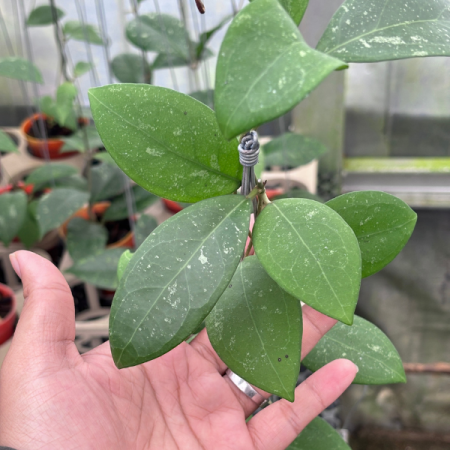
Aeschynanthus 'Mona Lisa' is a tropical hanging plant from the Gesneriaceae family, known for its glossy dark green foliage and tubular red-orange flowers that earned the popular nickname "lipstick plant." Native to tropical Asia, it forms elegant cascades of stems reaching 35-45 cm. Loving bright indirect light and high humidity, it's a spectacular choice for hanging baskets or tall shelves.
Note: Product images are for guidance only. Due to different batches of imported products, there may be differences between the images on the website and the actual appearance of the products.
Approx height (including pot): 40 cm
Flowering state: Cu sau fără flori
Pot diameter: 15 cm
- Description
- Characteristics
- Reviews (0)
- FAQ
Aeschynanthus 'Mona Lisa' is a tropical hanging plant prized for its glossy dark green foliage and the tubular red-orange flowers that earned it the popular nickname "lipstick plant." A horticultural hybrid with remarkable ornamental character, 'Mona Lisa' combines the elegance of cascading stems with the spectacle of prolonged flowering, becoming a focal point in any botanical collection. Whether placed in a hanging basket, on a tall shelf, or as the central element of an indoor plant composition, this Aeschynanthus impresses through its duality: dense, elegant foliage that functions as "passive" decor outside the flowering season, followed by an explosion of color during summer.
Origin and Botanical Characteristics
The genus Aeschynanthus belongs to the Gesneriaceae family and includes over 150 epiphytic species native to the tropical forests of Southeast Asia, India, Indochina, Malaysia, Borneo, and northern Australia. In their natural habitat, these plants grow clinging to the branches of tall trees, benefiting from the high humidity of the jungle and the light filtered through the tropical canopy. This epiphytic origin explains many of the plant's requirements in cultivation: humid air, indirect light, and very aerated substrate are essential conditions for its long-term health.
'Mona Lisa' is a hybrid selected from species such as Aeschynanthus radicans and Aeschynanthus speciosus, chosen for its robustness, abundant blooming, and more compact habit suitable for indoor cultivation. The leaves are opposite, elongated-oval with a slightly pointed tip, dense along the stems, with a glossy dark green surface that reflects light and highlights the contrast with the bright flowers. This combination of dense foliage and intense flowers makes 'Mona Lisa' one of the most photographed and appreciated Aeschynanthus on social media dedicated to indoor plants.
The semi-woody, flexible stems grow in cascade form and can reach 35-45 cm in the early years, exceeding 60-80 cm at maturity under ideal conditions. This naturally trailing character makes 'Mona Lisa' one of the most recommended trailing indoor plants, perfect for hanging baskets, tall planters, or shelves. Unlike plants with erect stems that require vertical space, Aeschynanthus uses space "downward" — a useful quality for small spaces with high shelves.
In its natural habitat, Aeschynanthus reproduces both through seeds (carried by birds) and vegetatively, through stems that touch the ground and form new roots. In cultivation, propagation by cuttings is the standard method — cut stems root easily in water or moist substrate, offering a simple way to obtain multiple plants from a single one.
The Spectacular Flowers — the "Lipstick" Signature
Aeschynanthus 'Mona Lisa' produces tubular flowers in vivid red-orange shades, emerging from dark buds resembling lipstick tubes — hence the international common name "lipstick plant." Each flower measures 4-5 cm in length, with clusters of 3-6 flowers forming at the tips of stems or in leaf axils. The tubular flower shape is an evolutionary adaptation for natural pollinators — in the tropical habitat, similar flowers are frequently visited by small birds and butterflies with long proboscises.
Flowering naturally occurs in late spring and summer, but under ideal conditions — bright indirect light, high humidity, and a cooler winter rest period — the plant can produce blooms in other seasons as well, prolonging its display. Flowers cluster at stem tips, contrasting strongly with the dark foliage, making it one of the most decorative flowering indoor plants. For enthusiasts, the first bloom is a moment of great satisfaction — a signal that the plant has successfully established in your space and that the care you are providing is correct.
To stimulate abundant flowering, the winter period with reduced light, less water, and temperatures of 15-17°C acts as a natural "rest" that triggers bud formation the following spring. During this period, the plant should not be fertilized, only watered minimally to prevent complete drying of the substrate. This controlled "positive stress" is a technique used by cultivators to synchronize flowering and make it more abundant than under constantly warm conditions.
Care Guide — Light, Water, Humidity
'Mona Lisa' is relatively tolerant, but it blooms spectacularly only with attentive care. Here is the complete guide, with all essential parameters:
Light: Bright indirect light, essential for flowering. Tolerates gentle morning or evening sun, but avoid direct midday sun which can scorch the glossy leaves. In rooms with reduced light, the plant survives but will not flower. The ideal location is 1-2 meters from an east, west, or south-facing window with a filtering curtain. Full-spectrum LED grow lights are a valid alternative in spaces without suitable windows.
Watering: Water moderately. Let the substrate dry out slightly between waterings (1-2 cm at the surface). In summer water every 5-7 days, in winter every 10-14 days. Avoid stagnant water in the saucer — roots can rot quickly. Use room-temperature water, preferably decanted or filtered, to avoid salt and chlorine accumulation. Rainwater is the ideal choice for purist cultivators.
Humidity: Loves humidity (60%+). Mist the foliage on very dry days or use a humidifier. In winter with strong heating, grouping with other indoor plants creates a favorable microclimate. A pebble tray with water under the pot is an effective traditional solution. If you notice that leaves lose their gloss and begin to curl, it's a clear sign that ambient humidity is too low.
Substrate: Aerated and well-draining substrate. Ideal: a mix of universal potting substrate with perlite (20%) and fine pine bark (20%) for drainage and aeration. Drainage at the bottom of the pot is essential — a layer of pebbles or hydrogranules at the bottom prevents water stagnation. The optimal pH of the substrate is slightly acidic (5.5-6.5).
Temperature: 18-25°C during the growing season. In winter prefers 15-18°C for rest. Below 12°C the plant suffers, avoid cold drafts from windows and exterior doors. Sudden temperature variations can lead to bud drop — keep the plant in a location with stable temperature.
Fertilizing: Liquid fertilizer for flowering plants every 2-3 weeks during the growing season (spring-fall). Do not fertilize in winter. During budding, a fertilizer with higher phosphorus stimulates flowering. Dilution to half the recommended concentration is safer than full dose — Aeschynanthus is sensitive to root "burning" from excess fertilizer.
Repotting: Every 2 years, in spring, into a pot maximum 2-3 cm larger. Aeschynanthus prefers slightly cramped pots — compact roots stimulate flowering. Check drainage and partially replace old substrate with fresh aerated mix.
Pruning: After flowering, shorten stems by 5-10 cm to stimulate branching and the next bloom cycle. Cut branches can be rooted in water or moist substrate to obtain new plants. Regular pruning keeps the plant compact and stimulates flower production instead of excessive vegetative growth.
Common problems: Yellowed leaves at the base = natural cycle. Massive yellowing = overwatering. Bud drop = cold draft or too dry air. Brown spots on leaves = direct sun or chlorinated water. Spider mites appear in very dry air.
Toxicity and Safety
Aeschynanthus 'Mona Lisa' is considered non-toxic to cats, dogs, and children — it does not appear on the ASPCA toxic plant list. This makes it a safe choice for households with pets or young children, falling into the category of family-friendly plants. However, avoid ingesting decorative plants and keep the plant away from animals that tend to bite leaves, to prevent minor digestive irritation.
Stem sap is generally harmless, but in people with sensitive skin it may cause mild contact irritation. Use gloves when repotting or pruning if you notice you react to sap. Wash hands after handling the substrate. For households with very young children who explore with their mouths, we recommend placing the plant in hanging baskets or on high shelves for additional safety.
Why Choose 'Mona Lisa' for Your Space
The combination of glossy dark green foliage and bright red flowers makes Aeschynanthus 'Mona Lisa' a plant with maximum visual impact. Its trailing character transforms it into a "living painting" for hallways, living rooms, or offices — especially when placed on tall shelves or in hanging baskets at height. The flower display lasts for weeks, and the period when the plant is not in bloom offers an elegant and constant green decor.
Unlike other trailing plants such as Hoya, 'Mona Lisa' offers a prolonged season of visible flowering, becoming an investment that rewards with the spectacle of its blooms. It is an excellent option for exotic plant lovers seeking an authentic tropical experience, without the demands of rare aroids or capricious orchids. Compared to other flowering plants like African violets (close relatives in the Gesneriaceae family), Aeschynanthus offers a spectacular bonus through its trailing character.
The 15 cm pot diameter provides ample root space for development, and the delivered plant has already-developed stems (35-45 cm), ready to flower in the first season if you provide the right conditions. This format is ideal for buyers who want immediate impact — no need to wait years for the plant to reach a decorative size. Delivery across the EU with specialized packaging for live plants. Each specimen is individually selected before shipping to ensure it arrives at your destination in optimal condition.
Lungime: 40
Greutate (kg): 2.5 Kg
Denumire: Aeschyanthus
Diametru: 15 cm
Cerințe lumină: Strong, indirect light
Tip plantă: Decorative
Utilizare: Interior
Tip suport: Ghiveci
Material Suport: Plastic
How do I care for it to bloom abundantly?
Bright indirect light, moderate watering with slight drying between waterings, 60%+ humidity, and a cool winter rest (15-17°C) stimulate spring blooming. Fertilizer for flowering plants every 2-3 weeks during growing season.
Is Aeschynanthus 'Mona Lisa' toxic to cats?
No, it is non-toxic to cats, dogs, and children. It does not appear on the ASPCA toxic plant list. See other pet-friendly plants.
What pot diameter is suitable for repotting?
Aeschynanthus prefers slightly cramped pots. For Ø15cm, choose Ø17cm with good drainage next time. Repot every 2 years in spring, using aerated substrate.
How do I propagate to get new plants?
Easiest by cuttings: 8-12 cm stems with 4-6 leaves, root in water or moist substrate in 2-4 weeks. Cover with plastic to maintain humidity. See similar techniques for Hoya.
Can I put it on the balcony in summer?
Yes, if you adapt it gradually and protect from direct midday sun. Bring it back below 15°C. See balcony plants.
Ai nevoie și de un ghiveci decorativ?