EN/
EN/ Romana
Zamioculcas zamiifolia
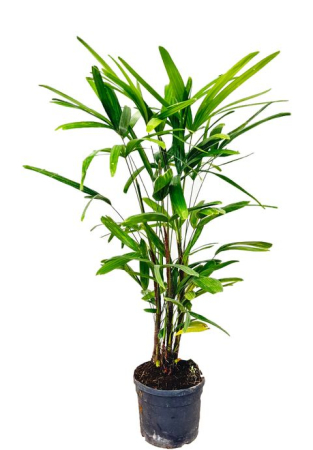
![Zamioculcas zamiifolia — ZZ plant with glossy dark green pinnate leaves, Eufloria [1]](https://gomagcdn.ro/domains2/eufloria.ro/files/product/original/zamioculcas-zamiifolia-d14cm-260240.webp "Zamioculcas zamiifolia — ZZ plant with glossy dark green pinnate leaves, Eufloria [1]")
Zamioculcas zamiifolia — ZZ plant, iconic architectural African plant with glossy dark green pinnate leaves. Extremely resistant, tolerates neglect and low light. Underground rhizomes with stored water. Purifies air. 18-27°C, minimal watering. Ideal plant for offices and busy people.
This plant will be imported after you order. It has a minim mandatory quantity.: If you want to order fewer quantities, contact us for a personalized offer
Delivery date: 1-2 weeks
- Description
- Characteristics
- Reviews (0)
- FAQ
🌿 Zamioculcas zamiifolia — ZZ plant, the architectural jewel of East Africa
Zamioculcas zamiifolia, universally known as ZZ plant, evergreen plant or Zanzibar gem, is one of the most appreciated indoor plants in the world — a sublime of vegetal architecture, with thick pinnate leaves, fleshy, in glossy dark green that seem professionally lacquered. This extremely resistant African plant has conquered modern offices and homes with its sculptural silhouette and legendary tolerance to neglect.
Native to the dry forests and savannas of East Africa, Zamioculcas has developed extraordinary adaptations to survive in extreme conditions — thick underground rhizomes that store water, waxy leaves that reduce moisture loss and remarkable tolerance to long drought periods. These characteristics make it ideal for busy growers, beginners or for offices where no one has time to constantly care for plants.
Each compound pinnate leaf can reach 30-90 cm in length, with 6-8 pairs of glossy leaflets symmetrically arranged on a robust central stem. The stems grow straight up from the underground rhizomes, creating a vertical architectural shape that perfectly complements modern interiors. It is a plant that inspires calm and elegance, a vegetal statement for contemporary spaces.
🌍 Botanical origin and history
Zamioculcas zamiifolia is native to East Africa — Kenya, Tanzania, Zanzibar, Malawi, Mozambique, South Africa — where it grows in dry tropical forests and low savannas, often on poor and rocky soils. It was first discovered and scientifically described in 1828 by German botanist Heinrich Wilhelm Schott, the species name "zamiifolia" reflecting the leaf similarity to cycads of the Zamia genus.
It is the only species in the Zamioculcas genus, known as a "monotypic species". The Araceae family, to which it belongs, comprises over 3,700 species distributed predominantly in tropical areas, and Zamioculcas represents one of the most resistant and distinct species in this family.
Its popularity as an indoor plant exploded starting in the 1990s, when Dutch horticulturists began mass-marketing it. Today it is one of the most sought-after plants for offices, being recommended by NASA and similar studies as a plant that purifies air of toluene, xylene and other harmful substances.
🌱 The architectural foliage
The Zamioculcas foliage is its visual signature. The leaves are compound pinnate, with 6-8 pairs of leaflets symmetrically arranged on a robust central rachis. Each leaflet measures 7-15 cm in length, elliptical or oval-lanceolate in shape, with leathery texture and very glossy surface, almost lacquered.
The base color is a rich uniform dark green, with a natural shine that reflects light elegantly. New leaves emerge from underground rhizomes, initially in a lighter green, gradually maturing to the characteristic dark green.
The underground rhizomes are thick, fleshy, with the appearance of small potatoes, storing water and nutrients. This is the key to the plant's drought resistance — the plant can survive weeks without watering, consuming reserves from the rhizomes. In indoor culture, the plant develops 5-15 stems simultaneously, with total height reaching 60-120 cm.
🌸 The flowers
Zamioculcas may occasionally bloom in indoor culture, although rarely. It produces flowers typical of Araceae — a short cylindrical spadix, yellowish-green, wrapped in a green spathe that appears at the base of the stems. The flowers have no fragrance and are considered discreet, without ornamental value.
For growers, the absence of flowers is not a loss — the architectural beauty of the foliage completely compensates. Reproduction is done almost exclusively by rhizome division or leaflet cuttings.
🌱 Growth habit and care
Zamioculcas zamiifolia is one of the most resistant indoor plants, ideal for all growers, from beginners to busy experts. Growth is slow, with new leaves appearing every 2-3 months, but once stabilized, the plant remains beautiful for years.
- Light: VERY tolerant — from bright indirect light to low-light locations. Also accepts some morning direct sun. One of the most tolerant plants to reduced light.
- Temperature: 18-27°C optimal; does not tolerate below 15°C.
- Watering: MINIMAL — water only when substrate is completely dry. Every 2-3 weeks in summer, every 4-6 weeks in winter. Overwatering is the main cause of death — rhizomes rot easily.
- Humidity: tolerant to low humidity (30%+). Does not require misting.
- Substrate: well-drained — universal substrate + perlite (25%). Avoid substrate too dense or wet.
- Fertilization: minimal — every 2-3 months during growing season with balanced fertilizer diluted to a quarter.
- Propagation: by rhizome division at repotting or leaflet cuttings (slow, 6-12 months for roots).
🌿 Why choose Zamioculcas zamiifolia
It is the supreme choice for anyone who wants an elegant plant without effort. Survives neglect, tolerates low light, purifies air, looks impressive and lasts for years. Perfect for offices, conference rooms, commercial spaces, apartments of busy people or vacation homes. The architectural silhouette fits in modern, minimalist, industrial or tropical-chic arrangements. The "undead" plant of the modern world.
Denumire: Zamioculcas
Cerințe lumină: Partial umbra
Tip plantă: Decorative
Utilizare: Interior
Tip suport: Ghiveci
Material Suport: Plastic
How often should Zamioculcas be watered?
Zamioculcas zamiifolia should be watered rarely, once every 2-3 weeks. Let the soil dry completely between waterings. It is extremely drought-tolerant thanks to its water-storing rhizomes.
Can Zamioculcas grow in low light conditions?
Yes, Zamioculcas zamiifolia is one of the most low-light tolerant plants. It can grow in windowless offices or dark corners. Growth will be slower, but the plant will survive.
Is Zamioculcas toxic to pets?
Yes, Zamioculcas zamiifolia is toxic to cats and dogs. All parts of the plant contain calcium oxalates that can cause oral irritation and gastrointestinal discomfort.
Does Zamioculcas purify the air?
Yes, Zamioculcas zamiifolia effectively purifies the air, removing toxins like benzene, toluene and xylene from the indoor environment.
Why do Zamioculcas leaves turn yellow?
Yellow leaves on Zamioculcas usually indicate overwatering or poor drainage. Reduce watering frequency and ensure the pot has adequate drainage holes.
Ai nevoie și de un ghiveci decorativ?