EN/
EN/ Romana
Aeschynanthus 'Rasta' D12
![Aeschynanthus Rasta — curly dark green leaves, trailing plant [0]](https://gomagcdn.ro/domains2/eufloria.ro/files/product/medium/aeschynanthus-rasta-d12-646719.png "Aeschynanthus Rasta — curly dark green leaves, trailing plant [0]")
![Aeschynanthus Rasta — curly dark green leaves, trailing plant [1]](https://gomagcdn.ro/domains2/eufloria.ro/files/product/medium/aeschynanthus-rasta-d12-766130.png "Aeschynanthus Rasta — curly dark green leaves, trailing plant [1]")
![Aeschynanthus Rasta — curly dark green leaves, trailing plant [1]](https://gomagcdn.ro/domains2/eufloria.ro/files/product/original/aeschynanthus-rasta-d12-646719.png "Aeschynanthus Rasta — curly dark green leaves, trailing plant [1]")
![Aeschynanthus Rasta — curly dark green leaves, trailing plant [2]](https://gomagcdn.ro/domains2/eufloria.ro/files/product/original/aeschynanthus-rasta-d12-766130.png "Aeschynanthus Rasta — curly dark green leaves, trailing plant [2]")
Aeschynanthus 'Rasta' is a spectacular trailing plant from the Gesneriaceae family, prized for its curly, glossy dark green leaves that twist like curls. Popularly known as the "lipstick plant", it produces red-orange tubular flowers emerging from dark calyces like a lipstick from its tube. Non-toxic and decorative, it is perfect for hanging pots.
Approx height (including pot): 15 cm
Flowering state: No flowers
Pot diameter: 12 cm
- Description
- Characteristics
- Reviews (0)
- FAQ
🌿 Aeschynanthus Rasta — Green Curls and Flowers Like Bright Lipstick
Aeschynanthus 'Rasta' is one of the most playful trailing plants. Its glossy dark green leaves twist and curl like ringlets, giving the plant a wild, lively look that inspired its "Rasta" name. When it blooms, it produces red-orange tubular flowers that emerge from dark calyces just like a lipstick from its tube — hence the popular name "lipstick plant".
It is a plant that combines decorative foliage with spectacular flowers, a rarity among trailing plants — most are prized either for leaves or for flowers, but rarely for both. Aeschynanthus Rasta offers a double spectacle: the twisted, textured leaves are beautiful all year, while the bright red flowers add an exclamation mark in summer.
Non-toxic and relatively forgiving, it is a safe and charming choice for homes with pets. It belongs to the genus Aeschynanthus and looks superb in a hanging pot, from where the curls of leaves can hang freely, dotted with flowers like bright lipsticks.
🌍 Origin and Botanical History
Aeschynanthus belongs to the Gesneriaceae family — the same family as African violets and gloxinias — and is native to the humid tropical forests of Southeast Asia, from the Himalayas to Indonesia, where it grows epiphytically on tree trunks, clinging to bark in the shade of the canopy. This epiphytic life explains why the plant prefers a very airy substrate and will not tolerate standing water at the roots.
The genus name comes from Greek, from aischyne (shame) and anthos (flower), a poetic reference to the "blushing" red flowers, which seem to light up shyly from the dark calyces. The genus includes over 150 species, many of them grown as trailing plants for their spectacular tubular flowers.
The 'Rasta' cultivar was selected for its curled, twisted leaves, which clearly set it apart from the more common flat-leaved species. This unique trait, combined with the bright flowers, has made it a favourite of trailing-plant collectors. Unlike many houseplants, Aeschynanthus is non-toxic — perfect for homes with pets. It pairs with other Aeschynanthus plants and trailing plants.
🌱 The Foliage
The leaves are elongated, thick and waxy, 5–8 cm long, of a glossy dark green, but their defining feature is the twisting — each leaf curls and ripples along its length, giving the plant a textured, full and playful look, very different from the flat foliage of its common relatives. This rippled texture creates a play of shadow and light that makes the plant interesting even without flowers.
The stems are climbing/trailing and can hang 30–50 cm over time, forming a dense cascade of green curls. The waxy leaves are resilient and can be wiped easily with a soft cloth. The plant fills out nicely with regular pruning, and the trimmed cuttings root easily.
The habit is trailing and exuberant, ideal for a hanging pot or a high shelf, from where the curls of leaves can hang freely. Like other Aeschynanthus plants, it forms a dense, textured cascade that looks spectacular seen from below.
🌸 The Flowers
Aeschynanthus Rasta produces clusters of intense red-orange tubular flowers, 5–6 cm long, emerging from dark, wine-coloured calyces — exactly like a lipstick from its tube, hence the popular name. The contrast between the bright red of the flower and the dark green of the leaves is spectacular and brings a point of vivid colour in high summer.
Flowering usually occurs in summer, in good light, and can last several weeks. The flowers are grouped at the ends of the stems, hanging beautifully as the plant trails from a hanging pot. A slightly cooler and drier period in winter can encourage more abundant flowering in spring-summer. Unlike Hoya, the flowers do not appear on perennial spurs but at the ends of new growth.
🌱 Growth, Care and Who It Is Perfect For
Aeschynanthus Rasta grows moderately with a trailing habit. As an epiphytic plant, it prefers a very airy substrate and will not tolerate standing water at the roots. It is relatively forgiving and grateful, rewarding good light with dense foliage and spectacular flowers. Offered at the Ø12 cm size, it is already a developed specimen, ready to trail elegantly from a hanging pot.
- Light: bright, indirect light — essential for flowering. It tolerates a little gentle morning sun, but avoid strong direct sun, which scorches the leaves.
- Temperature: 18–27°C; avoid drops below 13°C.
- Watering: let the substrate dry partially between waterings; it suffers from excess water (rot). In summer water every 5–7 days, in winter much less often.
- Humidity: 50–60%; appreciates misting but tolerates apartment air.
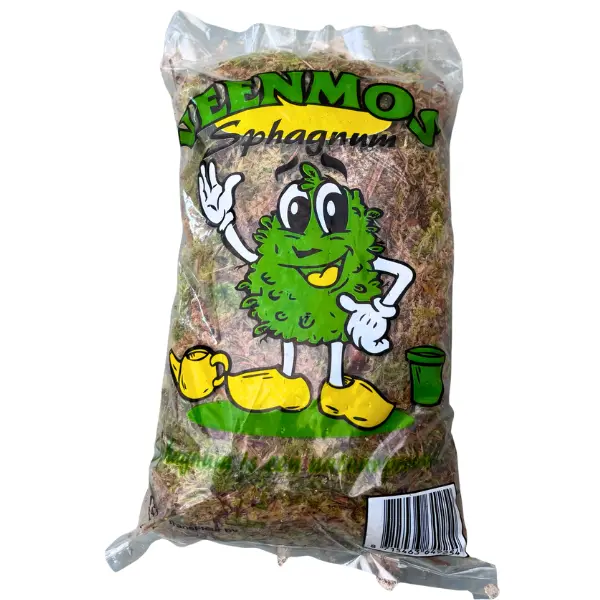
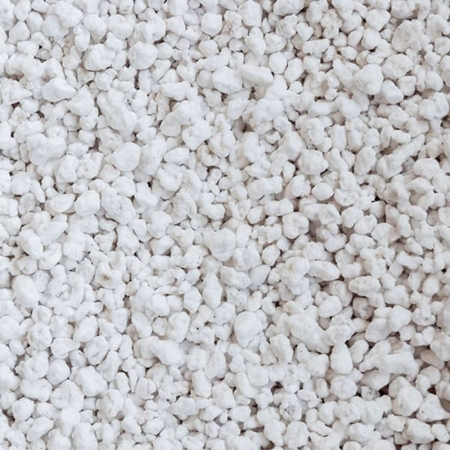
- Substrate: very airy and well-drained — a mix of coco fibre, perlite and bark, similar to that for orchids.
- Fertilising: fertiliser for flowering plants, diluted, every 3–4 weeks during the growing season, to encourage flowering.
- Propagation: easy — stem cuttings rooted in water or moist substrate.
Common problems: dropping leaves or flower buds usually indicates a shock (cold draughts, a sudden change of location or irregular watering) — keep conditions steady. Soft yellow leaves: overwatering. Lack of flowering: insufficient light or no winter rest period. Dry tips: air that is too dry. Long, bare stems: prune regularly to bush up the plant. Aeschynanthus is rarely attacked by pests but can attract mealybugs in dry air.
In conclusion, Aeschynanthus Rasta is the ideal choice for lovers of trailing plants who want textured foliage and spectacular flowers without high demands, in a pet-safe plant. Non-toxic and decorative all year, it looks superb in a hanging pot or on a high shelf. Place it in good light, alongside other Aeschynanthus plants, and you will have a cascade of green curls dotted with flowers like bright lipsticks, year after year.
Lungime: 30 cm
Greutate (kg): 1 Kg
Denumire: Aeschyanthus
Diametru: 12 cm
Cerințe lumină: Partial umbra
Tip plantă: Decorative
Utilizare: Interior
Tip suport: Ghiveci
Material Suport: Plastic
Why is it called the lipstick plant?
How often should I water it?
How do I make it bloom?
Is it toxic to cats and dogs?
How is it propagated?
Recommendations

Ai nevoie și de un ghiveci decorativ?