
 EN/
EN/ Romana
Pseudorhipsalis ramulosa 'Red Coral' Ø14cm
![Pseudorhipsalis ramulosa 'Red Coral' — epiphytic cactus with flat pendulous green-red shoots, Ø14cm pot | Eufloria [0]](https://gomagcdn.ro/domains2/eufloria.ro/files/product/medium/pseudorhipsalis-ramulosa-red-coral-d14cm-014915.png "Pseudorhipsalis ramulosa 'Red Coral' — epiphytic cactus with flat pendulous green-red shoots, Ø14cm pot | Eufloria [0]")
![Pseudorhipsalis ramulosa 'Red Coral' — epiphytic cactus with flat pendulous green-red shoots, Ø14cm pot | Eufloria [1]](https://gomagcdn.ro/domains2/eufloria.ro/files/product/medium/pseudorhipsalis-ramulosa-red-coral-d14cm-601005.png "Pseudorhipsalis ramulosa 'Red Coral' — epiphytic cactus with flat pendulous green-red shoots, Ø14cm pot | Eufloria [1]")
![Pseudorhipsalis ramulosa 'Red Coral' — epiphytic cactus with flat pendulous green-red shoots, Ø14cm pot | Eufloria [1]](https://gomagcdn.ro/domains2/eufloria.ro/files/product/original/pseudorhipsalis-ramulosa-red-coral-d14cm-014915.png "Pseudorhipsalis ramulosa 'Red Coral' — epiphytic cactus with flat pendulous green-red shoots, Ø14cm pot | Eufloria [1]")
![Pseudorhipsalis ramulosa 'Red Coral' — epiphytic cactus with flat pendulous green-red shoots, Ø14cm pot | Eufloria [2]](https://gomagcdn.ro/domains2/eufloria.ro/files/product/original/pseudorhipsalis-ramulosa-red-coral-d14cm-601005.png "Pseudorhipsalis ramulosa 'Red Coral' — epiphytic cactus with flat pendulous green-red shoots, Ø14cm pot | Eufloria [2]")
Pseudorhipsalis ramulosa 'Red Coral' — spineless epiphytic cactus with flat lanceolate shoots shifting to intense coral-red under strong light. Pendulous habit (up to 1 m). Pet-safe. Ø14cm hanging pot.
Approx height (including pot): 35 cm
Flowering state: No flowers
Country of origin: Netherlands
Pot diameter: 14 cm
- Description
- Characteristics
- Reviews (0)
- FAQ
🌿 Pseudorhipsalis ramulosa 'Red Coral' — pendulous cactus with coral-red shoots
Pseudorhipsalis ramulosa 'Red Coral' is a spineless epiphytic cactus of the Cactaceae family, tribe Hylocereeae. The species is native to the neotropical tropical forests (Mexico, Central America, northern South America, and the Caribbean). The 'Red Coral' cultivar is selected for its distinctive ornamental trait: the flat, lanceolate shoots shift from green to intense coral-red and violet under strong light. It is part of our special collector plants.
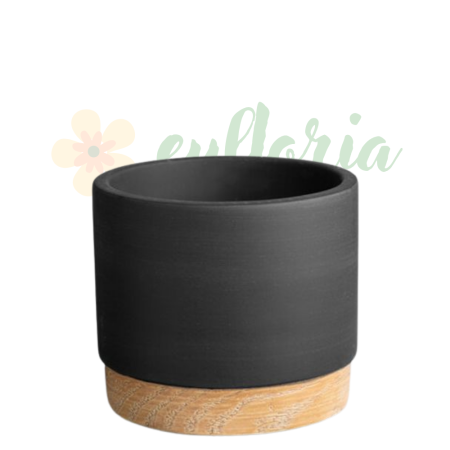
Our specimen comes in a Ø14cm nursery pot, perfect to be moved into a decorative hanging ceramic pot of the same size.
🌍 Origin and dual taxonomic status
The species was originally described as Cereus ramulosus by Joseph zu Salm-Reifferscheidt-Dyck in 1834, transferred to the Pseudorhipsalis genus by Wilhelm Barthlott in 1991 (Bradleya 9). Important taxonomically: POWO/Kew currently officially accepts the name Kimnachia ramulosa, a genus erected after recent molecular phylogenetic studies. In horticultural trade the plant continues to be sold under the classic name Pseudorhipsalis ramulosa, although the official taxonomy has changed. Historical synonyms: Cereus ramulosus, Rhipsalis ramulosa, Hariota ramulosa, Disocactus ramulosus.
The native range is broadly neotropical: Mexico (centre-south), Guatemala, Belize, Honduras, Nicaragua, Costa Rica, Colombia, Venezuela, Ecuador, Peru, Brazil, Bolivia, Haiti, and Jamaica. Natural habitat: epiphytic on tree branches in open humid tropical forests, receiving light filtered through the canopy.
🌱 Morphology — flat spineless shoots with crenate margins
The dominant visual feature of 'Red Coral' are the flat, lanceolate shoots, with scalloped (crenate, spineless) margins. The basal stems are cylindrical, slightly woody, but the lateral branches are flattened like green ribbons up to 25 cm long and 1.5 cm wide. Under strong indirect light, the tips and margins of the shoots develop intense coral-red tones, shifting toward violet — the pattern that gives the cultivar its name. Under low light, the plant remains predominantly green, without the red pigmentation.
The habit is pendulous with dense branching — the branches cascade naturally, reaching 1 m in length with a canopy width of ~60 cm at maturity. Ideal for hanging pots, high shelves, or macramé baskets. Unlike classic spiny cacti, this species is completely unarmed (no thorns) — safe to handle.
🌸 Inflorescences and fruits — "mistletoe cactus" effect
The flowers are small (~1.2 cm long, ~1.5 cm in diameter), greenish-white or delicate pink, appearing from the areoles in summer. After flowering follows one of the most appreciated ornamental traits of the species: ovoid white to pinkish-white fruits (~0.8 cm in diameter) arranged along the shoot margins — an appearance that gave the genus its common name "mistletoe cactus". See more flowering indoor plants.
🐾 Toxicity — pet-safe, safe at home
Pseudorhipsalis (resp. Kimnachia) has no dedicated ASPCA entry, but the closely related genus Rhipsalis (Rhipsalis cassutha / "Mistletoe Cactus") is listed by ASPCA as NON-toxic for dogs, cats, and horses. As a close taxonomic proxy, P. ramulosa is considered safe for pets and children. General caution: any plant material ingested in large quantities may cause mild gastrointestinal upset. This plant is featured among our child- and pet-friendly plants.
🌞 Care Requirements — Complete Guide
- Light: bright indirect (~10,000-20,000 lux). Moderate morning direct light intensifies the coral-red pigmentation. Avoid direct midday sun in summer, which can burn the flat shoots. 1-1.5 m from an east/west window or behind a curtain on a south-facing window.
- Temperature: optimal 18-24°C, tolerates up to 28°C. Avoid exposure below 10°C — tropical species sensitive to frost.
- Watering: moderate — water when the topsoil has dried 30-50% (top 2-3 cm). Summer every 7-10 days, winter every 14-21 days. Unlike desert cacti, P. ramulosa is a tropical epiphyte — prefers slightly moist substrate, not completely dry.
- Humidity: 50-60% sufficient. Tolerates apartments with standard humidity.
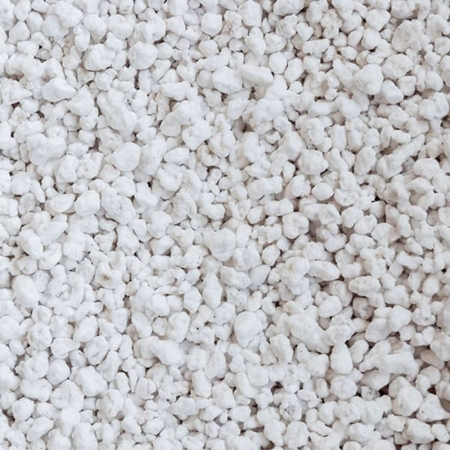
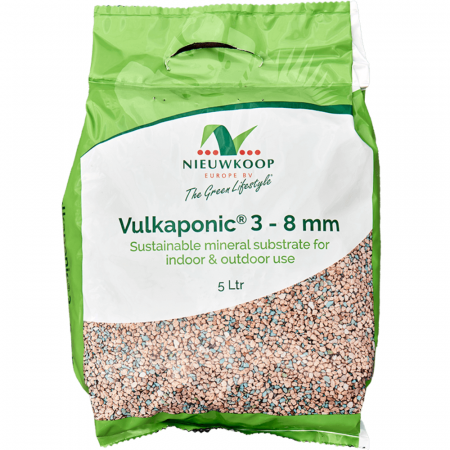
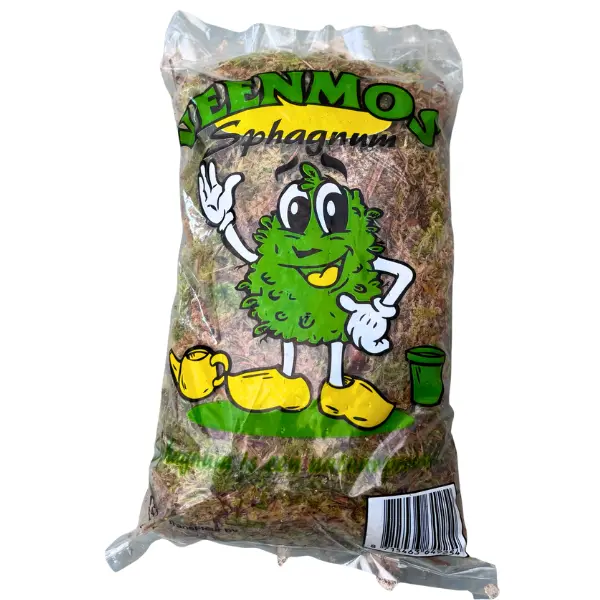
- Substrate: airy and well-drained, bark-based — mix for cacti/orchids. Ideal combination: medium pine bark (50%), natural sphagnum (20%), perlite (20%), and a drainage layer of Vulkaponic at the pot base (10%). Avoid compact universal substrate.
- Fertilising: monthly spring-summer with a mild balanced formula (NPK 5-5-5) or for cacti.
- Propagation: stem cuttings (segments 5-10 cm) allowed to callus for 1-2 days, then planted in slightly moist substrate; roots in 3-4 weeks. Very high success rate.
- USDA zone: 10a-11b (does not tolerate frost).
🎓 Why Choose Pseudorhipsalis 'Red Coral'
It is a rare combination of spineless epiphytic cactus (safe to handle) and a plant that changes colour according to light — an active ornamental trait, not just static. The pendulous habit makes it perfect for vertical spaces, and the white-pinkish fruits add a second ornamental show after flowering. Unlike standard green Rhipsalis, the 'Red Coral' variant offers added value through coral-red pigmentation. It integrates beautifully into the trailing plants collection, complementing Hoya species with similar cultivation requirements (epiphytic, indirect light). It is also an excellent option for easy-care plants.
Pseudorhipsalis ramulosa 'Red Coral' is a jungle (epiphytic) cactus, completely different from desert cacti: in nature it grows on tree branches in the tropical forests of Central and South America, in the shade of the canopy, benefiting from high humidity and filtered light. Its flat, segmented stems hang elegantly and take on a spectacular coral-red colour when they receive strong light — hence the cultivar's name.
Unlike desert cacti, this species does not tolerate prolonged drought or scorching direct sun. It needs more regular watering (but without excess) and an airy substrate that retains a little moisture. Bright indirect light is ideal: too little light keeps the stems green, while good light intensifies the red and coral tones.
Its trailing habit makes it perfect for hanging pots or high shelves, where the stems can cascade in colourful curtains. It is a spectacular, easy-care plant, ideal both for beginners and for collectors of jungle cacti and trailing plants. Spineless, it is safe to handle and friendly to homes with children and pets.
In spring, the plant may produce small, creamy-yellow flowers, sometimes followed by small, translucent fruits. Although the flowers are discreet, the real show remains the colourful foliage and the generous trailing habit, which turns the plant into a living accent in any bright space.
📚 Related blog articles

Lungime: 30 cm
Greutate (kg): 1 Kg
Denumire: Pseudorhipsalis
Diametru: 14 cm
Cerințe lumină: Partial umbra
Tip plantă: Decorative
Utilizare: Interior
Tip suport: Ghiveci
Material Suport: Plastic
Why does the plant also appear under the name Kimnachia ramulosa?
Why aren't the shoots coral-red on my plant?
Is Pseudorhipsalis 'Red Coral' safe for cats and dogs?
How do I water it — like a desert cactus?
How do I propagate it?
Recommendations


Ai nevoie și de un ghiveci decorativ?







