EN/
EN/ Romana
Syngonium 'Panda' Ø10.5cm
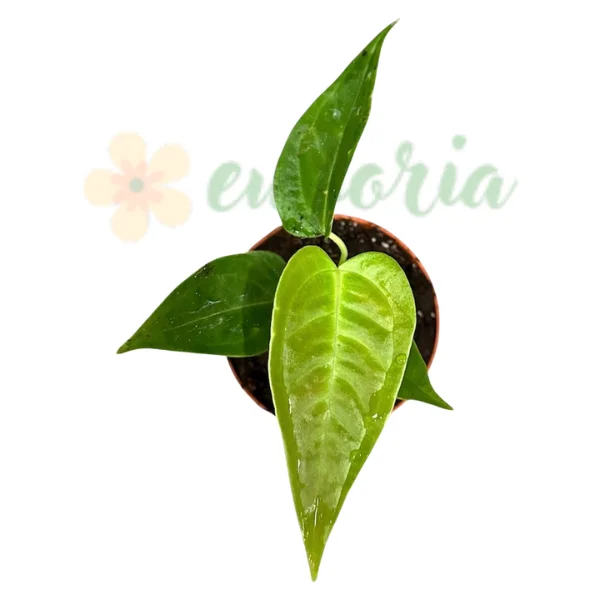
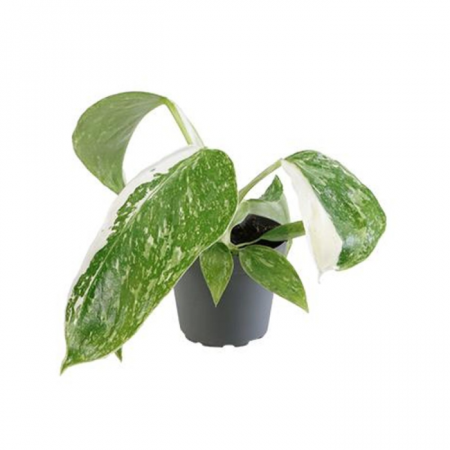
![Syngonium 'Panda' — arrow-shaped leaves with mint-green/cream mottled variegation, Ø10.5cm pot | Eufloria [0]](https://gomagcdn.ro/domains2/eufloria.ro/files/product/medium/syngonium-panda-370564.jpg "Syngonium 'Panda' — arrow-shaped leaves with mint-green/cream mottled variegation, Ø10.5cm pot | Eufloria [0]")
![Syngonium 'Panda' — arrow-shaped leaves with mint-green/cream mottled variegation, Ø10.5cm pot | Eufloria [1]](https://gomagcdn.ro/domains2/eufloria.ro/files/product/medium/syngonium-panda-869452.jpg "Syngonium 'Panda' — arrow-shaped leaves with mint-green/cream mottled variegation, Ø10.5cm pot | Eufloria [1]")
![Syngonium 'Panda' — arrow-shaped leaves with mint-green/cream mottled variegation, Ø10.5cm pot | Eufloria [1]](https://gomagcdn.ro/domains2/eufloria.ro/files/product/original/syngonium-panda-370564.jpg "Syngonium 'Panda' — arrow-shaped leaves with mint-green/cream mottled variegation, Ø10.5cm pot | Eufloria [1]")
![Syngonium 'Panda' — arrow-shaped leaves with mint-green/cream mottled variegation, Ø10.5cm pot | Eufloria [2]](https://gomagcdn.ro/domains2/eufloria.ro/files/product/original/syngonium-panda-869452.jpg "Syngonium 'Panda' — arrow-shaped leaves with mint-green/cream mottled variegation, Ø10.5cm pot | Eufloria [2]")
Syngonium 'Panda' (S. podophyllum) — variegated cultivar with mint-green, cream, and silver mottled pattern on deep green. Each leaf unique. Stable variegation. ⚠️ Toxic (calcium oxalate) — keep away from cats/dogs/children. Ø10.5cm pot.
Approx height (including pot): 15 cm
Country of origin: Netherlands
Pot diameter: 10.5 cm
- Description
- Characteristics
- Reviews (0)
- FAQ
🌿 Syngonium 'Panda' — mottled pattern in delicate tones
Syngonium 'Panda' is a variegated cultivar of the species Syngonium podophyllum Schott, officially described in 1851. Araceae family. The cultivar is selected for its distinctive mottled pattern — irregular spots and splashes of mint-green, cream, and silver on the deep green lamina background. Unlike cultivars with dramatic white variegation (such as 'Albo'), 'Panda' offers a gentler, more time-stable contrast, with each leaf having a unique pattern. It is part of our special collector plants.
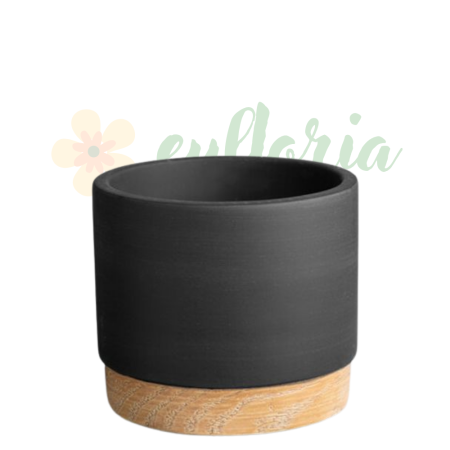
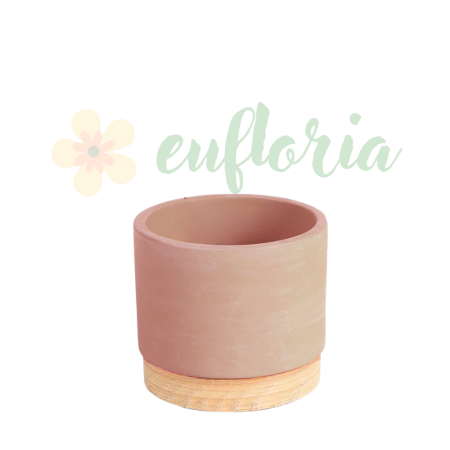
Our specimen comes in a Ø10.5cm nursery pot, perfect to be moved into a decorative ceramic pot of the same size.
🌍 Origin and taxonomic history
The mother species Syngonium podophyllum Schott was described in 1851 in Botanische Zeitung. The native range extends from Mexico through Central America (Belize, Guatemala, Honduras, Costa Rica, Panama) to South America (Colombia, Venezuela, Brazil, Peru, Bolivia, Ecuador, Suriname, Guyana, French Guiana). The species is secondarily naturalized in Florida, Hawaii, the Caribbean, tropical Asia, the Seychelles, and Vanuatu. The natural habitat are low-altitude humid tropical forests, where the plant grows as a hemiepiphytic vine — at ground level when young, gradually climbing trees as the shoots grow.
The 'Panda' cultivar circulates in horticultural trade as a consecrated commercial name, not as an officially registered cultivar with the International Cultivar Registration Authority. It is derived from a stable variegated mutation, propagated vegetatively.
🌱 Foliage — arrowhead with unique pattern per leaf
The juvenile leaves are arrow-shaped (sagittate) — the typical form of the Syngonium genus, which gave the English name "arrowhead vine". As the plant matures and climbs on support, the leaves can develop lateral lobes, becoming trilobate or palmately lobate. The texture is soft, slightly waxy.
The 'Panda' variegation pattern is mottled — irregular spots and splashes, distributed apparently randomly on the lamina. The dominant tones are mint-green, cream, and silver on a deep green background. Each leaf shows a unique pattern, never identical to others — a trait appreciated by collectors for the aesthetic value of uniqueness. Light influences the visibility of the variegation: under low light the contrast fades; under bright indirect light the cream and silver tones become more evident. The pattern is stable over time, not reversible to solid green.
🌿 Habitus — climbing hemiepiphytic vine
Syngonium podophyllum is a hemiepiphytic vine — it grows initially on the ground from seeds, then climbs on trunks through adventitious roots, becoming epiphytic on the upper parts. In cultivation, the plant can be grown as a compact shrub (bushy form without support) or trained vertically on a moss pole (mature form with lobed leaves). With support, it reaches 90-150 cm in height and a canopy width of ~70 cm. Growth is vigorous.
🌸 Inflorescences — rare indoors
Like all Araceae genera, Syngonium produces an inflorescence of spadix wrapped in a spathe. Flowering under apartment conditions is however extremely rare; the plant invests energy predominantly in producing new leaves and shoots. The ornamental value of Syngonium 'Panda' lies entirely in the foliage.
⚠️ Toxicity — IMPORTANT for homes with animals or children
Syngonium is toxic to cats, dogs, horses, and irritant to children. According to the ASPCA database, the species Syngonium podophyllum (Arrowhead Vine) contains insoluble calcium oxalate crystals (raphides) in all parts of the plant. Ingestion causes severe oral irritation, pain and swelling of the mouth/tongue/lips, excessive salivation, vomiting, and difficulty swallowing.
Keep the plant away from pets and curious children. Use gloves when repotting — the sap can cause skin irritation. This plant is NOT among our child- and pet-friendly plants — for pet-safe options consult that category.
🌞 Care Requirements — Complete Guide
- Light: bright indirect (~10,000-20,000 lux). 1-1.5 m from an east/west window or behind a curtain on a south-facing window. Direct sun burns the leaves; low light fades the variegation.
- Temperature: optimal 18-27°C. Avoid exposure below 15°C — tropical species.
- Watering: moderate — water when 30-50% of the substrate is dry (top 2-3 cm dry). Summer every 5-7 days, winter every 10-14 days. Drainage is mandatory — sensitive to standing water.
- Humidity: 50-60% sufficient for robust growth; tolerates apartments with standard humidity.
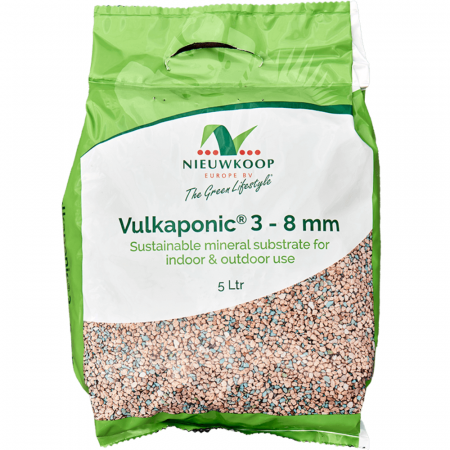
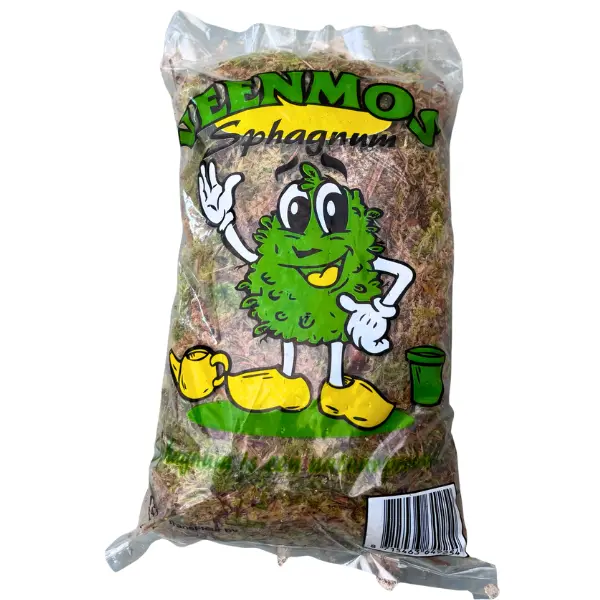
- Substrate: airy, moderate retention — a mix of coco coir, medium pine bark, perlite, and natural sphagnum. Drainage layer of Vulkaponic at the pot base.
- Support: optional — moss pole or totem for the formation of mature lobed leaves.
- Fertilising: monthly spring-summer with diluted balanced liquid fertiliser.
- Propagation: stem cuttings with at least one node, in water, moist sphagnum, or LECA; roots in 2-4 weeks. Very high success rate.
🎓 Why Choose Syngonium 'Panda'
It is one of the most accessible variegated cultivars in the Syngonium genus — the combination of distinctive mottled pattern, stable variegation, and friendly care requirements makes it perfect both for beginners and for collectors who want to add a variegated Syngonium to their set. Unlike more demanding cultivars such as 'Albo', 'Panda' does not require special attention to maintain variegation. It integrates beautifully into the special collector plants collection and is a solid option for office plants with indirect light.
📚 Related blog articles

Lungime: 15 cm
Greutate (kg): 0.5 Kg
Denumire: Syngonium
Diametru: 10.5 cm
Cerințe lumină: Partial umbra
Tip plantă: Decorative
Utilizare: Interior
Tip suport: Ghiveci
Material Suport: Plastic
What is the difference between 'Panda' and 'Panda Albo'?
Is Syngonium 'Panda' toxic to cats and dogs?
Why don't the leaves have lateral lobes like in internet photos?
How do I water it correctly?
How do I propagate it?
Recommendations
Ai nevoie și de un ghiveci decorativ?