Hoya phuwuaensis D6

35,00 RON

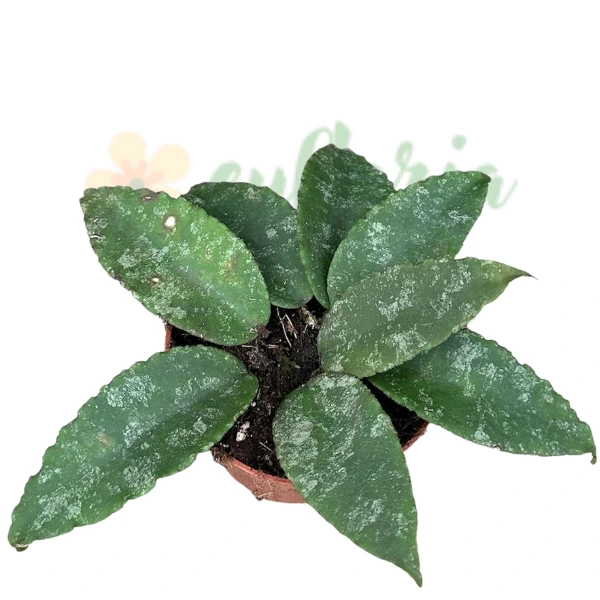
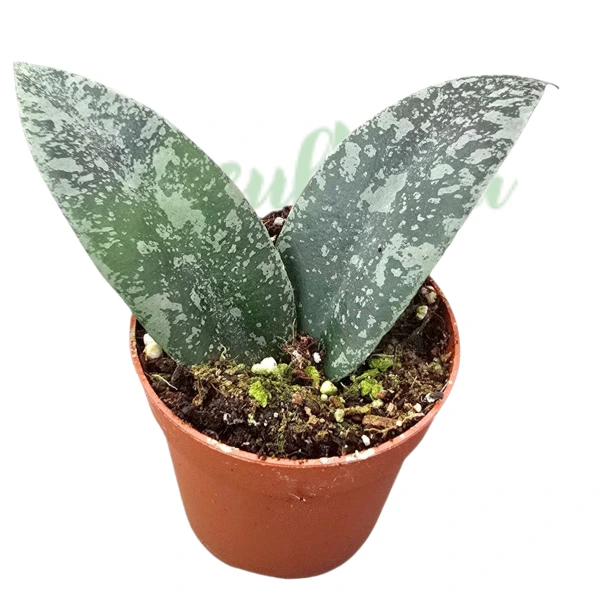
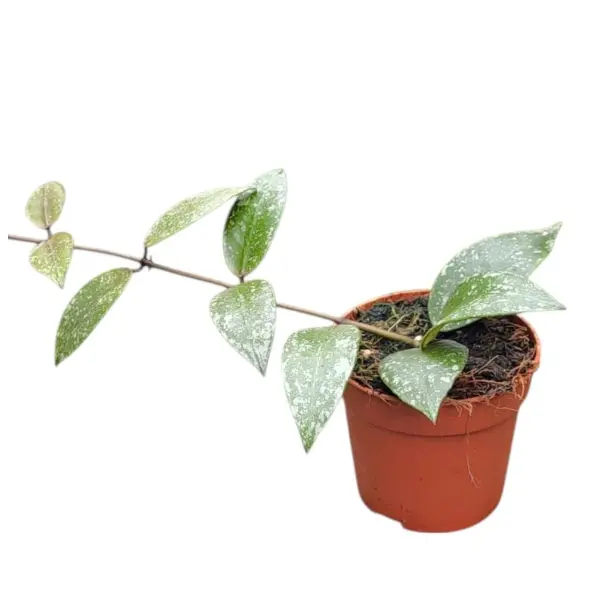
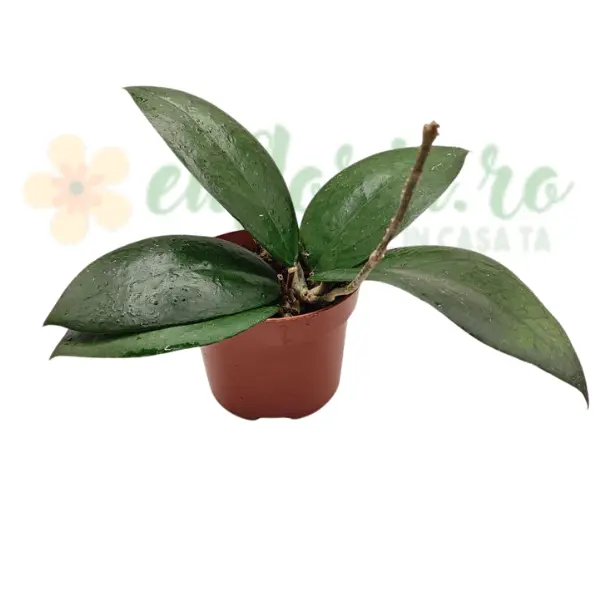
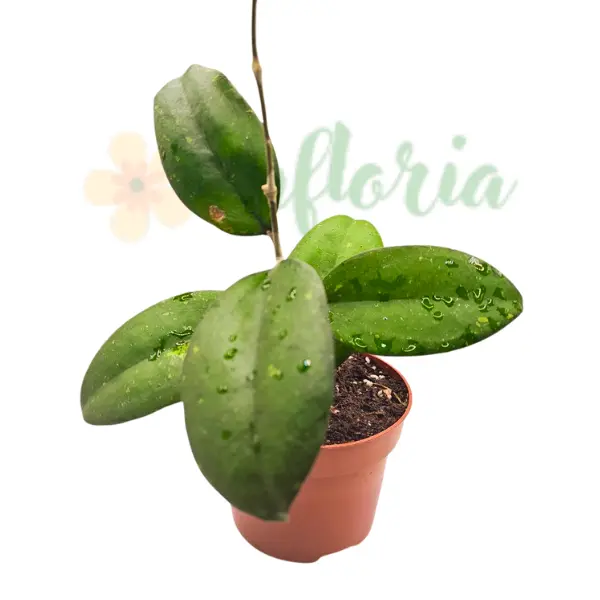
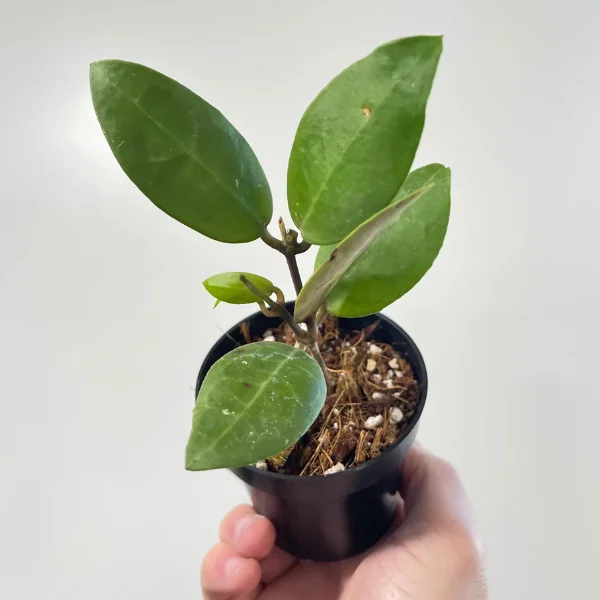
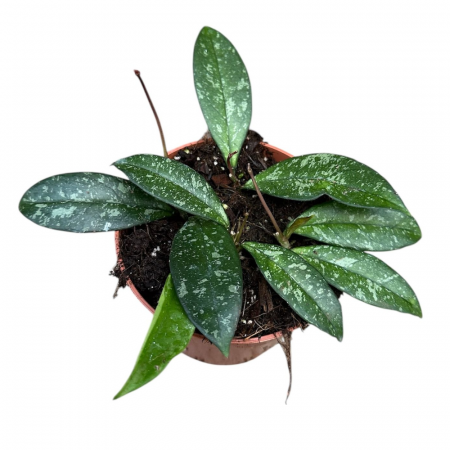
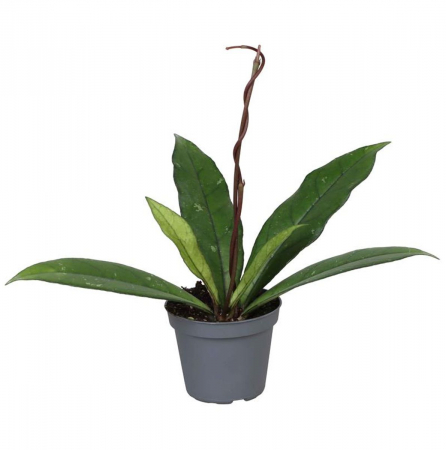
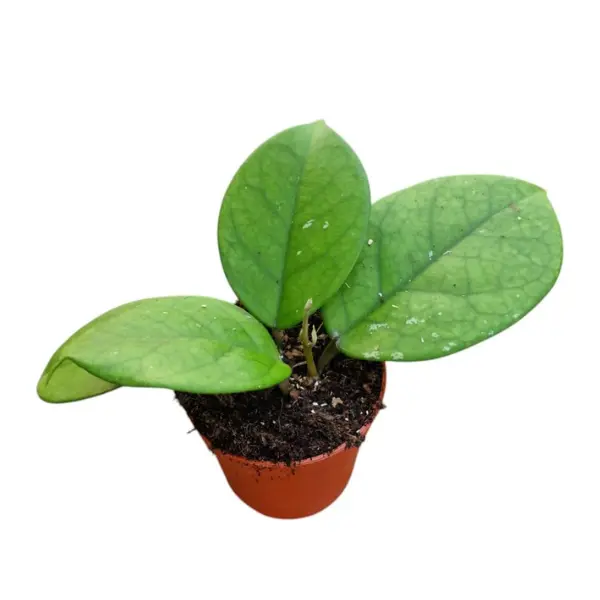
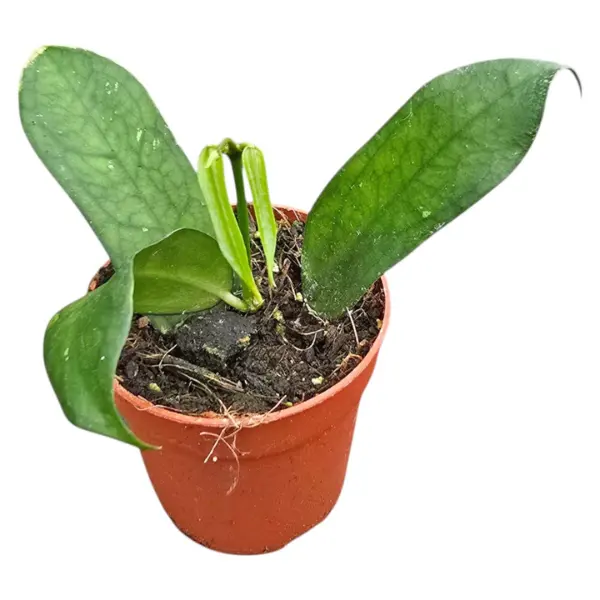
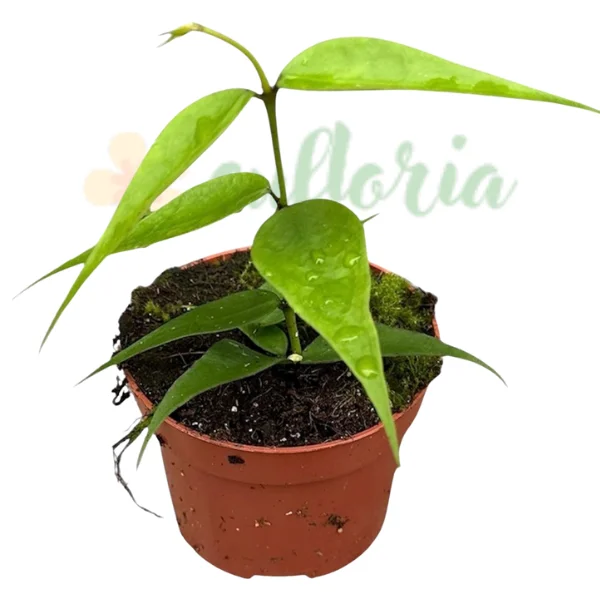
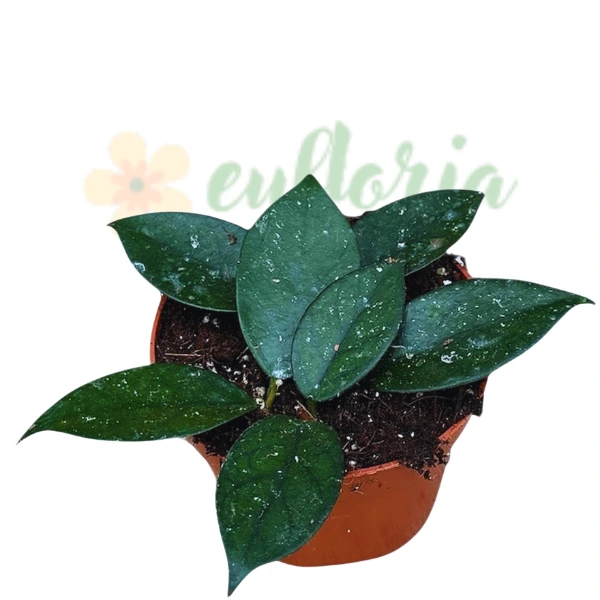
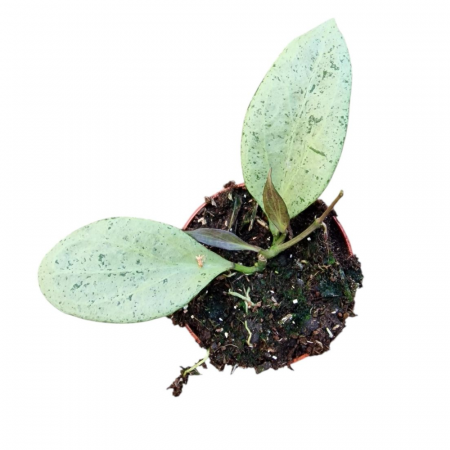
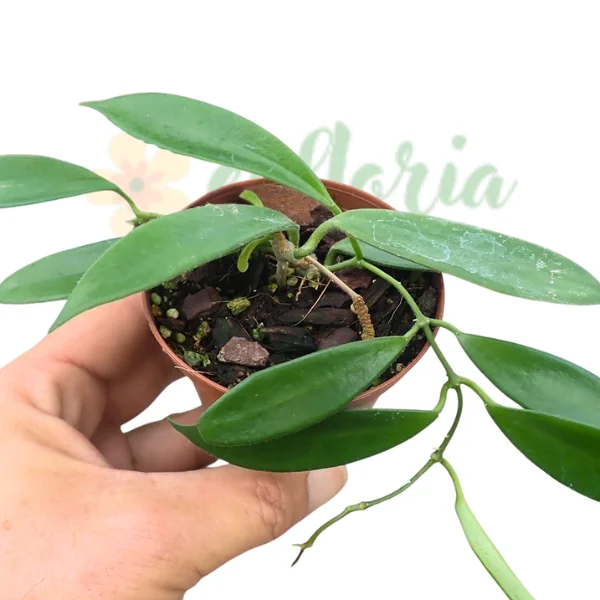
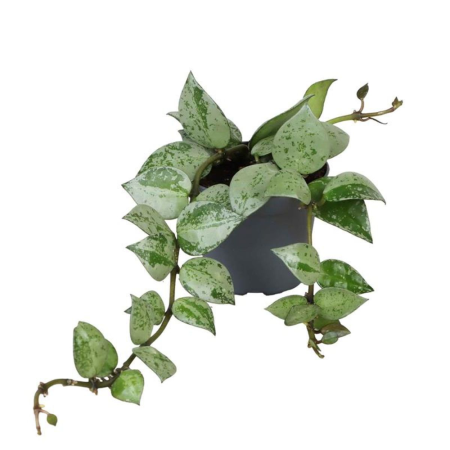
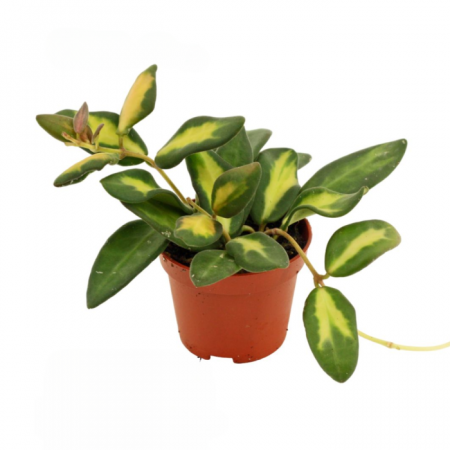
Hoya phuwuaensis – A recently discovered species (2015) from northeastern Thailand with thick, silver-splashed leaves featuring distinctive ruffled margins. Produces stunning creamy-white flowers with deep red coronas and a sweet chocolate-like fragrance, especially at night. Easier to grow than its close relative Hoya caudata. Climbing/trailing habit, ideal for trellises or hanging baskets. Non-toxic to pets!

Approx height (including pot): 10 cm

Flowering state: No flowers

Pot diameter:
In stock
Stock limit
Add to cart
Product Code: 4008908449484 Do you need help? 0724.394.887
Add to wishlist Request information
  • Description
  • Characteristics
  • Reviews (0)
  • FAQ

🌿 A Recent Discovery from Thailand's Wild Forests

Hoya phuwuaensis is one of the most exciting recent additions to the world of collectible Hoyas – a species that was only discovered in the wild in 2015 and formally described to science in 2016. Found in the remote Phu Wua Wildlife Sanctuary in northeastern Thailand, this climbing epiphyte brings the mystique of undiscovered forests right into your home. The leaves are thick, leathery, and beautifully mottled with silver splashes scattered across a matte green surface – reminiscent of the better-known Hoya caudata, but with a character all its own. The leaf margins are distinctively ruffled or wavy, adding texture and visual interest that sets this species apart. And when it blooms, the rewards are spectacular: clusters of creamy-white, star-shaped flowers with deep red-pink coronas that release a sweet, almost chocolate-like fragrance, especially in the evening hours. For collectors seeking something rare, beautiful, and surprisingly manageable, Hoya phuwuaensis delivers on all fronts.

🌍 Origins & Botanical History

Hoya phuwuaensis was first discovered in the Phu Wua Wildlife Sanctuary, located in Bueng Kan Province in northeastern Thailand, in July 2015. The species was formally described by Thai botanist Dr. Manit Kidyoo and published in the journal Phytotaxa in October 2016. Before its official naming, it circulated among collectors under the provisional name "Hoya sp. Phu Wua" – referring to its place of origin. The specific epithet "phuwuaensis" honours this discovery location. In its native habitat, the plant grows as a climbing epiphyte in wet tropical forests, using aerial roots to cling to tree trunks and branches in the humid, shaded understorey. The genus Hoya itself was named after Thomas Hoy (c. 1750–1821), an English gardener who worked at Syon House. Hoya phuwuaensis belongs to the Apocynaceae family (subfamily Asclepiadoideae), which includes over 500 Hoya species distributed across tropical and subtropical Asia, Australia, and the Pacific islands. This species is closely related to the more widespread Hoya caudata, sharing similar features like silver-mottled leaves and pendant (positively geotropic) inflorescences, but distinguished by its elliptic leaves with cuneate (wedge-shaped) bases and different corona structure.

🍃 Foliage – Silver-Splashed & Ruffled

The leaves of Hoya phuwuaensis are one of its most attractive features. They are thick, leathery, and semi-succulent with a distinctive matte finish rather than the high gloss seen in many Hoyas. The leaf shape is elliptic to slightly lanceolate, with a wedge-shaped (cuneate) base and pointed tip. Leaf size varies with growing conditions but typically ranges from 8-15 cm in length. The upper leaf surface displays prominent silver mottling – random splashes and speckles of silver scattered across the dark green background, creating a beautiful dappled effect that varies from leaf to leaf. Some leaves may show more pronounced silver marking than others depending on genetics and light exposure. The leaf margins are distinctively ruffled or wavy – a characteristic feature that helps distinguish this species from similar-looking relatives like Hoya caudata. New leaves often emerge with a subtle pinkish or bronze tint before maturing to deep green. The leaves grow in pairs along woody, climbing stems that can reach considerable length over time.

🌸 Flowers – Creamy Stars with Chocolate Fragrance

The flowers of Hoya phuwuaensis are a true collector's reward. They are star-shaped, waxy, and produced in pendant umbels (hanging clusters) typical of the species group. Individual flowers measure approximately 1-1.5 cm across, with creamy white to pale yellow corolla lobes and a striking deep red to pinkish-purple corona (the central crown structure) that provides dramatic contrast. The umbels contain multiple flowers that open in succession, extending the display period. Like many Hoyas, the blooms are nocturnal in their behaviour – they often open more fully at night and release their fragrance most intensely during evening and nighttime hours. The scent has been described as sweet, rich, and reminiscent of chocolate or "Tootsie Rolls" by some growers – a delightful surprise for those who experience it for the first time. Flowers appear on persistent peduncles (flower stalks) that should never be removed after blooming, as the plant will re-bloom from the same spurs in subsequent flowering cycles. With proper care, Hoya phuwuaensis is considered a relatively willing bloomer compared to some of its more demanding relatives.

🌿 Growth Habit & Development

Hoya phuwuaensis is a climbing or trailing epiphyte with a moderate growth rate. The stems are woody, becoming more robust with age, and will climb if given support or trail elegantly from a hanging basket. In its native forest habitat, the plant uses aerial roots to anchor itself to tree bark as it climbs toward brighter light in the canopy. Indoors, you can train it on a trellis, moss pole, or hoop for a more compact display, or allow it to cascade from an elevated position. Growth is most active during the warmer months (spring through autumn) when temperatures and light levels are optimal. The plant may slow or pause growth during winter but typically resumes vigorously when conditions improve. Many growers report that Hoya phuwuaensis is easier to cultivate than its close relative Hoya caudata – more forgiving of minor care errors and more reliable in producing flowers. Still, like most Hoyas, it benefits from consistency in care and patience as it matures.

Care Requirements:

  • Light: Bright, indirect light is ideal. In nature, this species grows in the filtered light beneath the forest canopy, so very little direct sun should reach the plant. An east-facing window or a position a few feet back from a south or west-facing window works well. Adequate light encourages compact growth and flowering; insufficient light leads to leggy growth and reluctance to bloom. Some early morning or late afternoon direct sun is tolerable, but avoid harsh midday sun which can scorch the leaves.
  • Water: Allow the potting mix to dry out mostly between waterings. Hoyas are semi-succulent and store water in their thick leaves, making them more tolerant of underwatering than overwatering. Water thoroughly when the top half of the substrate feels dry, then allow to drain completely. Reduce watering in winter when growth slows. Consistently wet soil leads to root rot, which is the most common cause of Hoya failure. Use room-temperature water.
  • Soil: A very well-draining, chunky, aerated mix is essential. Think of this plant as an epiphyte that needs air around its roots. A good mix might include orchid bark, perlite, coconut coir or chips, and a small amount of potting soil. Commercial orchid mixes or aroid mixes work well. Some growers use LECA (semi-hydroponics) successfully. The key is excellent drainage and aeration – roots that sit in dense, wet soil will rot.
  • Temperature: 15-30°C is the comfortable range, with optimal growth between 18-27°C. This tropical species does not tolerate cold – avoid temperatures below 10°C. Keep away from cold drafts, air conditioning vents, and heating sources. Consistent warmth encourages steady growth and supports flowering.
  • Humidity: Moderate to high humidity (60-80%) is preferred, reflecting the plant's tropical rainforest origins. While it can adapt to average household humidity (40-50%), higher humidity promotes faster, more lush growth and can support flower development. A humidifier, pebble tray, or grouping with other plants can help maintain humidity. Good air circulation is important to prevent fungal issues – avoid misting directly onto the leaves if humidity is already high.
  • Feeding: Feed with a balanced liquid fertilizer diluted to half strength every 2-4 weeks during the active growing season (spring through autumn). Some growers use a fertilizer higher in phosphorus during spring to encourage blooming. Avoid over-fertilizing, which can cause salt buildup and root damage. Do not fertilize in winter when growth is minimal. Fresh potting mix contains adequate nutrients for several months after repotting.

Botanical Info: Family: Apocynaceae (subfamily Asclepiadoideae) | Genus: Hoya | Species: Hoya phuwuaensis Kidyoo (2016) | Former Name: Hoya sp. Phu Wua | Common Names: Phu Wua Hoya | Type: Climbing/Trailing Epiphyte | Native Range: Northeastern Thailand (Phu Wua Wildlife Sanctuary, Bueng Kan Province); also reported in Vietnam | Zone: USDA 10-12 (indoor cultivation in temperate climates) | Flowering: Creamy white with red/pink corona, star-shaped, pendant umbels, fragrant (chocolate/sweet scent, strongest at night), spring-autumn | Growth Rate: Moderate | Mature Size: Vines can trail or climb 1-2+ metres

Product compliance information

Lungime: 10 cm

Greutate (kg): 0.1 Kg

Denumire: Hoya

Diametru: 6 cm

Cerințe lumină: Partial umbra

Tip plantă: Decorative

Utilizare: Interior

Tip suport: Ghiveci

Material Suport: Plastic

If you want to express your opinion about this product you can add a review.

The review was sent successfully.

What is the difference between Hoya phuwuaensis and Hoya caudata?

Hoya phuwuaensis and Hoya caudata are closely related species that share several features, including silver-mottled leaves and pendant (downward-hanging) inflorescences. However, they can be distinguished by several characteristics: Hoya phuwuaensis has elliptic leaves with a cuneate (wedge-shaped) base, while Hoya caudata typically has more ovate leaves. The leaf margins of H. phuwuaensis are distinctively ruffled or wavy. The corona (central flower structure) differs between the species – H. phuwuaensis has obovate-oblong corona lobes compared to H. caudata's different shape. Most importantly for growers, H. phuwuaensis is widely considered easier to cultivate and more willing to bloom than the sometimes temperamental H. caudata.

When was Hoya phuwuaensis discovered and named?

Hoya phuwuaensis was discovered in the wild in July 2015 in the Phu Wua Wildlife Sanctuary, located in Bueng Kan Province in northeastern Thailand. Before its formal description, it circulated among collectors under the provisional name "Hoya sp. Phu Wua." The species was formally described and named by Thai botanist Dr. Manit Kidyoo, with the scientific publication appearing in the journal Phytotaxa in October 2016. The specific epithet "phuwuaensis" honours the location where it was first found. This makes it one of the most recently described Hoya species to enter general cultivation.

How do I get my Hoya phuwuaensis to bloom?

To encourage blooming: provide bright, indirect light – insufficient light is the most common reason Hoyas fail to flower. Keep the plant slightly root-bound, as Hoyas often bloom more readily when their roots are somewhat constrained. Maintain consistent care without major environmental changes. Allow the substrate to dry appropriately between waterings – stressed plants from overwatering rarely bloom. Do not remove old flower stalks (peduncles) after blooming, as the plant will re-bloom from the same spurs. Consider using a fertilizer slightly higher in phosphorus during spring. Be patient – plants may take a year or more to become established enough to flower, but once they start, they typically bloom repeatedly.

What do Hoya phuwuaensis flowers smell like?

The flowers of Hoya phuwuaensis have been described as having a sweet, rich fragrance often compared to chocolate or "Tootsie Rolls." The scent is most intense in the evening and at night – a natural adaptation to attract nocturnal pollinators in the plant's native habitat. Not all flowers may be equally fragrant, and individual perception of the scent can vary, but most growers who have experienced the blooms describe them as pleasantly sweet and distinctive. Like many Hoyas, the flowers may also open more fully after dark.

How difficult is Hoya phuwuaensis to grow compared to other Hoyas?

Hoya phuwuaensis is considered easier to grow than many of its close relatives, including the popular Hoya caudata and Hoya flagellata. Experienced growers consistently report that it is more forgiving of minor care mistakes, adapts better to typical indoor conditions, and flowers more readily than some demanding species. This makes it an excellent "stepping stone" for collectors who want to work their way up to more challenging Hoyas. That said, it still benefits from the fundamentals of good Hoya care: excellent drainage, bright indirect light, allowing the substrate to dry between waterings, and patience as the plant matures.

Is Hoya phuwuaensis toxic to cats and dogs?

No, Hoya phuwuaensis is not toxic to cats, dogs, or horses. The ASPCA confirms that Hoya species are non-toxic to pets, making them an excellent choice for households with animals. While no specific ASPCA entry exists for this recently described species, the entire Hoya genus is consistently listed as safe. As with any plant, eating large quantities might cause mild stomach upset (temporary nausea or vomiting) simply because pets are not designed to digest plant matter – but this is not a toxic reaction. Hoya phuwuaensis is one of the safest choices for pet-friendly homes.

How do you care for Hoya?

Hoya prefers bright indirect light and moderate watering. Let soil dry between waterings. Use well-draining substrate. Ideal temperature is 18-27°C.

Does Hoya bloom indoors?

Yes, Hoya produces spectacular star-shaped waxy flowers with intense fragrance. Do not cut peduncles after blooming - future flowers appear on the same ones.

How do you propagate Hoya?

Hoya propagates through stem cuttings with 2-3 nodes, placed in water or moist sphagnum. Rooting takes 2-6 weeks.

Compara produse

You must add at least one product to compare products.

Was added to wishlist!

Was removed from wishlist!