EN/
EN/ Romana
Hoya 'Microdwarf' Ø7cm
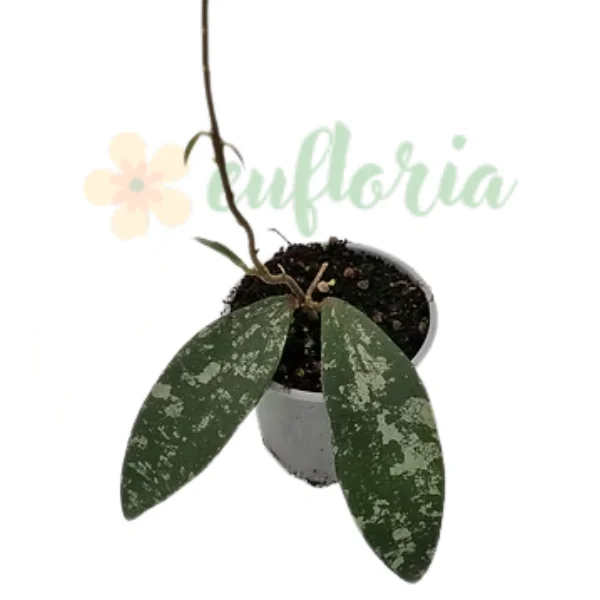
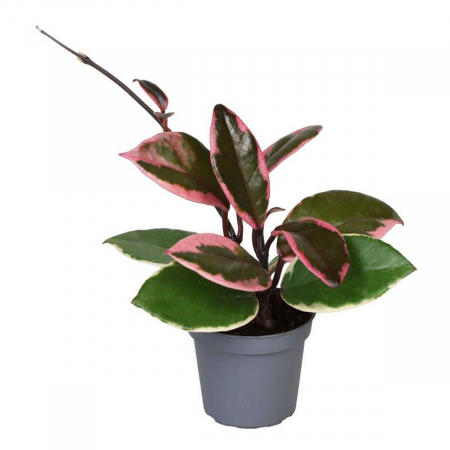
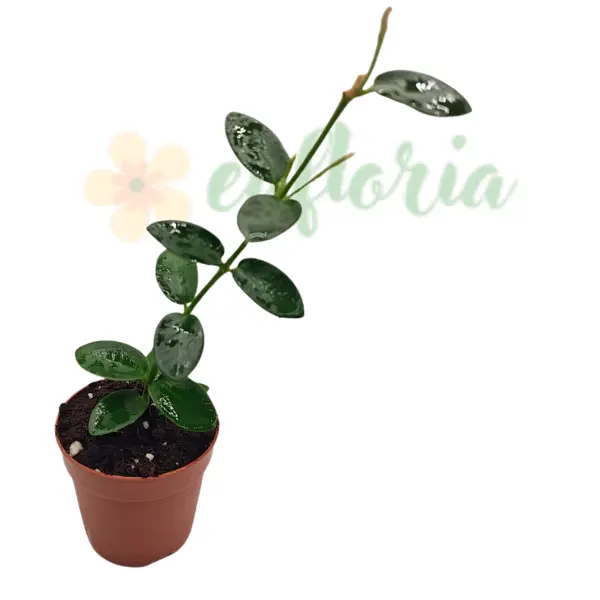
![Hoya 'Microdwarf' - miniaturized plant with compact waxy foliage [1]](https://gomagcdn.ro/domains2/eufloria.ro/files/product/original/hoya-microdwarf-d7cm-335987.jpg "Hoya 'Microdwarf' - miniaturized plant with compact waxy foliage [1]")
Hoya ‘Microdwarf’ is a miniaturized cultivar from the Apocynaceae family, notable for its tiny, waxy, deep-green foliage with a delicate texture. Its compact habit and reduced dimensions make it ideal for terrariums, small spaces, and rare plant collections. A living botanical jewel.
Note: Product images are for guidance only. Due to different batches of imported products, there may be differences between the images on the website and the actual appearance of the products.
Approx height (including pot): 5 cm
Flowering state: No flowers
Pot diameter: 7 cm
- Description
- Characteristics
- Reviews (0)
- FAQ
🌿 Hoya Microdwarf — A Living Miniature of the Tropical World
Hoya ‘Microdwarf’ is one of the most fascinating cultivars in the Hoya genus, cherished for its extremely reduced dimensions and delicate, almost ethereal appearance. This miniaturized plant represents a true botanical gem, captivating collectors with its tiny foliage and compact growth habit that dramatically sets it apart from other species in the genus. Every detail of this plant seems distilled to its essence, yet retaining all the elegance and waxy texture characteristic of Hoya.
In the world of tropical plant collectors, Hoya ‘Microdwarf’ holds a special place. Its rarity, combined with its unique appearance and relatively accessible care requirements, transforms it into a centrepiece of any collection. It is the kind of plant that draws gazes and sparks conversations — a marvel of nature in miniature.
Cultivated with patience and attention, Hoya ‘Microdwarf’ rewards its caretaker with a discreet yet memorable presence. Whether placed in a terrarium, on a well-lit shelf, or in a hanging pot, this plant brings a touch of the exotic to any space.
🌍 Origin and Botanical History
The genus Hoya belongs to the Apocynaceae family, subfamily Asclepiadoideae, and was first described by botanist Robert Brown in 1810, in honour of Thomas Hoy, gardener to the Duke of Northumberland. With over 500 described species, Hoya is one of the most diversified genera of tropical epiphytic plants in the world.
The ‘Microdwarf’ cultivar is the result of modern horticultural selection, chosen for its exceptionally small dimensions. Although its exact genetic origin is not fully documented, it is believed to derive from selections of species native to Southeast Asia — a region that harbours the greatest concentration of Hoya species on the planet, from the humid tropical forests of Borneo to the mountainous valleys of the Philippines.
The name “Microdwarf” directly reflects its dominant trait: a miniature dwarf plant with all vegetative organs proportionally reduced. This miniaturist adaptation makes it particularly attractive for cultivation in confined spaces and terrariums.
🌱 The Foliage
The defining element of Hoya ‘Microdwarf’ is its minuscule foliage. The leaves are small, ovate to elliptic, measuring just 1–2 centimetres in length and 0.5–1 cm in width. Their texture is waxy and succulent, characteristic of the Hoya genus, with a smooth surface that displays a delicate sheen in natural light.
Leaf colour ranges from medium green to deep green, depending on the intensity of light received. To the touch, the leaves have a firm yet flexible consistency, with entire margins and a slightly pointed tip. The main veins are visible as subtle lines on the leaf surface, creating a fine yet elegant pattern.
This remarkable miniaturization of the foliage does not diminish the plant’s beauty — on the contrary, it amplifies it, transforming each leaf into a small work of natural art. Viewed up close, the leaves of Hoya ‘Microdwarf’ reveal a surprising complexity for their modest dimensions.
🌸 The Flowers
Like all species in the Hoya genus, ‘Microdwarf’ has the potential to produce flowers under optimal growing conditions. Hoya flowers are renowned in the botanical world for their waxy, almost artificial appearance, and for their sweet fragrance that intensifies during evening hours. In this cultivar, the flowers are proportionally smaller, grouped in delicate umbels formed on slender peduncles.
Flowering requires patience and specific conditions: the plant must reach maturity (at least 2–3 years), receive consistent bright indirect light, and benefit from a winter rest period with reduced watering. It is essential not to cut the floral peduncles after wilting, as Hoya produces new blooms from the same structures in subsequent seasons.
🌱 Growth and Development
Hoya ‘Microdwarf’ has a compact habit and slow growth rate, making it ideal for small spaces, terrariums, or miniature arrangements. The stems are thin and flexible, suitable for training on small supports or allowing to trail naturally. Short internodes maintain the dense, compact appearance of the plant throughout its development.
Compared to other Hoya species, ‘Microdwarf’ has reduced vigour but compensates through the density of its foliage and the perfect proportions of its miniature form. It is a plant that encourages careful observation and appreciation of nature’s fine details.
- Light: Bright indirect light. Tolerates medium light, but growth and flowering chances improve with intense filtered light.
- Temperature: 18–28°C optimal, minimum 15°C. Avoid cold draughts or sudden temperature fluctuations.
- Watering: Moderate. Allow the substrate to partially dry between waterings. Overwatering causes rot of the epiphytic roots.
- Humidity: 50–70%. Benefits from increased humidity but adapts to normal ambient levels.
- Substrate: Airy, well-draining mix: pine bark (40%), perlite (30%), peat or coco coir (30%).
- Fertilising: Monthly with balanced liquid fertiliser diluted to half strength during the growing season (March–September).
- Propagation: Via stem cuttings with at least 2 nodes, in moist substrate or water. Optimal period: spring.
Lungime: 7 cm
Greutate (kg): 0.25 Kg
Denumire: Hoya
Diametru: 7 cm
Cerințe lumină: Strong, indirect light
Tip plantă: Decorative
Utilizare: Interior
Tip suport: Ghiveci
Material Suport: Plastic
How often should I water Hoya Microdwarf?
Water Hoya Microdwarf moderately, allowing the substrate to partially dry between waterings. Check moisture with your finger — if the top 2 cm are dry, it is time to water. Reduce watering frequency in winter. Overwatering is the biggest risk for this plant, causing root rot.
Is Hoya Microdwarf toxic to pets?
No, Hoya Microdwarf is not toxic to pets. The Hoya genus is considered non-toxic to both dogs and cats. However, it is advisable to place the plant where pets cannot damage it, given its small size.
What is the best substrate for Hoya Microdwarf?
Hoya Microdwarf prefers a well-draining, airy substrate. An ideal mix contains pine bark (40%), perlite (30%), and peat or coco coir (30%). Avoid compact universal potting soil, as it retains too much moisture and can cause rot of the epiphytic roots.
Can Hoya Microdwarf be grown in a terrarium?
Yes, Hoya Microdwarf is one of the most suitable Hoya plants for terrariums, thanks to its extremely small size and slow growth. In a terrarium, it benefits from increased humidity and filtered light. Ensure the terrarium has ventilation to prevent mould and that the substrate has good drainage.
When does Hoya Microdwarf bloom?
Hoya Microdwarf can bloom under optimal conditions, typically during the warm season (spring–summer). The flowers are small, waxy, grouped in delicate umbels with a sweet fragrance. The plant must be mature (at least 2–3 years) and receive bright indirect light with a winter rest period. Never cut the floral peduncles after wilting.
Ai nevoie și de un ghiveci decorativ?