EN/
EN/ Romana
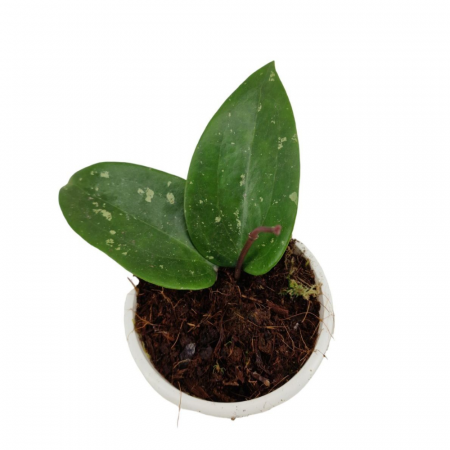
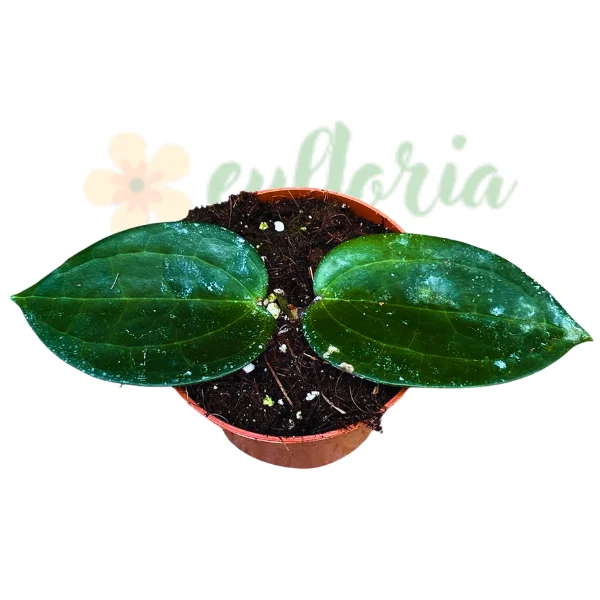
Hoya glabra 'Splash' Ø10,5cm
![Hoya glabra 'Splash' – Silver-Splashed Large Leaves with Red-Veined Undersides [0]](https://gomagcdn.ro/domains2/eufloria.ro/files/product/medium/hoya-glabra-splash-d10-090053.webp "Hoya glabra 'Splash' – Silver-Splashed Large Leaves with Red-Veined Undersides [0]")
![Hoya glabra 'Splash' – Silver-Splashed Large Leaves with Red-Veined Undersides [1]](https://gomagcdn.ro/domains2/eufloria.ro/files/product/medium/hoya-glabra-splash-d10-623908.webp "Hoya glabra 'Splash' – Silver-Splashed Large Leaves with Red-Veined Undersides [1]")
![Hoya glabra 'Splash' – Silver-Splashed Large Leaves with Red-Veined Undersides [1]](https://gomagcdn.ro/domains2/eufloria.ro/files/product/original/hoya-glabra-splash-d10-090053.webp "Hoya glabra 'Splash' – Silver-Splashed Large Leaves with Red-Veined Undersides [1]")
![Hoya glabra 'Splash' – Silver-Splashed Large Leaves with Red-Veined Undersides [2]](https://gomagcdn.ro/domains2/eufloria.ro/files/product/original/hoya-glabra-splash-d10-623908.webp "Hoya glabra 'Splash' – Silver-Splashed Large Leaves with Red-Veined Undersides [2]")
Approx height (including pot): 15 cm
Flowering state: No flowers
Pot diameter: 10.5 cm
- Description
- Characteristics
- Reviews (0)
- FAQ
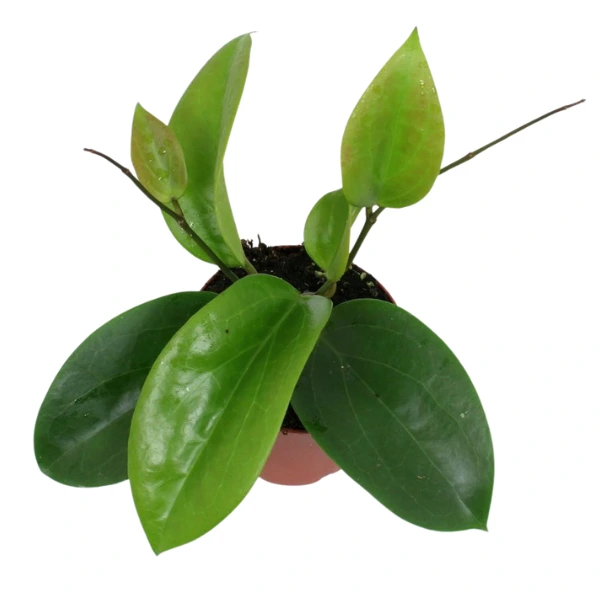
Hoya glabra 'Splash' is the silver-splashed form of a large-leaved Borneo species that combines bold tropical architecture with a distinctive venation system you will not find on any other common houseplant. Where many Hoyas are collected for flowers, Hoya glabra earns its place on the strength of its foliage alone – smooth, glossy, deeply veined leaves that can grow impressively large, now enhanced in the 'Splash' form with irregular silver speckling that scatters light across the leaf surface. Add rose-coloured blooms that arrive in generous clusters, and you have a species that delivers on every front a Hoya collector could ask for.
Hoya glabra was first described by the German botanist Rudolf Schlechter and published in Beihefte zum Botanischen Jahrbuch für Systematik 92: 14 in 1908. According to the Royal Botanic Gardens, Kew (Plants of the World Online), the native range of this species is Sumatra and northern and north-western Borneo, where it grows as an epiphyte in the wet tropical biome – specifically in humid lowland and mangrove forests. The species name glabra comes from the Latin for "smooth" or "hairless," referencing the characteristically smooth, glossy surface of the leaves – a quality that sets this species apart from many pubescent or textured Hoyas. The 'Splash' designation is a commercial trade name (not a formally registered cultivar) used for plants displaying prominent silver variegation across the foliage. The species is closely related to Hoya macrophylla, sharing similarly large, prominently veined leaves.
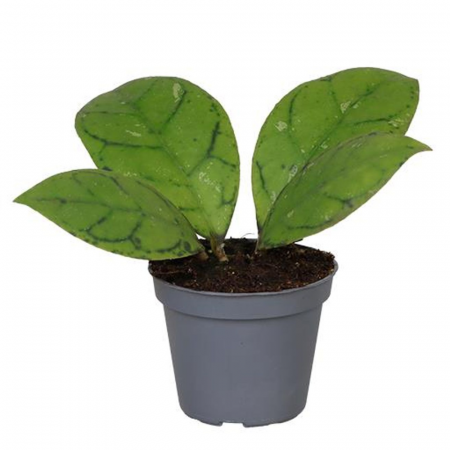
The foliage is the first thing you notice. Hoya glabra produces large, oval to oblong leaves that are smooth, glossy, and firmly textured. The Foliage Factory documents the 'Splash' form with leaves up to 10 cm long and 5-6 cm wide, though the species is known to produce larger leaves under ideal conditions – Unsolicited Plant Talks records dimensions up to 15 × 9 cm, and Houseplant Alley notes that once the root system is established, mature leaves can reach 18-20 cm in length. The base colour is a rich, deep green. Running through each leaf is a signature venation system: three prominent main veins clearly visible on the upper surface, creating a structured, almost architectural pattern. The undersides of the leaves reveal these same veins in red or deep purple – a striking contrast when the leaf turns. In the 'Splash' form, the deep green base is adorned with irregular silver splashes and speckles that catch the light, giving each leaf a shimmering, frost-kissed quality. Bright indirect light enhances both the silver intensity and the leaf gloss. The leaves have pointed tips that give each leaf an elegant, tapered finish. Unsolicited Plant Talks notes one important characteristic: this plant will not change colour under bright light – unlike many Hoyas, glabra does not sun-stress. The green-and-silver palette remains stable regardless of light exposure.
Growth is initially slow, but patience pays off. Houseplant Alley documents that Hoya glabra may grow slowly at first, but once the root system is fully established, the growth rate accelerates considerably. Mature vines are long and twining, and the species can potentially reach 3-8 metres in its natural habitat. Indoors, provide a trellis, moss pole, or hanging basket. The growth habit is climbing and vigorous once settled – this is a plant that rewards those who invest patience in its early establishment phase.
The flowers are a highlight. Hoya glabra produces umbels of 25-30 star-shaped blooms, each measuring approximately 12 mm in diameter. Flower colour ranges from creamy white to pale blush pink, with a distinctly darker pink to pale purple corona at the centre. Hoya Obsessed describes the blooms as appearing "in a variety of pink and mauve tones" with "a bright golden hue" at the centre. Gabriella Plants notes that some Hoya glabra varieties are nocturnal – the flowers open at night and close again at sunrise, adding another layer of intrigue for collectors. The Hoya Store Australia describes the fragrance as "light and sweet." There is one honest caveat: the flowers are remarkably short-lived. Multiple specialist sources confirm that blooms last for just one day – a fleeting but genuinely beautiful event. Plantophiles notes that the species can initially struggle to bloom indoors, but found that hanging the plant in a well-lit position produced repeated blooming throughout summer. As with all Hoyas, never remove old peduncles – the same stalks produce new flowers season after season.
Care Requirements:
- Light: Bright, indirect light produces the best growth and most prominent silver splash expression. Place near an east-facing window or behind sheer curtains. The species tolerates lower light conditions (Unsolicited Plant Talks recommends recreating a "dense forest environment" with very little direct sun), but growth slows significantly and flowering may not occur. Direct sun should be avoided – the large, smooth leaves can scorch. Bright filtered light is the ideal balance. Some growers find that hanging the plant in a well-lit position (outdoor patio, bright balcony) significantly improves flowering.
- Water: Allow the top 2-3 cm of substrate to dry between waterings, then water thoroughly. This species appreciates regular moisture during the growing season – Plantophiles notes it requires more water when actively growing. However, overwatering is the most common killer. The Hoya Store Australia recommends reducing water in winter. Use well-draining pots and never let the plant sit in standing water. Unsolicited Plant Talks notes this Hoya "tolerates a drier environment" – so when in doubt, err on the side of less water.
- Soil: Well-draining, aerated mix is essential. A combination of orchid bark, perlite, and cactus mix in equal parts works well. The substrate should retain some moisture (this species prefers slightly moist conditions over completely dry) while draining freely. Slightly acidic to neutral pH (6.1-7.5) is preferred. Adding organic matter such as compost or leaf mould can improve nutrient availability for this large-leaved species.
- Temperature: 16-25°C is the comfortable range, with an upper tolerance of 35°C. Unsolicited Plant Talks notes an interesting characteristic: "this Hoya will tolerate cooler conditions than most." This makes it somewhat more adaptable to European indoor conditions than many tropical Hoyas. Avoid temperatures below 10°C. Protect from cold drafts.
- Humidity: 60% or higher is recommended for optimum growth. The species originates from humid mangrove and lowland forests in Borneo and Sumatra. The Hoya Store Australia specifically notes that it "enjoys being misted" and requires "bright and warm growing conditions with plenty of humidity." In dry indoor environments, a humidifier or grouping with other plants helps. During cooler, drier months, humidity support becomes more important.
- Feeding: Half-strength balanced liquid fertilizer monthly during spring and summer. The large leaf size means this species benefits from regular feeding during active growth. A nitrogen-based fertilizer supports foliage development; switch to a phosphorus-rich formula to encourage blooming. Stop fertilizing in autumn and winter. Avoid overfertilizing – it can damage the roots.
Botanical Info: Family: Apocynaceae | Genus: Hoya | Species: Hoya glabra Schltr. (1908) | Form: 'Splash' (silver-splashed foliage, commercial trade name) | Closely related to: Hoya macrophylla | Common Names: Wax Plant, Porcelain Flower | Type: Epiphytic Climbing Vine | Origin: Sumatra and northern/north-western Borneo (Kew) | Habitat: Humid lowland and mangrove forests | Zone: USDA 10a-11 (indoor cultivation in temperate climates) | Flowering: Star-shaped, 12 mm, creamy white to blush pink, darker pink-purple corona, 25-30 per umbel, light sweet fragrance, some forms nocturnal, blooms last ONE DAY | Growth Rate: Slow initially, accelerates once established
Lungime: 15 cm
Greutate (kg): 1 Kg
Denumire: Hoya
Diametru: 10.5 cm
Cerințe lumină: Partial umbra
Tip plantă: Decorative
Utilizare: Interior
Tip suport: Ghiveci
Material Suport: Plastic
Is Hoya glabra 'Splash' difficult to grow?
No, but it does require patience in its early stages. Multiple sources describe Hoya glabra as easy to care for once established. Unsolicited Plant Talks notes one particularly useful characteristic: this species "will tolerate cooler conditions than most" Hoyas, making it somewhat more adaptable to European indoor environments than many tropical species. It also tolerates drier conditions than many Hoyas, though it performs best with humidity above 60%. The main challenge is the establishment phase. Houseplant Alley documents that the species may grow slowly at first, but once the root system is established, growth accelerates considerably. During this initial period, provide bright indirect light, warm temperatures, and consistent (but not excessive) moisture. Avoid the temptation to overwater a slow-growing plant. Plantophiles found that hanging the plant in a bright, elevated position produced the best blooming results. The species is low-maintenance overall, with half-strength fertilizer in the growing season being the only regular input required.
What makes the veins on Hoya glabra special?
The venation pattern of Hoya glabra is one of its most distinctive and identifying features. The species displays a signature "triple vein" system: three prominent main veins running from the leaf base toward the tip, with the central vein being the most defined. These veins are clearly visible on the upper (dark green) surface, creating an almost architectural, structured pattern across the leaf. But the real surprise is on the underside: the same veins appear in red or deep purple, creating a beautiful contrast visible when the leaf naturally curves or when you lift it to inspect the back. This red-veined underside is noted by virtually every specialist source. In the 'Splash' form, the silver markings interact with the venation pattern to create a layered visual effect: deep green base, silver splash, and prominent green veins with red undersides. The species is closely related to Hoya macrophylla, another species prized for its distinctive venation, though glabra's vein pattern is considered more pronounced and the leaf surface smoother and glossier.
Why do Hoya glabra flowers only last one day?
This is genuinely unusual among Hoyas, where many species produce flowers lasting 5-14 days or more. Multiple specialist sources – including the Hoya Store Australia, Unsolicited Plant Talks, and MyBageecha – confirm that Hoya glabra flowers are remarkably short-lived, lasting approximately one day per cluster. The fragrance is described as "light and sweet" during the brief bloom window. Some forms of Hoya glabra are nocturnal, with flowers that open at night and close again at sunrise – meaning you may miss the bloom entirely if you are not paying attention. Despite the brevity, the blooms are beautiful: glossy, star-shaped, creamy white to rose-pink with a darker pink to purple corona, appearing in generous clusters of 25-30 flowers. The plant produces flowers from persistent peduncles and can bloom repeatedly throughout the growing season, so while each individual bloom is fleeting, the overall flowering experience can extend across many weeks. Never remove old peduncles.
How big do Hoya glabra 'Splash' leaves get?
This depends significantly on the plant's maturity and growing conditions. The Foliage Factory documents the 'Splash' form with leaves up to 10 cm long and 5-6 cm wide. Unsolicited Plant Talks records species dimensions of up to 15 × 9 cm. Houseplant Alley notes that once the root system is established, the growth rate accelerates and leaves can reach 18-20 cm in length. The key factor is patience during the establishment phase: Hoya glabra typically grows slowly at first while developing its root system, then accelerates. Providing bright indirect light, high humidity (60%+), warm temperatures, regular feeding during the growing season, and allowing the plant to become somewhat rootbound before repotting all support the development of larger mature leaves. The species is closely related to Hoya macrophylla and shares that species' capacity for impressively sized foliage.
Is Hoya glabra 'Splash' toxic to cats and dogs?
No. Hoya glabra is not classified as toxic to cats, dogs, or other household pets. The Hoya genus is generally considered safe for animals and humans. As with any plant, ingesting large quantities of plant material can cause mild gastrointestinal discomfort. The milky latex sap released when stems are cut can cause minor skin irritation in sensitive individuals – use gloves when pruning. One practical consideration specific to this species: Hoya glabra produces large, smooth, attractive leaves on long trailing vines. Curious pets may be drawn to the dangling foliage. For households with active animals, an elevated display position (hanging basket, high shelf, wall-mounted trellis) keeps the plant safely out of reach.
How to care?
Bright indirect light, moderate watering, drained substrate. 18-27°C.
Bloom?
Yes, waxy flowers. Don't cut peduncles.
Watering?
Fully dry. Weekly summer, 2-3 weeks winter.
Toxic?
No, non-toxic.
Propagation?
Cuttings 2-3 nodes water/sphagnum. 2-6 weeks.
Recommendations
Ai nevoie și de un ghiveci decorativ?