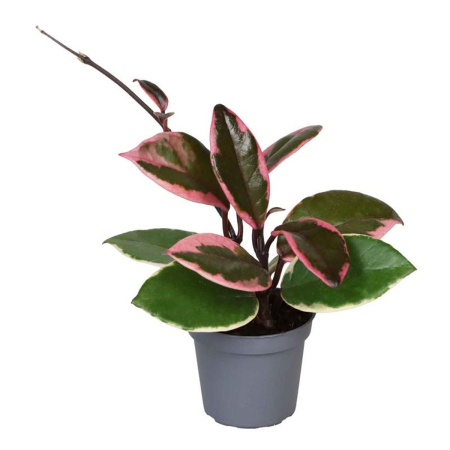
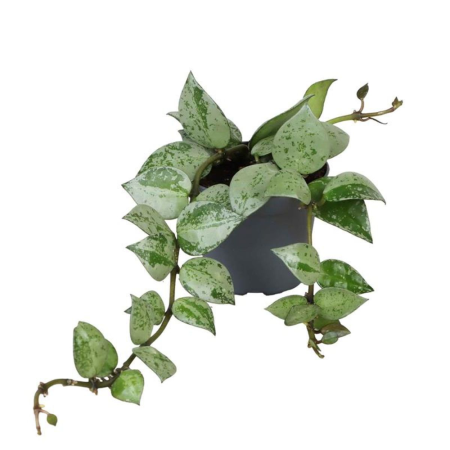
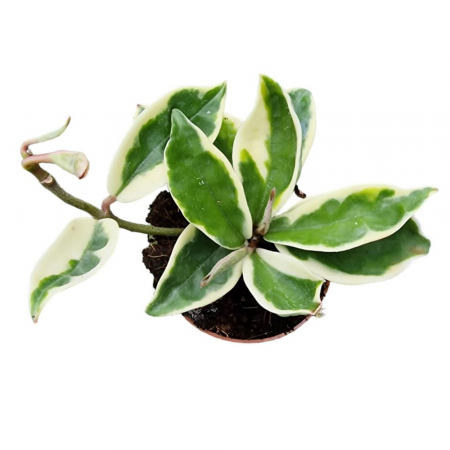
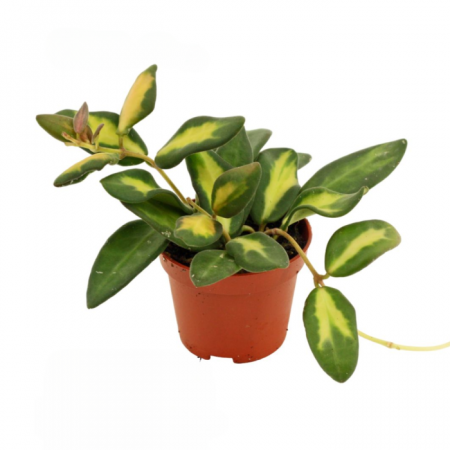
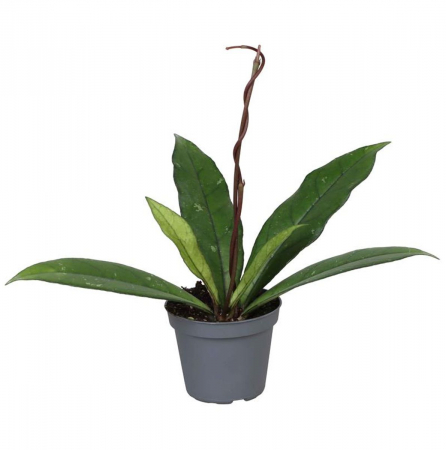
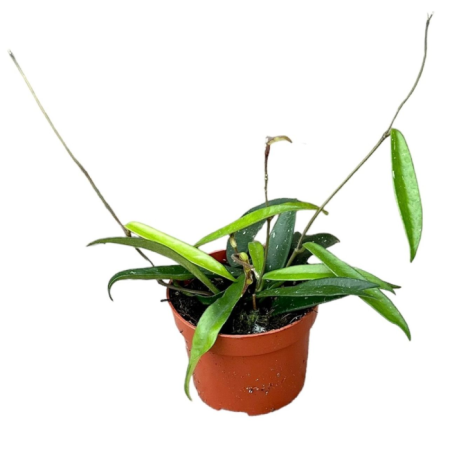
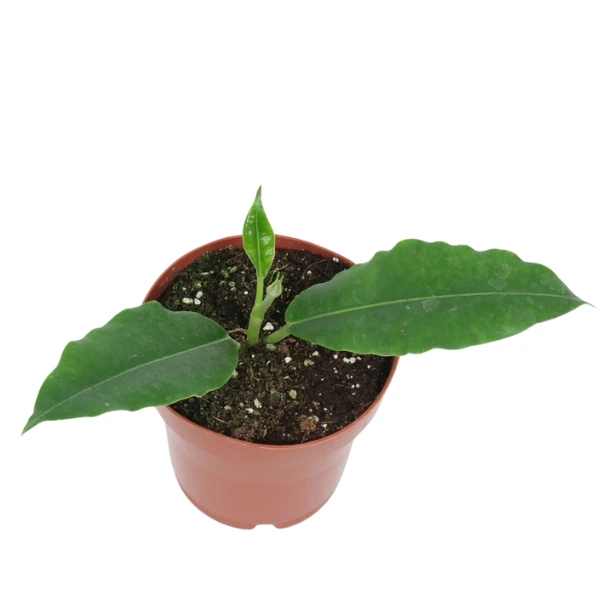
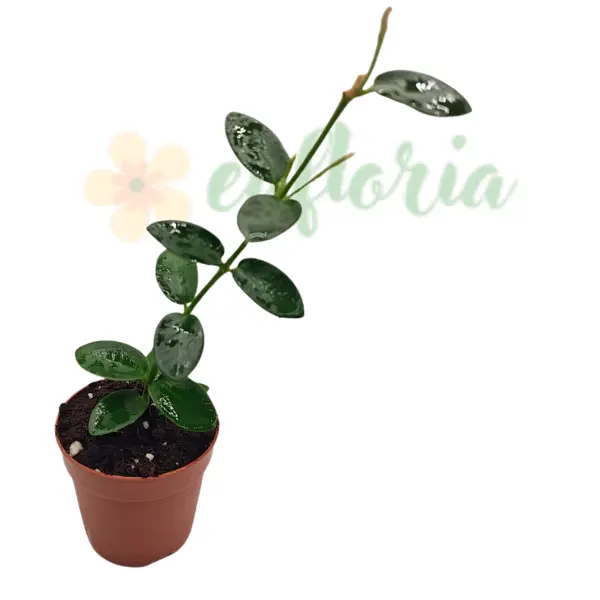
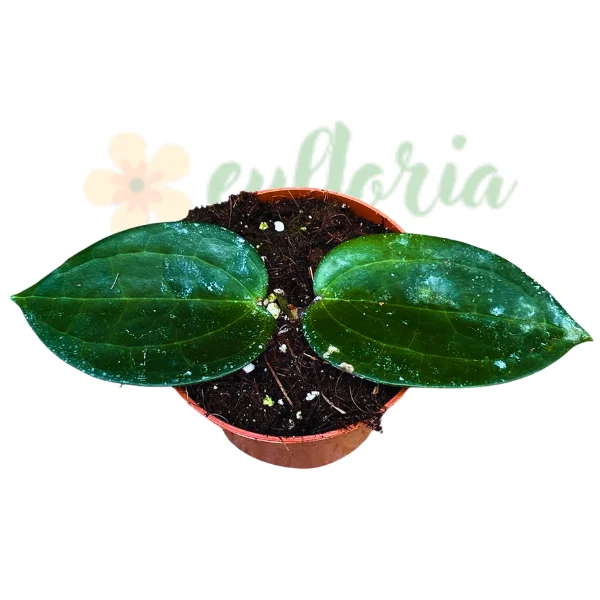
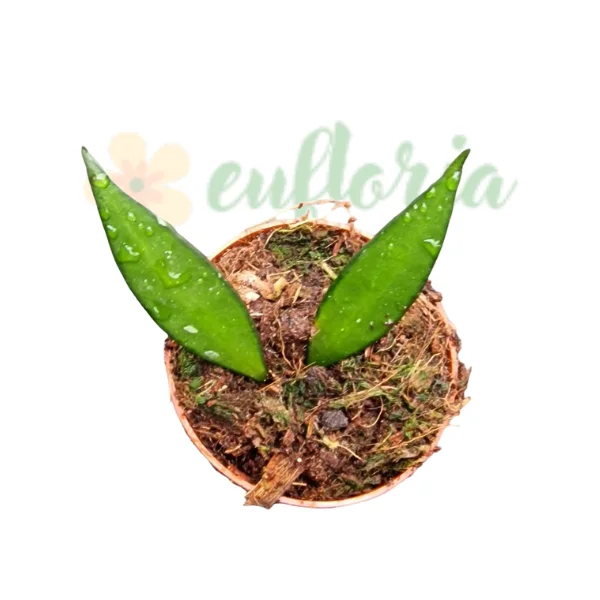
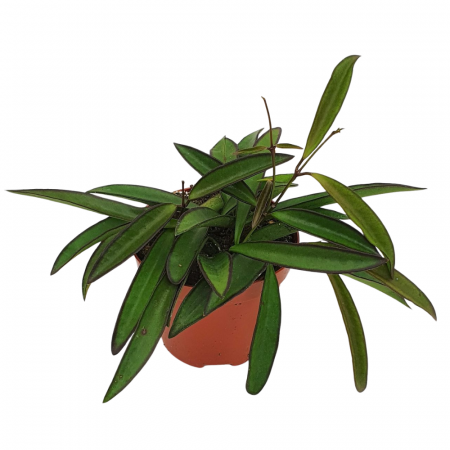
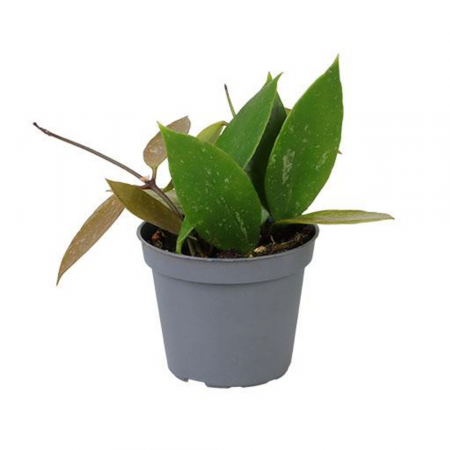
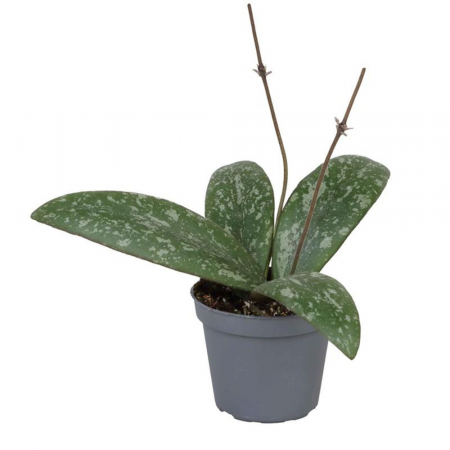
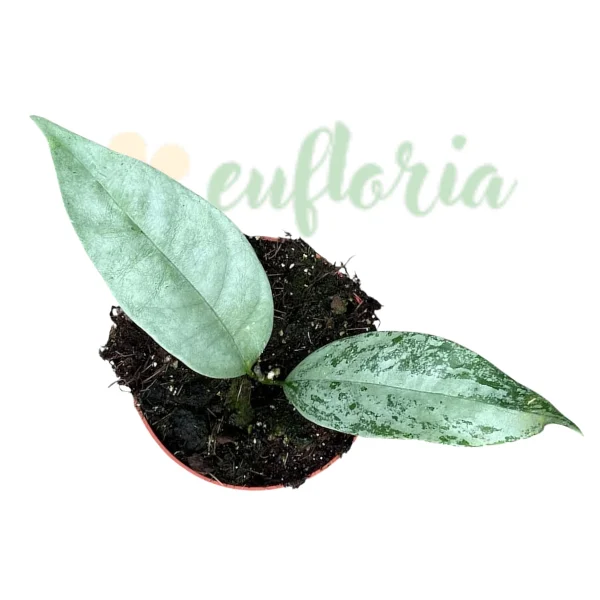
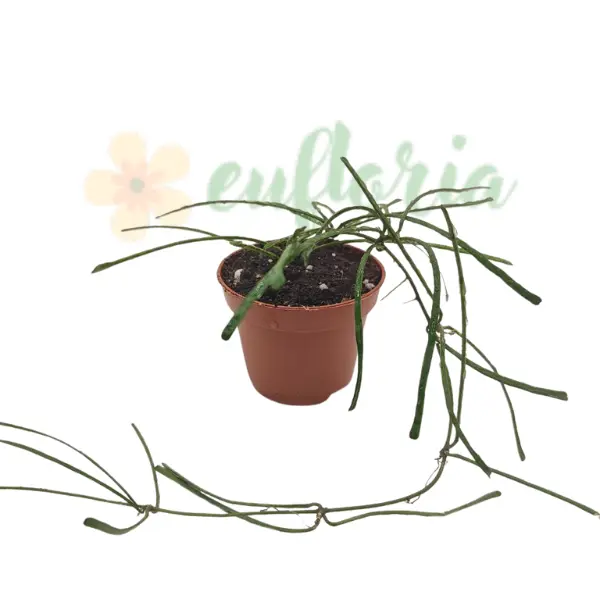
Hoya glabra 'Padang' Ø10cm

-30%
279,00 RON 196,00 RON

Hoya glabra Padang is a rare Hoya species from the tropical forests near Padang, Sumatra, noted for its elliptic, perfectly glossy and glabrous leaves that gleam like botanical mirrors in the light. Its waxy white flowers with a yellow-pink corona emit a delicate fragrance of jasmine and honey. A robust epiphytic climber with a twining habit, ideal for collectors seeking plants with a clean, modern aesthetic.

Approx height (including pot): 15 cm

Flowering state: No flowers

Country of origin: Netherlands

Pot diameter: 10 cm

In stock
Stock limit
Add to cart
Product Code: 4002728376920 Do you need help? 0724.394.887
Add to wishlist Request information
  • Description
  • Characteristics
  • Reviews (0)
  • FAQ

🌿 Hoya glabra Padang — The Living Glass of Sumatran Forests

Among the lesser-known species of the Hoya genus, Hoya glabra Padang distinguishes itself through its natural elegance, boasting glossy leaves that appear coated in transparent lacquer, gleaming with every ray of light like miniature botanical mirrors. Native to the area around the city of Padang on the western coast of Sumatra, this regional form of Hoya glabra was collected from lowland tropical forests where it grows as an epiphyte on tree trunks and branches at altitudes of 100 to 800 metres above sea level.

The epithet “glabra” derives from the Latin “glaber,” meaning “smooth” or “hairless” — a direct reference to the perfectly smooth, glabrous leaf surface, devoid of the trichomes or pubescence found on many other Hoya species. This characteristic gives the plant a particularly clean and modern aesthetic, perfectly suited to contemporary interiors where simplicity and sophistication are valued.

For Hoya collectors, the Padang variant represents a valuable acquisition, offering a rare combination of robustness and subtle beauty. It is a plant that does not seek attention through vibrant colours or extravagant forms, but through the perfection of its simple lines and the hypnotic sheen of its foliage, which captures and reflects light in a fascinating manner throughout the changing hours of the day.

Its adaptability to indoor conditions is remarkable, gracefully tolerating the temperature and humidity fluctuations of modern dwellings. Unlike other demanding species in the genus, Hoya glabra Padang is content with modest conditions, rewarding its caretaker with steady growth and, at maturity, with clusters of waxy flowers that fill the room with a delicate, enchanting fragrance that recalls jasmine and warm honey.

🌍 Origin and Botanical History

Hoya glabra was scientifically described by German-born botanist Rudolf Schlechter in 1908, based on specimens collected from the Malay Archipelago. The species belongs to the family Apocynaceae, subfamily Asclepiadoideae, and is placed within section Acanthostemma of the genus Hoya, alongside other smooth-leaved, glabrous species from Southeast Asia.

The regional form “Padang” originates from the area around the city of Padang, capital of West Sumatra Province, a port city situated on Sumatra’s western coast at the foot of the Barisan Mountains. This region is renowned for its extraordinary biodiversity, forming part of the Sundaland biodiversity hotspot, one of the richest terrestrial ecosystems on Earth. The forests around Padang harbour dozens of Hoya species, each adapted to its specific microclimate and elevation niche.

The natural distribution of Hoya glabra extends from the Malay Peninsula through Sumatra, Java, and Borneo, with distinct regional forms varying in leaf size, flower colour, and growth vigour. The Padang form is distinguished by somewhat smaller and thicker leaves than the species average, likely an adaptation to the more intense light conditions on Sumatra’s western coast, where the tropical sun bathes the forest edges in brilliant light during the dry season.

Etymologically, the genus Hoya honours Thomas Hoy (1750–1822), head gardener at Syon House in England, while the epithet “glabra” describes the species’ defining characteristic: the perfectly smooth, hairless surface of all vegetative organs. In the horticultural trade, Hoya glabra Padang is relatively recent, having become available in Europe only within the last decade through specialised collector networks and botanical exchanges.

🌱 The Foliage

The leaves of Hoya glabra Padang are its visual signature — elliptic to ovate, measuring 8 to 14 centimetres in length and 4 to 6 centimetres in width, with a surface of extraordinary lustre, as if hand-lacquered by a master craftsman. This glabrous characteristic (smooth, without pubescence) is what gives the species its name and makes it instantly recognisable among other Hoya species, even to the untrained eye.

Leaf colour is a rich deep green, with a subtle emerald nuance in specimens receiving optimal light. The midrib is visible but not overly prominent, while lateral veins form an elegant arcuate pattern, most visible in the translucency of young leaves when held against bright light. At maturity, the leaf acquires a pleasant rigidity, maintaining its perfect form even during periods of moderate water stress, a testament to its succulent adaptations.

The foliar texture is cartilaginous, firm yet flexible, with a thickness of 2 to 3 millimetres that gives it a discreetly succulent appearance. The leaf margin is entire, slightly undulate in some specimens, and the apex is acuminate, forming a drip tip that aids in evacuating water from the leaf surface in its naturally humid habitat. The petiole is short (1 to 1.5 cm), robust, holding the leaf at a slightly descending angle from the stem.

A fascinating detail: when sunlight falls obliquely on the leaves of Hoya glabra Padang, their smooth surface creates visible reflections, almost like a botanical mirror. This effect, combined with the opposite arrangement of leaves along the stem, creates an interplay of light and shadow that transforms the plant into a true living art object, especially when positioned near a window receiving soft morning light that dances across its polished surfaces.

🌸 The Flowers

The flowers of Hoya glabra Padang are delicate and refined, clustered in compact umbels of 10 to 20 individual blooms that emerge from persistent peduncles at leaf axils along mature stems. Each flower measures approximately 1 to 1.5 centimetres in diameter, with five white to creamy-white petals, slightly reflexed, possessing a translucent waxy texture that seems to emanate its own ethereal inner glow.

The central corona is white with yellow or light pink nuances, creating a subtle yet elegant contrast with the petals that speaks to the refined aesthetic of this species. The floral fragrance is sweet, with light notes of jasmine and honey, most pronounced in the evening hours when the plant calls to its natural pollinators in the warm Sumatran night. The nectar produced by the umbels is abundant and translucid, forming glassy droplets on the flower surface that catch the light beautifully.

Flowering occurs predominantly in summer and early autumn, though specimens cultivated under consistent light and temperature conditions may bloom at other times of the year as well. As with all Hoya species, the floral peduncles are persistent and must not be removed after flowers drop, as the same structure will produce new umbels in future seasons. A mature, well-established plant can develop multiple peduncles simultaneously, creating a stunning display of clustered porcelain stars.

To stimulate flowering, a period of relative rest during winter months is recommended, with reduced watering and fertilisation, followed by a gradual increase in light and nutrients in spring. Day-to-night temperature differentials of 5 to 8°C are also beneficial for triggering flower bud initiation, mimicking the natural seasonal variations of its Sumatran homeland.

🌱 Growth Habit and Development

Hoya glabra Padang displays a moderate twining growth habit, with semi-rigid stems that naturally coil around supports or arch gracefully when allowed to trail from hanging planters. Growth rate is moderate, faster than many miniature Hoya species but without the explosive vigour of species like Hoya carnosa or Hoya australis. Under optimal conditions, it can add 30 to 50 centimetres of new growth per year, steadily building into a lush specimen.

Branching occurs naturally at nodes, gradually creating a full and abundant plant over time. Adventitious roots form frequently at nodes, allowing the plant to anchor itself to moss or coconut fibre supports. As a natural epiphyte, it prefers a well-aerated root system with a coarse substrate that allows air to circulate freely around the roots, mimicking conditions found on tree bark in its native forest habitat.

Reproductive maturity is typically reached after 2 to 3 years of cultivation, at which point the plant begins forming floral peduncles along its more mature stems. Once the first peduncle forms, flower production becomes progressively more abundant with each passing season. The plant can be cultivated on a moss pole, trellis, wire ring, or as a hanging specimen, elegantly adapting to any configuration the grower desires.

  • Light: Bright indirect light, ideally from an east or west-facing window. Tolerates moderate light, but flowering requires several hours of bright filtered light daily. Avoid direct summer sun which can damage the glossy leaves.
  • Temperature: Optimal 18–28°C. Tolerates down to 14°C, but below 12°C foliar damage may occur. A 5–8°C day-to-night differential stimulates flowering initiation.
  • Watering: Allow the substrate to dry almost completely between waterings. The glossy leaves retain water efficiently, and roots cannot tolerate stagnation. In winter, water every 10–14 days at most.
  • Humidity: 50–70% ideal. Tolerates 45%, but growth is visibly slower. Foliar misting is not recommended as water droplets leave marks on the glossy leaf surface.
  • Substrate: Mix of pine bark (40%), perlite (30%), coconut coir (20%), and charcoal (10%). Alternatively, orchid substrate with additional perlite works well.
  • Fertilising: Balanced liquid NPK 10-10-10 at half strength, once monthly from April to September. During flowering, a phosphorus-rich formula stimulates floral production.
  • Propagation: By stem cuttings with 2–3 nodes, in water or moist perlite at 22–25°C. Rooting takes 3–5 weeks under favourable conditions.
Product compliance information

Lungime: 10 cm

Greutate (kg): 0.5 Kg

Denumire: Hoya

Diametru: 10 cm

Cerințe lumină: Partial umbra

Tip plantă: Decorative

Utilizare: Interior

Tip suport: Ghiveci

Material Suport: Plastic

If you want to express your opinion about this product you can add a review.

The review was sent successfully.

How often should I water Hoya glabra Padang?

Hoya glabra Padang should only be watered when the substrate has almost completely dried out. During warm months, approximately once weekly, and in winter every 10-14 days. The epiphytic roots cannot tolerate waterlogging.

Is Hoya glabra Padang toxic to pets?

No, Hoya glabra Padang is considered non-toxic to pets and humans. The Hoya genus does not contain known harmful substances.

Why are the leaves of Hoya glabra Padang so glossy?

The characteristic glossiness is due to the glabrous surface (without hairs or trichomes) and the thick waxy cuticle layer covering the leaves. This is a natural adaptation to tropical habitats, helping to reduce water loss through the leaf surface.

What substrate is suitable for Hoya glabra Padang?

The best substrate is a mix of pine bark (40%), perlite (30%), coconut coir (20%), and horticultural charcoal (10%). Alternatively, orchid mix with extra perlite works well. Rapid drainage is essential.

When does Hoya glabra Padang bloom?

Hoya glabra Padang blooms predominantly in summer and early autumn, once it reaches maturity (2-3 years). Flowering is stimulated by bright indirect light and day-to-night temperature differentials of 5-8°C.

Compara produse

You must add at least one product to compare products.

Was added to wishlist!

Was removed from wishlist!