EN/
EN/ Romana
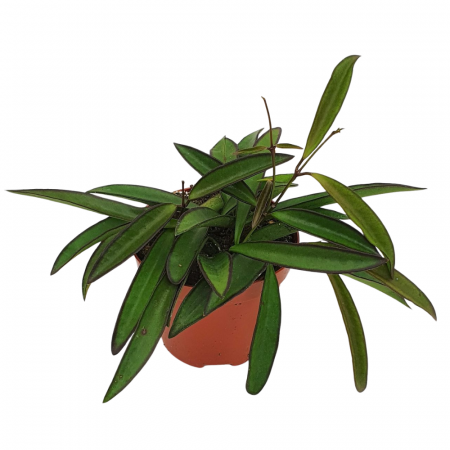
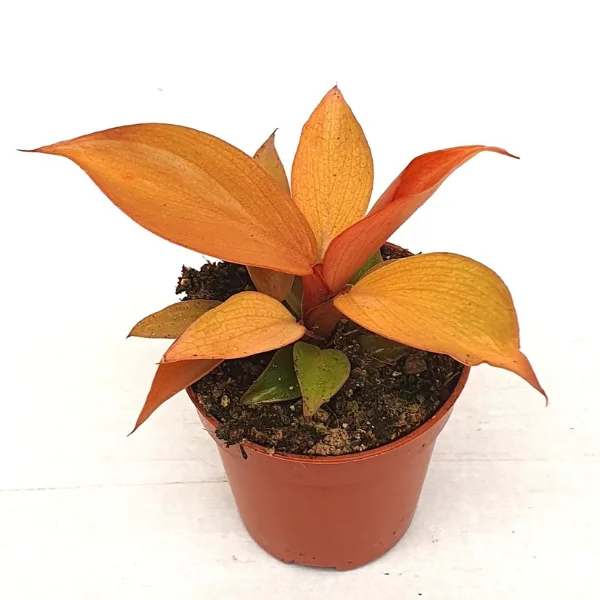
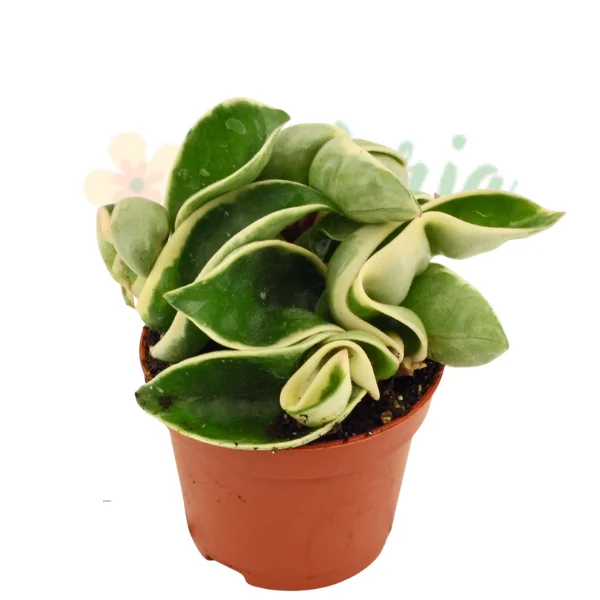
Hoya endauensis Ø12cm
![Hoya endauensis [0]](https://gomagcdn.ro/domains2/eufloria.ro/files/product/medium/hoya-endauensis-782262.webp "Hoya endauensis [0]")
![Hoya endauensis [1]](https://gomagcdn.ro/domains2/eufloria.ro/files/product/medium/hoya-endauensis-264714.webp "Hoya endauensis [1]")
![Hoya endauensis [1]](https://gomagcdn.ro/domains2/eufloria.ro/files/product/original/hoya-endauensis-782262.webp "Hoya endauensis [1]")
![Hoya endauensis [2]](https://gomagcdn.ro/domains2/eufloria.ro/files/product/original/hoya-endauensis-264714.webp "Hoya endauensis [2]")
Approx height (including pot): 10 cm
Flowering state: No flowers
Country of origin: Netherlands
- Description
- Characteristics
- Reviews (0)
- FAQ
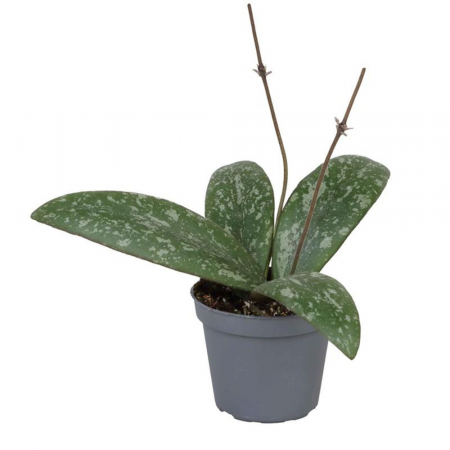
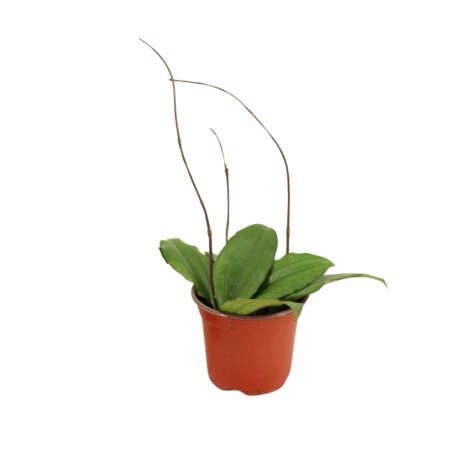
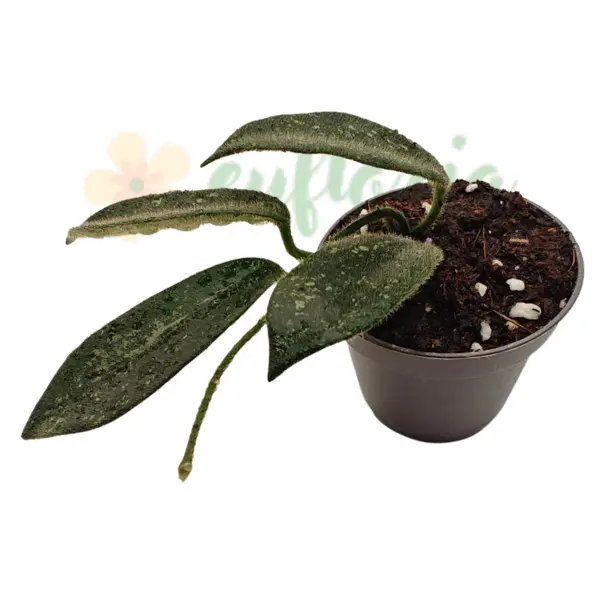
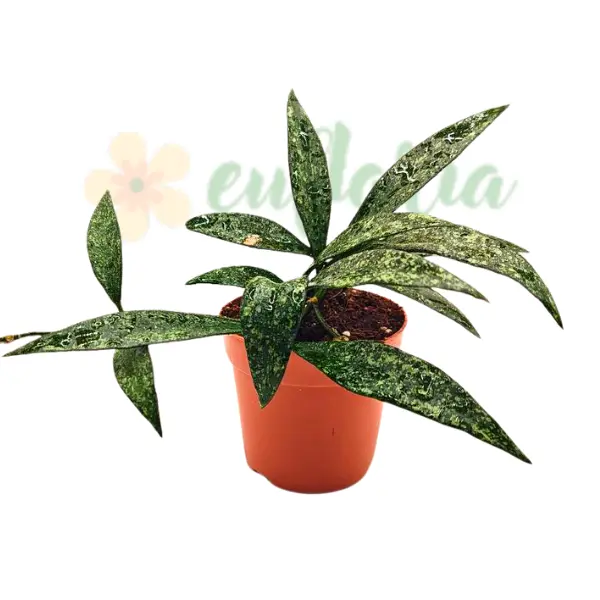
Hoya endauensis – rare species of hoya with wavy leaves and fragrant flowers in warm shades
Hoya endauensis is a rare species of hoya, native to the tropical forests of Johor (Malaysia), where it grows as an epiphyte on tree trunks along the Ulu Endau River. Discovered in 1985 and later described by botanist Ruth Kiew, this hoya is notable for its by its small, wavy-edged leaves and intensely colored, orange-yellow flowers with a sweet fragrance.
Hoya endauensis is suitable for plant enthusiasts who appreciate compact species with delicate leaves and spectacular flowers, and who are willing to provide good light, warmth and moderate to high humidity.
Alternative names
Endau Hoya, wax plant, wax flower (commercial names). There are no known botanical synonyms for Hoya endauensis, and the valid name Hoya endauensis Kiew is used in the specialized literature.
There is no standard IML code associated with this species in the available sources.
Characteristics
- Origin and habitat: endemic species in the state of Johor, Malaysia, initially documented in the Endau-Rompin area, on the banks of the Ulu Endau River. In its natural habitat it grows as an epiphyte on trunks and branches, in humid and shady tropical forests.
- Leaves: small, roughly round or slightly obovate leaves, 2-3 cm long, light green to olive green. The leaf margin is wavy or slightly wrinkled, and the texture is slightly succulent, but the leaves are not thick or massive like other large-leaved hoyas. This wavy appearance of the leaves makes the plant easily recognizable.
- Growth: thin, creeping or climbing vines, with a moderate to slow growth rate. The stems are relatively fragile and can break easily if handled roughly, so caution is recommended when installing on supports or rearranging shoots.
- Flowers: umbel inflorescences of small flowers (approx. 0.8 cm diameter), with corollas red in shades of intense yellow-orange and pink-reddish crown (corona), with a yellow center. The flowers have a waxy, slightly fluffy appearance. They are very decorative when several umbels appear at the same time.
- Scent: the flowers are fragrant, with a sweet, pleasant smell, typical of many species of hoya with small, hairy flowers.
- Size and habit: compact plant, suitable for small or medium pots, but with vines that can be allowed to flow from hanging pots or trained on a support (hoop, ladder, trellis).
Care
- Light: prefers bright indirect light (near a bright window, but without direct midday sun). It tolerates medium light, but in lower light conditions it blooms more slowly. Direct strong sun can cause burns on the leaves, especially on the edges.
- Temperature: ideal between 20–28°C. It feels good in warm and stable conditions; in its natural habitat the temperatures are high, so it does not appreciate cold or sudden variations. Avoid temperatures below 12–14°C.
- Humidity: It likes moderate to high atmospheric humidity (around 60–80%). In homes with very dry air, a humidifier or a tray of wet gravel under the pot is useful (without letting the bottom of the pot sit in water).
- Watering: water moderately, letting the top layer of the substrate dry out between waterings. The roots do not tolerate water stagnation; it is safer to water a little and often than a lot and rarely. In winter, when growth slows down, watering frequency is reduced.
- Substrate: it needs a very aerated and well-drained mixture, such as: coniferous bark, perlite/pumice and a fraction of peat or wood fiber coconut. An orchid substrate, slightly enriched with peat and perlite, is usually suitable for this species.
- Fertilization: During the growing season (spring to early fall), a liquid fertilizer for indoor plants or hoya can be used, in a reduced dose (1/4 to 1/2 of the recommended dose), once a week. every 3-4 weeks. In winter, do not fertilize or fertilize very rarely.
- Transplanting and support: prefers tight pots rather than very voluminous ones. Transplant only when the roots have completely filled the pot. The shoots can be easily pinched onto a support, without to force the curves or bends to avoid breaking them.
- Flowering: to stimulate flowering, good light, slight differences between day and night temperatures, moderate fertilization and stability (do not move the pot often when it has buds). Flower stalks should not be cut after the stems have wilted, as the plant can reuse them for future flowering.
Lungime: 15 cm
Greutate (kg): 0.5 Kg
Denumire: Hoya
Diametru: 7 cm
Cerințe lumină: Partial umbra
Tip plantă: Decorative
Utilizare: Interior
Tip suport: Ghiveci
Material Suport: Plastic
Where does Hoya endauensis come from?
The species is associated with Peninsular Malaysia, the Endau–Rompin area, from which its name derives. This is one of the few confirmed geographical details.
What type of leaves does it have?
It has light green leaves with wavy, firm edges, relatively small, with no confirmed variegation. The size and shape may vary slightly depending on growing conditions.
What is its growth rate?
The growth rate is moderate, typical of many botanical Hoyas grown under stable conditions.
Does it produce fragrant flowers?
There is no clear information confirming the presence of a distinct fragrance.
Does it bloom easily in indoor cultivation?
Flowering is possible under good light and stable conditions, but it is not considered one of the species that blooms very quickly.
What type of light does it prefer?
Good indirect light. Insufficient light can slow growth and reduce the chances of flowering.
Is it suitable for hanging pots?
Yes. The flexible stems allow for both hanging and small support cultivation.
Is it a rare species?
It is not very common in mass trade, being found mainly in specialized collections.
Hoya?
Indirect. 18-27°C.
Bloom?
Yes, waxy.
Water?
Dry soil.
Toxic?
No.
Propagate?
Node cuttings.
Recommendations
Ai nevoie și de un ghiveci decorativ?