How do you care for Ficus benjamina 'Green Kinky'?
Ficus benjamina 'Green Kinky' prefers bright indirect light and moderate watering. Allow the soil to dry slightly between waterings. Maintain high ambient humidity and avoid cold drafts. Fertilize monthly during the growing season.
How do I care for Ficus benjamina?
Ficus benjamina prefers bright, consistent indirect light. It is sensitive to position changes - it may drop leaves if moved. Maintain temperatures between 18-25°C, avoid drafts and water when the soil has partially dried.
Why is my Ficus benjamina losing its leaves?
Leaf drop in Ficus benjamina is usually caused by: position change, cold drafts, overwatering or underwatering, or inadequate light. Ficus is a plant sensitive to changes - maintain stable conditions.
Is Ficus benjamina toxic?
Yes, Ficus benjamina contains latex that is irritating to skin and toxic if ingested. It can cause allergic reactions through contact with the sap. It is toxic to dogs and cats. Wear gloves when pruning.
How often should I water Ficus benjamina?
Water Ficus benjamina when the top 2-3 cm of soil has dried. In summer, this usually means 1-2 times per week. In winter, reduce watering. Use room temperature water and ensure good drainage.
How do I propagate Ficus benjamina?
Ficus benjamina can be propagated through 10-15 cm stem cuttings, cut below a node. Remove lower leaves, let the sap dry, then place in water or moist substrate. Rooting takes 3-6 weeks.
What type of plant is Ficus benjamina Green Kinky?
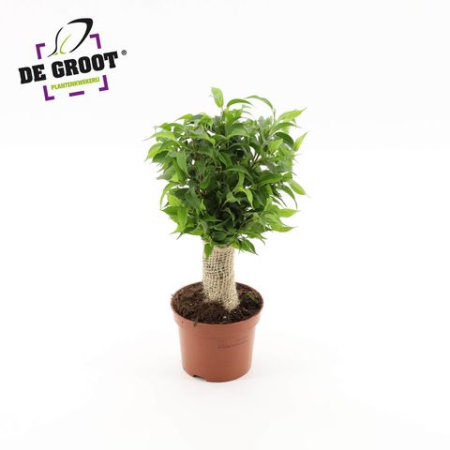
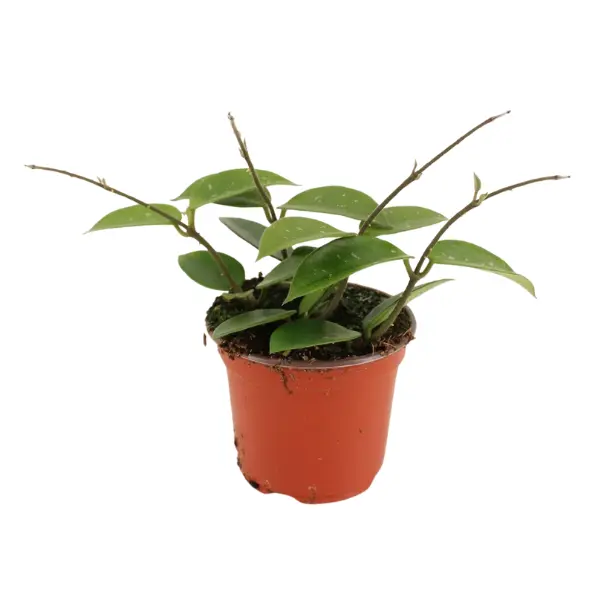
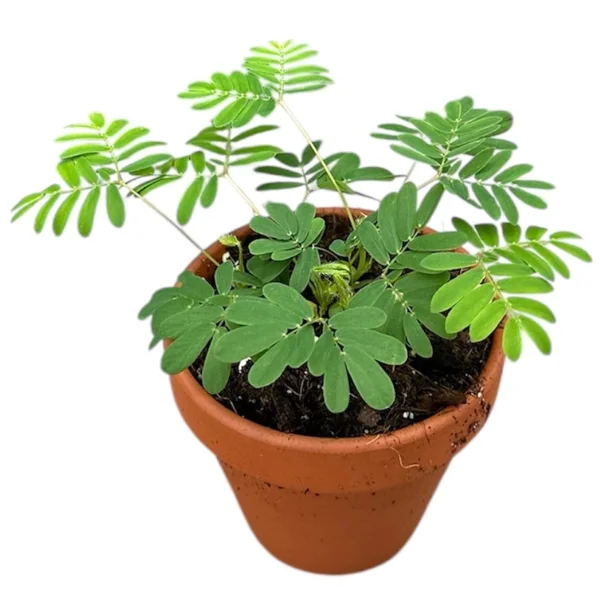
Ficus benjamina Green Kinky is a miniature and compact variety of the classic ficus, from the Moraceae family. It is distinguished by its small, oval, intensely green and glossy leaves, with dense growth that forms a naturally rounded crown. It is ideal for small spaces and offices.
What light conditions does Ficus Green Kinky prefer?
Ficus Green Kinky prefers bright indirect light but also tolerates moderate light. Avoid strong direct sunlight which can burn the leaves. Like all ficus plants, it is sensitive to position changes — once placed in a suitable spot, avoid moving it frequently.
How should I water Ficus benjamina Green Kinky?
Water the plant when the top 2 cm of substrate have dried out. In summer, it may need watering 1-2 times per week, and less often in winter. Ensure good drainage and use room-temperature water. Avoid both overwatering and allowing the substrate to dry out completely.
Is Ficus benjamina Green Kinky toxic to pets?
Yes, like all Ficus species, Green Kinky is toxic to dogs and cats. The plant sap contains latex and ficin, which can cause skin irritation on contact and gastrointestinal symptoms if ingested. Place the plant in a location inaccessible to pets.
Why is my Ficus Green Kinky dropping leaves?
Leaf drop in Ficus Green Kinky is often caused by sudden environmental changes: moving the plant, cold drafts, temperature variations, or changes in the watering regime. Make sure the plant is in a stable location with temperatures between 18-24°C and no air drafts.
Why is it called weeping fig?
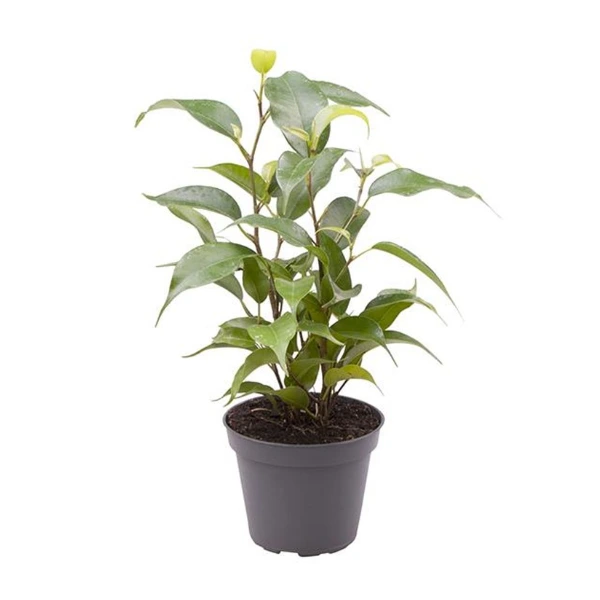
Long arching and slightly drooping branches recall a 'weeping' tree. Ficus benjamina is globally known as 'weeping fig' due to its graceful form.
Why does it drop leaves?
Ficus benjamina is sensitive to changes in light, temperature or location. Even small moves can cause leaf drop. Keep it in a stable location.
Is it toxic?
Mildly toxic to cats and dogs due to milky sap. Can cause oral and skin irritation. Keep away from pets.
How to care for it?
Bright indirect light, humidity 40-60%, temperatures 18-28°C. Well-drained substrate. Moderate watering when top layer is dry.
How to propagate?
By stem cuttings in water or moist sphagnum moss. Roots appear in 3-6 weeks.

 EN/
EN/ Romana
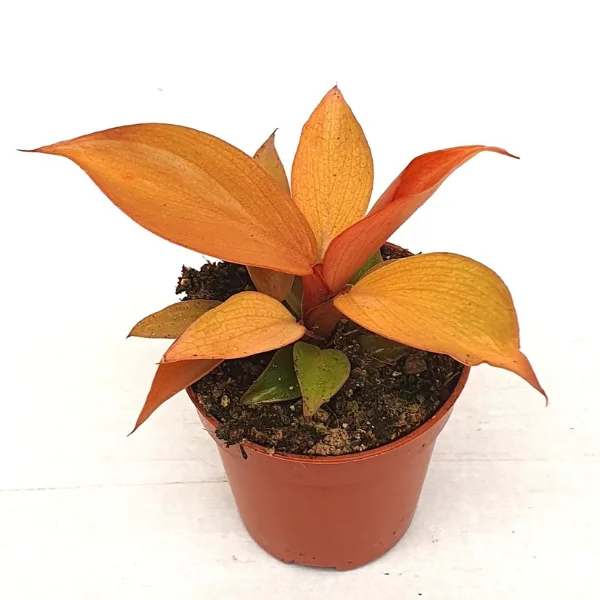
![Ficus benjamina Green Kinky with curled intense green leaves [1]](https://gomagcdn.ro/domains2/eufloria.ro/files/product/original/ficus-benjamina-green-kinky-d12-759806.jpg "Ficus benjamina Green Kinky with curled intense green leaves [1]")