EN/
EN/ Romana
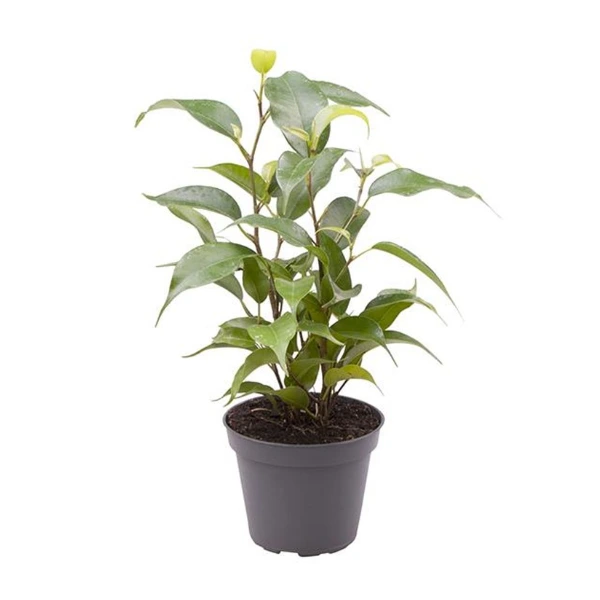
Ficus elastica 'Shivereana' Ø6cm
![Ficus elastica 'Shivereana' [1]](https://gomagcdn.ro/domains2/eufloria.ro/files/product/original/ficus-elastica-shivereana-d9-890297.webp "Ficus elastica 'Shivereana' [1]")
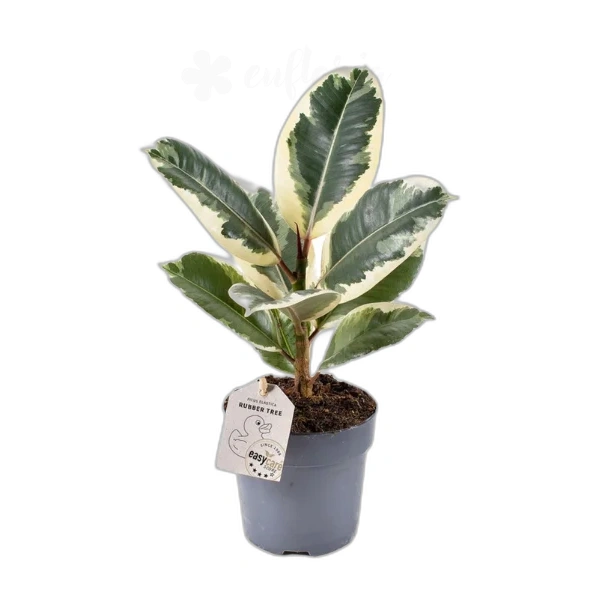
Ficus elastica 'Shivereana' is a rare variety of the rubber plant, prized for its unique variegated foliage in shades of light green, cream, and pink-orange. Easy to care for, it thrives in bright indirect light with moderate watering. A collectible, elegant plant perfect for any interior.
Note: Toxic if ingested
Approx height (including pot): 20 cm
Flowering state: No flowers
Country of origin: Denmark
- Description
- Characteristics
- Reviews (0)
- FAQ
Ficus elastica 'Shivereana' – a variegated gem for indoors
🌿 Ficus elastica 'Shivereana' is a rare variety of the rubber plant, prized for its distinctive appearance. The large, glossy leaves with light green, cream, and pink-orange patches create a unique visual effect, making it a highly sought-after plant among indoor plant enthusiasts.
✨ Special characteristics
✔️ The oval, thick leaves are not only uniquely decorative but also resilient, adapting well to indoor conditions.
✔️ The unpredictable variegation makes each leaf different, turning the plant into a true conversation piece.
✔️ It is considered a rare and collectible variety.
Care guide
☀️ Light: Bright spot, but protected from direct sunlight.
💧 Watering: Moderate, allow the top layer of soil to dry between waterings.
🌱 Substrate: Well-drained, aerated, with added perlite to prevent water stagnation.
🏡 Stability: Needs a sturdy pot, as the leaves become heavy as the plant grows.
With its rare appearance and spectacular foliage, Ficus elastica 'Shivereana' is the perfect choice for those who want an elegant and distinctive indoor plant. This variety will transform any room into a small indoor garden.
Lungime: 10 cm
Greutate (kg): 0.15 Kg
Denumire: Ficus
Diametru: 6 cm
Cerințe lumină: Partial umbra
Tip plantă: Decorative
Utilizare: Interior
Tip suport: Ghiveci
Material Suport: Plastic
Is Ficus elastica 'Shivereana' toxic to cats and dogs?
Yes, Ficus elastica 'Shivereana' is toxic to cats, dogs, and other pets. The milky sap (white latex) in the leaves and stems contains irritating substances that can cause skin, mouth, and digestive tract irritation. Ingestion symptoms include excessive drooling, vomiting, and diarrhea. Place the plant out of reach of pets.
What are the light requirements for Ficus elastica Shivereana?
Ficus elastica Shivereana prefers bright to moderate indirect light. The unique leaf variegation is best maintained in bright indirect light conditions. Avoid prolonged direct sunlight, as it can scorch the delicate leaves. The plant can also tolerate lower light levels, but growth will be slower and the variegation pattern may become less pronounced.
How do you properly water Ficus elastica Shivereana?
Water your Ficus elastica Shivereana when the top 2-3 cm of soil have dried out completely. During the warm season (spring-summer), watering is typically done once a week, while in winter it should be reduced to every 10-14 days. Use room temperature water and ensure the pot has drainage holes. Overwatering can lead to root rot, which is the most common issue with this species.
How do I maintain the variegation on Ficus elastica Shivereana?
To maintain the beautiful leaf variegation, provide the plant with bright indirect light. Insufficient light can cause the plant to produce more chlorophyll, reducing the variegated pattern. Do not try to compensate with direct sunlight, as it can burn the leaves. Rotate the pot periodically for even light exposure. If you notice completely green leaves, move the plant to a brighter location.
When and how should I repot Ficus elastica Shivereana?
Repot Ficus elastica Shivereana in spring, every 1-2 years, or when roots start growing through the drainage holes. Choose a pot only 2-3 cm larger in diameter than the current one. Use a well-draining substrate made of universal potting soil mixed with perlite and pine bark. After repotting, water moderately and wait a few weeks before fertilizing to allow the roots to adjust.
How can I propagate Ficus elastica Shivereana?
Ficus elastica Shivereana can be propagated through stem cuttings or air layering. For cuttings, cut a 10-15 cm stem section with at least one leaf and one node. Let the milky sap dry, then plant in moist perlite or water. Air layering is the preferred method for variegated varieties, as it ensures a higher success rate and preserves the variegation. The best time for propagation is spring or early summer.
What are the most common problems with Ficus elastica Shivereana?
The most common problems include: leaf drop (caused by sudden temperature changes or cold drafts), yellowing leaves (overwatering or insufficient drainage), brown spots on leaves (sunburn or overly dry air), and loss of variegation (insufficient light). Common pests are mealybugs, thrips, and spider mites. Regularly check the leaves and promptly treat any infestation with insecticidal soap or neem oil.
What humidity does Ficus elastica Shivereana need?
Ficus elastica Shivereana adapts well to normal household humidity (40-60%), but thrives in higher humidity conditions (60-70%). During winter, when indoor air becomes dry due to heating, you can use a humidifier or place the pot on a tray with wet pebbles. Frequent leaf misting is not recommended, as it can promote fungal diseases on the variegated leaves.
How fast does Ficus elastica Shivereana grow?
Ficus elastica Shivereana has a moderate to slow growth rate compared to fully green Ficus elastica varieties. The variegation means less chlorophyll, which slows photosynthesis and consequently growth. Under optimal conditions of light, temperature (18-27°C), and regular fertilization during the growing season, the plant can produce 4-6 new leaves per year. Fertilize monthly with a balanced liquid fertilizer during spring through autumn.
How do you prune Ficus elastica Shivereana?
Prune Ficus elastica Shivereana in spring or early summer, during the active growing period. Use sharp, disinfected scissors or a knife. Cut above a node to encourage branching. Wear gloves, as the plant releases an irritating milky sap when cut. Wipe the sap with a damp cloth. The resulting cuttings can be used for propagation. Regular pruning helps the plant maintain a compact shape and develop lateral branches.
What makes Ficus elastica 'Shivereana' so special?
Ficus elastica 'Shivereana' is a rare and extremely decorative cultivar with large, glossy leaves in unique shades of light green with cream, yellow, and lime green patches and streaks. The variegation pattern differs from other Ficus elastica cultivars, creating a fascinating camouflage effect on each leaf.
How do I care for Ficus elastica 'Shivereana'?
Ficus elastica 'Shivereana' needs bright indirect light to maintain its beautiful variegation. Water when the top 2-3 cm of substrate have dried out and use well-draining substrate. Ideal temperature is 18-27°C. Avoid cold drafts and sudden environmental changes that can cause leaf drop.
Why are the leaves falling off my Ficus elastica 'Shivereana'?
Leaf drop in Ficus is usually caused by: sudden environmental changes (including after transport), cold drafts, overwatering or underwatering, or insufficient light. After receiving the plant, it is normal to lose 1-2 leaves during the acclimatization period. Provide stable conditions and the plant will recover.
How large does Ficus elastica 'Shivereana' grow?
Indoors, Ficus elastica 'Shivereana' can reach 1-2 meters in height, with large leaves of 20-30 cm. As a variegated form, it grows slower than standard green Ficus elastica. It can be kept compact through pruning. New leaves emerge from a decorative red sheath.
Is Ficus elastica 'Shivereana' toxic to pets?
Yes, Ficus elastica 'Shivereana' produces a white latex when cut that is irritating to skin and toxic to pets if ingested. It can cause oral and digestive irritation in dogs and cats. Wear gloves when pruning and place the plant away from pets and small children.
Ai nevoie și de un ghiveci decorativ?