EN/
EN/ Romana
Hoya wayetii Ø6cm
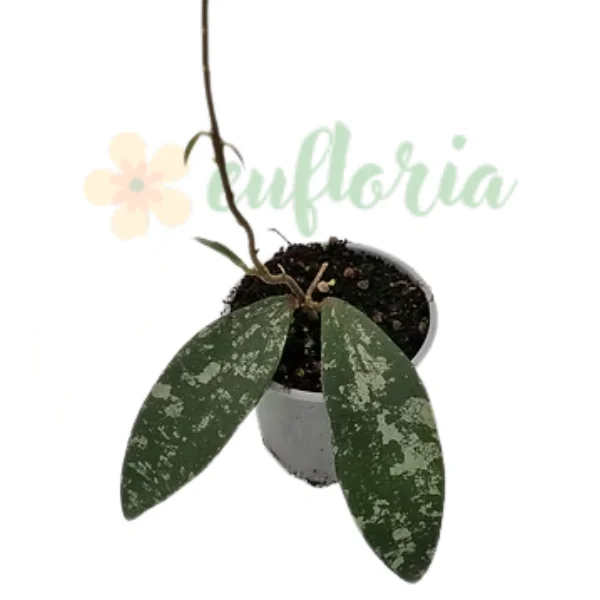
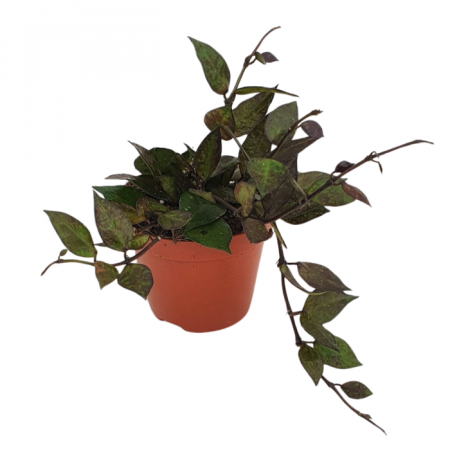
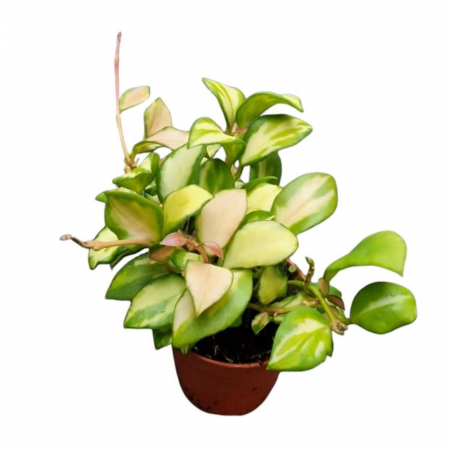
![Hoya wayetii with green leaves and red-bronze margins [0]](https://gomagcdn.ro/domains2/eufloria.ro/files/product/medium/hoya-wayetii-d9-057033.png "Hoya wayetii with green leaves and red-bronze margins [0]")
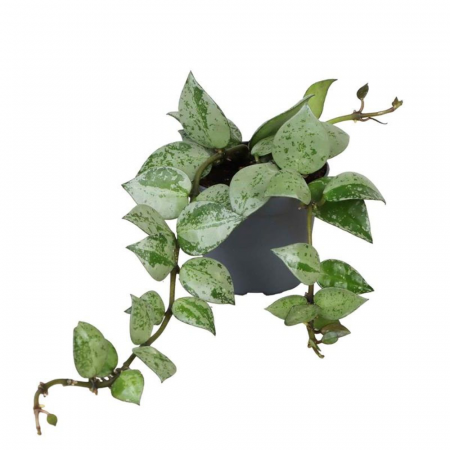
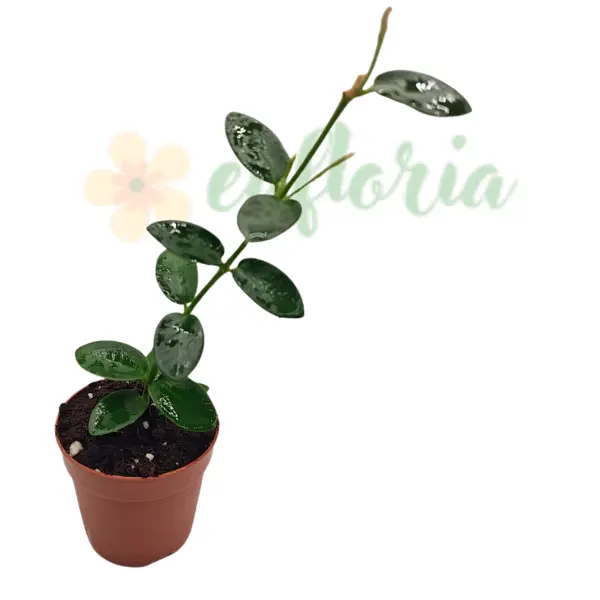
![Hoya wayetii with green leaves and red-bronze margins [1]](https://gomagcdn.ro/domains2/eufloria.ro/files/product/medium/hoya-wayetii-d9-252762.png "Hoya wayetii with green leaves and red-bronze margins [1]")
![Hoya wayetii with green leaves and red-bronze margins [1]](https://gomagcdn.ro/domains2/eufloria.ro/files/product/original/hoya-wayetii-d9-057033.png "Hoya wayetii with green leaves and red-bronze margins [1]")
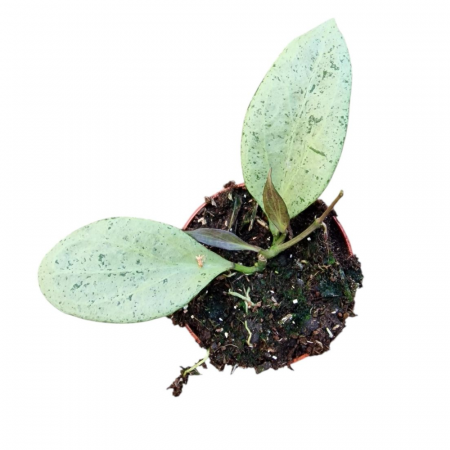
![Hoya wayetii with green leaves and red-bronze margins [2]](https://gomagcdn.ro/domains2/eufloria.ro/files/product/original/hoya-wayetii-d9-252762.png "Hoya wayetii with green leaves and red-bronze margins [2]")
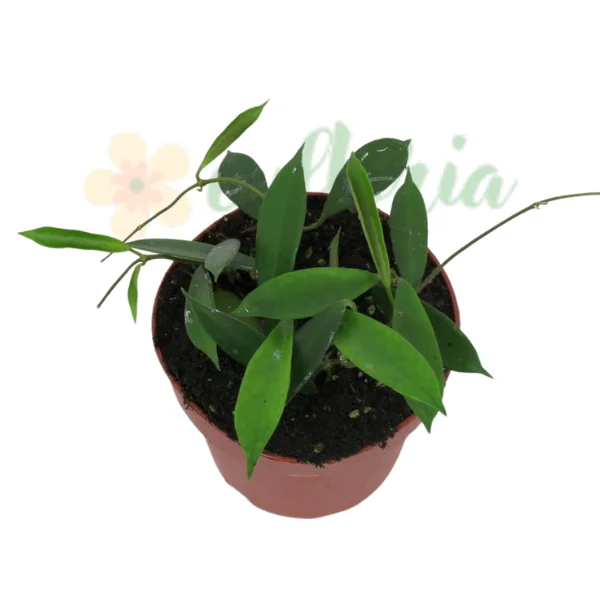
Hoya wayetii — popular Philippine hoya with red-bronze margins and fragrant umbels of red-burgundy star flowers with yellowish corona.
Approx height (including pot): 10 cm
Flowering state: No flowers
Country of origin: Netherlands
- Description
- Characteristics
- Reviews (0)
- FAQ
🌿 Hoya wayetii — Philippine hoya with bronze tones
Hoya wayetii is a popular species with elliptic-lanceolate leaves, green with red-bronze margins under bright light. Grows compactly-moderate, ideal for hanging baskets or trellis. Flowers appear in compact umbels of intense red-burgundy star blooms with yellowish corona, sweetly fragrant in the evening.
It's one of the easiest hoyas to care for, recommended for beginners. Blooms abundantly and intensely, with dramatic colors making it a favorite.
🌍 Origin
Philippines, tropical forests.
🌱 How to care for it
Bright indirect light to develop red-bronze margins, humidity 50-70%, temperatures 18-28°C. Airy substrate.
🌸 Flowering
Umbels of 15-25 red-burgundy star flowers with yellowish corona, sweet evening fragrance.
🌿 Safety
Not toxic to cats, dogs or children. Safe Apocynaceae. Milky sap may irritate skin.
Lungime: 9 cm
Greutate (kg): 0.25 Kg
Denumire: Hoya
Diametru: 9 cm
Cerințe lumină: Strong, indirect light
Tip plantă: Decorative
Utilizare: Interior
Tip suport: Ghiveci
Material Suport: Plastic
How often should I water Hoya wayetii?
Water when the top 3–4 cm of substrate have dried completely. In summer, this means once every 7–14 days, and in winter once every 2–3 weeks. Hoya tolerates drying better than overwatering.
Is Hoya wayetii toxic to pets?
No, Hoya wayetii is considered non-toxic to cats and dogs according to the ASPCA. The milky sap may cause minor gastric irritation in large quantities, but it is not dangerous.
Why don’t the leaves have reddish margins?
The reddish margins appear with bright light exposure. If the plant receives too little light, leaves remain uniformly green. Move the plant near a bright window and the margins will colour up within 2–4 weeks.
When does Hoya wayetii bloom?
Flowering occurs 2–3 years after rooting. The flowers are star-shaped, waxy, reddish-burgundy and fragrant. Do not cut the peduncles (spurs) after flowers drop — they will produce new blooms in subsequent seasons.
How do you propagate Hoya wayetii?
Propagation is done through stem cuttings with at least 2 nodes. Place the cutting in moist sphagnum or water at 22–28°C. Roots appear within 2–4 weeks. The success rate is high, 80–90%.
Ai nevoie și de un ghiveci decorativ?