EN/
EN/ Romana
Hoya verticillata sp. 'Panglay'
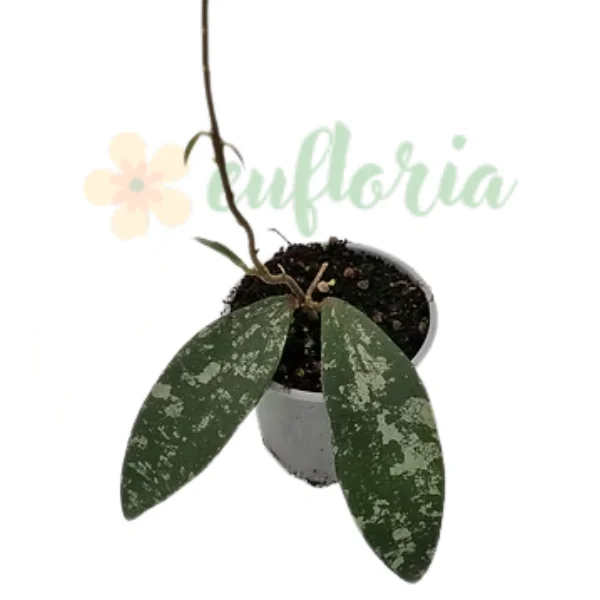
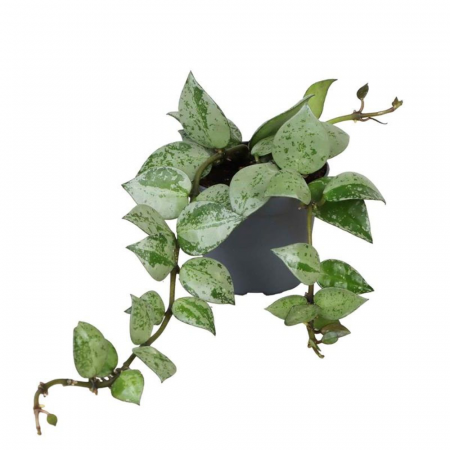
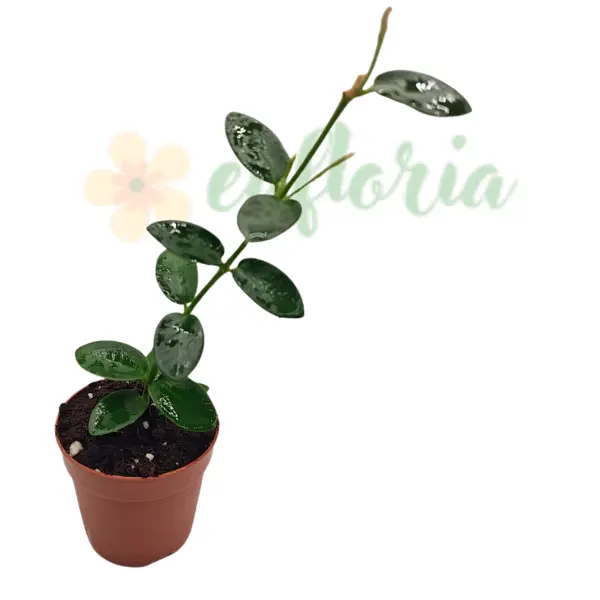
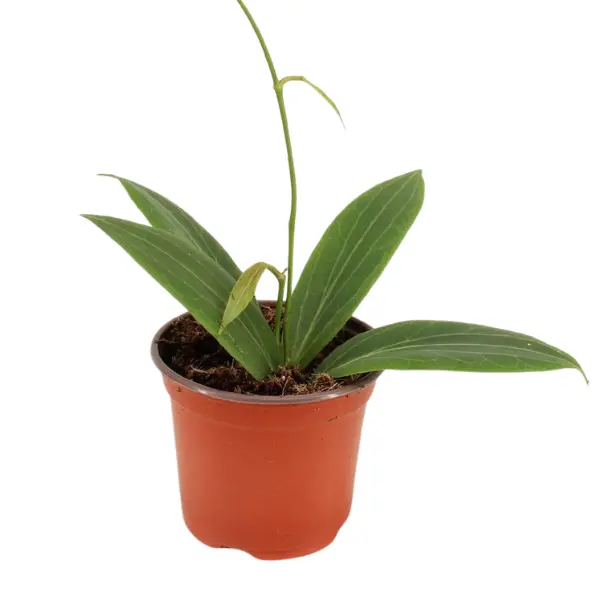
![Hoya verticillata sp. Panglay with glossy green oval leaves, rare tropical collector plant in pot [1]](https://gomagcdn.ro/domains2/eufloria.ro/files/product/original/hoya-verticillata-pemalang-silver-copie-438370.webp "Hoya verticillata sp. Panglay with glossy green oval leaves, rare tropical collector plant in pot [1]")
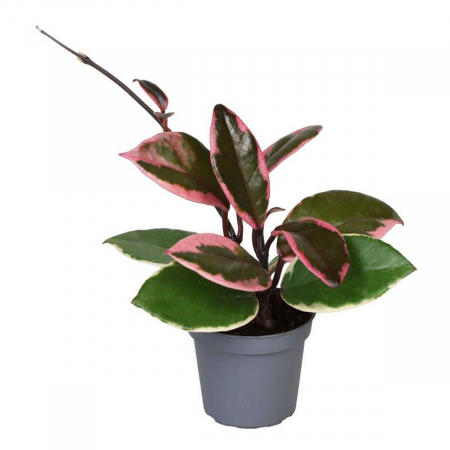
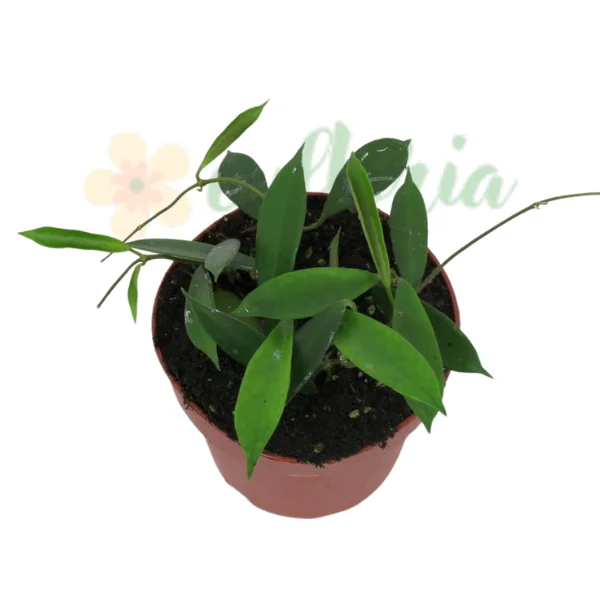
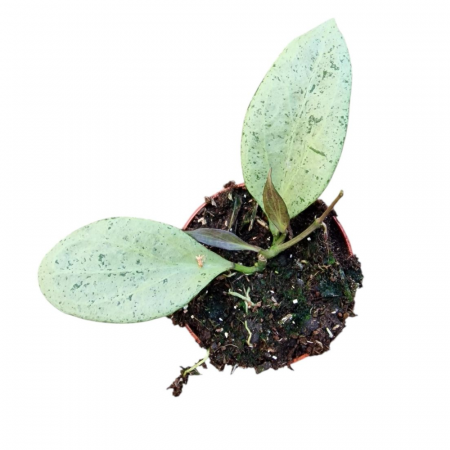
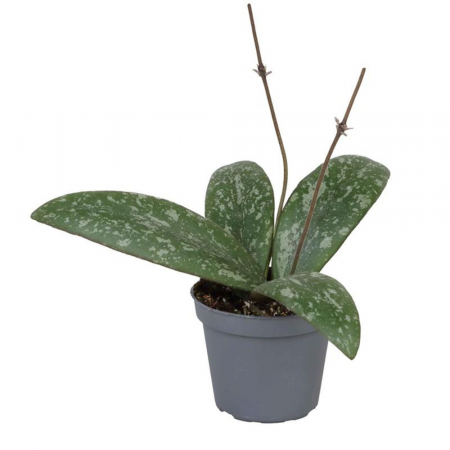
Hoya verticillata sp. 'Panglay' is a rare collector's Hoya sourced from the Panglay area in the Philippines. It features elegant, glossy green oval leaves on graceful trailing stems. At maturity, it produces spherical clusters of waxy, cream-coloured flowers with a pink corona and a captivating sweet fragrance that intensifies in the evening.
Flowering state: No flowers
Country of origin: Indonesia
Pot diameter: (no pot)
Nodes: 1-2
- Description
- Characteristics
- Reviews (0)
- FAQ
🌿 Plant Characteristics and Origin
Hoya verticillata sp. 'Panglay' is a distinctive locality form of the Hoya verticillata complex, collected from the Panglay area in the Philippines. This tropical epiphyte has become highly prized among Hoya collectors for its elegant foliage, reliable growth habit, and the beautiful fragrant flowers it produces when mature. As part of the diverse Hoya verticillata group within the Apocynaceae family, the Panglay form exhibits its own unique combination of leaf shape, texture, and flowering characteristics that set it apart from other regional variants.
The leaves of Hoya verticillata sp. 'Panglay' are oval to slightly elongated, with a smooth, semi-glossy surface and a rich green colour. They are arranged in opposite pairs along flexible, semi-woody stems that trail gracefully or climb when provided with support. The leaf texture is firm and moderately succulent, enabling the plant to store water and withstand short dry periods — an adaptation inherited from its epiphytic lifestyle in the wild, where it grows attached to tree branches high above the forest floor.
In its native Philippine habitat, this Hoya thrives in warm, humid tropical forests where it receives dappled sunlight filtered through the forest canopy. The roots cling to bark and mossy surfaces, drawing moisture and nutrients from the humid air and decomposing organic matter. This natural growing pattern informs how we should care for the plant in cultivation: it needs excellent drainage, good air circulation around the roots, and protection from direct, scorching sunlight.
The flowers are one of the most rewarding aspects of growing any Hoya, and the Panglay form does not disappoint. It produces rounded umbels of small, star-shaped, waxy blooms that are typically creamy white to pale yellow with a contrasting pink or reddish corona. The fragrance is sweet and intoxicating, becoming especially noticeable in the evening hours. Once a peduncle (flower stalk) has bloomed, it should not be removed, as the same peduncle can produce multiple rounds of flowers over the years.
☀️ Light Requirements
Light is one of the key factors determining the health and flowering potential of Hoya verticillata sp. 'Panglay'. This species performs best in bright, indirect light, which replicates the dappled sunshine of its native forest habitat. Position the plant near an east-facing or bright north-facing window where it can enjoy several hours of gentle, diffused light each day without being subjected to the harsh intensity of direct midday or afternoon sun.
Too much direct sunlight can scorch the leaves, causing unsightly brown or bleached patches that will not recover. On the other hand, too little light results in slow, leggy growth with elongated internodes and a reluctance to flower. The plant effectively communicates its light needs: compact growth with closely spaced leaves indicates good light conditions, while stretched, sparse growth signals a need for more brightness.
During the darker winter months common in northern and central Europe, supplementing natural light with a full-spectrum LED grow light can make a significant difference. Place the light 30–50 cm above the foliage and run it for 12–14 hours daily to simulate tropical day length. This helps maintain active growth even when outdoor light levels are low and can encourage the plant to bloom out of its typical season.
If you move the plant outdoors during summer — which many growers find beneficial for boosting growth — choose a sheltered location in partial shade, such as under a tree canopy or on a covered balcony. Transition the plant gradually over a week to avoid light shock, starting with a deeply shaded spot and slowly introducing more brightness. Always bring the plant back indoors before nighttime temperatures drop below 15°C in autumn.
💧 Watering, Humidity and Feeding
Watering correctly is perhaps the single most important aspect of Hoya care. Hoya verticillata sp. 'Panglay', like all epiphytic Hoyas, is adapted to alternating cycles of moisture and dryness. The fundamental principle is to allow the substrate to dry out partially between waterings. Push your finger 2–3 cm into the mix; if it still feels damp, wait before watering. If it is dry, water thoroughly.
When you water, do so generously, allowing water to flow through the pot and drain out completely from the bottom. This method ensures that the entire root zone is moistened and flushes out any salt build-up from fertilisers or minerals in tap water. Never let the pot sit in a saucer of standing water, as waterlogged roots are highly susceptible to rot — one of the most common and devastating problems in Hoya cultivation.
Watering frequency will naturally vary with the seasons. In spring and summer, when the plant is actively growing, you may need to water every 5–7 days. During autumn and winter, as growth slows and evaporation decreases, stretching to every 10–14 days or even longer is usually appropriate. Always observe the plant and the substrate rather than following a rigid schedule, as factors like pot material, substrate composition, ambient temperature, and humidity all influence how quickly the mix dries out.
Humidity plays an important role in the well-being of this tropical species. In its native Philippine forests, ambient humidity often exceeds 70%. While the plant can adapt to typical European household humidity of 40–50%, it will thrive noticeably better at 60–80%. Practical ways to boost humidity include grouping tropical plants together (they create a humid microclimate), placing the pot on a pebble tray with water, or using an electric humidifier in the growing area. Avoid placing the plant near heating vents or radiators, which severely dry the air.
Feed your Hoya verticillata sp. 'Panglay' with a balanced liquid fertiliser (NPK 20-20-20 or similar) diluted to half the recommended strength, applied every 2–4 weeks from April through September. To encourage blooming, some collectors switch to a fertiliser with a higher phosphorus ratio (such as 10-30-20) once the plant is mature. Always water the plant before fertilising to prevent root burn, and cease feeding entirely during winter when the plant rests.
🌡️ Temperature and Climate
Being a tropical species from the Philippine lowlands, Hoya verticillata sp. 'Panglay' is most comfortable in warm, stable temperatures between 18–28°C. Within this range, the plant will grow steadily, produce healthy foliage, and — when mature — develop flower buds. Temperatures at the warmer end of this spectrum, combined with good humidity, tend to produce the most vigorous growth during the active season.
Cold sensitivity is something to be mindful of. Temperatures below 15°C will cause growth to stall, and prolonged exposure below 10°C can lead to serious damage including leaf drop, stem blackening, and root decline. In European homes, the main risk period is winter, when windowsills can become surprisingly cold, especially at night. Move plants away from single-glazed windows and exterior walls during the colder months, and avoid positions near frequently opened doors or windows that create cold draughts.
Temperature stability matters as much as the actual temperature. Sudden swings — such as moving the plant from a warm living room to an unheated conservatory, or blasting it with hot air from a nearby heater — stress the plant and can trigger leaf yellowing or bud drop. If you need to relocate the plant, do so gradually, allowing it time to acclimatise to each new environment.
Good air circulation is another component of a healthy growing environment. Stagnant, humid air without movement increases the risk of fungal problems such as sooty mould or leaf spot. A gently running fan on its lowest setting, or a naturally ventilated room with an occasional open window, provides the kind of soft air movement that Hoyas appreciate. The goal is a light breeze, not a strong draught.
🪴 Pot, Substrate and Repotting
The choice of pot and substrate is critical for Hoya verticillata sp. 'Panglay'. As an epiphyte, its roots have evolved to cling to tree bark in open air rather than sitting in dense soil, so the growing medium must be fast-draining, chunky, and highly aerated. A heavy, moisture-retentive mix will suffocate the roots and inevitably lead to rot.
An excellent substrate recipe for this Hoya combines approximately 40% orchid bark (medium-grade), 25% perlite, 20% coconut coir or high-quality peat, and 15% horticultural charcoal. The bark pieces create large air pockets that allow oxygen to reach the roots, closely mimicking the conditions around epiphytic roots in nature. Perlite prevents the mix from compacting over time, coco coir provides moderate moisture retention, and charcoal acts as a natural filter, absorbing impurities and preventing the substrate from becoming sour.
Some growers incorporate a small amount of sphagnum moss into the mix or use it as a top-dressing to maintain surface moisture in particularly dry indoor environments. While effective, sphagnum should be used sparingly, as too much can retain excessive moisture around the stems and crown of the plant, increasing the risk of stem rot. A thin layer on top, rather than mixed throughout, is often the safest approach.
For pot selection, terracotta pots are highly recommended for Hoyas. Their porous walls allow excess moisture to evaporate, providing a built-in safeguard against overwatering. Plastic pots retain moisture longer and can work well in dry environments or for very attentive growers, but they offer less forgiveness if you accidentally overwater. Whichever material you choose, drainage holes are absolutely essential — never plant a Hoya in a pot without them.
Hoyas, including the Panglay form, generally prefer to be slightly root-bound. A snug pot encourages the plant to channel energy into foliage and flower production rather than root expansion. Repot only when the plant has clearly outgrown its container — signs include roots growing extensively out of the drainage holes, water running straight through without being absorbed, or the substrate visibly decomposing. Choose a new pot just one size larger (about 2 cm wider in diameter) and repot in spring when the plant can recover quickly.
During repotting, gently tease apart the roots and remove any that are dead, mushy, or blackened. Settle the plant into fresh substrate without pressing it down too firmly — you want to maintain those all-important air pockets. Wait 3–5 days after repotting before watering, giving any minor root damage time to heal and reducing the chance of infection.
For an alternative display, consider mounting this Hoya on a piece of cork bark or a natural branch. Wrap the roots in a modest amount of damp sphagnum moss, secure them with fishing line or garden ties, and mist regularly. Mounted Hoyas dry out faster and need more frequent attention, but the result is a stunning, naturalistic presentation that showcases the plant's trailing habit beautifully.
Denumire: Hoya
Diametru: (fără ghiveci)
Cerințe lumină: Partial umbra
Tip plantă: Decorative
Utilizare: Interior
How do I care for Hoya verticillata sp. Panglay?
Hoya verticillata sp. Panglay prefers bright indirect light, moderate watering (allow the soil to partially dry between waterings) and an airy, well-draining substrate. Ideal temperatures range from 18–28°C, and humidity of 60–80% promotes growth. Fertilise with a balanced fertiliser diluted to half strength every 2–4 weeks during the growing season.
When does Hoya verticillata sp. Panglay bloom?
Hoya verticillata sp. Panglay blooms during the warm season, producing spherical umbels of waxy, cream-white flowers with a pink centre. The flowers have a sweet fragrance that intensifies in the evening. The plant needs to be mature and receive sufficient light. Do not cut the peduncles after flowering — the same peduncle can produce flowers multiple times.
What makes Hoya verticillata sp. Panglay special?
This locality form was collected from the Panglay area in the Philippines. It is a rare collector's plant valued for its glossy green oval leaves and spectacular fragrant flowers. As a regional form of Hoya verticillata, it exhibits unique characteristics that differentiate it from other variants of the species.
Is Hoya verticillata sp. Panglay toxic to pets?
Hoya species are considered non-toxic to cats and dogs. However, ingesting leaves may cause mild digestive discomfort. It is advisable to keep the plant out of reach of curious pets.
How can I propagate Hoya verticillata sp. Panglay?
Propagation is done through stem cuttings with at least one node and a leaf. Place the cuttings in moist sphagnum moss or perlite and maintain high humidity. Roots appear in 3–5 weeks, after which transplant into an airy substrate. Spring is the ideal time.
Ai nevoie și de un ghiveci decorativ?