EN/
EN/ Romana
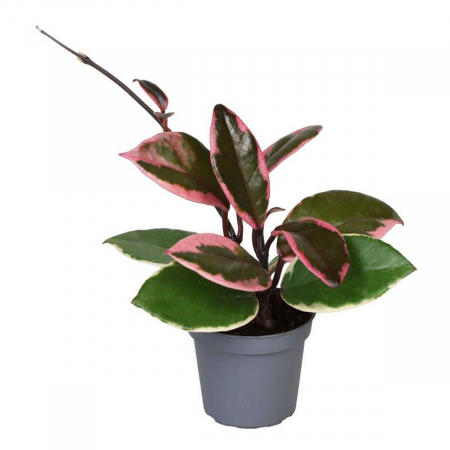
Hoya 'Timor' Ø10cm
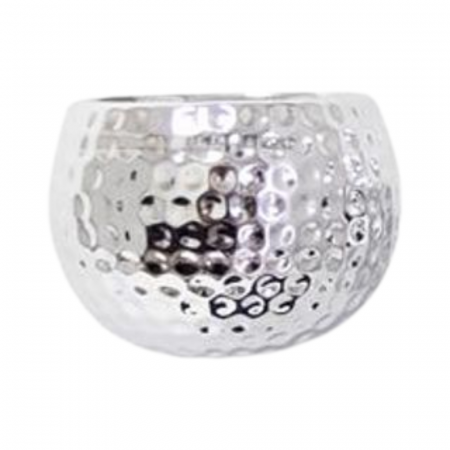
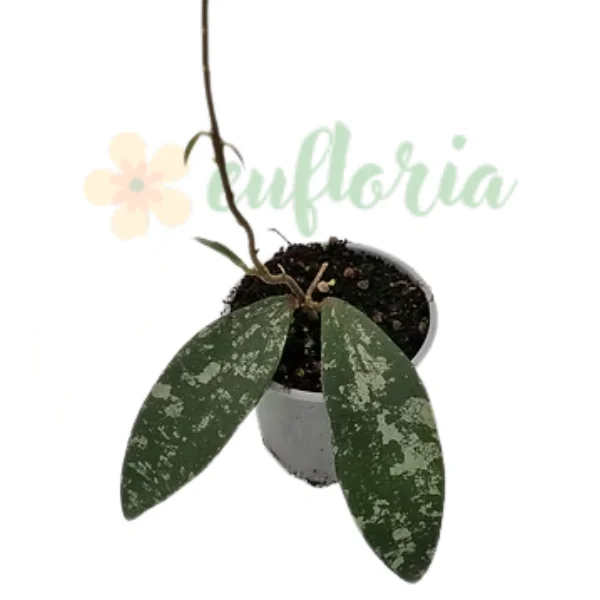
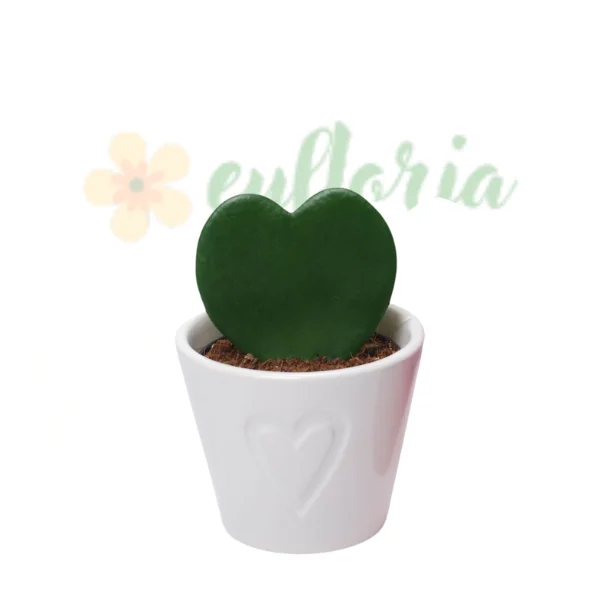
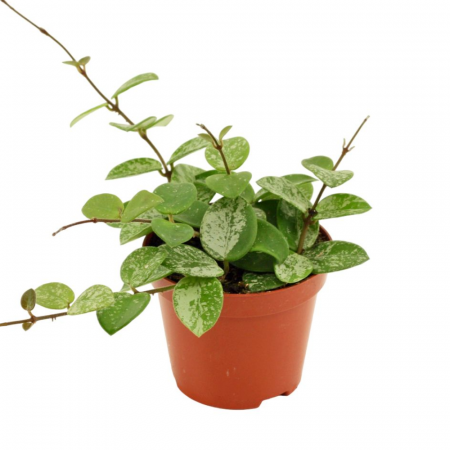
![Hoya Timor with deep green waxy leaves and glossy texture in ceramic pot [1]](https://gomagcdn.ro/domains2/eufloria.ro/files/product/original/341367.png "Hoya Timor with deep green waxy leaves and glossy texture in ceramic pot [1]")
Hoya Timor is a rare Hoya species native to the island of Timor in Southeast Asia, prized for its fleshy, waxy foliage with a jade-like sheen and pleasant tactile quality. Its flowers, clustered in fragrant umbels of creamy pink with a burgundy corona, release a sweet vanilla-honey scent that intensifies in the evening hours. An epiphytic climber ideal for moss poles or hanging planters, Hoya Timor rewards patient growers with an unforgettable floral display.
Approx height (including pot): 15 cm
Flowering state: No flowers
Country of origin: Netherlands
Pot diameter: 10 cm
- Description
- Characteristics
- Reviews (0)
- FAQ
🌿 Hoya Timor — The Waxy Jewel of the Indonesian Archipelago
Among the most sought-after Hoya species in recent years, Hoya Timor stands out as a collector’s plant with a distinctive character, marrying the elegance of its fleshy foliage with the subtle charm of its waxy, fragrant blooms. Native to the island of Timor in Southeast Asia, this species was discovered in humid tropical forest zones where it thrives as an epiphyte on the trunks of ancient trees, anchoring its adventitious roots in the moss-covered bark high above the forest floor.
First documented by botanists exploring the Nusa Tenggara archipelago during the twentieth century, Hoya Timor remains a prized specimen in the collector community, representing one of those rare species that reveals its beauty gradually, as it matures and begins producing its fragrant umbels. It is a plant that rewards patience and attentive care, offering in return a floral display seldom matched by other indoor species. The anticipation of its first bloom is part of the joy of growing this remarkable Hoya.
What makes Hoya Timor an exceptional choice for plant enthusiasts is the unique combination of its natural hardiness and refined decorative appeal. Its thick leaves, coated with a waxy cuticle that catches light in a subtle, almost pearlescent manner, create a pleasing contrast against the twining stems that can be easily trained on moss poles, wooden frames, or left to cascade from hanging planters. In contemporary interiors, this Hoya becomes a living design element, capable of transforming an unremarkable corner into a small pocket of tropical wonder.
Unlike many houseplants that demand constant vigilance, Hoya Timor possesses the remarkable ability to tolerate periods of relative neglect. Its succulent-like leaves retain moisture efficiently, and its epiphytic roots are adapted to natural cycles of drying and rewetting. This resilience makes it suitable for both beginners seeking an unusual first Hoya and experienced collectors looking to add a rare species without investing excessive resources in its maintenance.
🌍 Origin and Botanical History
Hoya Timor belongs to the family Apocynaceae, subfamily Asclepiadoideae, a fascinating group of latex-bearing plants distributed predominantly across the tropical regions of the world. The genus Hoya was first described by Scottish botanist Robert Brown in 1810, in his seminal work “Prodromus Florae Novae Hollandiae,” and was dedicated to his friend Thomas Hoy, head gardener at Syon House in Middlesex, England. Today, the genus encompasses over 500 described species, with new discoveries reported almost annually, especially from the remote highlands of Borneo, the Philippines, and New Guinea.
The island of Timor, from which this species originates, is part of the Nusa Tenggara archipelago and harbours remarkable biodiversity, including numerous endemic species adapted to its unique local conditions. The tropical monsoon climate, with its pronounced alternation of wet and relatively dry seasons, has specially shaped this Hoya’s adaptation to brief drought periods, granting it superior resilience compared to many other species in the genus. The natural habitat altitude ranges between 200 and 1,200 metres, on slopes covered by semi-deciduous tropical forest where filtered light through the tree canopy creates a mosaic of shade and dappled sunlight.
The popular name “Timor” directly references the island of origin. In the international rare plant trade, this species is often listed as Hoya sp. Timor or Hoya aff. diversifolia Timor, suggesting possible affinities with the Hoya diversifolia complex. The exact taxonomic classification remains a subject of debate among systematists, adding an element of mystery and exclusivity for amateur botanists cultivating it in their private collections.
From a phylogenetic perspective, Hoya species from Timor island form a distinct cluster within section Acanthostemma, alongside a few related species from Flores and Sumba. This taxonomic position confers unique morphological and ecological traits, different from the more widespread species of Borneo or the Philippines, making them particularly valuable for collectors seeking genetic diversity in their living collections.
🌱 The Foliage
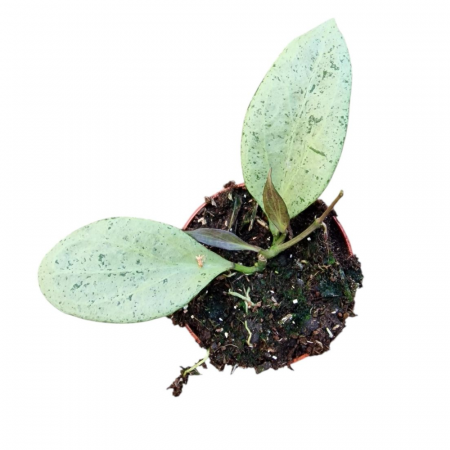
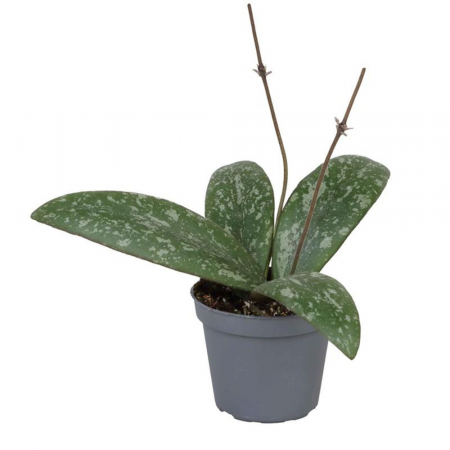
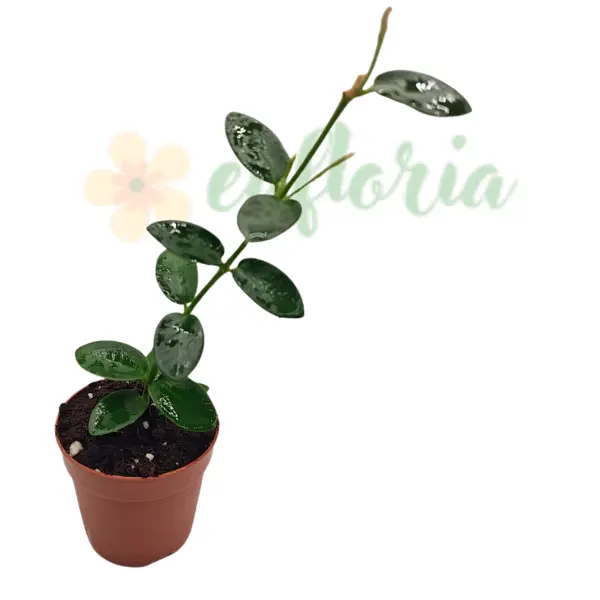
The leaves of Hoya Timor are undeniably its primary decorative asset between flowering periods. Elliptic to ovate-lanceolate in shape, they measure between 6 and 12 centimetres in length and 3 to 5 centimetres in width, with a slightly pointed apex and a rounded base. The leaf surface is covered with a fine waxy cuticle that gives the foliage a subtle sheen and a pleasant texture to the touch, reminiscent of polished stone or jade.
Colour varies from deep green under moderate light conditions to green with silvery or olive reflections when the plant receives bright indirect illumination. The midrib is prominent, a lighter green that forms an elegant line of symmetry, while secondary veins create a fine reticulate pattern visible in backlight, like botanical lace overlaying the darker background of the leaf blade. In young specimens, newly emerging leaves may display subtle bronze or reddish-brown hues — a manifestation of protective anthocyanins — that gradually fade as the leaf matures and chlorophyll becomes dominant.
The petiole is short and sturdy, approximately 1 to 2 centimetres long, holding the leaf firmly to the twining stem through an articulation that allows gentle movement in air currents. Leaf arrangement along the stem is opposite, creating an elegant symmetrical effect along the branches, and internode distance remains relatively short in specimens cultivated under optimal light, resulting in a compact, lush, and visually attractive habit. Leaf thickness, approximately 2 to 3 millimetres, gives it a succulent appearance, and when touched, one can feel the firmness of the dense palisade tissue that stores water reserves.
A fascinating aspect of Hoya Timor leaves is the presence of semi-transparent wax dots, visible when the leaf is held against the light. These dots are actually latex-secreting cells, a characteristic of the Apocynaceae family, representing a defence mechanism against herbivores. In cultivation, this feature poses no risk whatsoever, but adds an element of botanical intrigue for those who observe their plants with close attention to detail.
🌸 The Flowers
The flowers of Hoya Timor are the reason many collectors avidly seek this species. Clustered in spherical umbels of 15 to 25 individual flowers, they emerge from persistent peduncles — also known as “spurs” — that form at leaf axils along mature stems. Each individual flower measures approximately 1.5 to 2 centimetres in diameter and displays the five characteristic Hoya petals, slightly reflexed backwards into a perfect star shape, like a miniature starfish sculpted in wax.
Petal colour ranges from creamy white to pale pink, with a central corona — the distinctive reproductive structure of the genus — in deep pink to burgundy-red, contrasting spectacularly against the lighter backdrop. The texture of the flowers is waxy, almost porcelain-like, which is why Hoya has earned the common names “wax flower” and “porcelain flower” in European horticultural tradition. The fragrance is sweet, with distinct notes of vanilla and honey, most pronounced during evening and night hours, evolved to attract nocturnal pollinators — particularly hawk moths — in its natural habitat.
Each umbel produces abundant nectar — translucent, glassy droplets that accumulate on the flower surface and glisten in light like miniature jewels of liquid amber. This nectar is sweet-tasting and completely harmless, though it should be periodically wiped from surfaces around the plant to prevent sticky spots. The main flowering season spans summer through early autumn, and a well-maintained mature plant can produce multiple umbels simultaneously, creating an unforgettable olfactory and visual spectacle that fills the room with its evening perfume.
A crucial point in Hoya Timor culture: floral peduncles must never be removed after blooming. The same flowering spur will produce new flowers in subsequent seasons, and cutting it means losing years of floral potential. Additionally, frequently moving the plant during bud formation can cause bud drop, so location stability is essential during the pre-flowering period.
🌱 Growth Habit and Development
Hoya Timor exhibits a twining-trailing growth habit, developing long, flexible stems that can reach 1 to 2 metres in cultivation after several years of growth under optimal conditions. Growth rate is moderate — slower than Hoya carnosa or Hoya pubicalyx, but more vigorous than many miniature species in the genus such as Hoya serpens or Hoya curtisii. Adventitious roots form regularly at nodes, allowing the plant to anchor itself to moss, coconut fibre supports, or to hang gracefully from a suspended planter, creating a living curtain of fresh greenery.
Being an epiphyte in nature, Hoya Timor prefers a very well-draining substrate with coarse particles that mimic the growing conditions found on tree bark. Its adaptability to indoor conditions is remarkable — it tolerates the relatively dry air of modern homes well, though a humidity level of 50 to 70 percent visibly accelerates growth and encourages flowering. The plant can be cultivated on a vertical support (moss pole, trellis, wire hoop) or as a hanging specimen, adapting its habit according to the available space and the grower’s preference.
Branching occurs naturally at nodes along the main stem, especially once the vine reaches a certain maturity. Pinching growing tips is not recommended for Hoya, as new branches emerge from existing nodes rather than cut points, and such intervention may delay flowering by months or even years. Patience is the cardinal virtue in cultivating this species — the first floral peduncles typically appear 2 to 3 years after rooting, once the plant has accumulated sufficient energy reserves and developed a robust root system capable of supporting reproductive efforts.
- Light: Bright to moderate indirect light, ideally from an east or west-facing window. Tolerates lower light conditions, but flowering requires several hours of bright filtered light daily. Avoid direct summer sun, which can scorch the leaves and cause unsightly brown patches.
- Temperature: Optimal range 18–28°C. Tolerates down to 12°C for short periods, but below 10°C foliage damage occurs. A slight nocturnal temperature drop (15–18°C) during the cool season can stimulate flower bud initiation, mimicking the plant’s natural seasonal cues.
- Watering: Allow the substrate to dry completely between waterings. In winter, reduce frequency to once every 10–14 days. Overwatering is the primary threat — the fleshy roots are highly susceptible to rot. Use room-temperature, lime-free water whenever possible.
- Humidity: 50–70% is ideal for vigorous growth and flowering. Adapts to 40%, though growth will be noticeably slower. A pebble tray with water beneath the pot or a room humidifier helps considerably during the heating season.
- Substrate: Mix of pine bark (40%), perlite (30%), coconut coir (20%), and horticultural charcoal (10%). Must drain very rapidly, ensuring aeration of the epiphytic root system that is adapted to air circulation.
- Fertilising: Balanced liquid fertiliser (NPK 10-10-10) or phosphorus-rich formula (to encourage blooming), diluted to half the recommended concentration, once monthly during the growing season (April–September). No fertilising in winter during the plant’s rest period.
- Propagation: By stem cuttings with at least 2 nodes, rooted in water or moist perlite at 22–25°C. Rooting takes 3–6 weeks depending on conditions. Can also be propagated by air layering on long established stems for faster results.
Lungime: 15 cm
Greutate (kg): 0.5 Kg
Denumire: Hoya
Diametru: 10 cm
Cerințe lumină: Partial umbra
Tip plantă: Decorative
Utilizare: Interior
Tip suport: Ghiveci
Material Suport: Plastic
How often should I water Hoya Timor?
Hoya Timor should only be watered when the substrate has dried completely. During the warm season, this means approximately once a week, while in winter, once every 10-14 days. Overwatering is the primary risk, as the epiphytic roots are prone to rot.
Is Hoya Timor toxic to cats and dogs?
No, Hoya Timor is considered non-toxic to pets and humans. The Hoya genus does not contain known harmful substances. However, it is still advisable to prevent pets from ingesting plant material.
When does Hoya Timor bloom indoors?
Hoya Timor typically blooms in summer and early autumn, once the plant has reached maturity (approximately 2-3 years from rooting). Flowering requires bright indirect light and a slight nocturnal temperature drop during the cool season.
What is the best substrate for Hoya Timor?
The best substrate for Hoya Timor is a mix of pine bark (40%), perlite (30%), coconut coir (20%), and horticultural charcoal (10%). The substrate must ensure rapid drainage and aeration of the epiphytic roots.
Why is my Hoya Timor not flowering?
The most common causes are: insufficient bright indirect light, the plant is too young (under 2-3 years), cutting floral peduncles after previous blooming, or lack of temperature variation between day and night. Ensure the plant receives adequate light and avoid moving it during bud formation.
Ai nevoie și de un ghiveci decorativ?