EN/
EN/ Romana
Hoya sp. 'Vietnam' Ø6cm
![Hoya sp Vietnam - rare Hoya species with thick waxy deep green leaves [0]](https://gomagcdn.ro/domains2/eufloria.ro/files/product/medium/hoya-sp-vietnam-d6-012567.webp "Hoya sp Vietnam - rare Hoya species with thick waxy deep green leaves [0]")
![Hoya sp Vietnam - rare Hoya species with thick waxy deep green leaves [1]](https://gomagcdn.ro/domains2/eufloria.ro/files/product/medium/hoya-sp-vietnam-d6-017670.webp "Hoya sp Vietnam - rare Hoya species with thick waxy deep green leaves [1]")
![Hoya sp Vietnam - rare Hoya species with thick waxy deep green leaves [1]](https://gomagcdn.ro/domains2/eufloria.ro/files/product/original/hoya-sp-vietnam-d6-012567.webp "Hoya sp Vietnam - rare Hoya species with thick waxy deep green leaves [1]")
![Hoya sp Vietnam - rare Hoya species with thick waxy deep green leaves [2]](https://gomagcdn.ro/domains2/eufloria.ro/files/product/original/hoya-sp-vietnam-d6-017670.webp "Hoya sp Vietnam - rare Hoya species with thick waxy deep green leaves [2]")
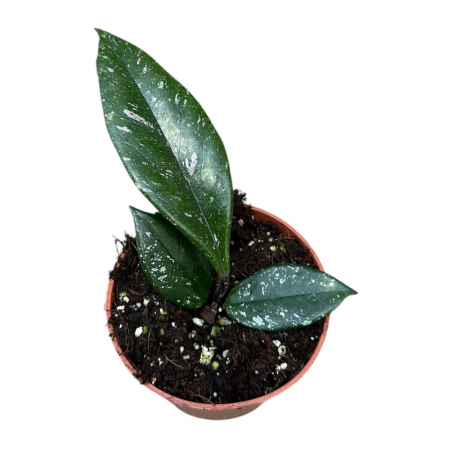
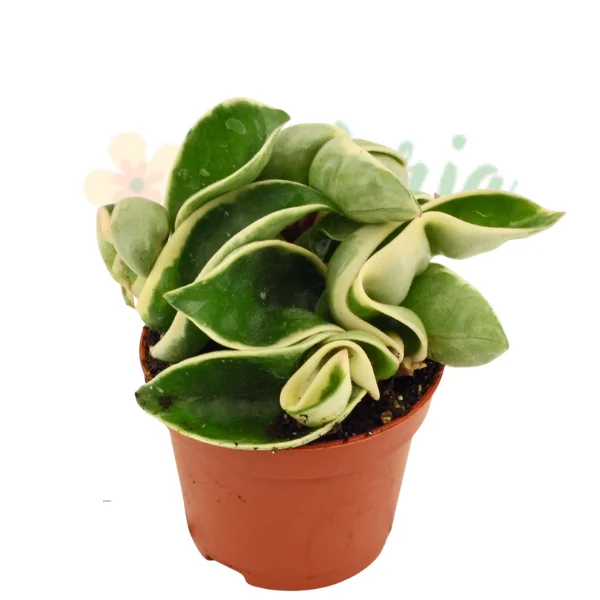
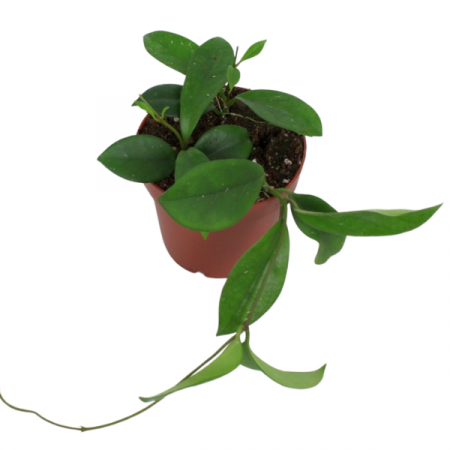
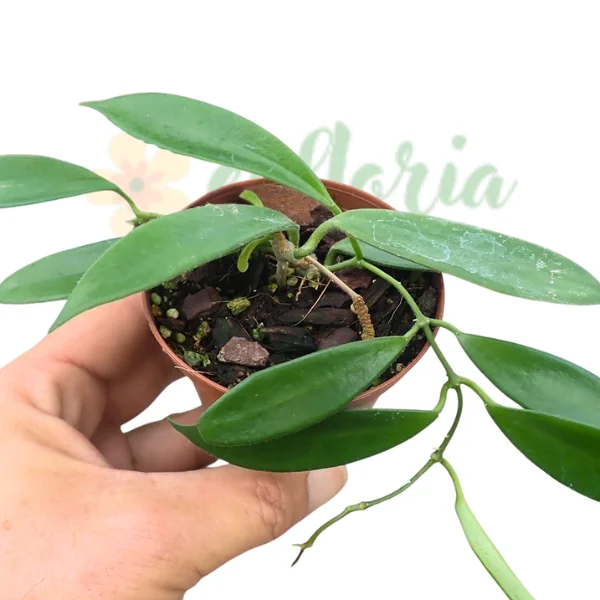
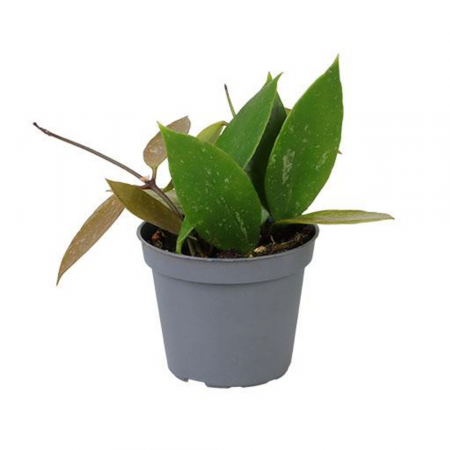
Hoya sp. 'Vietnam' is an undescribed species from the Hoya genus, Apocynaceae family, discovered in the tropical forests of Vietnam. Distinguished by thick, waxy leaves of an intense, healthy green. A collector's plant with a mysterious botanical status, ideal for lovers of botanical rarities.
Approx height (including pot): 10 cm
Flowering state: No flowers
- Description
- Characteristics
- Reviews (0)
- FAQ
🌿 Tropical Mystery from the Vietnamese Jungle
Hoya sp. 'Vietnam' is an officially unidentified species from the Hoya genus, discovered in the tropical forests of Vietnam and still taxonomically unclassified, lending it an aura of mystery and exclusivity that captivates collectors worldwide. This enigmatic plant belongs to the Apocynaceae family and represents one of those botanical discoveries demonstrating that the tropical jungle still harbours countless undescribed plant treasures.
What makes this Hoya truly special is the combination of its decorative foliage — thick, waxy leaves of an intense, healthy green — and its status as an "sp." (species) plant, indicating it has not yet been formally described and named by taxonomists. For collectors, this status confers particular value: owning a specimen of Hoya sp. 'Vietnam' means having in one's collection a plant that may receive its own scientific name in the future, a living piece of botanical history in the making.
Each specimen of Hoya sp. 'Vietnam' carries within itself the story of Vietnamese montane forests, the incredible biodiversity of this region, and the efforts of collectors and botanists to document and conserve rare species. It is a plant that does not merely decorate a space but inspires curiosity and respect for the complexity of tropical nature.
🌍 Origin and Botanical History
Hoya sp. 'Vietnam' originates from the tropical and montane forests of Vietnam, a country with remarkable biodiversity situated in the Indochinese Peninsula of Southeast Asia. Vietnam hosts some of the world's richest forest ecosystems, with endemic species continuing to be discovered by contemporary research teams. The genus Hoya is well represented in this region, with numerous described and undescribed species growing as epiphytes in the upper storeys of the tropical forest.
The designation "sp. 'Vietnam'" indicates that the plant was collected from Vietnam but has not yet been formally described as a new species in botanical literature. This formal description process can take years or even decades, requiring detailed morphological studies, DNA molecular analyses, and comparisons with already-described related species. Until the formal description is published, the plant circulates in horticulture under the provisional name Hoya sp. 'Vietnam'.
The genus Hoya was established by botanist Robert Brown in 1810, in honour of Thomas Hoy (1750–1822), the gardener of the Duke of Northumberland. With over 500 described species and probably as many still undescribed, Hoya is one of the most diverse genera of tropical epiphytic plants, and each new discovery adds a piece to the fascinating mosaic of this genus's evolution.
🌱 The Foliage
The leaves of Hoya sp. 'Vietnam' are typical of the Hoya genus yet possess distinct characteristics that differentiate it from more common species. Each leaf has an oval to slightly lanceolate shape, measuring approximately 4-7 cm in length and 2-4 cm in width. The texture is thick, fleshy and succulent, with a waxy surface that imparts a natural, elegant sheen when light falls upon it at the right angle.
The dominant colour is rich, deep green, with a tonal uniformity that creates a perfect backdrop for the play of light and shadow on the waxy surface. In some specimens, slightly lighter-coloured veins can be observed, creating a subtle yet refined pattern on the leaf surface. The margins are entire, slightly undulate, and the leaf tip may be slightly pointed or rounded, varying from specimen to specimen.
New leaves initially appear in a lighter green shade, sometimes with a slightly bronzed tint, becoming darker and waxier as they mature. The leaves are arranged oppositely on the stem at regular intervals, creating a symmetrical, orderly appearance that makes the plant highly decorative even in the absence of flowers. The succulent texture of the leaves makes them resistant to dehydration, allowing the plant to survive short periods without watering.
🌸 The Flowers
Although information about the flowers of Hoya sp. 'Vietnam' is limited due to its undescribed species status, it is anticipated that, consistent with the Hoya genus, the plant produces umbel inflorescences with waxy, star-shaped flowers. Flowers of Hoya species from Vietnam are often remarkable for their intense fragrance and varied colours, from pure white and cream to pink, red, or yellow.
Flowering in cultivation usually requires sufficient maturity — at least 2-3 years from rooting — and optimal conditions of strong indirect light. As with all Hoya species, flower peduncles are permanent and should not be cut after blooms wilt, as the plant will reflower on the same peduncles in future seasons.
Abundant nectar and sweet fragrance that intensifies in the evening are common characteristics of Hoya flowers, serving as attractants for nocturnal pollinators in the natural habitat. For collectors, the first flowering of a Hoya sp. 'Vietnam' specimen is a special event that may provide precious clues about the exact identity of the species.
🌱 Growth Habit and Development
Hoya sp. 'Vietnam' exhibits a climbing-twining growth habit, typical of epiphytic species within the Hoya genus. Branches are flexible, tending to cling to any available support through aerial roots developing at nodes. The plant can be cultivated on vertical support, trellis, or left to trail freely from a hanging basket, where the branches create elegant vegetative cascades.
The growth rate is moderate, with periods of active growth during the warm season followed by relative dormancy during winter. The plant produces new leaves along the main branches, gradually developing a dense, lush appearance as it matures.
- Light: Bright, indirect light. An east or west-facing window is ideal. Tolerates a few hours of direct morning sun, but avoid intense midday sun which can cause leaf burns. Insufficient light will slow growth.
- Temperature: 18-28°C optimal, minimum 14°C. Being native to Vietnam, it tolerates tropical warmth well but cannot withstand cold or cold draughts. Maintain at least 16-18°C in winter.
- Watering: Allow the substrate to partially dry between waterings. Succulent leaves store water, providing a safety margin. Reduce frequency in winter. Overwatering is the greatest danger — can cause root rot.
- Humidity: 60-80% ideal. Benefits from high humidity that stimulates healthy growth. Regular misting or humidifier recommended, especially in winter when air is drier.
- Substrate: Well-draining mix: 40% perlite, 30% pine bark, 20% coconut coir, 10% activated charcoal. Pot with good drainage. Epiphyte or orchid substrate works excellently.
- Fertilisation: Balanced liquid fertiliser diluted to half strength, once monthly during growth period (April-September). Do not fertilise in winter.
- Propagation: Through stem cuttings with at least 2 nodes, in water or perlite-sphagnum. Optimal period: spring-summer. Rooting takes 3-6 weeks.
Lungime: 6 cm
Greutate (kg): 0.15 Kg
Denumire: Hoya
Diametru: 6 cm
Cerințe lumină: Strong, indirect light
Tip plantă: Decorative
Utilizare: Interior
Tip suport: Ghiveci
Material Suport: Plastic
How do I care for the silver splash markings on Hoya sp. 'Vietnam'?
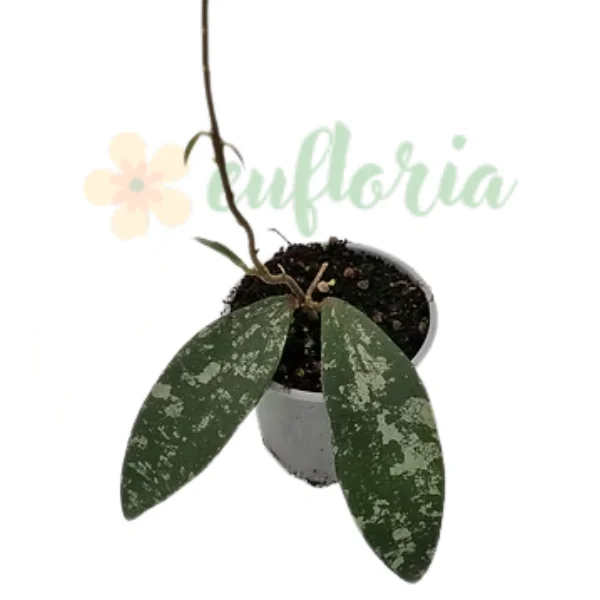
The silver splash markings are a permanent, natural feature of the leaf surface – they do not wash off and require no special treatment. However, to keep them looking their best, provide bright, indirect light. Stronger light tends to intensify the contrast between the silver flecks and the dark green base, making the splash pattern more vivid. In low-light conditions, new leaves may emerge with less pronounced markings. Occasionally wiping the leaves with a soft damp cloth removes dust and allows the silver flecking to shimmer naturally. The degree of splash varies between individual plants and even between leaves on the same plant – this natural variation is part of the charm.
Is Hoya sp. 'Vietnam' difficult to grow?
Not at all. Like most Hoyas, this species is well-suited to indoor cultivation and forgives minor care mistakes gracefully. Its thick, semi-succulent leaves store moisture, making it naturally drought-tolerant – it handles underwatering much better than overwatering. The compact growth habit means it stays well-shaped without frequent pruning. The main requirements are bright indirect light, a well-draining chunky substrate (orchid bark, perlite, and coco coir blend), and thorough but infrequent watering. Avoid cold drafts and soggy roots, and the plant will thrive. It is suitable for intermediate-level plant owners and even confident beginners who are comfortable with an epiphytic care routine.
Are there other plants called "Hoya Vietnam"? How is this one different from Hoya sp. Vietnam AH-001?
Yes – and this is an important point for collectors. Several completely different Hoya forms circulate under variations of the name "Hoya Vietnam," which can cause real confusion when shopping. Here are the main ones and how they differ:
Hoya sp. 'Vietnam' (this plant) has broad, rounded-ovate, thick semi-succulent leaves with a deep green base and generous silver splash markings across the entire leaf surface. The leaves are wide and full in shape, with a compact, dense growth habit and short internodes.
Hoya sp. Vietnam AH-001 is a collector-coded form (AH being a Thai grower designation) sometimes linked to the Hoya verticillata complex. Despite the similar "Vietnam" trade name and the presence of silver splash on its leaves, AH-001 has noticeably more elongated, narrower ovate leaves with more prominent venation – quite distinct in shape from the broader, rounder foliage of our Hoya sp. 'Vietnam'. The two are separate plants and should not be confused.
Hoya sp. aff. engleriana 'Vietnam' is a Vietnamese form of Hoya engleriana with very small, narrow, almost succulent leaves and tiny flowers in clusters of 6-7. It looks nothing like our plant – the leaves are a fraction of the size and the growth habit is fine and airy rather than compact and broad-leaved.
Hoya hainanensis (syn. Hoya sp. VN Vietnam) is a described species originally from Hainan, China, also found in Vietnam. It has ovate-elliptical leaves that can develop scalloped edges and a reddish-brown sun-stress colouration in strong light. The leaf shape and texture are distinctly different from our form.
Hoya pandurata sp. Vietnam has elongated, glossy, fiddle-shaped (pandurate) leaves up to 12 cm long and produces yellow star-shaped flowers with pink centres. The narrow, sculptural leaf form is immediately distinguishable from the broad, splash-covered leaves of our Hoya sp. 'Vietnam'.
When purchasing, always check photographs carefully and compare leaf shape, size, and splash pattern rather than relying on the trade name alone. If in doubt, ask the seller to specify which Vietnamese Hoya form they are offering.
Will Hoya sp. 'Vietnam' flower, and how long does it take?
Yes, Hoya sp. 'Vietnam' can produce the characteristic star-shaped, waxy Hoya flowers once it reaches maturity. Like most Hoyas, blooming requires patience – typically 2-3 years or more from a young plant, depending on growing conditions. The most important factors for encouraging flowering are: consistent bright indirect light, allowing the plant to become slightly root-bound, using a phosphorus-rich fertilizer during the growing season, and never removing the peduncles (short, leafless flower stalks) after blooms fade, as new flowers emerge from the same structure year after year. A brief dry rest period in late winter can also help trigger budding.
What does Hoya sp. 'Vietnam' mean – is it a named species?
No, it is not a formally described species. Hoya sp. 'Vietnam' is a trade name used in the European plant market for a wild-collected Hoya form originating from the forests of Vietnam. The "sp." indicates that the exact species has not yet been scientifically classified and assigned a formal binomial name. Vietnam is home to an exceptionally rich diversity of Hoya species, and many forms circulating in cultivation remain undescribed. This does not affect the plant's quality, care requirements, or ornamental value – it simply means that botanists have not yet catalogued this particular form.
Is Hoya sp. 'Vietnam' toxic to cats and dogs?
No. Hoya sp. 'Vietnam', like all members of the Hoya genus, is non-toxic to cats, dogs, and other household pets. The ASPCA classifies Hoyas as pet-safe plants. While no part of the plant is poisonous, ingesting large quantities of any plant material can cause mild gastrointestinal discomfort. The milky latex sap released when stems are cut is not toxic but may cause minor skin irritation in sensitive individuals – wear gloves when pruning and wash hands afterwards.
How to care?
Bright indirect light, moderate watering, drained substrate. 18-27°C.
Bloom?
Yes, waxy flowers. Don't cut peduncles.
Watering?
Fully dry. Weekly summer, 2-3 weeks winter.
Toxic?
No, non-toxic.
Propagation?
Cuttings 2-3 nodes water/sphagnum. 2-6 weeks.
Recommendations
Ai nevoie și de un ghiveci decorativ?