EN/
EN/ Romana
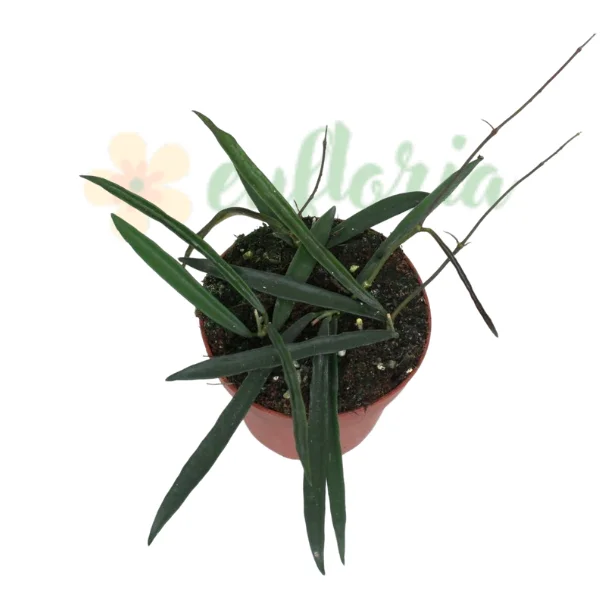
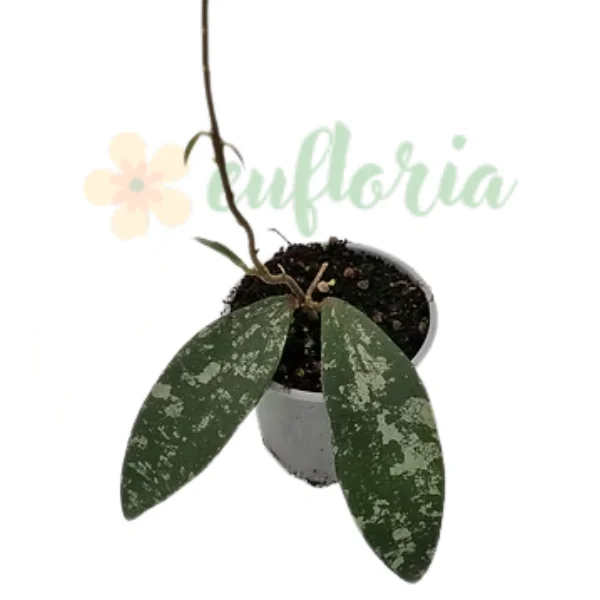
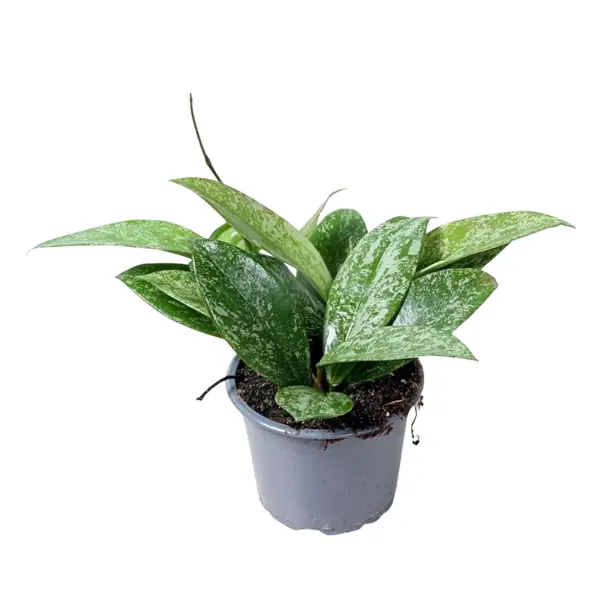
Hoya sp. Sumatra Ø6cm
![Hoya sp. Sumatra Ø6cm [1]](https://gomagcdn.ro/domains2/eufloria.ro/files/product/original/hoya-sp-sumatra-d6-349107.webp "Hoya sp. Sumatra Ø6cm [1]")
Approx height (including pot): 8 cm
Flowering state: No flowers
- Description
- Characteristics
- Reviews (0)
- FAQ
🌴 A Tropical Treasure from Indonesia's Legendary Rainforests
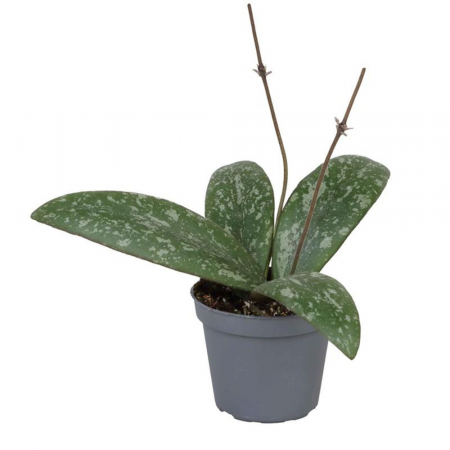
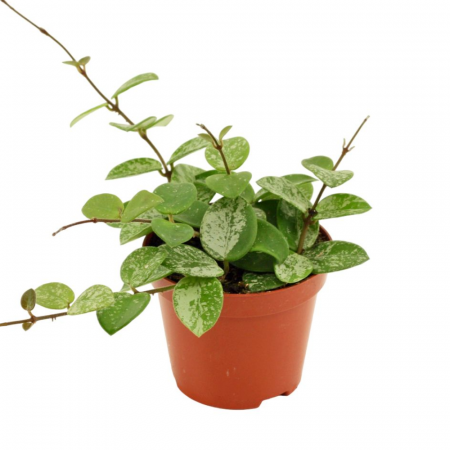
Hoya sp. Sumatra is a striking and still-undescribed species from the tropical rainforests of Sumatra, Indonesia. This epiphytic climber captivates collectors with its thick, glossy, deep green leaves adorned with delicate silver speckles — a pattern that varies beautifully from leaf to leaf, giving each plant an individual character. The fleshy, leathery foliage has that classic waxy appearance that makes Hoyas so distinctive, while the silver flecking adds a touch of subtle elegance that catches the light. When conditions are right, this species rewards patient growers with clusters of fragrant, star-shaped flowers in soft pink and white tones. Easy to care for and visually impressive, Hoya sp. Sumatra brings an exotic atmosphere to any indoor space.
🌏 Origins & Natural Habitat
This species originates from Sumatra, Indonesia's sixth-largest island and home to some of Earth's most biodiverse tropical rainforests — UNESCO World Heritage sites containing an estimated 10,000 plant species. In its natural habitat, Hoya sp. Sumatra grows as an epiphyte on trees in the humid understory of these forests, using aerial roots to anchor itself to branches and trunks while reaching toward filtered light. The Sumatran climate — characterised by high temperatures (21-28°C year-round), high humidity (typically 60-90%), and abundant rainfall — shapes this plant's care requirements. The species remains officially undescribed by botanists, sold under the collector designation "Hoya sp. Sumatra." Its exact collection locality within Sumatra's vast forest systems is not precisely documented, though the island's tropical lowland and montane forests are the likely origin.
🍃 Foliage — Thick, Glossy & Silver-Speckled
The foliage is immediately eye-catching: thick, fleshy, leathery leaves with a smooth, glossy surface that reflects light beautifully. The leaf shape is oval to lanceolate (lance-shaped), and the colour is a rich, deep green that serves as the perfect canvas for the plant's signature feature — fine silver speckles and flecks scattered across the leaf surface. These silver markings vary in intensity and pattern from leaf to leaf, creating unique, almost painted-looking foliage. The thick, succulent-like leaves store water, giving the plant some drought tolerance and contributing to its generally easy-care nature. Like many Hoyas, the foliage has a waxy coating that helps retain moisture in its native tropical environment.
🌸 Flowers — Fragrant Stars in Soft Pastel Tones
When mature and grown in proper conditions, Hoya sp. Sumatra produces the characteristic umbel flower clusters that make Hoyas so beloved. The flowers are small, star-shaped, and typically appear in shades of white to pale pink with a contrasting corona (the central crown structure) at the centre. Plant Daddies of Atlanta describes them as "clusters of star-shaped flowers... ranging from pale pink to creamy white, with a contrasting corona at the centre." The blooms emit a pleasant fragrance, particularly noticeable during evening hours — a trait evolved to attract nocturnal pollinators in their native forests. Flowers typically appear in spring and summer when the plant receives adequate bright light, warmth, and has been allowed to become somewhat root-bound. Never remove the flower stalks (peduncles) after blooming, as the plant will re-flower from the same spurs.
🌿 Growth Habit & Development
Growth habit is that of an epiphytic climber or trailing vine. The plant produces thin, flexible stems with aerial roots that help it anchor to supports in nature. In cultivation, it adapts beautifully to hanging baskets (where it cascades gracefully), trellises, or moss poles for climbing. GrowTropicals notes: "Hoya Sumatra is an epiphytic climber with thin stems and roots to help it anchor itself." Growth rate is moderate, and the plant responds well to consistent care. House of Kojo describes it as having "thin stems and crazy roots to help it anchor itself. The leaves are thick and oval shaped with usually only one leaf per node." This species is generally considered easy to care for and forgiving of occasional neglect — the succulent leaves provide a buffer against missed waterings.
Care Requirements:
- Light: Bright, indirect light is ideal and essential for flowering. GrowTropicals advises: "This plant flourishes in bright, indirect sunlight to dappled shade. Direct sunlight can cause leaf burn." House of Kojo notes: "This Hoya grows best in very bright light. Southern exposure is best, but it can adapt to east or west locations in front of a window. In low light, a Hoya plant may never bloom." Some morning direct sun is tolerated; avoid harsh midday sun.
- Water: Allow soil to dry between waterings — this is critical. House of Kojo recommends: "Less is more when it comes to watering; we like to wait until the leaves pucker slightly." GrowTropicals advises: "Water this Hoya when the top 3 cm of soil are dry to the touch. It is crucial to provide good drainage, as Hoyas are susceptible to root rot if left in overly moist soil." Water less in winter when growth slows.
- Soil: Fast-draining, aerated substrate is essential. Use a chunky mix of orchid bark, perlite, and quality potting soil. Standard orchid mix works well. The epiphytic roots need air circulation — avoid dense, water-retentive soils that stay wet.
- Temperature: Typical indoor temperatures of 18-28°C are ideal. This tropical species does not tolerate cold — protect from temperatures below 15°C. Avoid cold drafts, air conditioning vents, and cold windowsills in winter.
- Humidity: Appreciates higher humidity (60%+) but adapts to average household conditions. House of Kojo notes: "They like high humidity and would be perfect for a bathroom or kitchen." Grouping with other plants or using a pebble tray can help in dry environments. Good air circulation prevents fungal issues.
- Feeding: Feed every 2-4 weeks during spring and summer with a balanced liquid fertilizer at half strength. Reduce or stop in winter. Avoid over-fertilising, which can cause salt buildup and root damage.
Botanical Info: Family: Apocynaceae (subfamily Asclepiadoideae) | Genus: Hoya | Species: Hoya sp. (undescribed) | Common Names: Wax Plant, Wax Flower, Porcelain Flower | Type: Epiphytic Climbing/Trailing Vine | Native Range: Sumatra, Indonesia | Habitat: Tropical rainforest understory, growing as epiphyte on trees | Zone: USDA 10-12 (indoor cultivation in temperate climates) | Flowering: Star-shaped, white to pale pink with contrasting corona, fragrant especially in evenings, spring-summer | Growth Rate: Moderate
Lungime: 10 cm
Greutate (kg): 0.1 Kg
Denumire: Hoya
Diametru: 6 cm
Cerințe lumină: Partial umbra
Tip plantă: Decorative
Utilizare: Interior
Tip suport: Ghiveci
Material Suport: Plastic
Is Hoya sp. Sumatra toxic to cats and dogs?
No, Hoya sp. Sumatra is not toxic to cats, dogs, or other household pets. The ASPCA confirms that Hoya plants are non-toxic to cats, dogs, and horses, and this applies to the entire genus including undescribed species from Sumatra. As with any plant, eating large quantities might cause mild stomach upset (a mechanical response, not toxicity), but the plant poses no poisoning risk. The milky latex sap may cause minor skin irritation if handled, but is not dangerous.
How do I get my Hoya sp. Sumatra to flower?
To encourage flowering: provide bright, indirect light — insufficient light is the most common reason Hoyas don't bloom. House of Kojo notes: "In low light, a Hoya plant may never bloom." Keep the plant slightly root-bound; Hoyas flower more readily when their roots are somewhat constrained. Ensure proper temperature (18-28°C) and allow dry periods between waterings. Most importantly, never remove old flower stalks (peduncles) — the plant re-blooms from the same spurs repeatedly. Patience is key; mature plants in optimal conditions will reward you with fragrant flower clusters.
Why are my Hoya sp. Sumatra leaves wrinkling?
Wrinkling or puckering leaves typically indicate the plant needs water. House of Kojo actually suggests using this as a watering cue: "Less is more when it comes to watering; we like to wait until the leaves pucker slightly." When you notice slight wrinkling, it's time to water thoroughly. The leaves should plump up within a day or two of watering. If wrinkling persists despite watering, check the roots for rot (from previous overwatering) — healthy roots are firm and white/tan, while rotted roots are mushy and dark.
Can I grow Hoya sp. Sumatra in a hanging basket?
Absolutely — hanging baskets are one of the best display options for this species. The trailing/climbing growth habit means the vines will cascade beautifully over the edges of a hanging container. Alternatively, you can train the plant to climb a trellis, moss pole, or other support using its natural aerial roots. GrowTropicals notes it can be grown either way: "This striking Hoya originates from the tropical forests of Sumatra. In its natural habitat, it clings to trees and shrubs." Choose your display style based on your space and aesthetic preference.
What causes the silver speckles on Hoya sp. Sumatra leaves?
The silver speckles and flecks on the leaves are a natural genetic characteristic of this species — not a sign of disease or pest damage. The marking pattern varies between individual leaves and plants, giving each specimen unique character. These silver markings are caused by air pockets beneath the leaf epidermis that reflect light. The pattern is fixed genetically and will be consistent throughout the plant's life, though new leaves may vary in intensity of speckling. This natural variegation is one of the main reasons collectors prize this species.
Is Hoya sp. Sumatra related to Hoya caudata 'Sumatra'?
These are different plants that can cause confusion due to similar naming. Hoya caudata 'Sumatra' is a cultivated variety of the described species Hoya caudata, known for reddish-brown to olive leaves that can blush red in bright light and have wavy, somewhat serrated margins. Hoya sp. Sumatra is an undescribed species with different characteristics — deep green, oval leaves with silver speckles and a smoother appearance. Both originate from Sumatra, Indonesia, but they are taxonomically distinct. When purchasing, examine photographs carefully to ensure you're getting the form you want.
How to care for Hoya?
Bright indirect light, moderate watering, drained substrate. 18-27°C.
Does Hoya bloom?
Yes, fragrant waxy flowers. Don't cut old peduncles.
Propagation?
Cuttings 2-3 nodes in water/sphagnum. 2-6 weeks.
Recommendations
Ai nevoie și de un ghiveci decorativ?