EN/
EN/ Romana
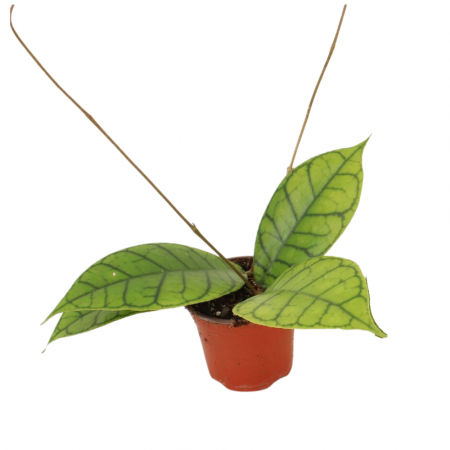
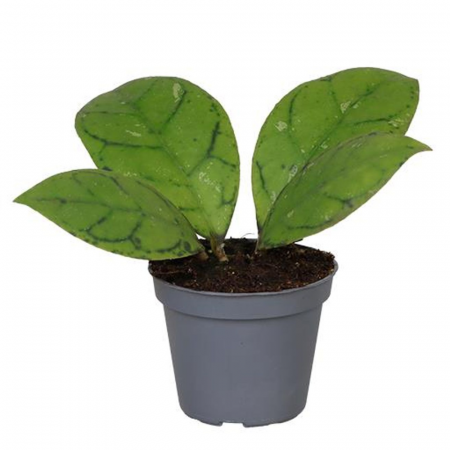
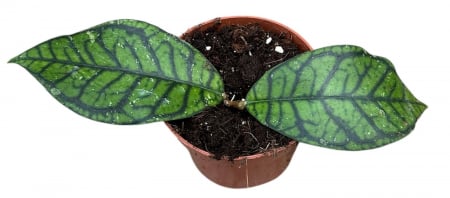
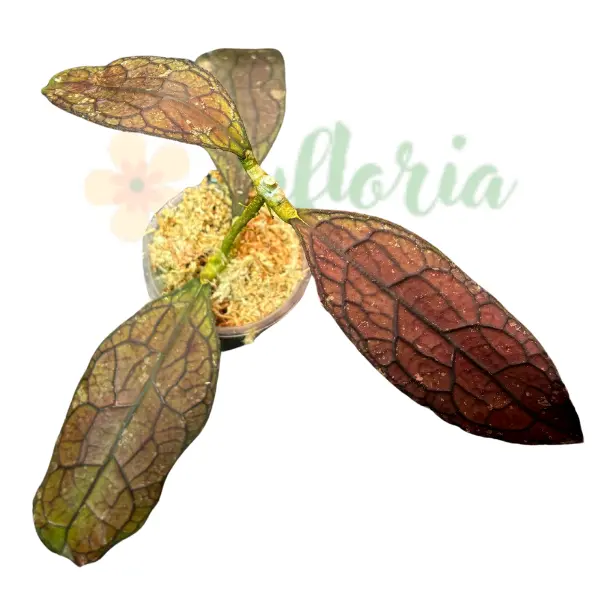
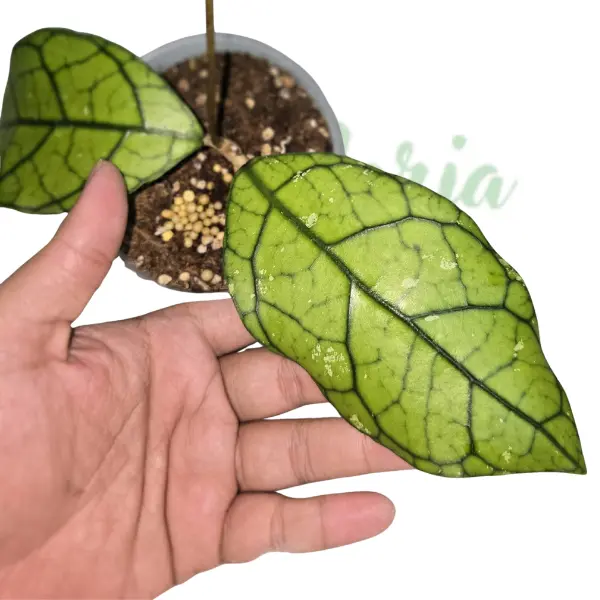
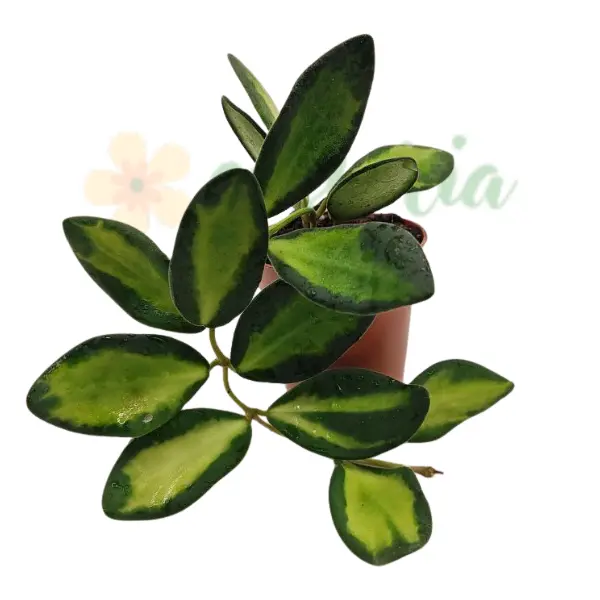
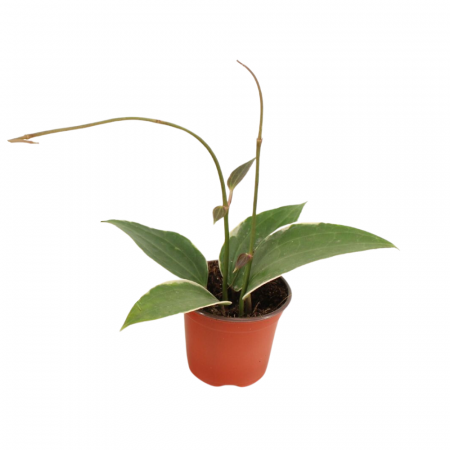
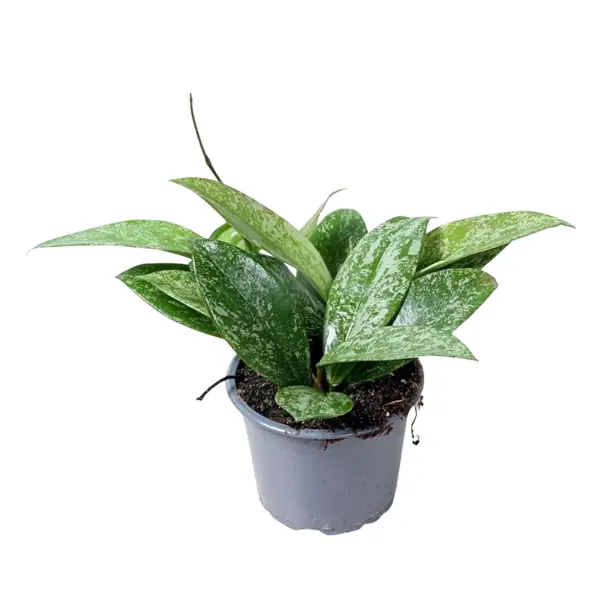
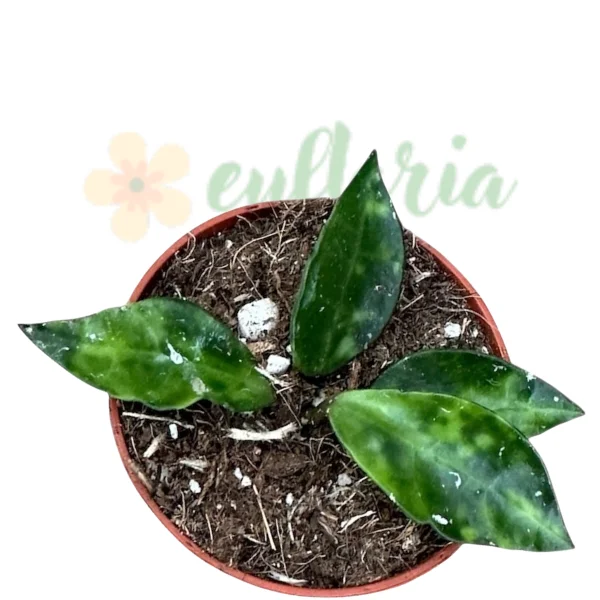
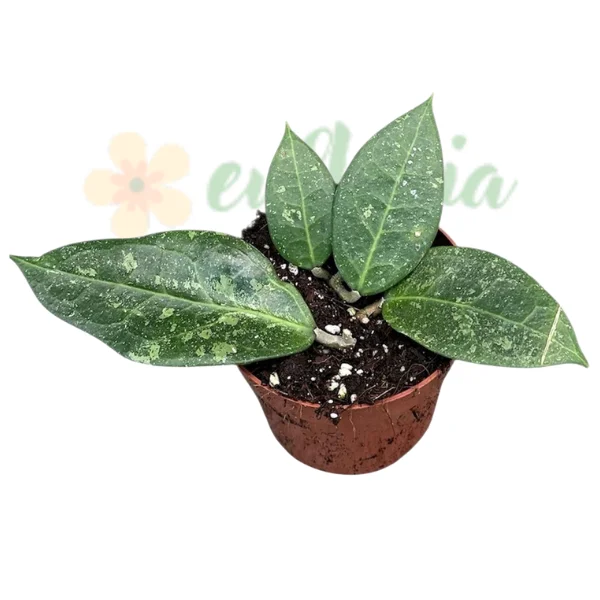
Hoya Sp Sabah Ø6cm
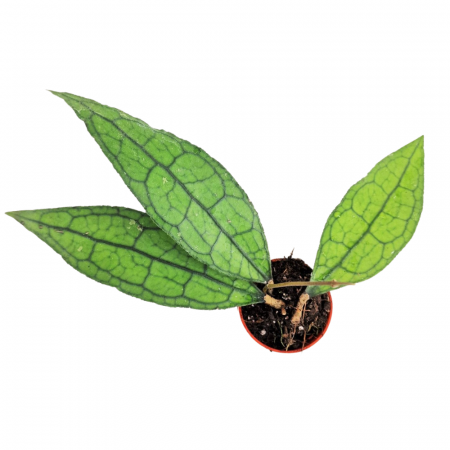
![Hoya Sp Sabah [0]](https://gomagcdn.ro/domains2/eufloria.ro/files/product/medium/planta-naturala-de-interior-hoya-sp-sabah-617123.png "Hoya Sp Sabah [0]")
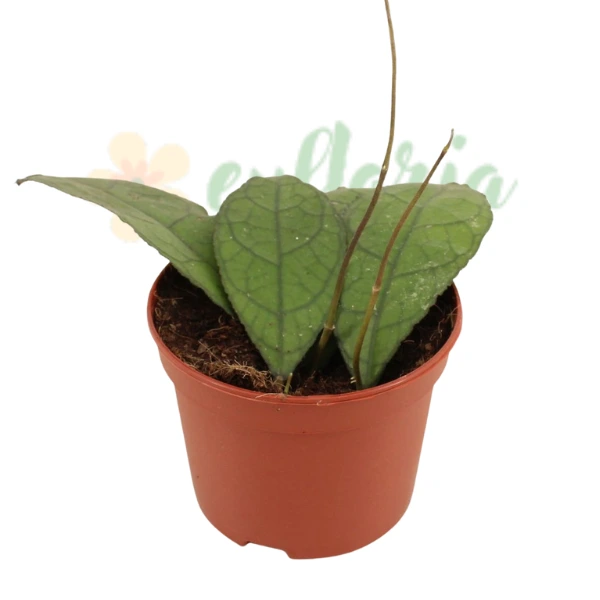
![Hoya Sp Sabah [1]](https://gomagcdn.ro/domains2/eufloria.ro/files/product/medium/planta-naturala-de-interior-hoya-sp-sabah-628842.png "Hoya Sp Sabah [1]")
![Hoya Sp Sabah [1]](https://gomagcdn.ro/domains2/eufloria.ro/files/product/original/planta-naturala-de-interior-hoya-sp-sabah-617123.png "Hoya Sp Sabah [1]")
![Hoya Sp Sabah [2]](https://gomagcdn.ro/domains2/eufloria.ro/files/product/original/planta-naturala-de-interior-hoya-sp-sabah-628842.png "Hoya Sp Sabah [2]")
Hoya sp. Sabah is a rare Hoya species native to Borneo, Malaysia, featuring thick, textured deep green leaves and fragrant waxy flowers in white or pale pink. It has a twining habit, prefers bright indirect light and well-draining substrate. Non-toxic plant, ideal for collectors.
Approx height (including pot): 15 cm
Flowering state: No flowers
Country of origin: Netherlands
- Description
- Characteristics
- Reviews (0)
- FAQ
🌿 Hoya sp. Sabah – An Exotic Mystery from the Heart of Borneo
Hoya sp. Sabah is an officially unidentified Hoya species originating from the state of Sabah, located on the northeast coast of Borneo island in Malaysia. This fascinating epiphytic plant belongs to a select group of species still awaiting definitive taxonomic classification, granting it an exceptional rarity status among tropical plant collectors. Its thick leaves, with a distinctive waxy texture, display a deep green colour that captures light in a unique way, creating subtle reflections that shift depending on the angle of illumination.
What makes this species truly remarkable is its origin from one of the richest biodiversity zones on Earth. The tropical forests of Sabah harbour thousands of endemic plant species, and Hoya sp. Sabah is one of the many botanical treasures that have been brought into ornamental cultivation in recent decades. Its compact growth habit and trailing nature make it ideal for hanging pots or coconut fibre supports, where its flexible stems can form living curtains of rare beauty.
As a collector's plant, Hoya sp. Sabah is particularly sought after due to its undefined taxonomic status – each specimen represents a unique piece in a botanical collection, an open window into the incredible diversity of the Hoya genus. Its adaptability to indoor conditions and moderate care requirements complete the portrait of a plant that combines rarity with accessibility.
🌍 Origins and Natural Habitat
The state of Sabah, from which this species originates, is renowned for Mount Kinabalu – the tallest peak in Southeast Asia – and for the primary tropical forests covering much of its territory. Hoya sp. Sabah grows naturally in these forests as an epiphyte on the trunks and branches of trees in the lower canopy layer, where it benefits from filtered light and constant humidity.
In its natural habitat, this species lives in a stable microclimate with temperatures between 22-30°C year-round and relative humidity exceeding 80%. Its aerial roots anchor onto tree bark, absorbing nutrients from decomposing organic matter that accumulates in bark crevices. This epiphytic adaptation explains the plant's preference for extremely well-drained and aerated substrates.
Borneo is considered a global biodiversity hotspot, hosting over 15,000 vascular plant species, of which approximately 6,000 are endemic. The Hoya genus is particularly well represented in this region, with dozens of described species and many others still awaiting scientific classification, including our specimen from Sabah.
🌱 Complete Care Guide
Light: Hoya sp. Sabah prefers bright, indirect light that mimics conditions beneath the tropical forest canopy. An east or north-facing window provides ideal conditions. Avoid intense direct sunlight, which can cause leaf burn, but ensure sufficient light to stimulate healthy growth and, eventually, flowering.
Watering: Allow the substrate to partially dry between waterings. Check soil moisture by inserting your finger to a depth of 2-3 cm – if it feels dry, it is time to water. In summer, this may mean watering twice weekly, while in winter once every 10-14 days. Hoya sp. Sabah is more tolerant of temporary drought than of excess water.
Substrate: Use a well-draining mix, ideally composed of pine bark (40%), perlite (30%), sphagnum moss (20%), and horticultural charcoal (10%). This substrate ensures root aeration and rapid drainage, essential for epiphytic plant health. Avoid compact garden soil.
Temperature and humidity: The optimal temperature ranges between 20-28°C. Do not expose the plant to temperatures below 15°C. Ideal humidity is 50-70%, though the plant adapts to lower levels typical of indoor environments. Regular misting of the foliage can be beneficial during periods of dry air.
Fertilisation: Apply a balanced liquid fertiliser, diluted to half strength, once monthly during the growing season (April to September). In winter, cease fertilisation entirely. Excess fertiliser can cause salt build-up and damage to delicate roots.
🌸 Flowering and Distinctive Features
Like many Hoya species, sp. Sabah has the potential to produce umbelliform inflorescences with waxy flowers of remarkable beauty. Hoya flowers are characterised by their glossy, almost artificial texture and their ability to secrete fragrant nectar. While the exact flower characteristics of this unidentified species may vary, most Bornean Hoya produce blooms in shades of white, pink, or pale yellow.
To encourage flowering, provide the plant with a winter rest period featuring reduced watering and slightly lower temperatures (18-22°C). Bright indirect light is essential – plants grown in insufficient light rarely flower. Flower peduncles should never be removed after blooms fade, as they will produce new inflorescences in subsequent seasons.
Patience is the primary virtue of Hoya growers – young plants may require 3-5 years of mature growth before their first bloom. Nevertheless, even without flowers, Hoya sp. Sabah is a valuable ornamental plant thanks to its decorative foliage and elegant trailing habit.
🌱 Repotting and Propagation
Repotting should be performed cautiously and only when the plant has visibly outgrown its current container – typically every 2-3 years. Hoya sp. Sabah prefers to be slightly root-bound, a condition that also stimulates flowering. Choose a pot no more than 2 cm larger in diameter with generous drainage.
Propagation is achieved through stem cuttings with a minimum of two nodes. Cut below a node, remove lower leaves, and allow the cut surface to dry for several hours. Plant in moist sphagnum or perlite, maintain high humidity with a clear plastic bag, and wait 4-6 weeks for root formation. The optimal rooting temperature is 22-25°C.
Alternatively, cuttings can be rooted in water, changing it every 2-3 days to prevent bacterial growth. Once roots reach a minimum length of 3-5 cm, carefully transfer the cutting to solid substrate, maintaining increased humidity during the first weeks to facilitate acclimatisation.
Lungime: 20 cm
Greutate (kg): 0.15 Kg
Denumire: Hoya
Diametru: 6 cm
Cerințe lumină: Partial umbra
Tip plantă: Decorative
Utilizare: Interior
Tip suport: Ghiveci
Material Suport: Plastic
How do you care for Hoya?
Hoya prefers bright indirect light and moderate watering. Let soil dry between waterings. Use well-draining substrate. Ideal temperature is 18-27°C.
Does Hoya bloom indoors?
Yes, Hoya produces spectacular star-shaped waxy flowers with intense fragrance. Do not cut peduncles after blooming - future flowers appear on the same ones.
How often should Hoya be watered?
Water when soil has completely dried. Once weekly in summer, every 2-3 weeks in winter. Roots do not tolerate excess moisture.
Is Hoya toxic to pets?
No, Hoya is considered non-toxic to cats and dogs. It is a safe choice for homes with pets.
How do you propagate Hoya?
Hoya propagates through stem cuttings with 2-3 nodes, placed in water or moist sphagnum. Rooting takes 2-6 weeks.
How often to water?
When soil is fully dry. Weekly in summer, 2-3 weeks in winter.
Recommendations
Ai nevoie și de un ghiveci decorativ?