
 EN/
EN/ Romana
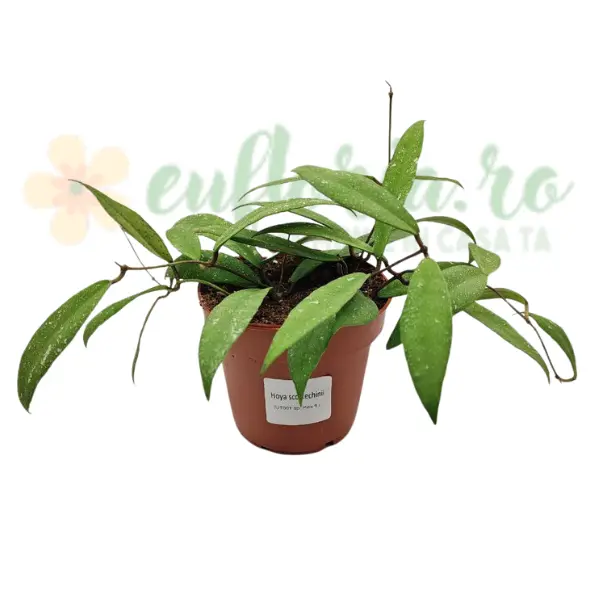
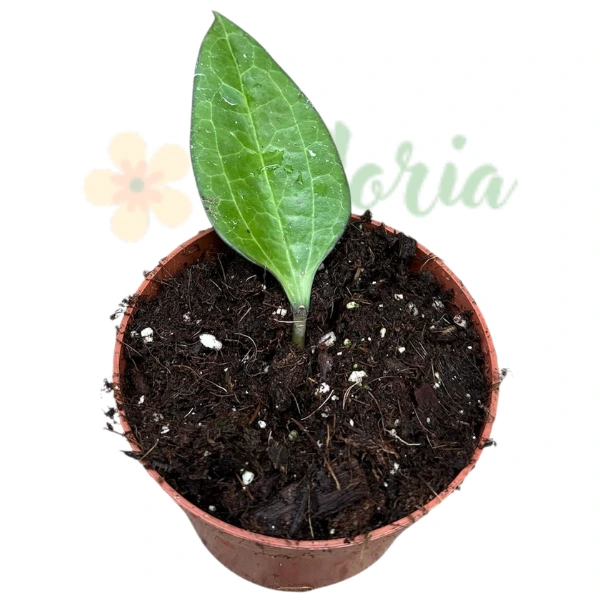
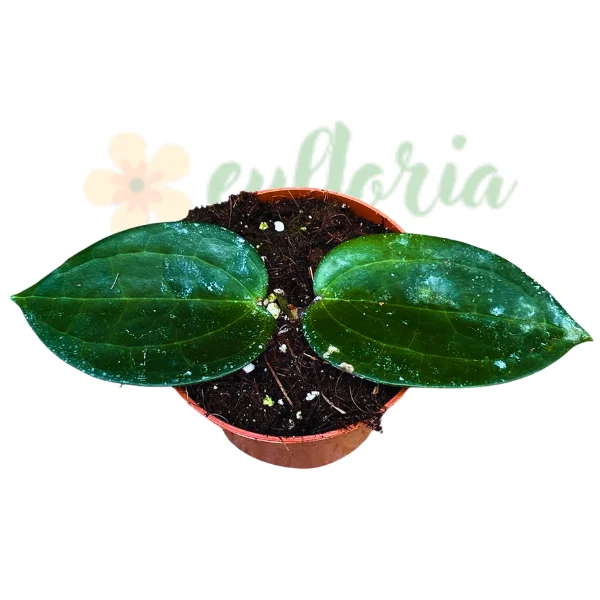
Hoya scortechinii 'White' Ø6cm
![Hoya scortechinii 'White' — Pure White Stars & Constant Blooming [0]](https://gomagcdn.ro/domains2/eufloria.ro/files/product/medium/hoya-scortechinii-white-d6-887189.webp "Hoya scortechinii 'White' — Pure White Stars & Constant Blooming [0]")
![Hoya scortechinii 'White' — Pure White Stars & Constant Blooming [1]](https://gomagcdn.ro/domains2/eufloria.ro/files/product/medium/hoya-scortechinii-white-d6-539642.webp "Hoya scortechinii 'White' — Pure White Stars & Constant Blooming [1]")
![Hoya scortechinii 'White' — Pure White Stars & Constant Blooming [1]](https://gomagcdn.ro/domains2/eufloria.ro/files/product/original/hoya-scortechinii-white-d6-887189.webp "Hoya scortechinii 'White' — Pure White Stars & Constant Blooming [1]")
![Hoya scortechinii 'White' — Pure White Stars & Constant Blooming [2]](https://gomagcdn.ro/domains2/eufloria.ro/files/product/original/hoya-scortechinii-white-d6-539642.webp "Hoya scortechinii 'White' — Pure White Stars & Constant Blooming [2]")
Approx height (including pot): 10 cm
Flowering state: No flowers
- Description
- Characteristics
- Reviews (0)
- FAQ
🌿 A Malaysian Treasure with Pure White Stars
Hoya scortechinii 'White' is an elegant, white-flowered form of this Malaysian species — a vigorous climbing Hoya that rewards growers with clusters of delicate, star-shaped blooms in pure white with subtle yellow centres. Where the typical species produces flowers in pale yellow to pink tones, this cultivar delivers the classic beauty of pristine white stars, creating a refined and sophisticated display. Combined with the species' sculptural, leathery foliage and reputation as a compact, constant bloomer, the 'White' form offers collectors something genuinely special: a plant that flowers reliably and prolifically while maintaining an understated elegance that complements any interior space.
🌏 Origins & Botanical History
Hoya scortechinii was described by King and Gamble in 1908, published in the Journal of the Asiatic Society of Bengal (vol. 74, page 567). The species name honours Reverend Benedetto Scortechini (1845–1886), an Italian Catholic missionary and passionate botanist who made significant contributions to plant collecting in Peninsular Malaysia, particularly in the state of Perak. The type specimen was collected by Scortechini himself (collection number 464b) in Perak, Malaysia. According to Kew's Plants of the World Online, the native range extends from Thailand to Western Malesia (primarily Peninsular Malaysia, Singapore, and Borneo). In the wild, this epiphytic climber scrambles across trees and rock faces in tropical rainforests. The species is known to be variable — different clones from different localities display variation in leaf shape, flower colour (ranging from pale yellow through pink to white), and fragrance. The 'White' form, sometimes sold under the accession IML 0755 from Borneo, is distinguished by its pure white flowers and has become increasingly popular among collectors seeking the most elegant expression of this species.
🍃 Foliage — Sculptural & Textured
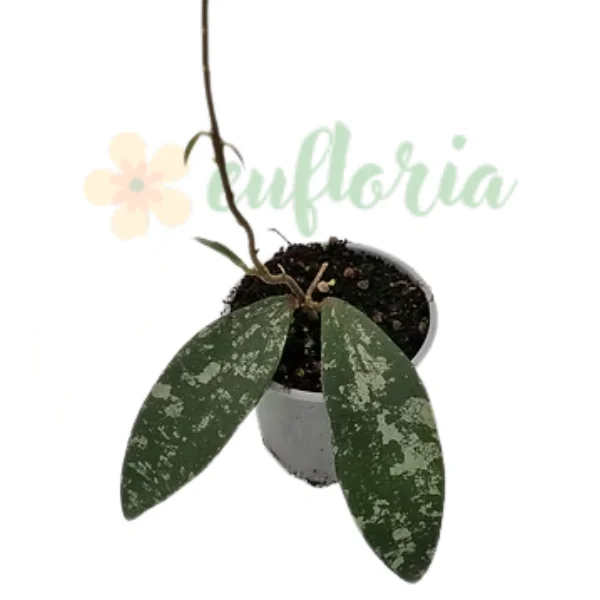
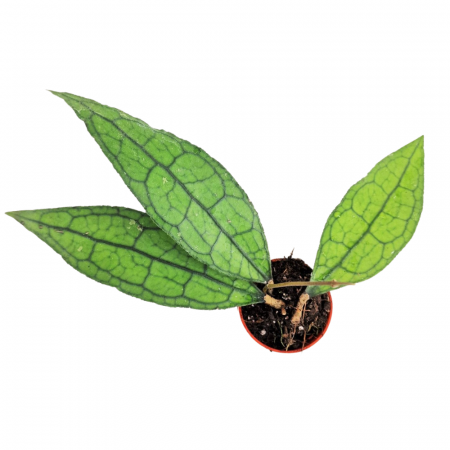
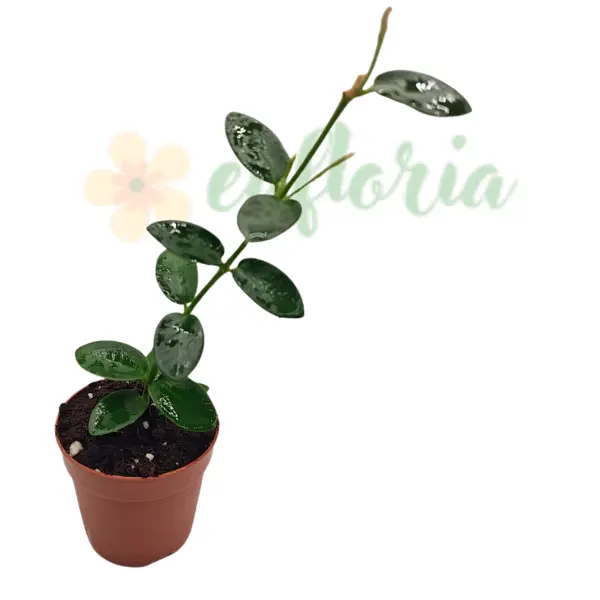
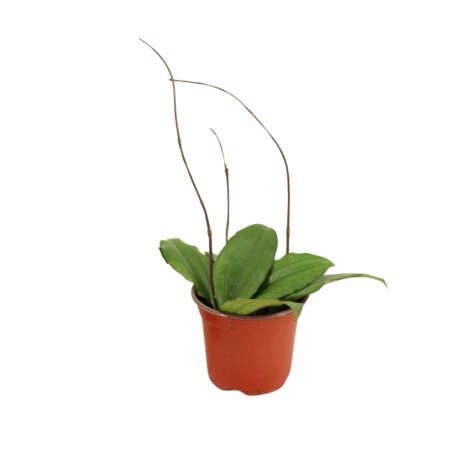
The leaves are one of this species' appealing features — thick, stiff, leathery, and ovate-lanceolate to oblong in shape. They typically measure 6-12 cm long and 2-5 cm wide, though some clones produce longer, narrower leaves while others are more compact. The leaf surface has a subtle texture with faint venation and occasionally displays subtle silver flecking. Myhoyas.com notes that the IML 0755 clone (white-flowered Borneo form) has leaves that are "plain green without any spots, about 7-9 cm long and 2-4 cm wide." The foliage has an almost sculptural quality — stiff and architectural rather than soft and cascading. Some growers note that leaves can develop a reddish tint when grown in very bright light. The overall impression is of refined, understated elegance rather than showy variegation.
🌸 Flowers — Pure White Stars
The flowers are the distinguishing feature of the 'White' form. They are reflexed (petals curve backward), star-shaped, and appear in umbels of 5-20 blooms per cluster. Individual flowers measure approximately 7-10 mm across. In this cultivar, the corolla is pure white to creamy-white with a yellow-tinged corona (central structure). The flowers have a refined, porcelain-like quality typical of Hoyas. Greenboog describes them as "delicate white blooms" with a "sweet, subtle fragrance." Myhoyas.com reports that the species' flowers are "about 1 cm" across with "off white/yellow corolla" and notes the fragrance is "fresh and sort of like lemon" — though intensity varies between clones. Tropics @Home describes scortechinii as "a compact plant that is a constant bloomer," making this a reliably flowering species once established. Individual umbels last less than one week. As with all Hoyas, never remove the peduncles (flower stalks) after blooming, as the plant will produce new flowers from the same spurs repeatedly.
🌿 Growth Habit & Development
Growth habit is climbing or scrambling. This is an epiphytic or lithophytic species that naturally scrambles across trees and rock faces. Under cultivation, vines can reach 2-3 metres with support. The growth is described as "vigorous" by Foliage Factory, and the species is known for being relatively compact compared to sprawling Hoyas. Tropics @Home emphasises that "Hoya scortechinii is a compact plant that is a constant bloomer" — making it one of the more reliably flowering species in the genus once mature. The Curious Plantaholic confirms "this compact Hoya will bloom often." Plants establish well and root readily from cuttings. The species appreciates a support structure to climb but can also be grown in hanging baskets where vines will cascade attractively.
Care Requirements:
- Light: Bright, indirect light is ideal. The plant can tolerate some direct morning or late afternoon sun, which can enhance flowering and may bring out reddish tones in the foliage. GrowTropicals notes: "While it can tolerate some direct morning sunlight, avoid harsh afternoon sun, which can scorch the leaves. Insufficient light may result in reduced growth and a lack of flowering." Place near a bright window for best results. This species needs adequate light to bloom reliably.
- Water: Allow the soil to dry out almost completely between waterings. Like most Hoyas, this species is susceptible to root rot if overwatered. Foliage Factory recommends watering "when the top 2-3 cm of soil feels dry," typically every 7-10 days indoors depending on conditions. Reduce watering in winter when growth slows. The thick, leathery leaves indicate good drought tolerance — underwatering is safer than overwatering.
- Soil: Fast-draining, aerated substrate is essential. Use a chunky mix of orchid bark, perlite, and coco coir, or a quality orchid medium. As an epiphyte, this species naturally grows with exposed roots in well-aerated conditions. Avoid dense, water-retentive soils that stay wet.
- Temperature: 18-29°C is the ideal range, with optimal growth around 20-27°C. Minimum tolerance is approximately 10-14°C — Tropics @Home lists "does not tolerate temperatures below 10°C (50°F)" while Greenboog specifies "not lower than 14 degrees C (57F)." Protect from cold drafts. This is a tropical species that does not tolerate cold.
- Humidity: Prefers higher humidity levels, ideally above 60%. GrowTropicals notes: "Prefers higher humidity levels, ideally above 60%. If maintaining such levels is challenging, especially during winter months, consider using a humidity tray or placing a humidifier nearby." However, the species adapts reasonably to average household humidity. Good air circulation helps prevent fungal issues.
- Feeding: Apply a balanced liquid fertilizer at half-strength monthly during the growing season (spring-summer). Bright light, stable temperatures, and regular feeding help trigger blooms. Stop fertilizing in winter.
Botanical Info: Family: Apocynaceae (subfamily Asclepiadoideae) | Genus: Hoya | Species: Hoya scortechinii King & Gamble (1908) | Cultivar: 'White' (white-flowered form, sometimes sold as IML 0755 Borneo) | Common Names: Wax Plant, Porcelain Flower, Scortechini's Hoya | Type: Epiphytic/Lithophytic Climbing Vine | Native Range: Thailand to Western Malesia (Peninsular Malaysia, Singapore, Borneo) | Zone: USDA 10-12 (indoor cultivation in temperate climates) | Flowering: Pure white to creamy-white, reflexed, star-shaped, 5-20 per umbel, subtle sweet/citrus fragrance, less than one week per umbel, blooms repeatedly from same peduncles | Growth Rate: Moderate to Fast, compact habit
Lungime: 10 cm
Greutate (kg): 0.1 Kg
Denumire: Hoya
Diametru: 6 cm
Cerințe lumină: Partial umbra
Tip plantă: Decorative
Utilizare: Interior
Tip suport: Ghiveci
Material Suport: Plastic
Who was Benedetto Scortechini, the botanist this Hoya is named after?
Reverend Benedetto Scortechini (1845–1886) was an Italian Catholic missionary and amateur botanist who made significant contributions to plant collecting in Peninsular Malaysia, particularly in the state of Perak. Despite his primary vocation as a missionary, Scortechini developed a passionate interest in the local flora and collected extensively during his time in Malaysia. The type specimen of Hoya scortechinii was collected by Scortechini himself (collection number 464b) in Perak, and the species was formally described by King and Gamble in 1908, twenty-two years after Scortechini's death, honouring his botanical legacy. Several other plant species from Malaysia also bear his name.
Is Hoya scortechinii 'White' difficult to grow?
No — Hoya scortechinii is considered an easy-care species suitable for collectors and beginners alike. Foliage Factory describes it as "an excellent, easy-care climbing Hoya for collectors and beginners." The main requirements are bright indirect light, well-draining soil, and allowing the soil to dry between waterings. The species is more compact than many sprawling Hoyas, making it easier to manage in limited space. Its reputation as a "constant bloomer" means growers are rewarded with flowers more reliably than with many fussier species. The primary caution is avoiding overwatering — like most Hoyas, this species is susceptible to root rot in soggy soil. With basic care, it is a forgiving and rewarding plant.
What is the difference between Hoya scortechinii 'White' and other scortechinii clones?
Hoya scortechinii is a variable species with several different clones in cultivation. The 'White' form (sometimes sold as IML 0755 from Borneo) is distinguished by its pure white flowers. Other clones include IPPS 7950 from Sabah (found in Nabawan in 1998), which has longer, narrower leaves with few flecks and develops a reddish tint in bright light. The typical species produces flowers in pale yellow to pink shades. There are also various "aff. scortechinii" forms — plants that resemble the species but may represent different populations. Myhoyas.com notes that the IML 0755 clone has "plain green" leaves without spots, measuring about 7-9 cm long. All clones share similar care requirements and the species' reputation for reliable blooming.
What does Hoya scortechinii 'White' smell like?
The fragrance of Hoya scortechinii varies between clones. Myhoyas.com describes the species' scent as "fresh and sort of like lemon." Greenboog mentions a "sweet, subtle fragrance" for the white-flowered form. However, Foliage Factory notes that some clones may be "unscented" — fragrance intensity appears to vary. Overall, the scent is generally mild and pleasant when present, not overwhelming like some intensely fragrant Hoyas. Individual blooms last less than one week, with the subtle fragrance present during the flowering period. Most growers consider it a pleasant bonus rather than a primary feature of this species.
How do I get my Hoya scortechinii 'White' to bloom?
Hoya scortechinii is known as a "constant bloomer" — one of the more reliably flowering species in the genus. The Curious Plantaholic confirms "this compact Hoya will bloom often." To encourage flowering: provide bright, indirect light — inadequate light is the most common reason for failure to bloom. Maintain stable temperatures and avoid moving the plant frequently. Feed monthly during the growing season with a balanced fertilizer. Keep the plant slightly root-bound, as Hoyas flower more prolifically when roots are somewhat constrained. Most importantly, never remove old flower stalks (peduncles) — the plant will produce new flowers from the same spurs repeatedly. With proper care, this species should flower reliably once mature.
Is Hoya scortechinii 'White' toxic to cats and dogs?
No, Hoya scortechinii 'White' is not toxic to cats, dogs, or other household pets. The ASPCA confirms that Hoya plants are non-toxic to cats, dogs, and horses. Foliage Factory specifically states that this species "is considered non-toxic to cats and dogs." As with any plant, eating large amounts of foliage might cause mild stomach upset simply because pets are not designed to digest plant material — but this is not a toxic reaction. The milky latex sap released when stems are cut can cause minor irritation but is not dangerous. This makes Hoya scortechinii 'White' an excellent choice for pet-friendly households.
How to care for Hoya?
Bright indirect light, moderate watering, drained substrate. 18-27°C.
Does Hoya bloom?
Yes, waxy flowers. Don't cut old peduncles.
How often to water?
When dry. Weekly summer, 2-3 weeks winter.
Propagation?
Cuttings 2-3 nodes water/sphagnum. 2-6 weeks.
Recommendations
Ai nevoie și de un ghiveci decorativ?







