EN/
EN/ Romana
Hoya panchoi D7
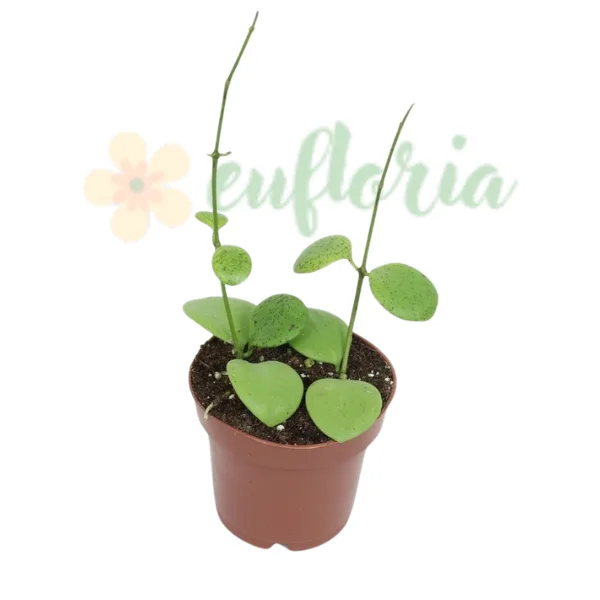
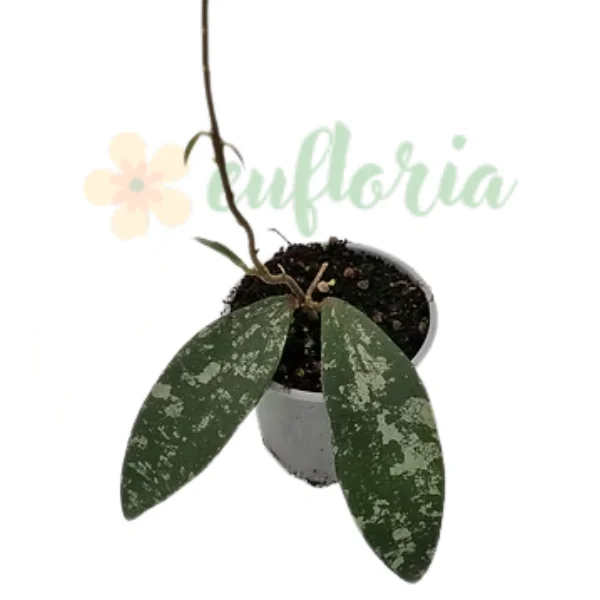
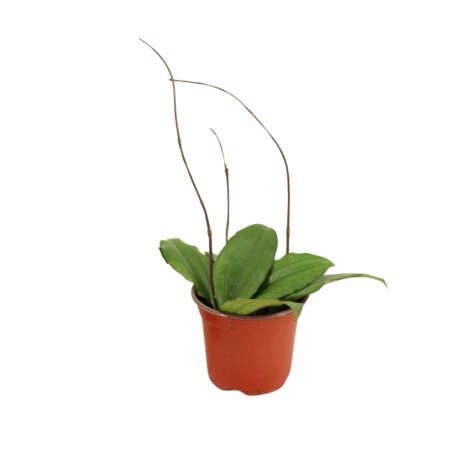
![Hoya Panchoi in a pot - delicate leaves, compact growth [0]](https://gomagcdn.ro/domains2/eufloria.ro/files/product/medium/hoya-panchoi-d12-773054.webp "Hoya Panchoi in a pot - delicate leaves, compact growth [0]")
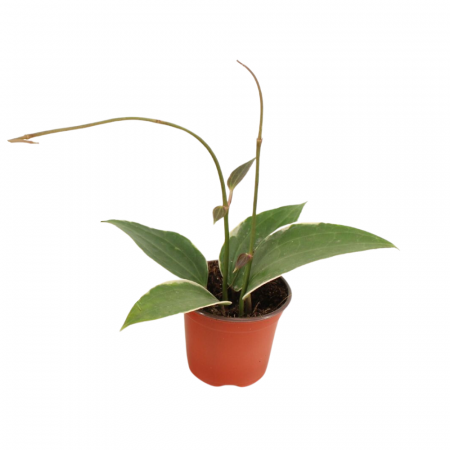
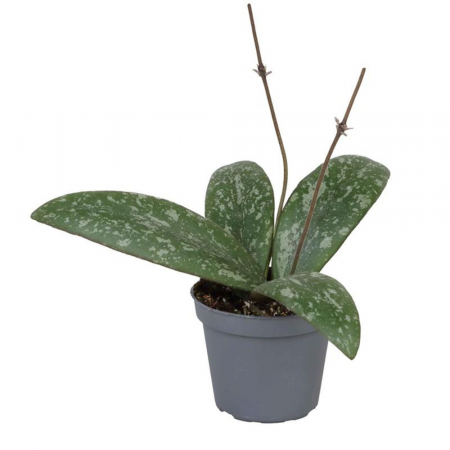
![Hoya Panchoi in a pot - delicate leaves, compact growth [1]](https://gomagcdn.ro/domains2/eufloria.ro/files/product/medium/hoya-panchoi-d12-885250.webp "Hoya Panchoi in a pot - delicate leaves, compact growth [1]")
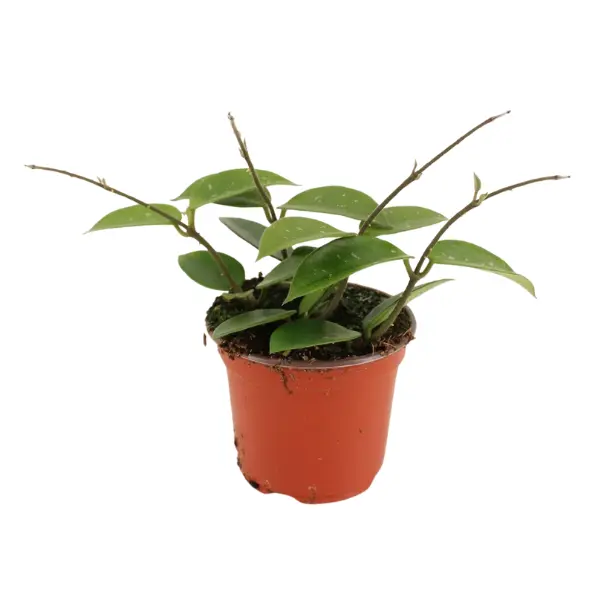
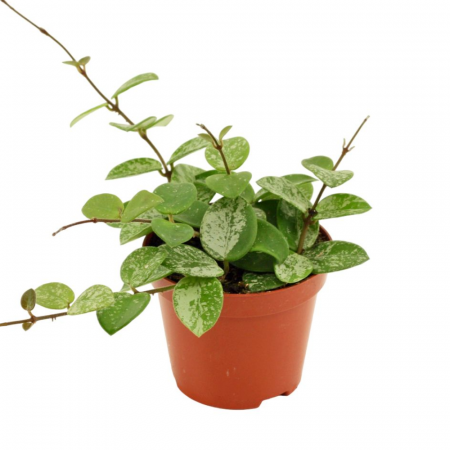
![Hoya Panchoi in a pot - delicate leaves, compact growth [2]](https://gomagcdn.ro/domains2/eufloria.ro/files/product/medium/hoya-panchoi-d12-178916.webp "Hoya Panchoi in a pot - delicate leaves, compact growth [2]")
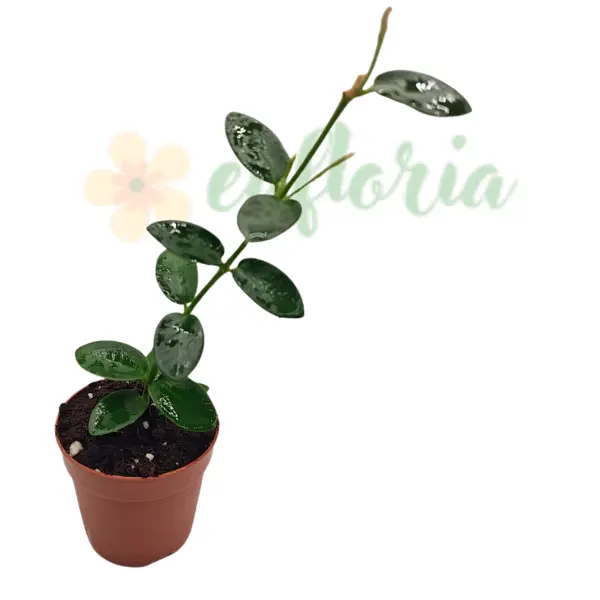
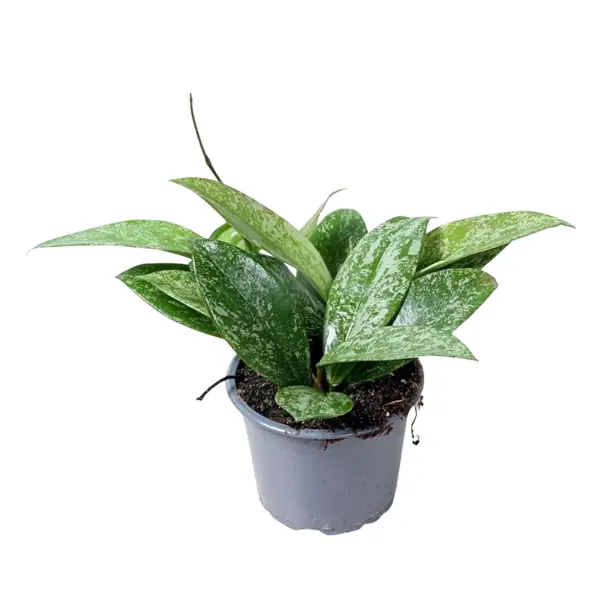
![Hoya Panchoi in a pot - delicate leaves, compact growth [3]](https://gomagcdn.ro/domains2/eufloria.ro/files/product/medium/hoya-panchoi-iml0228-d12-440991.webp "Hoya Panchoi in a pot - delicate leaves, compact growth [3]")
![Hoya Panchoi in a pot - delicate leaves, compact growth [1]](https://gomagcdn.ro/domains2/eufloria.ro/files/product/original/hoya-panchoi-d12-773054.webp "Hoya Panchoi in a pot - delicate leaves, compact growth [1]")
![Hoya Panchoi in a pot - delicate leaves, compact growth [2]](https://gomagcdn.ro/domains2/eufloria.ro/files/product/original/hoya-panchoi-d12-885250.webp "Hoya Panchoi in a pot - delicate leaves, compact growth [2]")
![Hoya Panchoi in a pot - delicate leaves, compact growth [3]](https://gomagcdn.ro/domains2/eufloria.ro/files/product/original/hoya-panchoi-d12-178916.webp "Hoya Panchoi in a pot - delicate leaves, compact growth [3]")
![Hoya Panchoi in a pot - delicate leaves, compact growth [4]](https://gomagcdn.ro/domains2/eufloria.ro/files/product/original/hoya-panchoi-iml0228-d12-440991.webp "Hoya Panchoi in a pot - delicate leaves, compact growth [4]")
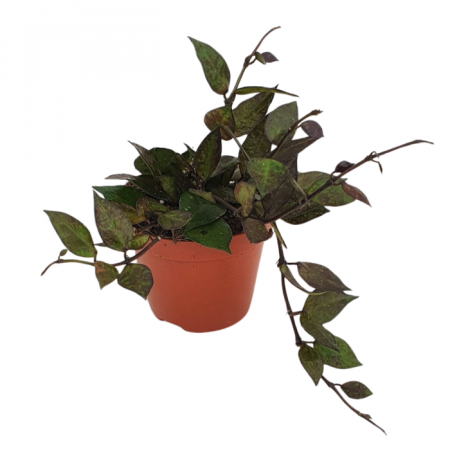
Hoya panchoi – rare Philippine species with elegant, symmetrical deep green leaves. Fragrant white-pink waxy star-shaped flowers. Climbing epiphyte. Prefers high humidity, indirect light, and well-drained substrate. Non-toxic plant.
Approx height (including pot): 10 cm
Flowering state: No flowers
Country of origin: Netherlands
- Description
- Characteristics
- Reviews (0)
- FAQ
🌿 Hoya panchoi – Symmetrical Leaves and Fragrant Flowers from the Philippines
Hoya panchoi is a Hoya species native to the Philippines, prized by collectors for its elegant, symmetrical leaves and potential for fragrant flowers. This epiphytic plant from the Apocynaceae family is a valuable addition to any tropical plant collection, combining beauty and rarity.
🌍 Origins and Botanical History
Hoya panchoi is native to the Philippines, one of the most important biodiversity regions for the Hoya genus, with dozens of endemic species. The species was named in honor of collector Pancho Leoustre, who contributed to its discovery and introduction into cultivation. It grows naturally as an epiphyte in humid tropical forests of the Philippine islands.
🌿 Leaves – Symmetry and Natural Elegance
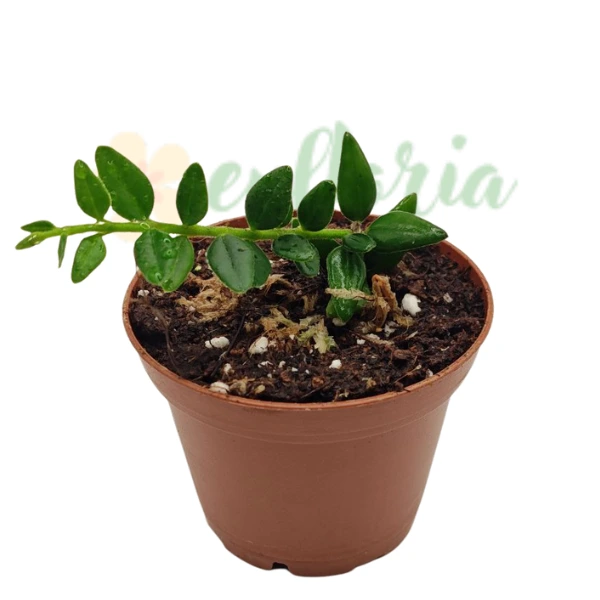
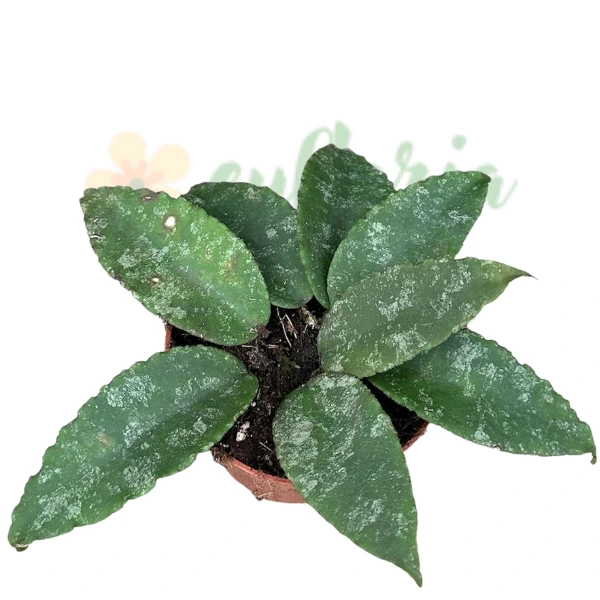
The leaves are oval to elliptical, medium-sized, with a semi-fleshy texture and glossy or semi-matte surface. The coloring is medium to deep green, with visible veins that add a subtle decorative effect. Leaves are arranged symmetrically on stems, creating an orderly and elegant appearance. Shape and size are typical for the Hoya genus, but with its own distinctive character.
🌸 Flowers – Fragrant Umbels in Delicate Tones
The flowers are grouped in round umbels, composed of small star-shaped blooms with fleshy petals and waxy appearance. The coloring ranges from creamy white to light pink with a contrasting center. The fragrance is sweet and pleasant. Floral peduncles should be kept intact for repeated blooming in future seasons.
🌱 Growth Habit and Care
Hoya panchoi is a climbing plant with moderate growth, suitable for hanging pots or climbing supports. It prefers medium to bright indirect light, a very well-drained substrate based on bark, perlite, and sphagnum, and moderate watering – the substrate should partially dry between waterings. Medium to high humidity (60-80%) and temperatures of 18-30°C (64-86°F) are ideal. As a Philippine tropical plant, it does not tolerate cold below 15°C (59°F).
Lungime: 15 cm
Greutate (kg): 1 Kg
Denumire: Hoya
Diametru: 7 cm
Cerințe lumină: Partial umbra
Tip plantă: Decorative
Utilizare: Interior
Tip suport: Ghiveci
Material Suport: Plastic
Does Hoya panchoi need strong light?
Yes, it prefers bright, indirect light. In low light, growth slows down and the leaves may become darker in color.
How often should it be watered?
Watering should only be done after the substrate has partially dried out. Excess water can damage the roots.
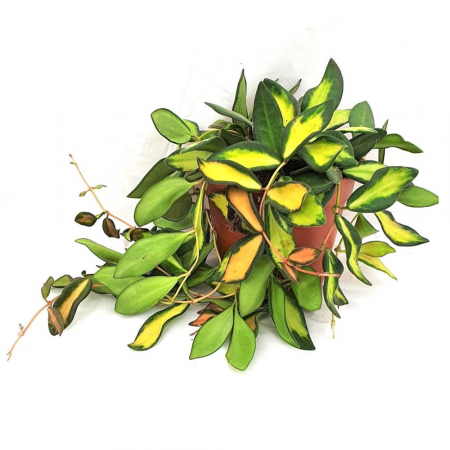
Does it have variegated leaves?
No. This species has uniform green leaves with no confirmed variegation.
Is it a fast-growing Hoya?
The growth rate is moderate. It becomes vigorous under the right light and ventilation conditions.
Are Hoya panchoi flowers fragrant?
There is no definite information regarding a strong or specific scent.
Is it a suitable plant for beginners?
Yes, as long as the basic principles are followed: good light, well-aerated substrate, careful watering.
Can it be grown in a hanging pot?
Yes, flexible stems are very well suited to growing in cascades or on supports.
How do I care for a Hoya plant?
Hoya plants prefer bright indirect light, moderate watering (allow the soil to dry between waterings) and temperatures between 18-27°C (65-80°F). Provide well-draining substrate and higher humidity for optimal growth.
When does Hoya bloom?
Hoya typically blooms in spring and summer, producing waxy, fragrant flowers. Do not cut the peduncles after flowering, as the plant will bloom again from the same stalks.
How often should I water my Hoya?
Water your Hoya when the top layer of soil (2-3 cm) has dried completely. In summer, this usually means once a week, and in winter every 2-3 weeks. Avoid overwatering.
Is Hoya toxic to pets?
Hoya is generally considered non-toxic to dogs and cats. However, ingestion of any plant may cause mild gastric discomfort, so it is recommended to keep the plant away from pets.
How do I propagate Hoya?
Hoya can be propagated through stem cuttings with 2-3 nodes. Place the cuttings in water or moist substrate and wait 2-6 weeks for rooting. Higher humidity helps the process.
Recommendations
Ai nevoie și de un ghiveci decorativ?