EN/
EN/ Romana
Hoya Sp Sabah D12cm
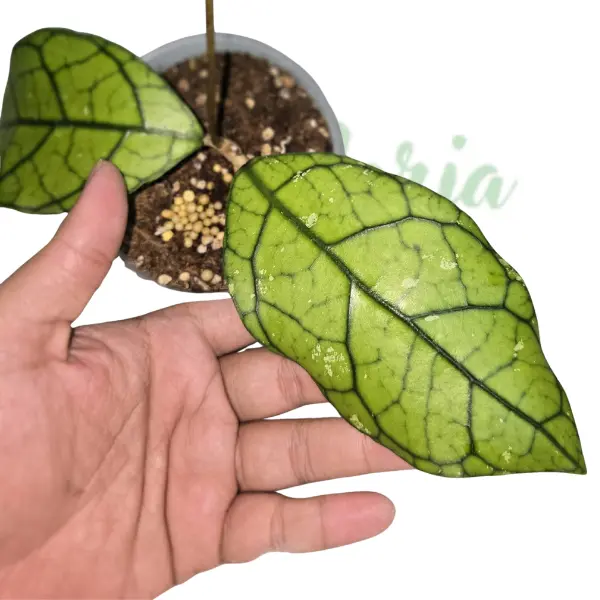
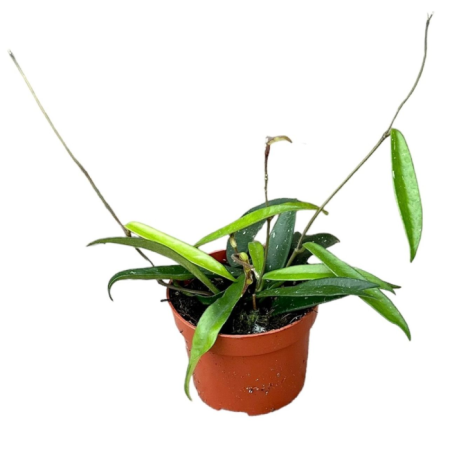
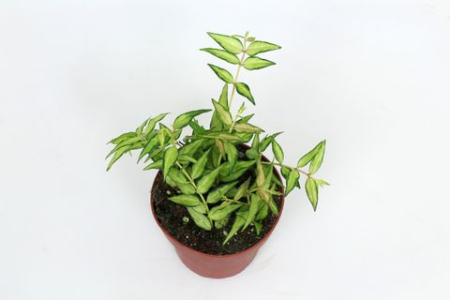
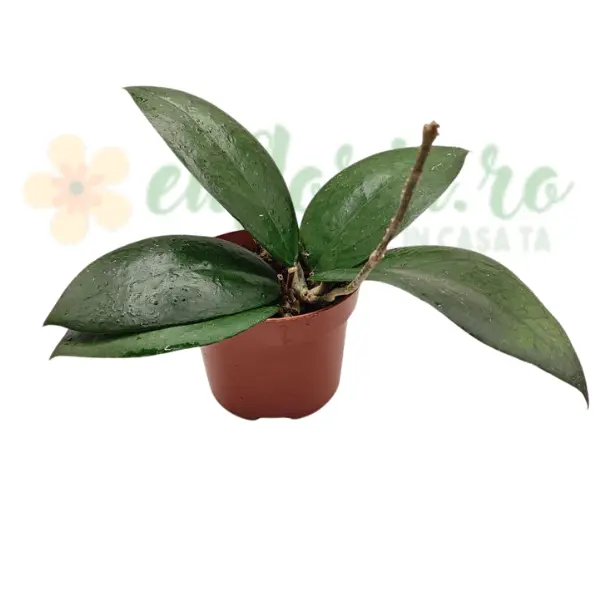
![Hoya sp. Sabah — distinct green leaves, Eufloria [0]](https://gomagcdn.ro/domains2/eufloria.ro/files/product/medium/planta-naturala-de-interior-hoya-sp-sabah-617123.png "Hoya sp. Sabah — distinct green leaves, Eufloria [0]")
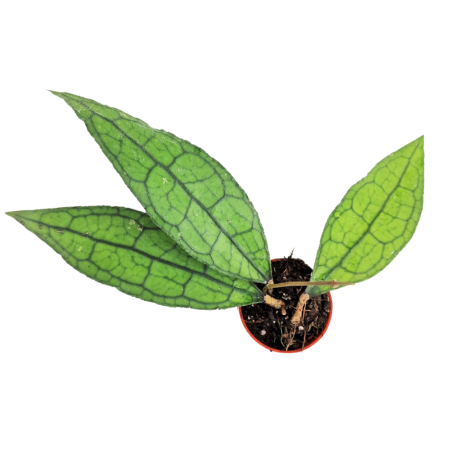
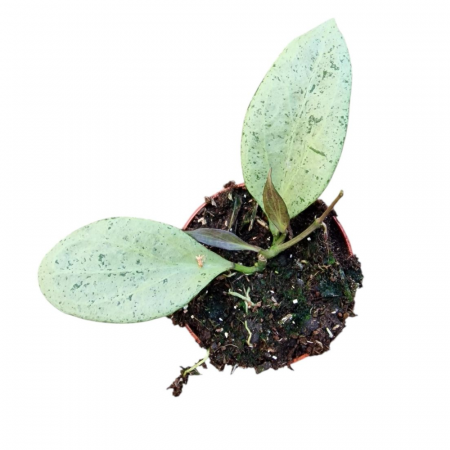
![Hoya sp. Sabah — distinct green leaves, Eufloria [1]](https://gomagcdn.ro/domains2/eufloria.ro/files/product/medium/planta-naturala-de-interior-hoya-sp-sabah-628842.png "Hoya sp. Sabah — distinct green leaves, Eufloria [1]")
![Hoya sp. Sabah — distinct green leaves, Eufloria [1]](https://gomagcdn.ro/domains2/eufloria.ro/files/product/original/planta-naturala-de-interior-hoya-sp-sabah-617123.png "Hoya sp. Sabah — distinct green leaves, Eufloria [1]")
![Hoya sp. Sabah — distinct green leaves, Eufloria [2]](https://gomagcdn.ro/domains2/eufloria.ro/files/product/original/planta-naturala-de-interior-hoya-sp-sabah-628842.png "Hoya sp. Sabah — distinct green leaves, Eufloria [2]")
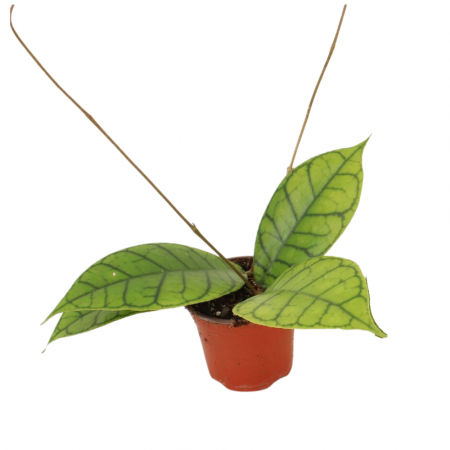
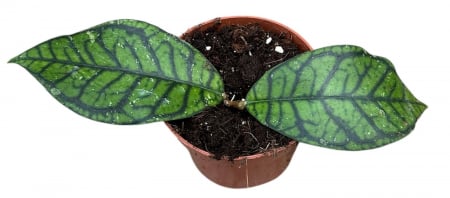
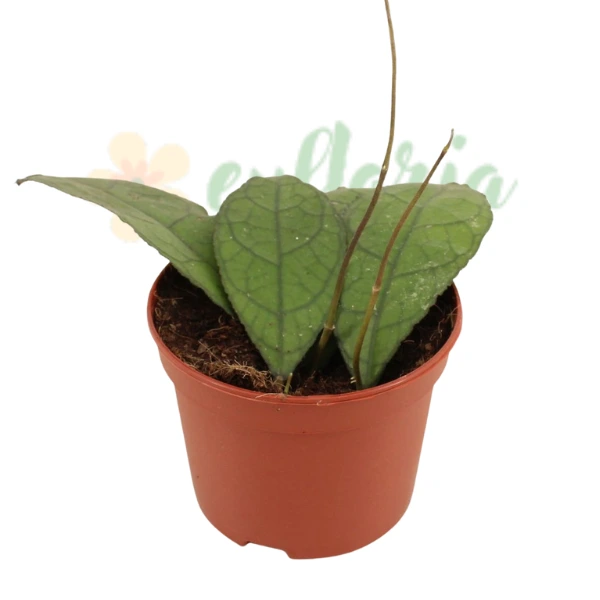
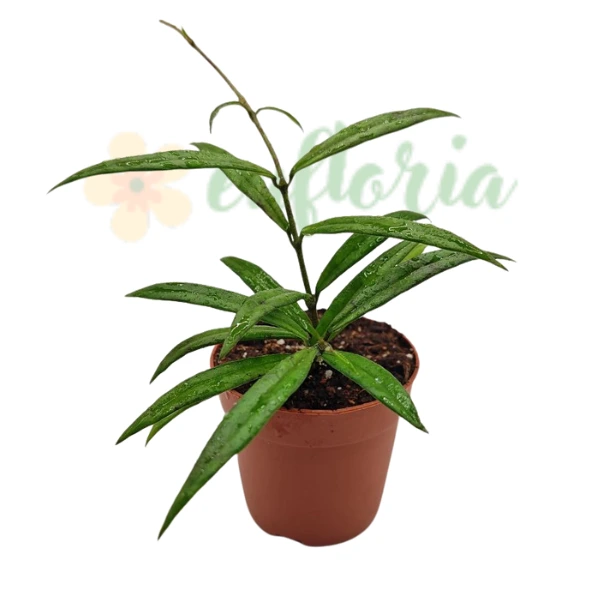
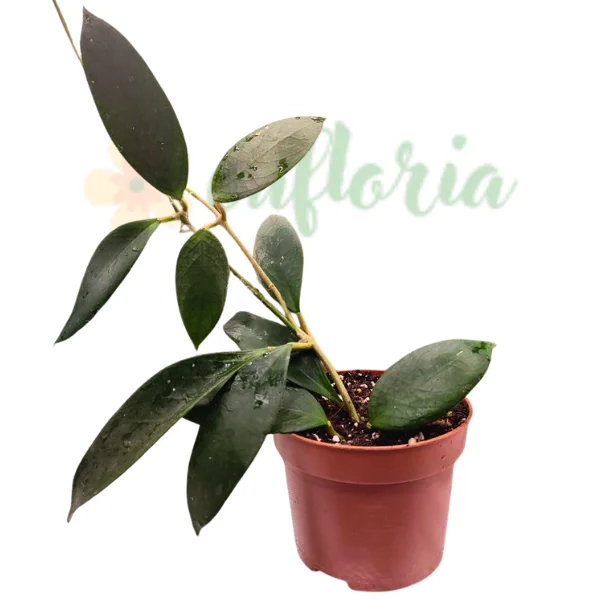
Hoya sp. Sabah — rare species from Borneo with distinct green leaves. Humidity 70-85%, indirect light, 18-28°C.
Approx height (including pot): 15 cm
Flowering state: No flowers
Country of origin: Netherlands
- Description
- Characteristics
- Reviews (0)
- FAQ
🌿 Hoya sp. Sabah — Sabah Hoya, Bornean treasure
Hoya sp. Sabah is a species (or potentially cultivar) newly described from Sabah, Borneo. Green leaves with distinct pattern characteristic of Hoyas from this region.
Species still being documented and botanically described — "sp." indicates new unclassified species. Prefers humid tropical conditions.
🌍 Origin
Hoya from Sabah (Borneo Malaysia). Apocynaceae family.
🌱 Distinct foliage
Green leaves with Sabah region characteristic pattern.
🌱 Care
- Light: bright indirect.
- Temperature: 18-28°C.
- Watering: moderate.
- Humidity: 70-85%.
- Substrate: hoya mix.
- Propagation: cuttings.
🌿 Why Sabah
Rare species from Borneo, treasure of Hoya collectors.
Lungime: 20 cm
Greutate (kg): 0.15 Kg
Denumire: Hoya
Diametru: 6 cm
Cerințe lumină: Partial umbra
Tip plantă: Decorative
Utilizare: Interior
Tip suport: Ghiveci
Material Suport: Plastic
How do you care for Hoya?
Does Hoya bloom indoors?
How often should Hoya be watered?
Is Hoya toxic to pets?
How do you propagate Hoya?
What type of plant is Hoya Sp Sabah?
What light conditions does Hoya Sp Sabah prefer?
How should I water Hoya Sp Sabah?
Is Hoya Sp Sabah toxic to pets?
Why is Hoya Sp Sabah so rare?
Recommendations
Ai nevoie și de un ghiveci decorativ?