EN/
EN/ Romana
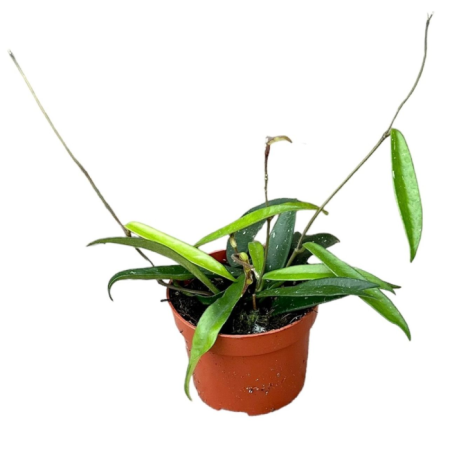
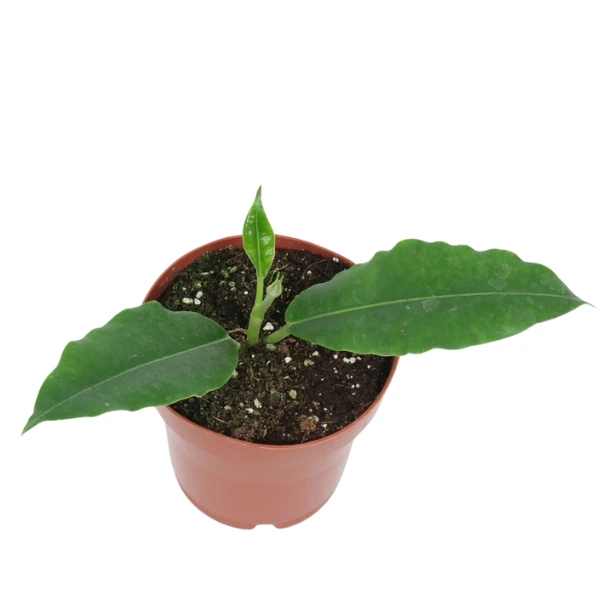
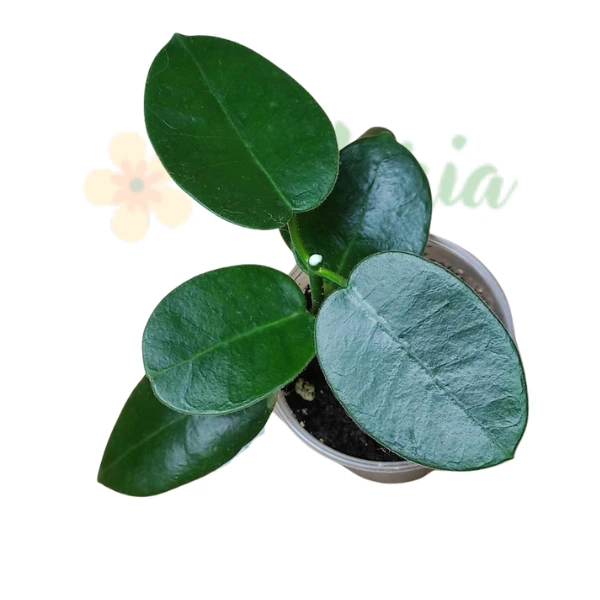
Hoya diversifolia 'Maharani' Ø8cm
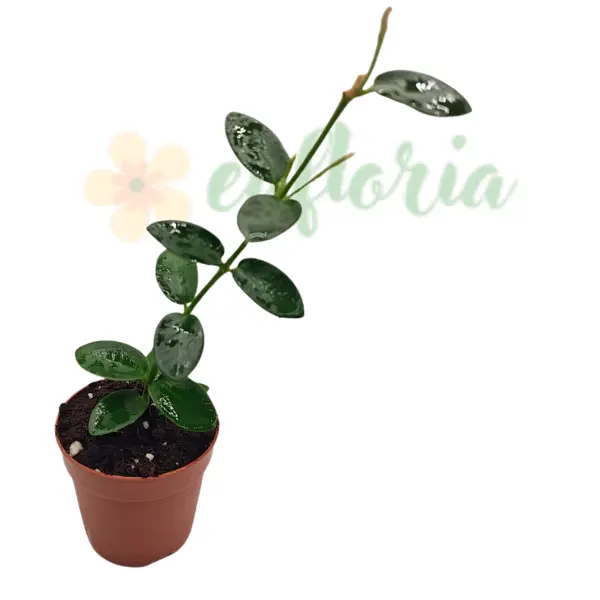
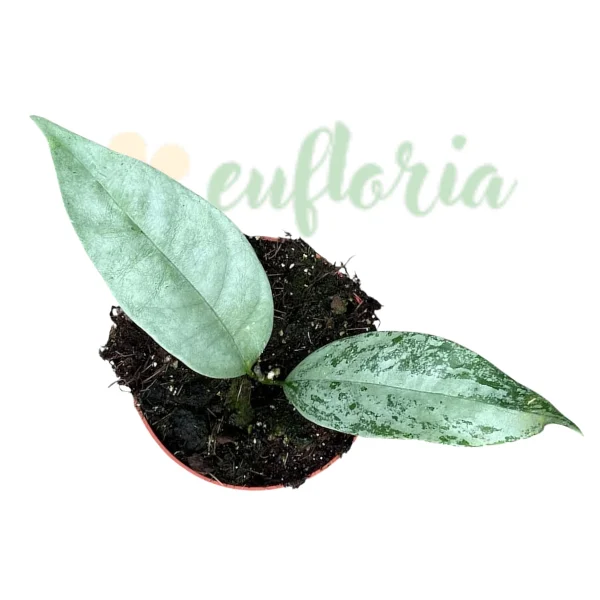
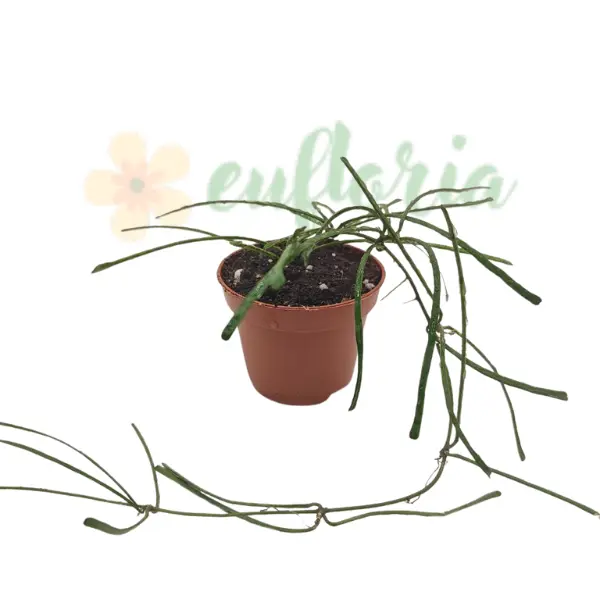
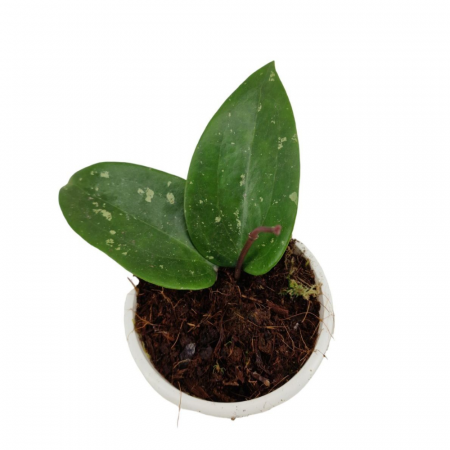
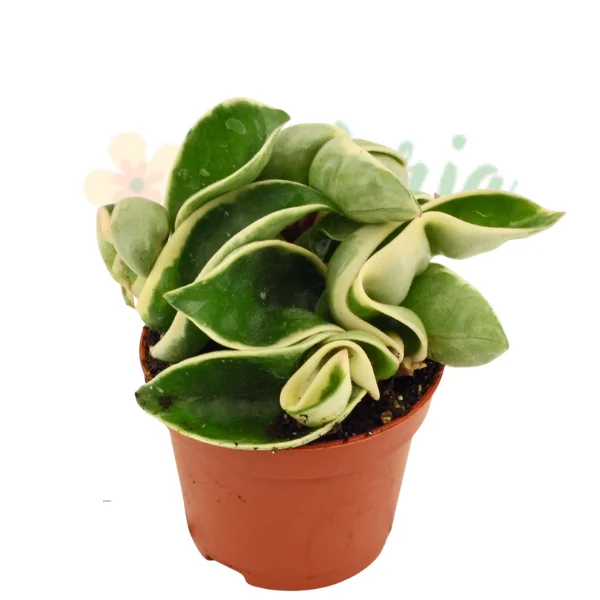
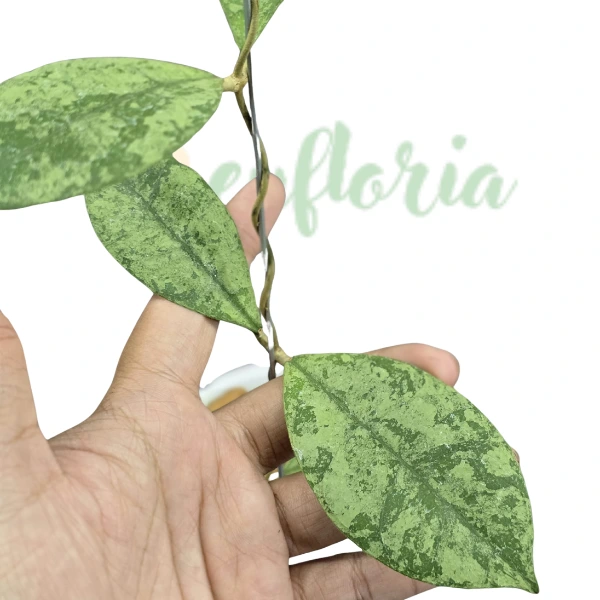
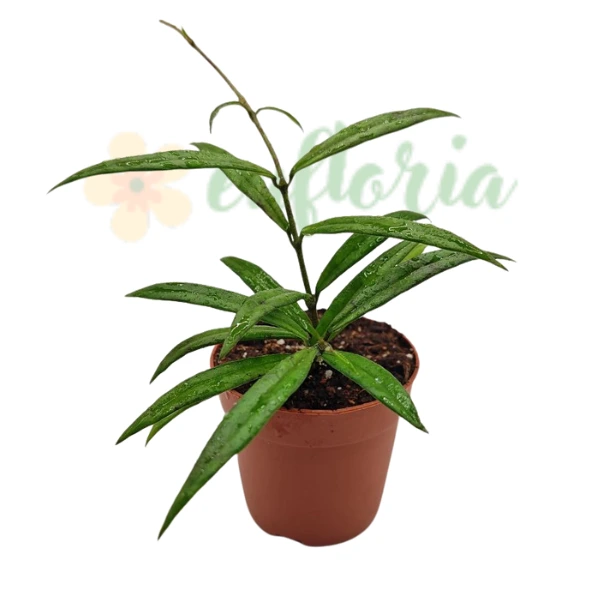
![Hoya diversifolia Maharani - plant with elegant elongated lance-shaped leaves and waxy texture [0]](https://gomagcdn.ro/domains2/eufloria.ro/files/product/medium/hoya-cinamomifolia-copie-158740.webp "Hoya diversifolia Maharani - plant with elegant elongated lance-shaped leaves and waxy texture [0]")
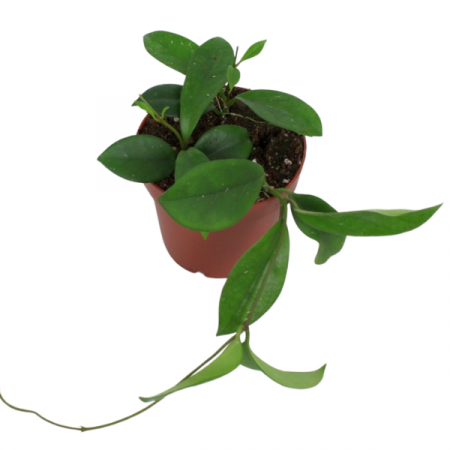
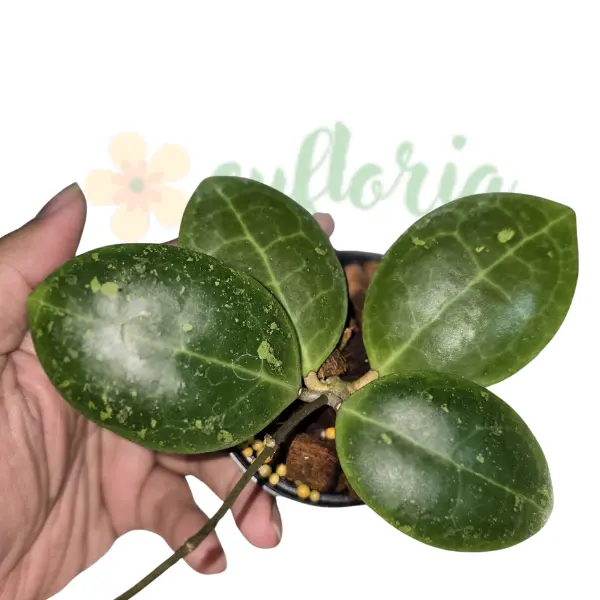
![Hoya diversifolia Maharani - plant with elegant elongated lance-shaped leaves and waxy texture [1]](https://gomagcdn.ro/domains2/eufloria.ro/files/product/medium/hoya-diversifolia-maharani-d8cm-078225.jpg "Hoya diversifolia Maharani - plant with elegant elongated lance-shaped leaves and waxy texture [1]")
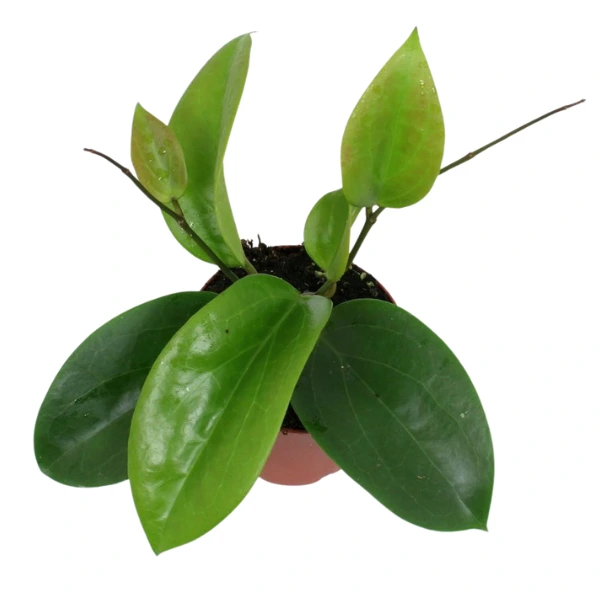
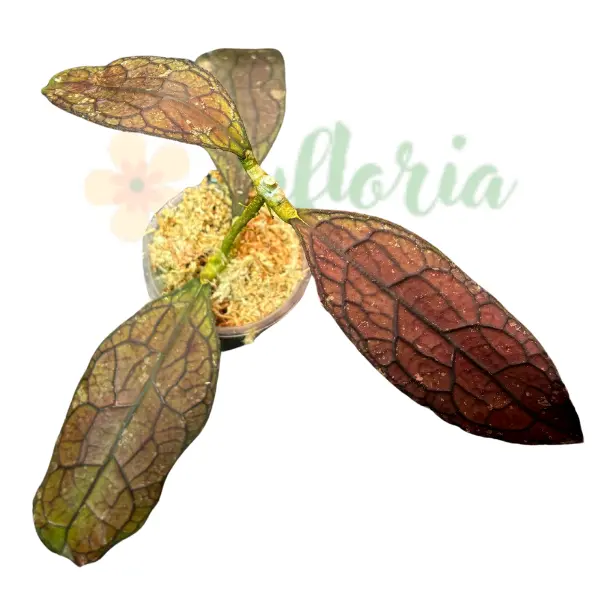
![Hoya diversifolia Maharani - plant with elegant elongated lance-shaped leaves and waxy texture [2]](https://gomagcdn.ro/domains2/eufloria.ro/files/product/medium/hoya-diversifolia-maharani-d8cm-342781.jpg "Hoya diversifolia Maharani - plant with elegant elongated lance-shaped leaves and waxy texture [2]")
![Hoya diversifolia Maharani - plant with elegant elongated lance-shaped leaves and waxy texture [1]](https://gomagcdn.ro/domains2/eufloria.ro/files/product/original/hoya-cinamomifolia-copie-158740.webp "Hoya diversifolia Maharani - plant with elegant elongated lance-shaped leaves and waxy texture [1]")
![Hoya diversifolia Maharani - plant with elegant elongated lance-shaped leaves and waxy texture [2]](https://gomagcdn.ro/domains2/eufloria.ro/files/product/original/hoya-diversifolia-maharani-d8cm-078225.jpg "Hoya diversifolia Maharani - plant with elegant elongated lance-shaped leaves and waxy texture [2]")
![Hoya diversifolia Maharani - plant with elegant elongated lance-shaped leaves and waxy texture [3]](https://gomagcdn.ro/domains2/eufloria.ro/files/product/original/hoya-diversifolia-maharani-d8cm-342781.jpg "Hoya diversifolia Maharani - plant with elegant elongated lance-shaped leaves and waxy texture [3]")
Hoya diversifolia 'Maharani' is a refined Hoya cultivar from the Apocynaceae family, native to Southeast Asia, prized for its elegant elongated lance-shaped leaves with a waxy texture. It produces fragrant umbels of pale pink creamy flowers with darker centers. A vigorous and easy-to-grow collector's plant.
Note: Product images are for guidance only. Due to different batches of imported products, there may be differences between the images on the website and the actual appearance of the products.
Approx height (including pot): 10 cm
Flowering state: No flowers
Country of origin: Denmark
- Description
- Characteristics
- Reviews (0)
- FAQ
🌿 The Queen of Elongated Leaves — Regal Elegance in Miniature
Hoya diversifolia 'Maharani' is a noble cultivar of the species Hoya diversifolia, whose name — “Maharani”, meaning “queen” in Hindi — lives up to its royal reputation. This epiphytic plant from the Apocynaceae family is a regal presence in any collection, distinguished by its elongated lance-shaped leaves with a waxy texture and an impressive architectural symmetry. Each leaf appears carefully sculpted, like a ceremonial feather carved from polished green metal.
What makes it truly remarkable is the contrast between its robust habit and delicate elegance. The flexible yet firm stems support elongated leaves that can easily exceed 10–15 cm in length, each arranged in perfect opposite symmetry along the central stem — a composition reminiscent of topiary art refined at a molecular level. The leaf surface reflects light with subtlety, creating shades of green that shift between olive and emerald depending on the lighting.
'Maharani' is not just a plant — it is a statement of refinement. Favored by advanced collectors for its rare combination of resilience, spectacular flowers, and distinctive foliage, this cultivar has established itself as one of the most sought-after Hoyas from Southeast Asia in the past decade. It is a plant that transforms a corner of a room into a focal point, bringing with it the mysterious air of the coastal tropical forests from which it originates.
🌍 Origin and Botanical History
Hoya diversifolia Blume is a species officially described for the first time by the German-Dutch botanist Karl Ludwig Blume in 1826, in his foundational work “Bijdragen tot de flora van Nederlandsch Indië”. The specific epithet “diversifolia” — from the Latin “diversus” (variable) + “folium” (leaf) — refers to the remarkable variability of leaf shapes that can appear within the species, with some populations presenting broader leaves, others narrower or more elongated, depending on the region of origin.
The species' natural range extends across a vast area of Southeast Asia, including Hainan (China), Myanmar, Vietnam, Thailand, Cambodia, Sumatra, Malaysia, Singapore, Borneo, Java, and the Philippines. The plant grows naturally in coastal tropical forests and lowland forests, at low altitudes (0–500 m), where it develops epiphytically on the trunks of tall trees, benefiting from high humidity, filtered light, and good ventilation. In its habitat, the stems creep and climb through tree canopies, often forming pendulous curtains several meters long.
The 'Maharani' cultivar emerged from the selective efforts of Southeast Asian horticulturists specializing in the Hoya genus, who identified individuals with exceptionally symmetrical elongated foliage and particularly beautiful flowers. The chosen name — “Maharani” — reflects both respect for the plant and its Asian origin, emphasizing its princely character and the dignity it radiates in a collection.
🌱 The Foliage
The leaves are the defining element of the 'Maharani' cultivar and the main reason for its popularity among collectors. Each leaf has an elongated lanceolate shape, with smooth margins and a slightly pointed tip, varying in length from 7 to 15 cm and in width from 2.5 to 4.5 cm, depending on leaf age and cultivation conditions. Their arrangement on the stem is perfectly opposite, creating a visual effect of great architectural harmony.
The leaf texture is one of its most surprising aspects: the surface is waxy, almost lacquered, yet at the same time thick and succulent, reminiscent of a miniature succulent. To the touch, the leaves transmit a cool sensation, their density testifying to their ability to store water in the tissues — an adaptation to the tropical climate with intermittent dry seasons. The veins are subtle but visible, creating a faintly reticulated pattern more noticeable under side lighting.
Foliage color varies from olive-green to deep emerald green, with richer tones under bright indirect light. Under moderate direct light, some leaves may develop bronzed or slightly reddish tones on the edges — a phenomenon known as “sun-stress” and appreciated by experienced growers for its decorative effect. Young leaves emerge in a lighter, luminous green, acquiring the characteristic density and gloss as they mature.
🌸 The Flowers
Hoya diversifolia 'Maharani' produces spectacular inflorescences in the form of dense umbels with 5–20 small individual flowers, each with a diameter of approximately 1.5–2 cm. The flowers have a pentagonal star symmetry, characteristic of the Hoya genus, and present a remarkable color palette: the corolla is pale creamy pink, while the central corona (a small concentric structure specific to Hoya flowers) varies from deeper pink to purple-maroon, creating an elegant chromatic contrast.
An important detail for growers: flower peduncles develop directly on mature stems and must NOT be removed after blooming, because the same structure will produce flowers repeatedly, in successive cycles, over the course of years. This feature makes each peduncle a permanent “blooming point”, valuable for collectors. Under optimal cultivation conditions — bright light, high humidity, and stable warm temperatures — the plant can bloom frequently, sometimes several times a year.
The flower fragrance is one of the most appreciated aspects of the Hoya diversifolia species. It emits a sweet-spicy aroma, moderate in intensity, which intensifies in the evening and at night — an evolutionary mechanism that attracts nocturnal pollinators in the natural habitat. The flowers also produce small droplets of nectar that may appear on the petals or the foliage below, a sign of the inflorescence's health. Each individual flower lasts approximately 5–7 days, but due to sequential blooming within the umbel, the entire inflorescence can remain decorative for 2–3 weeks.
🌱 Growth and Development
Hoya diversifolia 'Maharani' has a trailing-climbing growth habit, with flexible yet robust branches that develop at a moderate rate — more vigorous than many other Hoya species but not invasive. The plant can be grown in hanging pots for a natural cascade effect, on moss or bamboo supports for vertical growth, or trained on a stake for a compact appearance. In apartment cultivation, the branches can reach 1.5–2 meters in length within 3–4 years, forming dense crowns of waxy foliage.
A remarkable trait of this cultivar is its ability to tolerate more light than most Hoyas — including a few hours of direct morning or late afternoon sun. This makes it suitable for east- or west-facing windows, where it may develop an attractive subtle bronzed coloration. At the same time, the plant remains resistant to humidity fluctuations and occasional missed waterings, thanks to its thick, waxy leaves that function as water reservoirs.
- Light: Prefers bright indirect light but tolerates a few hours of direct morning or evening sun. In conditions of too little light, the foliage remains dark green but growth slows.
- Temperature: Optimal 18–28°C. Tolerates a minimum of 12–14°C in winter but does not withstand frost or prolonged cold drafts.
- Watering: Moderate — let the top 5–8 cm of substrate dry between waterings. In summer, once every 7–10 days; in winter, once every 14–21 days. Avoid standing water in the pot.
- Humidity: 50–70% ideal. Tolerates average apartment humidity (40%) as well, but blooms more frequently at humidity above 60%.
- Substrate: Very well-draining — mix of orchid bark (pine bark), perlite, coco coir, and a little base substrate. Recommended ratio: 40% bark, 30% perlite, 20% coir, 10% compost.
- Fertilization: Balanced liquid fertilizer, with increased potassium content before flowering. Applied at half the recommended dose, once every 3–4 weeks during the growing season (April–September). In winter — no fertilization.
- Propagation: Very easy via stem cuttings with 2–3 nodes, in water or directly in moist substrate. Rooting in 3–6 weeks. Optimal period: late spring or summer.
Lungime: 10 cm
Greutate (kg): 0.25 Kg
Denumire: Hoya
Diametru: 8 cm
Cerințe lumină: Strong, indirect light
Tip plantă: Decorative
Utilizare: Interior
Tip suport: Ghiveci
Material Suport: Plastic
Plante:
Are there multiple stems/plants in the pot?
What should I do if the plant arrives damaged?
In the unfortunate event that one or more plants, or the package, arrive damaged, please contact us and we will solve the situation together.
We assure you of our full cooperation.
Does it have flowers?
Check the "Flowering stage" for each product to see whether the plant is:
- Without flowers
- With formed peduncles
- With flowers
Hoya diversifolia 'Maharani' flowers typically last between 5 and 7 days after opening, depending on environmental conditions.
After the flowers fade, do not cut the peduncles, as they can produce new inflorescences in subsequent blooming cycles.
Blooming period
- Under ideal light and temperature conditions, Hoya diversifolia 'Maharani' blooms frequently during warm months (late spring through summer, May–August).
- This is considered an early bloomer compared to many Hoyas, often flowering within 1-2 years of establishment.
- In indoor environments with adequate light and humidity, it can produce multiple flowering cycles per season.
Flower description
- The flowers are star-shaped, approximately 1.5-2 cm diameter.
- Corolla is creamy pale pink.
- Corona centers are darker pink to maroon red.
- Some flowers may show yellow and maroon coloration with deep purple edges.
- Flowers have a finely velvet-hairy texture within.
- Petals are heart-shaped and taper to points.
- Forms umbels of 5-20 individual flowers.
- Relatively short-lived blooms lasting 5-7 days.
Fragrance of the flowers
- The flowers have a mild, pleasant fragrance – not overpowering but detectable and enjoyable.
Why is Hoya diversifolia 'Maharani' so special?
1. **Easy to grow** – recommended for beginners, forgiving and vigorous
2. **Lance-shaped leaves** – elegant elongated foliage with thick, waxy texture
3. **Frequent bloomer** – flowers reliably and multiple times during warm months
4. **Early bloomer** – often flowers within 1-2 years of establishment
5. **Fast growth** – grows quickly and fills out rapidly compared to many Hoyas
6. **Sun tolerant** – can handle more light than most Hoya species (up to 90% sun)
7. **Coastal native** – from lowland tropical forests of Southeast Asia
8. **Full appearance** – leaves form close together, creating lush look quickly
9. **Air purifier** – excellent at removing pollutants from indoor air
10. **Safe for pets** – non-toxic and considered safe around cats and dogs
What does 'Maharani' mean?
Where should I place it indoors for flowering?
- Can tolerate more sun than most Hoyas (including some direct morning sun)
- Grows vigorously in bright locations
- Perfect for hanging baskets where vines can trail elegantly
- Can also be trained on trellises or supports to climb
- Benefits from high humidity (above 60%)
- Prefers stable temperatures without cold drafts
- Keep in the same location once it starts budding (don't move to avoid bud drop)
Is it difficult to care for?
- Beginner-friendly – highly recommended for those new to Hoyas
- Forgiving and vigorous once established
- More sun-tolerant than most Hoyas
- Grows quickly and fills out fast
- Blooms reliably and frequently when mature
- Main care point: avoid overwatering (let soil dry between waterings)
- Use well-draining substrate to prevent root rot
- Once happy, requires minimal maintenance and rewards with frequent blooms
What makes the flowers special?
- Delicate bicolor effect: creamy pale pink with darker pink to maroon centers
- Some flowers show additional yellow and purple coloring
- Star-shaped with heart-shaped, tapering petals
- Finely velvet-hairy texture gives them a soft appearance
- Mild, pleasant fragrance that isn't overwhelming
- Produced in clusters of 5-20 flowers for good visual impact
- Blooms frequently during warm months
- Relatively early bloomer compared to many Hoyas
Why is it called "Mangrove Wax Plant"?
- It naturally grows in coastal lowland areas, sometimes near mangrove ecosystems
- The waxy texture of both leaves and flowers is typical of all Hoya species
- Its native habitat includes beach forest areas in Southeast Asia
- The thick, succulent leaves help it withstand coastal conditions
- This common name distinguishes it from inland-growing Hoya species
How does the 'Maharani' cultivar differ from regular H. diversifolia?
- More consistent, elegant lance-shaped leaf form
- Particularly glossy, waxy leaf texture
- Reliable growth habit and vigorous performance
- Selected for its ornamental qualities and flowering reliability
- Often displays more structured, sleek appearance than variable species forms
- Cultivar name suggests "royal" or "empress-like" elegance
Is it toxic to pets?
- Not listed as toxic by ASPCA or other pet safety organizations
- Safe around cats, dogs, rabbits, and other household pets
- Ingestion of large quantities may cause only mild, temporary digestive upset
- Generally much safer than many common houseplants
- As with any plant, it's best to discourage excessive chewing
- If your pet consumes a very large amount, monitor for any unusual symptoms
What are the air-purifying properties?
- Removes volatile organic compounds (VOCs) from indoor air
- Filters common household pollutants (formaldehyde, benzene, etc.)
- Performs photosynthesis and releases oxygen
- Large, waxy leaf surface area enhances purification capacity
- Makes it a functional ornamental plant (beauty + health benefits)
- Particularly beneficial for bedrooms and living spaces
- Native epiphytic nature means it's adapted to process air efficiently
Can I grow it in a hanging basket?
- Trailing/vining growth habit looks beautiful cascading down
- Vines can reach up to 2.5 meters (8 feet) or more
- Leaves form close together, creating full, lush appearance
- Fast-growing, so fills out baskets relatively quickly
- Can also be trained to climb if you prefer upward growth
- Flexible growth habit allows both trailing and climbing displays
- Perfect for showcasing the elegant lance-shaped leaves
How fast does it grow?
- Once established, grows vigorously and quickly
- Fills out and creates full appearance faster than many Hoyas
- Leaves form close together on vines, contributing to lush look
- Can produce several feet of new growth per season under ideal conditions
- May take a few months to establish after purchase, then takes off
- Growth is fastest during spring and summer with adequate light
- Proper care (bright light, good drainage, humidity) maximizes growth rate
How often should Hoya be watered?
How do you propagate Hoya?
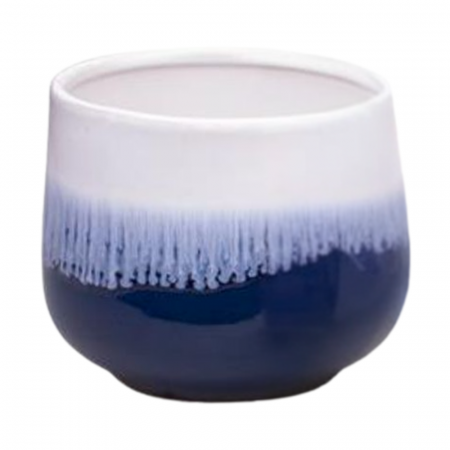
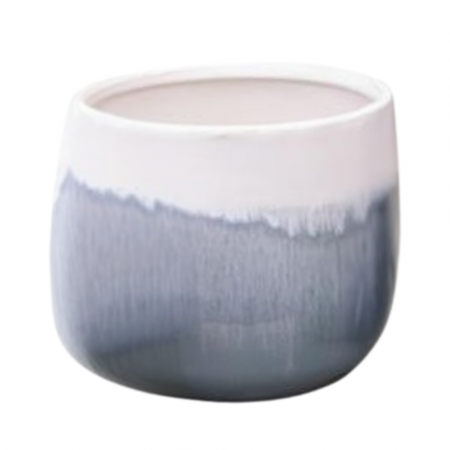
Ai nevoie și de un ghiveci decorativ?