
 EN/
EN/ Romana
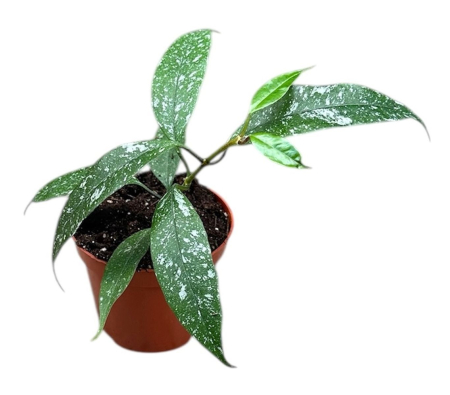
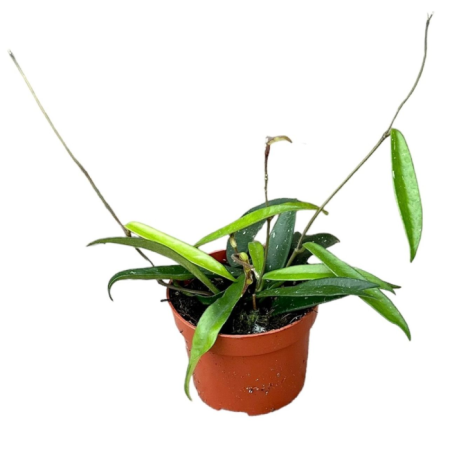
Hoya imperialis sp. Palawan Ø12cm
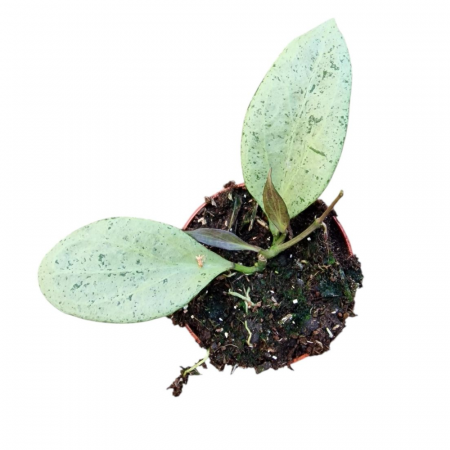
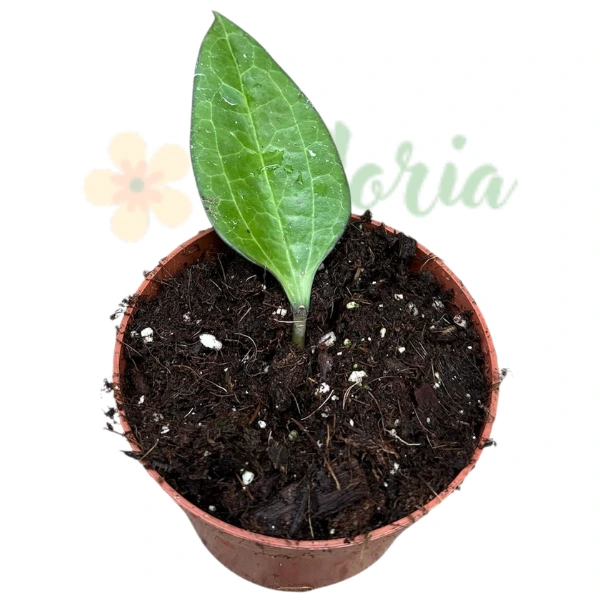
![Hoya imperialis sp. Palawan tropical plant with large glossy dark green leaves in pot [0]](https://gomagcdn.ro/domains2/eufloria.ro/files/product/medium/hoya-imperialis-sp-palawan-d12cm-086314.webp "Hoya imperialis sp. Palawan tropical plant with large glossy dark green leaves in pot [0]")
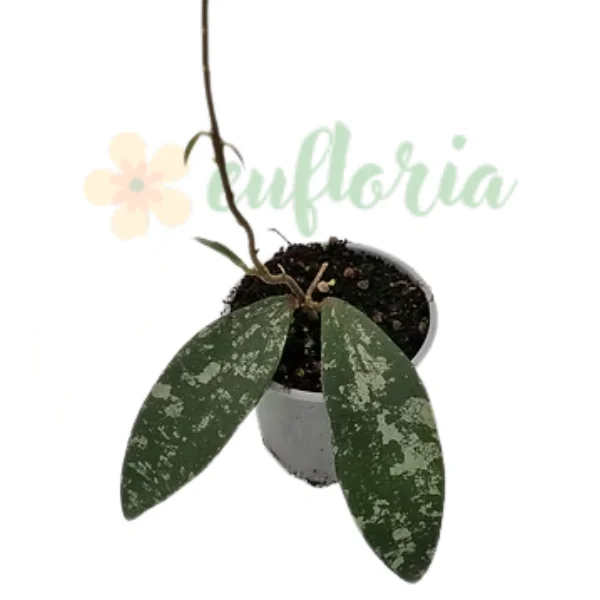
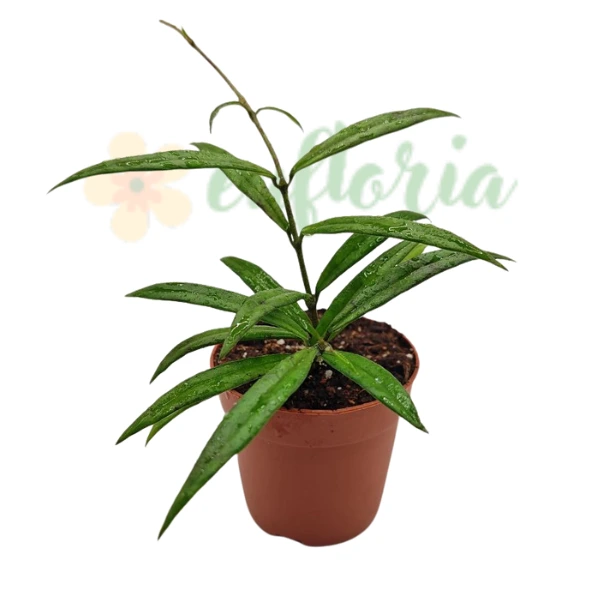
![Hoya imperialis sp. Palawan tropical plant with large glossy dark green leaves in pot [1]](https://gomagcdn.ro/domains2/eufloria.ro/files/product/medium/hoya-imperialis-sp-palawan-d12cm-110645.webp "Hoya imperialis sp. Palawan tropical plant with large glossy dark green leaves in pot [1]")
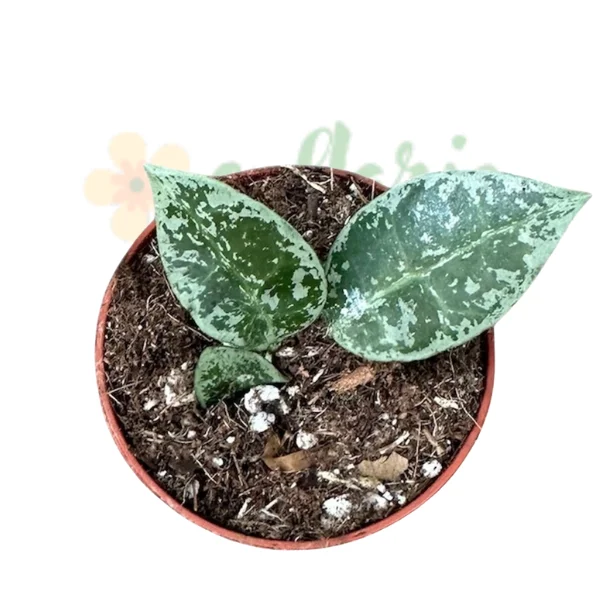
![Hoya imperialis sp. Palawan tropical plant with large glossy dark green leaves in pot [2]](https://gomagcdn.ro/domains2/eufloria.ro/files/product/medium/hoya-imperialis-sp-palawan-d12cm-694408.webp "Hoya imperialis sp. Palawan tropical plant with large glossy dark green leaves in pot [2]")
![Hoya imperialis sp. Palawan tropical plant with large glossy dark green leaves in pot [1]](https://gomagcdn.ro/domains2/eufloria.ro/files/product/original/hoya-imperialis-sp-palawan-d12cm-086314.webp "Hoya imperialis sp. Palawan tropical plant with large glossy dark green leaves in pot [1]")
![Hoya imperialis sp. Palawan tropical plant with large glossy dark green leaves in pot [2]](https://gomagcdn.ro/domains2/eufloria.ro/files/product/original/hoya-imperialis-sp-palawan-d12cm-110645.webp "Hoya imperialis sp. Palawan tropical plant with large glossy dark green leaves in pot [2]")
![Hoya imperialis sp. Palawan tropical plant with large glossy dark green leaves in pot [3]](https://gomagcdn.ro/domains2/eufloria.ro/files/product/original/hoya-imperialis-sp-palawan-d12cm-694408.webp "Hoya imperialis sp. Palawan tropical plant with large glossy dark green leaves in pot [3]")
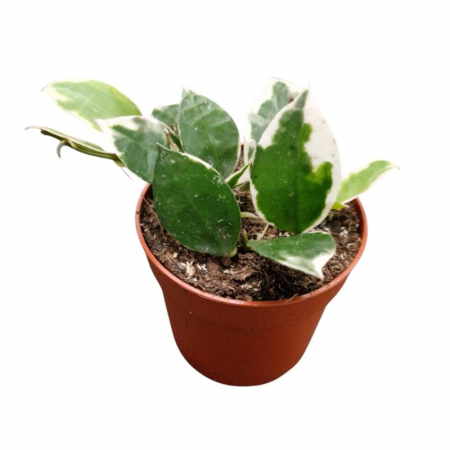
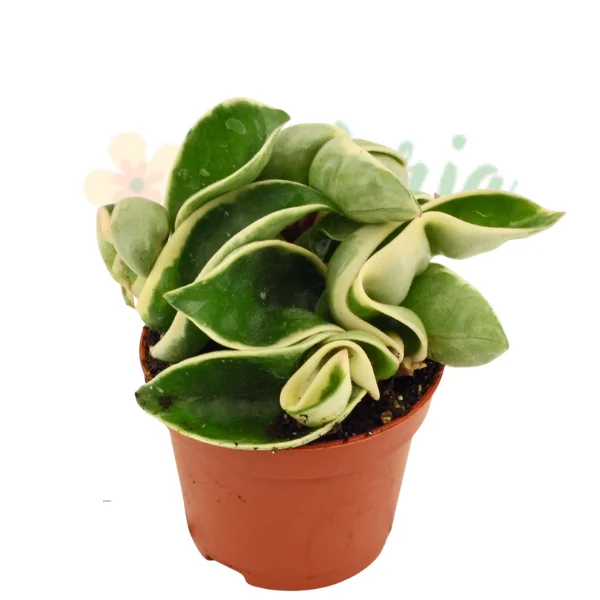
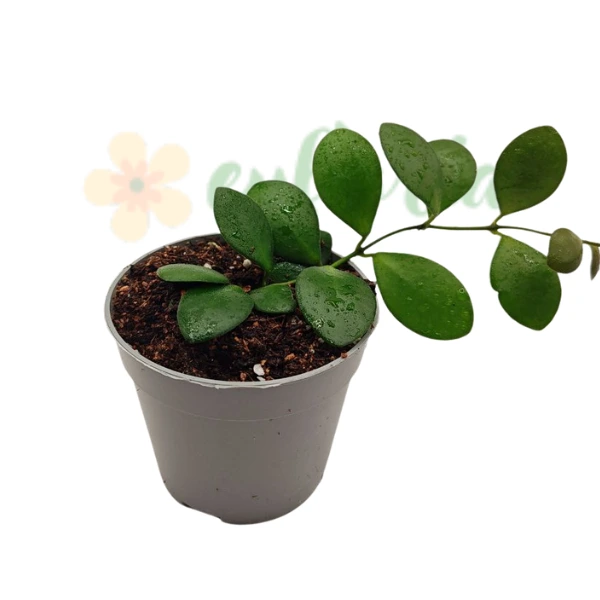
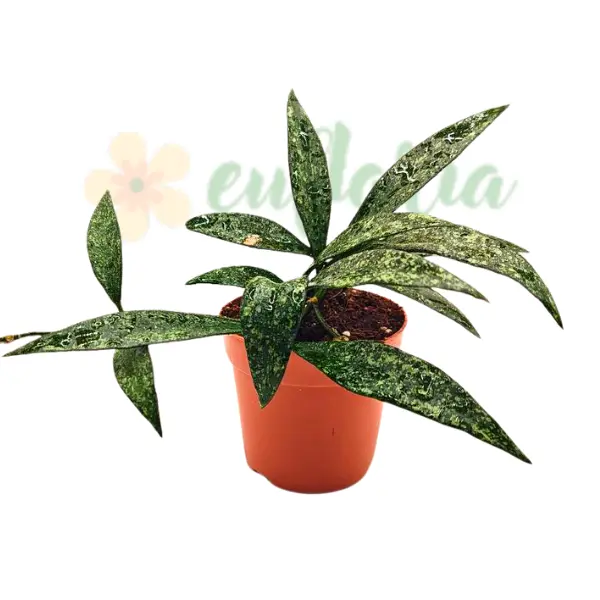
Hoya imperialis sp. Palawan is the most spectacular Hoya species, featuring giant intensely fragrant red-burgundy flowers. Native to the Philippines, it impresses with its regal dimensions and beauty.
Approx height (including pot): 15 cm
Flowering state: No flowers
Pot diameter: 12 cm
- Description
- Characteristics
- Reviews (0)
- FAQ
🌿 Hoya imperialis sp. Palawan — The Queen of Hoyas with giant flowers
Hoya imperialis sp. Palawan is rightfully considered the most spectacular species in the entire Hoya genus. Native to Palawan Island in the Philippines, this majestic plant produces the largest flowers of all Hoya species — massive inflorescences with flowers up to 8 centimeters in diameter, in deep red-burgundy shades, emitting an intense and intoxicating fragrance, especially during warm summer evenings.
The name "imperialis" — "imperial" — is fully deserved. This species' flowers are truly regal: thick, waxy petals in a red-burgundy that can range from ruby to dark mahogany, with a lighter pink central corona that gleams under light. Each inflorescence can contain 6–10 individual flowers, forming a natural bouquet of breathtaking beauty that persists for weeks.
The leaves are equally impressive. Large, oval, 15–25 centimeters long, with a thick, waxy, deep glossy green texture. Veins are well pronounced, and the slightly wavy margins give the leaves a sculptural appearance. Mature stems are robust and woody, capable of supporting the weight of massive inflorescences without difficulty.
The sp. Palawan variant is particularly sought after by collectors due to its specific origin and the intense coloring of its flowers. Palawan is an island with extraordinary biodiversity, and plants originating from there often exhibit unique characteristics adapted to the humid, warm tropical environment of the region's primary forests.
🌟 Growing conditions and care
Light is essential for Hoya imperialis. This species requires bright indirect light or even a few hours of direct morning sun to bloom abundantly. A spot near a large east or southeast-facing window is ideal. Unlike smaller species, Hoya imperialis tolerates intense light better, though it should be protected from direct midday sun during hot summer months.
Watering must be regular but not excessive. The substrate should partially dry between waterings — approximately the first 3–4 centimeters. Due to its large leaves and robust stems, the plant consumes more water than small species, so check the substrate 2–3 times per week during the warm season. In winter, reduce frequency to once every 10–14 days. Use warm, filtered or settled water.
Temperature optimally ranges between 20°C and 30°C, reflecting the species' tropical origin. It cannot tolerate temperatures below 15°C. High humidity (60–85%) is ideal and contributes significantly to flower quality. A humidifier or placing the plant in a naturally more humid corner (near a bathroom or kitchen) can make the difference between modest and spectacular flowering.
Substrate should be well-draining but more substantial than for small species. A mix of pine bark, perlite, sphagnum, and leaf compost in 3:2:2:1 ratios provides both the necessary drainage and supplementary nutrients this vigorous species requires. A medium-to-large pot with ample drainage holes is recommended.
🌺 Propagation and development
Propagation through stem cuttings is the main method for multiplying Hoya imperialis. Select a robust stem portion with 2–3 nodes and a few mature leaves, then place it in a moist mix of perlite and sphagnum. Due to the species' larger dimensions, rooting can take longer than with small species — between 4 and 8 weeks. A constant temperature above 22°C and high humidity are essential for success.
Air layering is particularly effective for this species, thanks to the thick stems that facilitate the process. Wrap a node with moist sphagnum and film, maintaining constant humidity. Robust roots develop within 4–6 weeks, after which the section is separated and planted in an individual pot with fresh substrate.
Fertilization is important for this vigorous species. During the active period (April–September), apply a balanced liquid fertilizer at normal concentration (not half, as with small species) every two weeks. Additionally, a phosphorus and potassium-rich fertilizer once a month will support the production of massive inflorescences. In winter, reduce fertilization to once monthly at reduced concentration.
Hoya imperialis requires a robust growing support. Mature stems become woody and heavy, and inflorescences add significant weight. A wooden trellis, metal arch, or moss pole are excellent options. Guiding stems along a support stimulates flowering and creates an impressive decorative effect.
🌍 Origin and botanical significance
Hoya imperialis belongs to the family Apocynaceae and is native to Borneo, but the sp. Palawan variant comes from Palawan Island in the Philippines — one of the most biodiverse islands in the world. Palawan is often called the "last ecological frontier of the Philippines" due to its relatively intact primary forests harboring extraordinarily diverse fauna and flora.
The species was first described by John Lindley in 1846, and the name "imperialis" reflects the majestic character of its flowers. It is one of the largest species in the Hoya genus, with leaves reaching 25 centimeters and flowers up to 8 centimeters in diameter. In cultivation, the plant can reach lengths exceeding 3 meters if provided with adequate support.
The flowers emit a complex fragrance with notes of chocolate, vanilla, and jasmine that intensifies during warm evenings. This scent serves to attract nocturnal pollinators in the natural habitat. In indoor cultivation, the fragrance can fill an entire room, transforming the evening into a unique tropical sensory experience.
✨ Why choose Hoya imperialis sp. Palawan
If you desire a plant that truly impresses, Hoya imperialis sp. Palawan is the answer. No other Hoya can rival the size and beauty of its flowers. It is the centerpiece of any rare plant collection, a true botanical trophy that draws the admiration of all who see it in bloom.
Although more demanding than compact Hoya species, the reward is proportional. The moment the first inflorescence opens and its fragrance floods the room is an unforgettable experience. Growers who have succeeded in bringing it to bloom often describe the moment as one of the most satisfying in their collecting lives.
Exceptional longevity makes this plant a lifetime investment. With proper care, a Hoya imperialis specimen can live for decades, becoming increasingly imposing and prolific. Mature plants can simultaneously produce multiple inflorescences, offering a truly colossal floral display.
From Eufloria you receive a healthy, well-developed specimen in a 12-centimeter pot, acclimated to indoor conditions. The plant is shipped with utmost care to arrive in perfect condition, ready to become the jewel of your tropical plant collection.
Lungime: 15 cm
Greutate (kg): 1 Kg
Denumire: Hoya
Diametru: 12 cm
Cerințe lumină: Partial umbra
Tip plantă: Decorative
Utilizare: Interior
Tip suport: Ghiveci
Material Suport: Plastic
How big are Hoya imperialis flowers?
Hoya imperialis flowers are the largest in the Hoya genus, with diameters of 6–8 cm per flower. They are red-burgundy with white-pink centres and have an intense chocolate and honey fragrance.
When does Hoya imperialis Palawan bloom?
Hoya imperialis reaches blooming maturity after 3–5 years. It needs bright light, a cool winter rest, and phosphorus fertilization to stimulate flowering.
Is Hoya imperialis toxic to pets?
No, Hoya imperialis is classified as non-toxic by ASPCA. It is safe for households with pets and children.
How big does Hoya imperialis grow?
Hoya imperialis is a vigorous species with 3–5 m vines and large 12–20 cm leaves. It requires robust climbing support (stakes or trellis).
What light does Hoya imperialis need?
Bright indirect light (15,000–25,000 lux), 12–14 hours daily. Needs more light than most Hoya species to bloom.
Ai nevoie și de un ghiveci decorativ?







