EN/
EN/ Romana
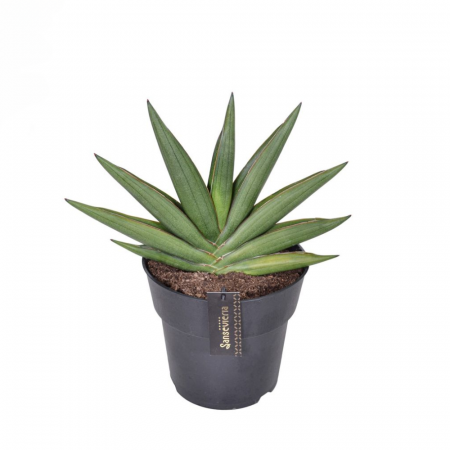
Aloe Vera D7
![Aloe Vera D7 [1]](https://gomagcdn.ro/domains2/eufloria.ro/files/product/original/aloe-vera-d7-632766.webp "Aloe Vera D7 [1]")
Aloe Vera is a medicinal succulent plant, cultivated for thousands of years for its healing gel with soothing and moisturizing properties. Extremely easy to maintain – tolerates drought and variable light. Frequently produces offsets. Caution: mildly toxic to pets – contains saponins and anthraquinones.
Approx height (including pot): 12 cm
Pot diameter: 7 cm
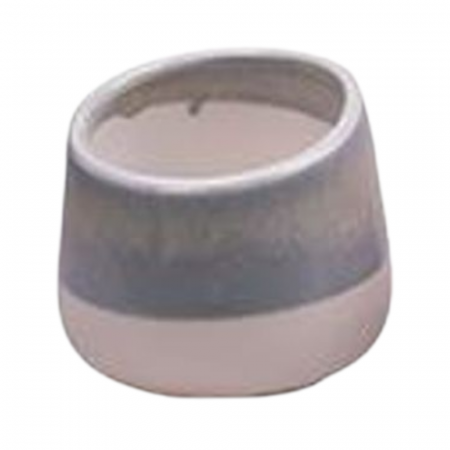
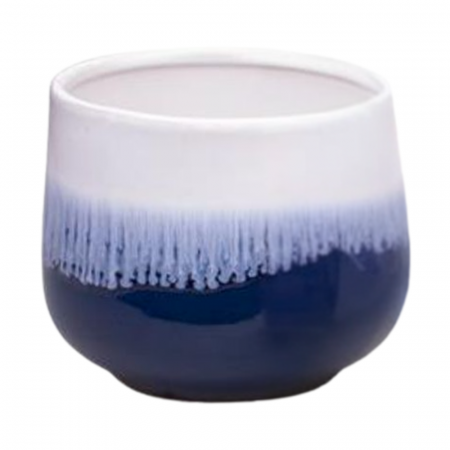
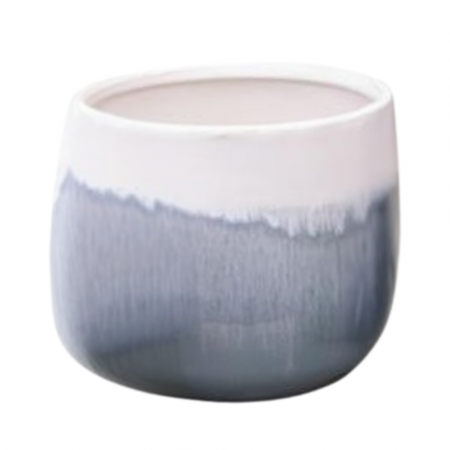
Decorative pot: Ceramic
- Description
- Characteristics
- Reviews (0)
- FAQ
🌿 Aloe Vera – The Miraculous Medicinal Plant
Aloe Vera (Aloe barbadensis miller) is one of the most well-known and useful succulent plants in the world, cultivated for thousands of years for its medicinal and cosmetic properties. The transparent gel from its thick leaves is renowned for its soothing, moisturizing, and healing effects, making this plant a must-have in any home.
🌍 Origins & Botanical History
Aloe Vera belongs to the Asphodelaceae family and is native to the Arabian Peninsula, though it is cultivated throughout the tropical and subtropical world. Its usage history dates back over 5,000 years – it was known in Ancient Egypt as the "plant of immortality" and was offered as a gift to pharaohs. It was mentioned in Sumerian, Greek, and Roman medical texts. Today, it is cultivated industrially on a large scale for the cosmetic and pharmaceutical industries.
🌿 Leaves – Reservoirs of Healing Gel
The leaves of Aloe Vera are thick, fleshy, grey-green in color, with finely serrated edges. They grow in a compact rosette and can reach 30-50 cm in length. The interior contains a transparent gel rich in vitamins, minerals, amino acids, and antioxidants, traditionally used for soothing sunburns, moisturizing skin, and supporting wound healing. The leaf surface may display discrete white spots on young plants.
🌱 Growth Habit & Development
Aloe Vera is an extremely easy plant to maintain. It prefers bright, direct or indirect light and a very well-draining substrate suitable for cacti and succulents. Water sparingly – allow the substrate to dry completely between waterings. The ideal temperature is 15-30°C (59-86°F), though it tolerates short periods of cold. It frequently produces offsets (lateral shoots) that can be separated and planted individually.
Lungime: 10 cm
Greutate (kg): 0.5 Kg
Denumire: Aloe
Diametru: 7 cm
Cerințe lumină: Partial umbra
Tip plantă: Suculente
Utilizare: Interior
Tip suport: Ghiveci
Material Suport: Ceramica
Is Aloe vera toxic to cats and dogs?
Yes, Aloe vera is toxic to cats, dogs, and horses according to the ASPCA. The plant contains saponins and anthraquinones that can cause vomiting, diarrhea, lethargy, and loss of appetite if ingested. While the clear inner gel is generally safe for topical use on humans, the outer leaf contains latex compounds that are harmful to pets. Keep Aloe vera plants out of reach of animals, and contact your veterinarian immediately if you suspect your pet has eaten any part of the plant.
How often should I water my Aloe vera plant?
Water your Aloe vera only when the soil is completely dry – typically every 2-3 weeks during spring and summer, and even less frequently in winter. As a succulent, Aloe vera stores water in its leaves and is highly susceptible to root rot from overwatering. Insert your finger 2-3 cm into the soil; if it feels dry, it's time to water. When you do water, soak thoroughly and allow excess water to drain completely. Never let the plant sit in standing water.
Can I use Aloe vera gel from my plant on burns and skin?
Yes, the clear gel inside Aloe vera leaves can be used topically to soothe minor burns, sunburn, and skin irritations. To harvest, cut a mature outer leaf close to the base, slice it lengthwise, and scoop out or apply the clear gel directly to the affected area. Avoid the yellowish latex layer just beneath the outer skin, as it can cause irritation. The gel is safe for human skin but should not be ingested without proper processing, and should never be used on pets.
Why are my Aloe vera leaves turning brown or mushy?
Brown or mushy leaves typically indicate overwatering and potential root rot – the most common problem with Aloe vera. Check that your pot has drainage holes and that you're allowing soil to dry completely between waterings. Other causes include: too much direct sunlight (causing sunburn/brown patches), cold damage from temperatures below 10°C, or natural aging of lower leaves. If root rot is suspected, remove the plant, trim any damaged roots, let it dry for a day, and repot in fresh, dry cactus soil.
How do I propagate Aloe vera?
Aloe vera is easily propagated through offsets (called "pups") that grow at the base of mature plants. Wait until pups are at least 7-10 cm tall with their own roots, then carefully separate them from the mother plant using a clean knife. Allow the cut end to dry for 1-2 days to form a callus, then plant in well-draining cactus soil. Water sparingly until established. Note that Aloe vera cannot be propagated from leaf cuttings – only through pups or seeds.
Care?
Indirect, drained, moderate water. 18-25°C.
Water?
When soil dries.
Light?
Bright indirect.
Toxic?
Check specs.
Soil?
Well-drained.
Recommendations