
 EN/
EN/ Romana
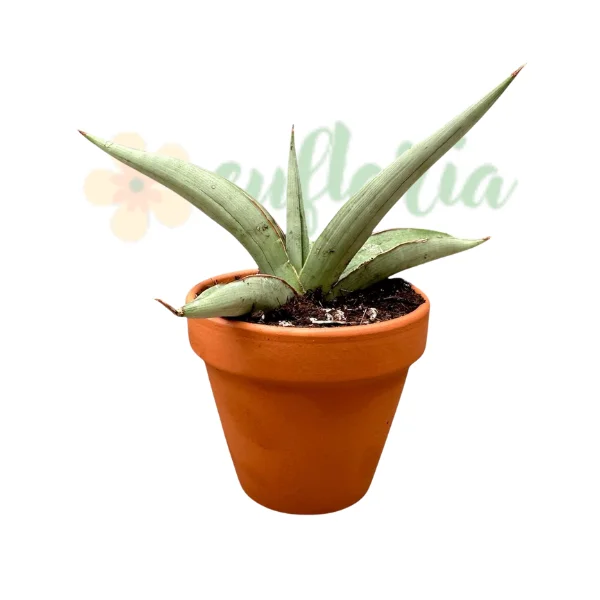
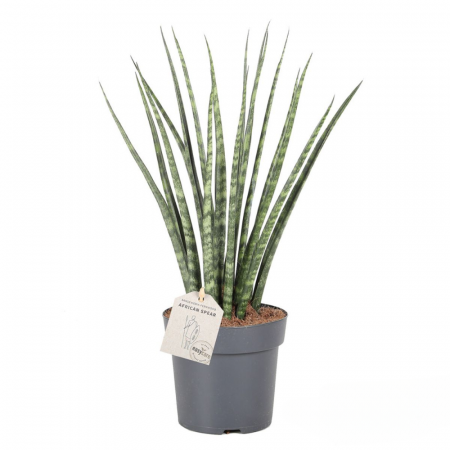
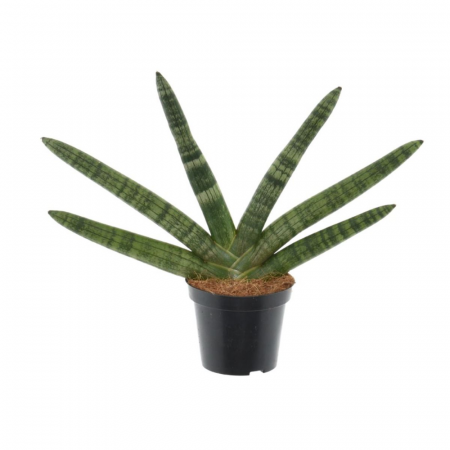
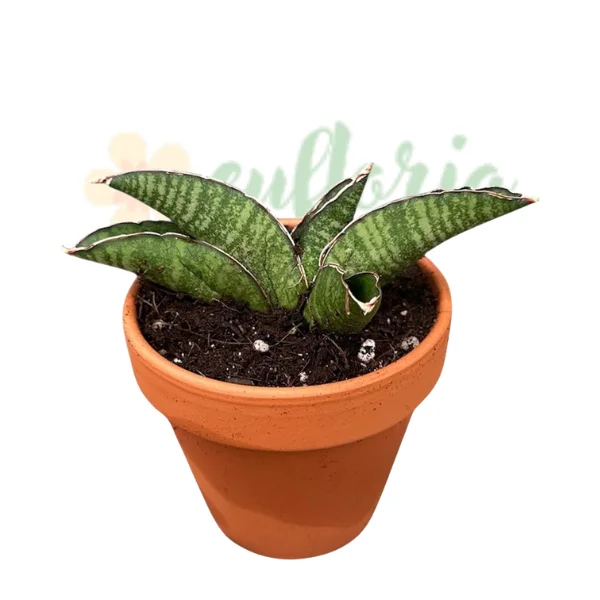
Sansevieria ehrenbergii 'Samurai' Ø6-Ø7cm
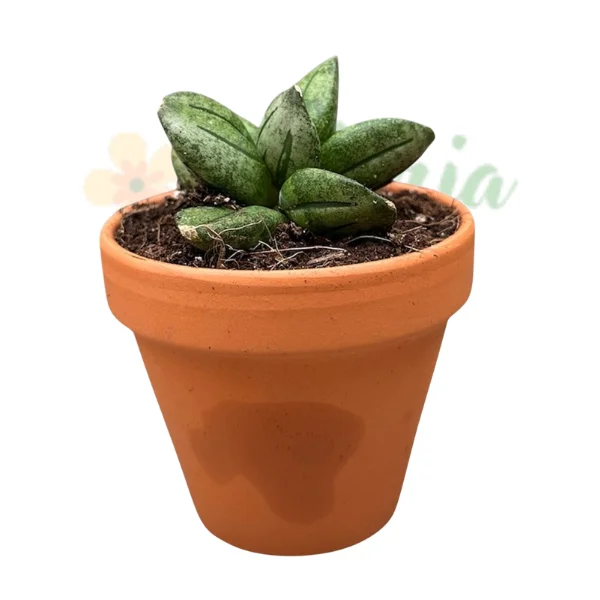
![Sansevieria ehrenbergii 'Samurai' — dwarf sansevieria with short thick triangular channeled silver-green leaves strictly bilaterally arranged in samurai sword fan [0]](https://gomagcdn.ro/domains2/eufloria.ro/files/product/medium/sansevieria-ehrenbergii-samurai-917904.png "Sansevieria ehrenbergii 'Samurai' — dwarf sansevieria with short thick triangular channeled silver-green leaves strictly bilaterally arranged in samurai sword fan [0]")
![Sansevieria ehrenbergii 'Samurai' — dwarf sansevieria with short thick triangular channeled silver-green leaves strictly bilaterally arranged in samurai sword fan [1]](https://gomagcdn.ro/domains2/eufloria.ro/files/product/medium/planta-naturala-de-interior-sansevieria-ehrenbergii-samurai-d6-570835.png "Sansevieria ehrenbergii 'Samurai' — dwarf sansevieria with short thick triangular channeled silver-green leaves strictly bilaterally arranged in samurai sword fan [1]")
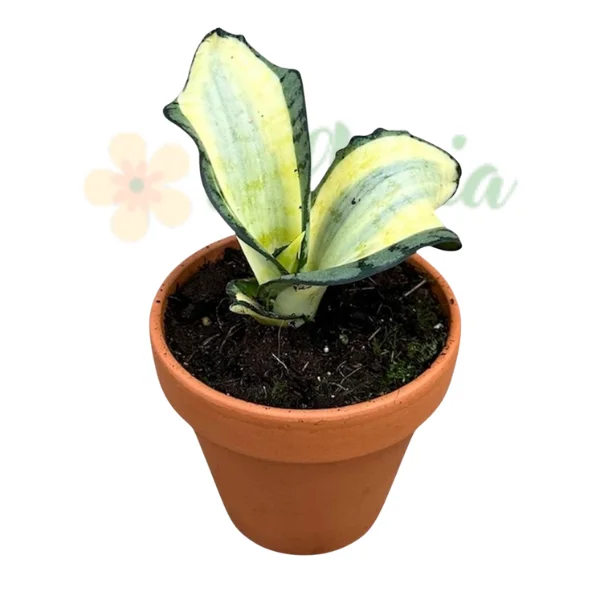
![Sansevieria ehrenbergii 'Samurai' — dwarf sansevieria with short thick triangular channeled silver-green leaves strictly bilaterally arranged in samurai sword fan [1]](https://gomagcdn.ro/domains2/eufloria.ro/files/product/original/sansevieria-ehrenbergii-samurai-917904.png "Sansevieria ehrenbergii 'Samurai' — dwarf sansevieria with short thick triangular channeled silver-green leaves strictly bilaterally arranged in samurai sword fan [1]")
![Sansevieria ehrenbergii 'Samurai' — dwarf sansevieria with short thick triangular channeled silver-green leaves strictly bilaterally arranged in samurai sword fan [2]](https://gomagcdn.ro/domains2/eufloria.ro/files/product/original/planta-naturala-de-interior-sansevieria-ehrenbergii-samurai-d6-570835.png "Sansevieria ehrenbergii 'Samurai' — dwarf sansevieria with short thick triangular channeled silver-green leaves strictly bilaterally arranged in samurai sword fan [2]")
Sansevieria ehrenbergii 'Samurai' (syn. Dracaena hanningtonii) is a distinctive dwarf sansevieria from East Africa. Thick triangular-channeled leaves strictly bilaterally arranged (in two opposite rows), creating the silhouette of a 'samurai sword fan'. Silver-green, very resilient succulent. Ideal for Japanese/minimalist design.
Approx height (including pot): 10 cm
Country of origin: Denmark
- Description
- Characteristics
- Reviews (1)
- FAQ
🌿 Sansevieria ehrenbergii 'Samurai' — Succulent Swords Arranged in Fan
Sansevieria ehrenbergii 'Samurai' (syn. Dracaena hanningtonii 'Samurai') is a distinctive dwarf sansevieria, selected for its unique form — thick, triangular-channeled leaves strictly arranged in two opposite rows along a short stem, creating a "sword fan" silhouette reminiscent of a Japanese samurai's weaponry, hence the cultivar name.
Unlike sansevierias with symmetrical rosettes, 'Samurai' has a bilateral structure — leaves grow strictly on two sides, alternating left/right, in a flat and geometric formation. Leaves are short (5-10 cm), thick, with a central groove on the upper face and firm succulent texture. Color is silver-green, sometimes with darker edges.
Offered in two sizes: Ø6cm (young plant) or Ø7cm (slightly larger plant). The dwarf plant remains compact (10-20 cm height at maturity), making it perfect for offices, small windowsills or succulent collections. One of the most decorative sansevierias for minimalist/Japanese design.
🌍 Origin and Botanical History
Sansevieria ehrenbergii is native to the arid zones of East Africa (Ethiopia, Kenya, Tanzania, Somalia), where it grows as a succulent in savannas and semi-desert areas. The 'Samurai' cultivar is a compact horticultural selection, developed for smaller size and stricter silhouette than the typical form.
The Asparagaceae family (Nolinoideae subfamily). The Sansevieria genus was reclassified in 2017 into the Dracaena genus, but the traditional name remains popular.
🌱 The 'Samurai' Leaves
Leaves are short (5-10 cm length), thick, triangular in cross-section, with a pronounced groove (channel) on the upper face — hence the term "channeled". Texture is succulent, firm, with slightly waxy surface. Color is silver-green, with bluish tones under strong light, sometimes with brown-reddish edges.
The strictly bilateral (distichous) arrangement makes the plant special — leaves grow ALTERNATELY on two opposite sides, not radially like other sansevierias. The visual result is a vertical "little sword" or flat fan, depending on angle. Mature plants develop underground rhizomes producing new daughter rosettes.
🌱 Growth Habit and Care
- Light: bright; tolerates partial direct sun. Resists low light but grows slower.
- Temperature: 15-28°C; tolerates 5-32°C. Very resilient.
- Watering: RARE. Substrate must dry COMPLETELY. Every 2-3 weeks in summer, every 5-6 weeks in winter.
- Humidity: 30-50%; tolerates dry air.
- Substrate: very well-drained, for succulents.
- Fertilization: rare (2-3 months).
- Propagation: by rhizomes (pups) or leaf cuttings.
🌿 Mild Toxicity
Contains saponins, mildly toxic if ingested by cats/dogs. Place out of reach of curious pets.
🌸 Why 'Samurai'
Sansevieria 'Samurai' is ideal for dwarf succulent collectors and Japanese/minimalist design enthusiasts. The distinct geometric silhouette, compact size and legendary sansevieria resilience make it a "set and forget" plant with immediate visual impact. Perfect for kokedama, miniature Japanese gardens or cactus/succulent collections.
🌱 Creative Ideas
Plant 'Samurai' in a Japanese ceramic or bonsai pot for authentic look. Combine with stones, preserved moss or colored sand for miniature gardens. The strict silhouette fits perfectly with Scandinavian or japandi design. Ideal as an office plant — survives perfectly even forgotten for weeks.
🌱 Common Problems
Soft/wilted leaves: severe dehydration — water. Black base: rot from water. Very slow growth: normal for dwarf succulents.
Lungime: 10 cm
Greutate (kg): 0.25 Kg
Denumire: Sansevieria
Cerințe lumină: Umbra
Tip plantă: Decorative
Utilizare: Interior
Tip suport: Ghiveci
Material Suport: Plastic
Why 'Samurai'?
How does it differ from other sansevierias?
How to water?
Is it suitable for Japanese design?
Is it toxic?
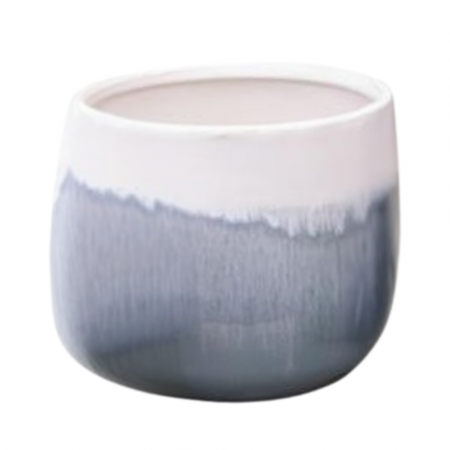
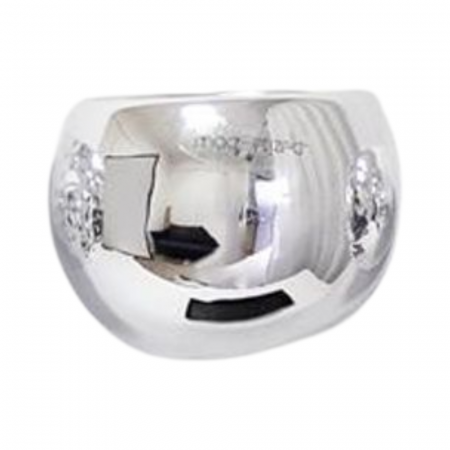
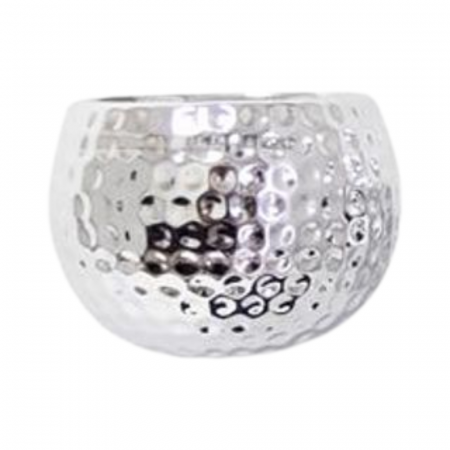
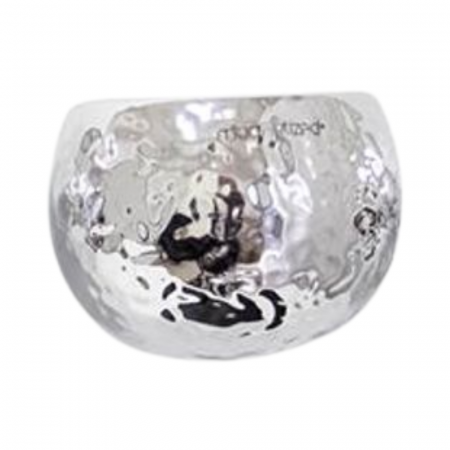
Ai nevoie și de un ghiveci decorativ?

Vlad Amartisoaie,
Un samurai mic,verde si sanatos.
Impachetare foarte buna si livrare rapida!
Multumesc mult si super apreciez supriza vasul ceramic
Was this review useful?