EN/
EN/ Romana
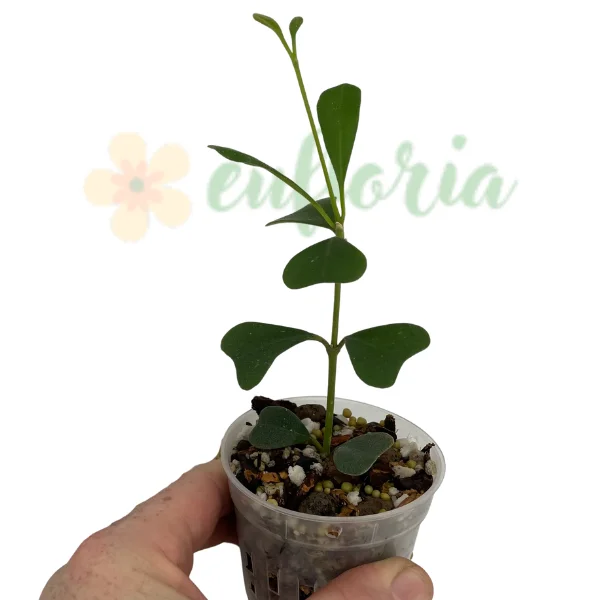
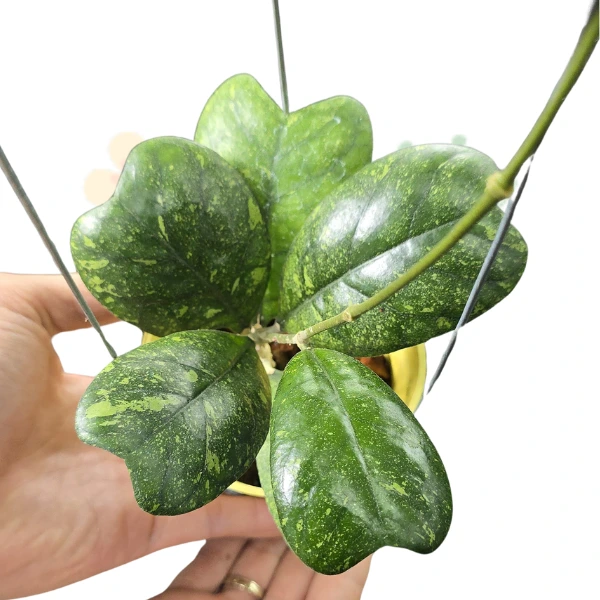
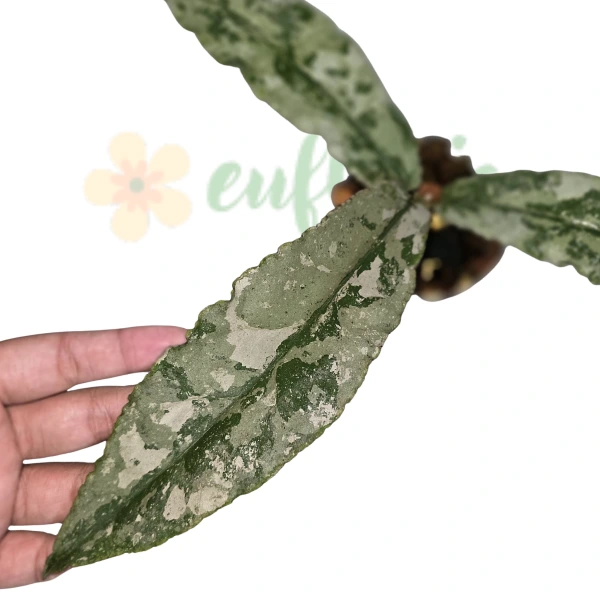
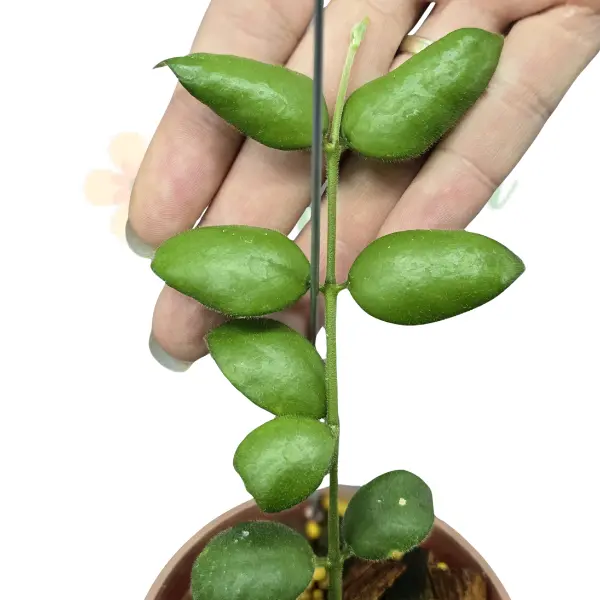
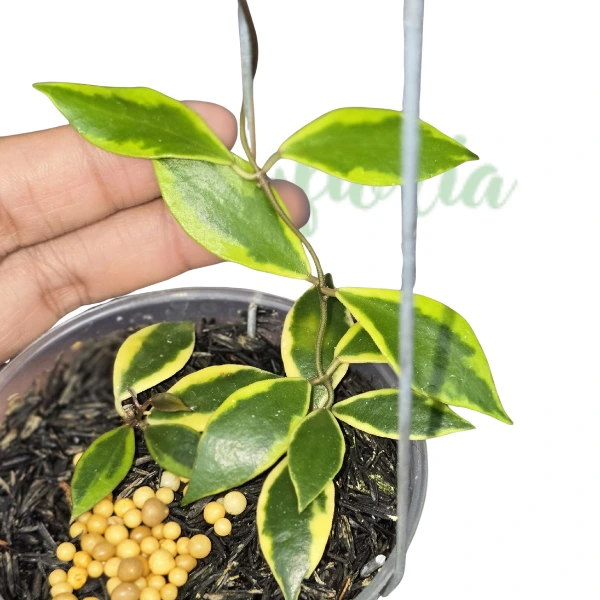
Hoya tsangii Inner Variegated
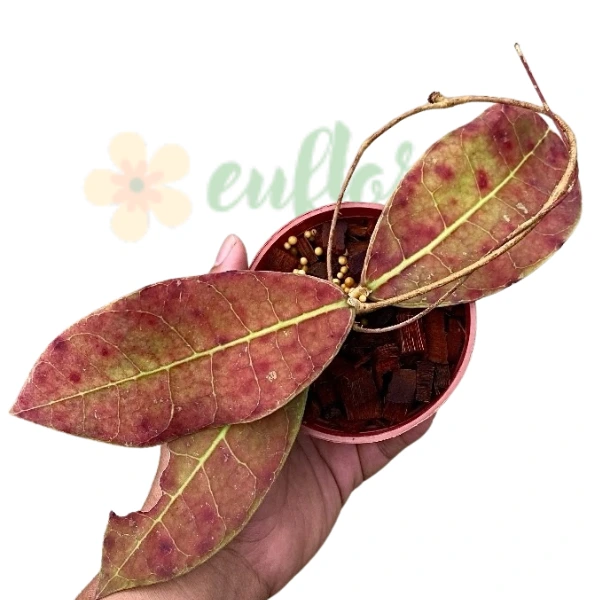
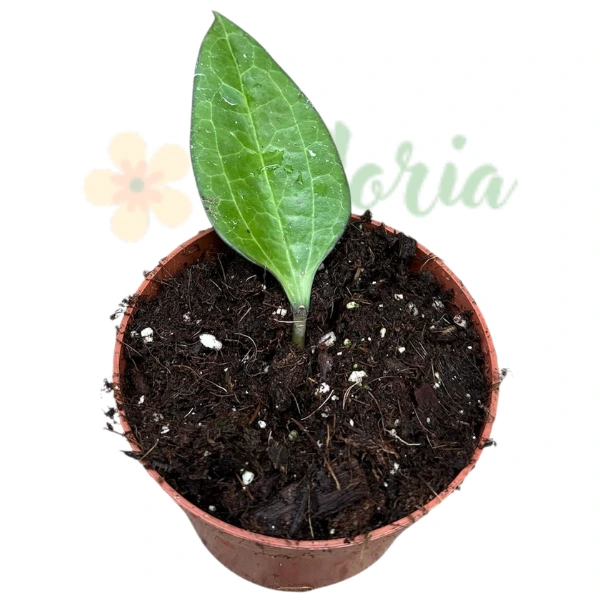
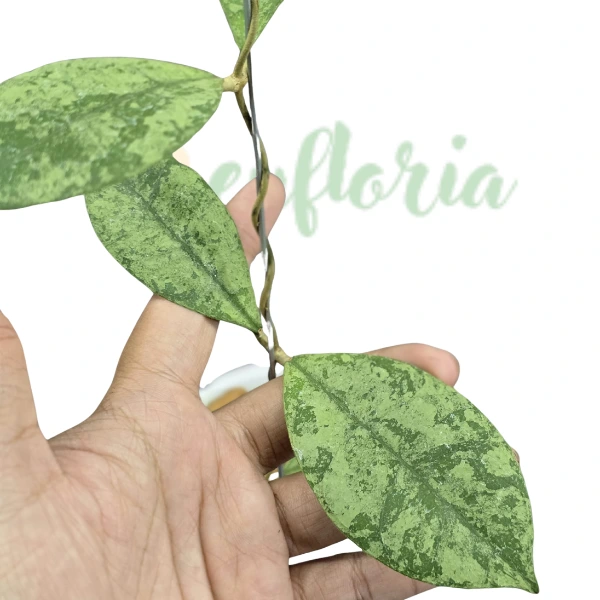
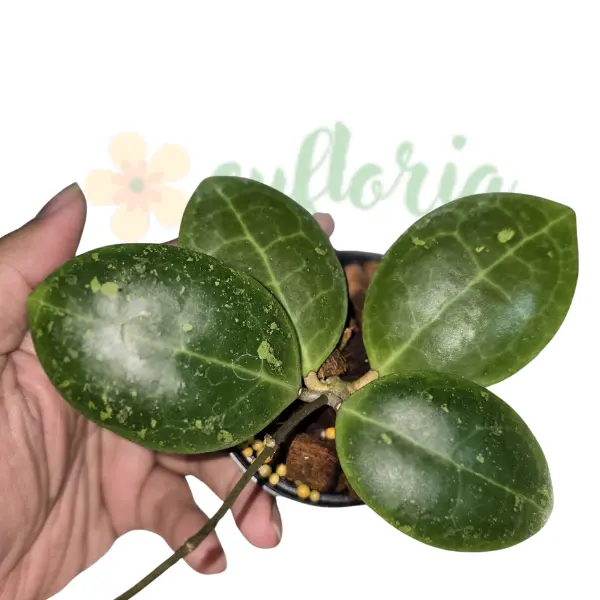
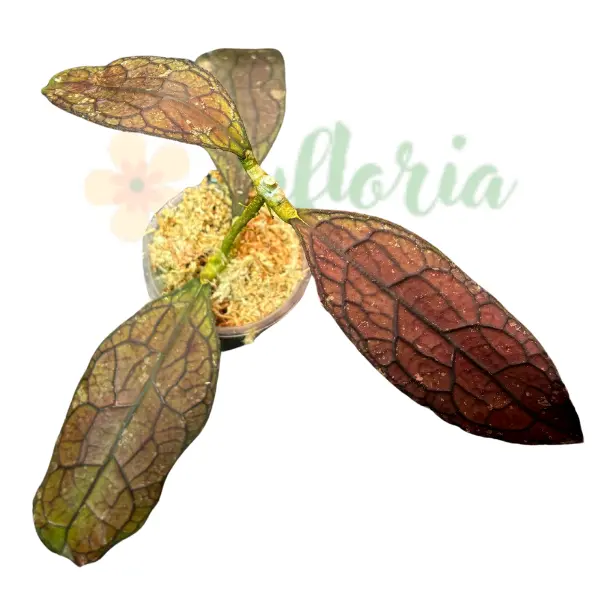
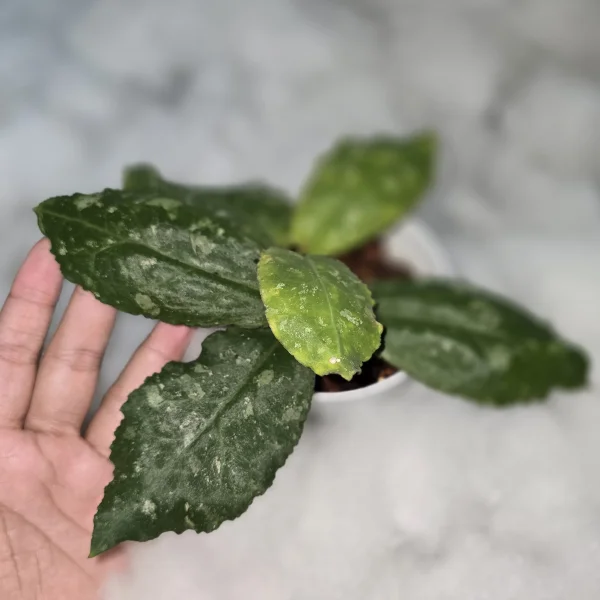
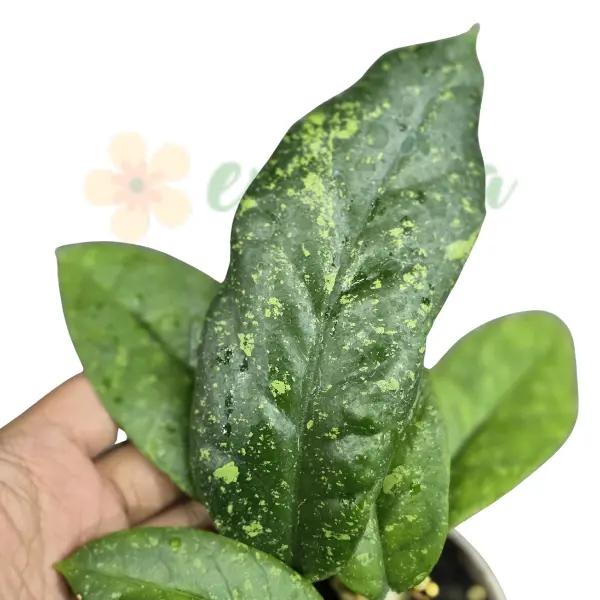
![Hoya tsangii Inner Variegated with cream-yellow center [0]](https://gomagcdn.ro/domains2/eufloria.ro/files/product/medium/hoya-tsangii-inner-variegated-334511.png "Hoya tsangii Inner Variegated with cream-yellow center [0]")
![Hoya tsangii Inner Variegated with cream-yellow center [1]](https://gomagcdn.ro/domains2/eufloria.ro/files/product/medium/hoya-tsangii-inner-variegated-934082.png "Hoya tsangii Inner Variegated with cream-yellow center [1]")
![Hoya tsangii Inner Variegated with cream-yellow center [1]](https://gomagcdn.ro/domains2/eufloria.ro/files/product/original/hoya-tsangii-inner-variegated-334511.png "Hoya tsangii Inner Variegated with cream-yellow center [1]")
![Hoya tsangii Inner Variegated with cream-yellow center [2]](https://gomagcdn.ro/domains2/eufloria.ro/files/product/original/hoya-tsangii-inner-variegated-934082.png "Hoya tsangii Inner Variegated with cream-yellow center [2]")
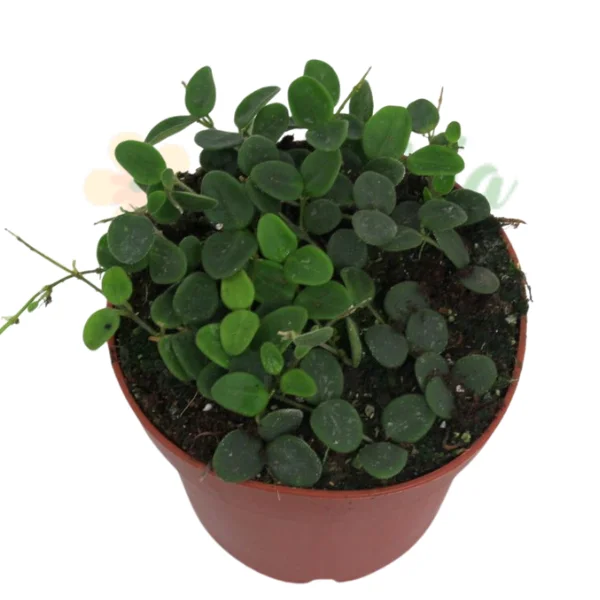
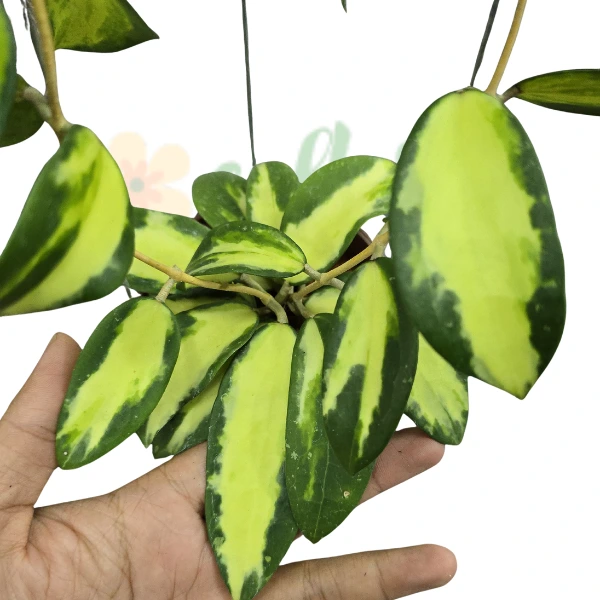
Hoya tsangii Inner Variegated — rare cultivar with central cream-yellow variegation in leaf centers and red-burgundy star flowers.
Pot diameter: (no pot)
- Description
- Reviews (0)
- FAQ
🌿 Hoya tsangii 'Inner Variegated' — A Leaf with a Heart of Light
Hoya tsangii 'Inner Variegated' is a rare selection of the species Hoya tsangii, remarkable for its "inner" variegation pattern — with yellow-cream spots and zones in the center of the leaf, keeping the edges green. This inverse pattern compared to classic edge variegation makes it a truly distinctive piece in Hoya collections. Each leaf is a unique painting, and light plays differently on pigmented zones compared to green ones.
The species Hoya tsangii, native to the Philippines, is remarkable for relatively small, rounded leaves with a fine, glossy texture. The 'Inner Variegated' cultivar adds to this base a natural painting in white-cream, making each leaf its own "center of attention". The plant is sought after by collectors who appreciate subtle nuances and organic asymmetry.
🌍 Origin and Botanical History
The species Hoya tsangii was described relatively recently from the Philippines, where it grows as an epiphyte in tropical forests of low and medium altitude. The genus Hoya, with over 500 known species, includes representatives throughout the Indo-Pacific region, but the Philippines are one of the major biodiversity centers — over 100 endemic species are concentrated here.
"Inner variegations" (also called "inner variegation" in collector parlance) are spontaneous mutations of the chlorophyll pigment. Instead of appearing at the leaf margin, depigmented zones concentrate in the center, forming patterns similar to light spots penetrating through a tree's leaves. These mutations are genetically unstable — sometimes new leaves are more strongly variegated, sometimes less. Stabilizing a cultivar with inner variegations requires years of careful selection.
In its natural habitat, Hoya tsangii grows at high humidity (75-90%), under dense canopy, with filtered light and stable temperatures (22-28°C). In cultivation, these conditions are simulated by placing the plant in a well-lit but not direct-sun area, with humidity above 50%.
🌱 Unique Features
- Inner variegations — yellow-cream zones in the leaf center, with green edges. Inverse pattern compared to classic variegations.
- Small, rounded leaves — 4-6 cm in diameter, with almost circular or slightly oval shape.
- Glossy waxy texture — typical of the genus, reflecting light in variable tones.
- Moderate climbing growth — thin, flexible stems that can be trained on support or allowed to trail.
- Miniature star-shaped flowers — inflorescences of 15-25 small flowers (under 1 cm), waxy, fragrant.
- Slow growth — typical of variegated plants with reduced pigment.
- Light sensitivity — too little light leads to loss of variegation (leaves become uniformly green).
🌸 Flowering
Hoya tsangii produces umbels of 15-25 small star-shaped flowers (0.5-1 cm in diameter), in white-pink tones with a dark red center. The flowers are waxy, appearing almost artificial through their geometric perfection, and emit a sweet floral scent perceptible in the evening and at night — when pollinators (in natural habitat, tropical moths) are active.
Warning: flower peduncles (the short branches supporting umbels) must be kept intact — from them, flowering will repeat in subsequent seasons. Cutting them means postponing flowering by 1-2 years. This is mistake number one of Hoya beginners.
Flowering in Hoya tsangii occurs relatively quickly compared to other Hoyas — mature plants can bloom 1-2 years after stabilization in cultivation. For stimulation: strong indirect light, slight drying before watering, a temperature drop in autumn.
🌱 Care Requirements
- Light: bright indirect light — essential for maintaining variegation. East or west window, or south with a curtain. Insufficient light = loss of yellow zones.
- Watering: let the substrate dry almost completely between waterings. Variegated forms are more sensitive to water excess than green forms.
- Humidity: 55-70%. Below 45%, leaves may develop brown edges.
- Temperature: 20-28°C. Never below 15°C — tsangii variegated forms are even more sensitive to cold than green Hoyas.
- Substrate: very airy — orchid bark + perlite + coco, equal proportions. Excellent drainage mandatory.
- Fertilization: liquid fertilizer at 1/4 dose, every 3-4 weeks. Variegated forms consume less.
- Pot: small, tight. Repot every 2-3 years.
🤚 Why It's a Market Rarity
Inner variegations are very rarely stabilized and successfully vegetatively propagated. Each cutting must preserve the same genetics — but chlorophyll lost in yellow zones means a lower photosynthesis rate and, implicitly, slower growth. Serious propagators lose 30-50% of cuttings in the first weeks — which is why the price of variegated forms remains significantly higher than that of green forms.
For collectors in Romania and the EU, availability on Eufloria.ro represents a rare opportunity. Each plant is phytosanitary verified and comes from Dutch sources with complete documentation.
How do I care for Hoya tsangii Inner Variegated?
It requires bright indirect light to maintain variegation. Humidity of 60-80%, temperatures of 18-28°C, and moderate watering, allowing the substrate to dry between waterings.
Is the variegation stable?
Inner variegation in Hoya tsangii is relatively stable, but can vary in intensity depending on light conditions. Bright indirect light maintains the best contrast.
Is it toxic to pets?
No, Hoya tsangii Inner Variegated is non-toxic, safe for pets and children. The latex sap may cause minor irritation on contact with sensitive skin.
What substrate do you recommend?
A well-draining substrate: fine pine bark, perlite, and sphagnum moss. The substrate should be airy and allow quick drainage to prevent root rot.
Does it grow slower than the green form?
Yes, variegated forms typically grow slower than green ones as they have less chlorophyll. Provide adequate light and regular fertilization to support growth.

Ai nevoie și de un ghiveci decorativ?