EN/
EN/ Romana
Hoya sp. Purbalingga
![Hoya sp. Purbalingga - rare plant from Central Java [1]](https://gomagcdn.ro/themes/fashion/gfx/no-image.png "Hoya sp. Purbalingga - rare plant from Central Java [1]")
Hoya sp. Purbalingga is a rare species from Central Java, Indonesia. Its decorative leaves and fragrant flowers make it an outstanding collector's piece for tropical plant enthusiasts.
Pot diameter: (no pot)
- Description
- Reviews (0)
- FAQ
🌿 Hoya sp. Purbalingga — A Discovery from Central Java
Hoya sp. Purbalingga is a Hoya not yet scientifically described, initially collected from the Purbalingga region, an area located in central Java, Indonesia. The "sp." designation indicates that the species has not yet received formal botanical classification, making it an authentic rarity for advanced collectors. Each specimen in private collections contributes to the conservation and documentation of this species.
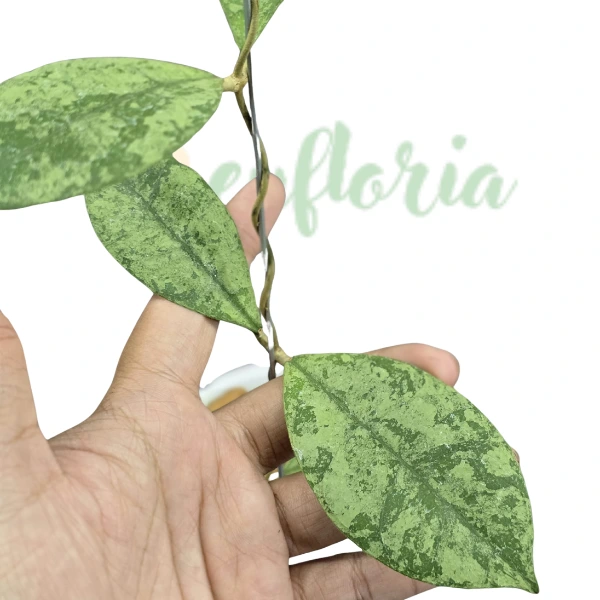
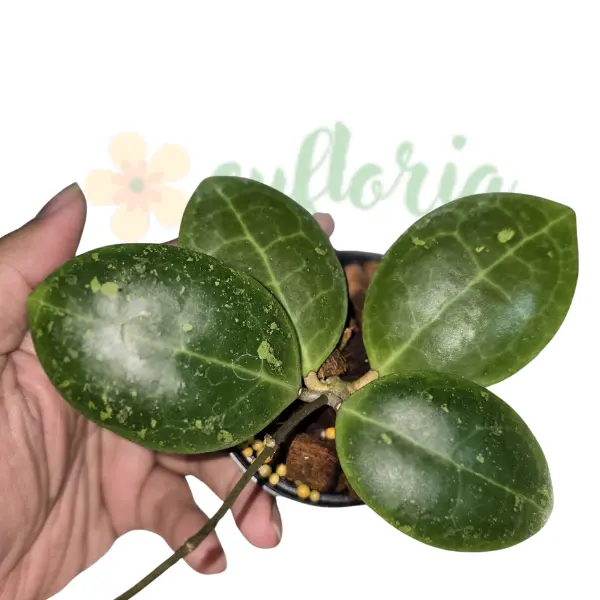
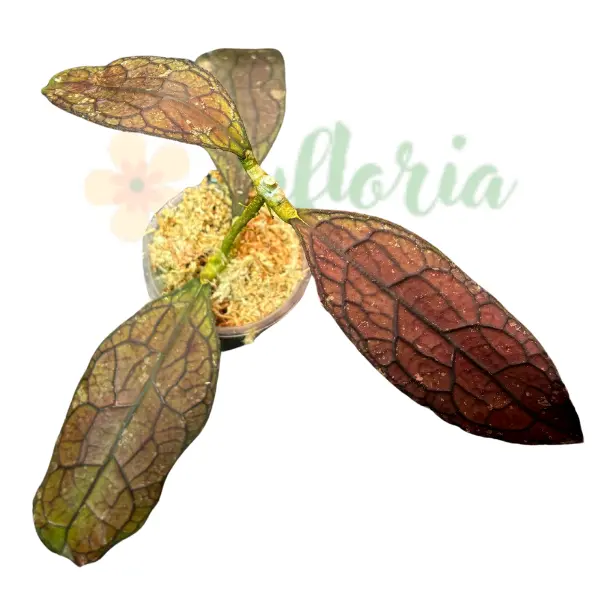
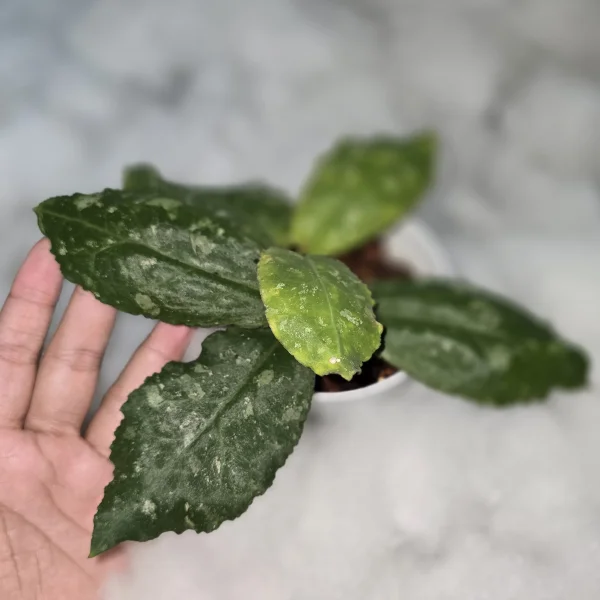
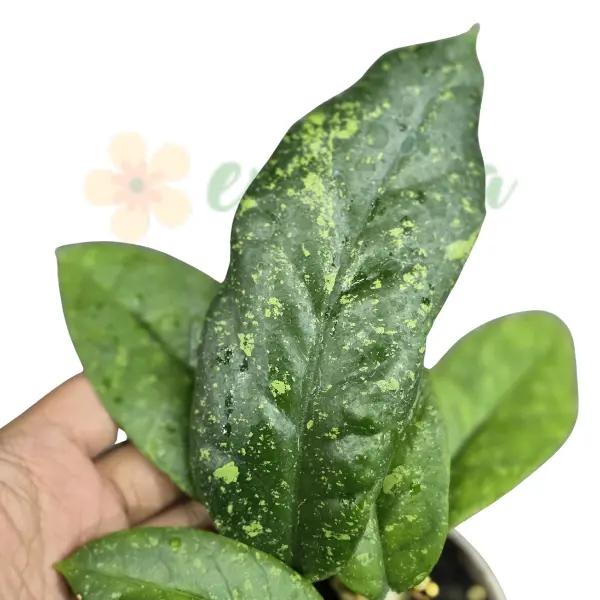
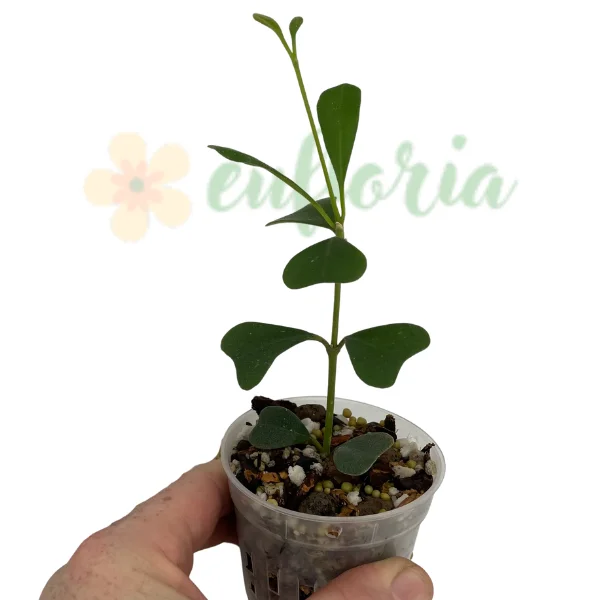
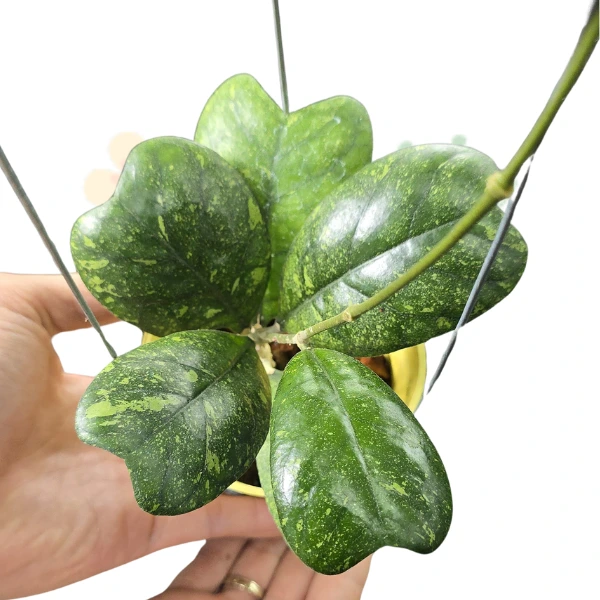
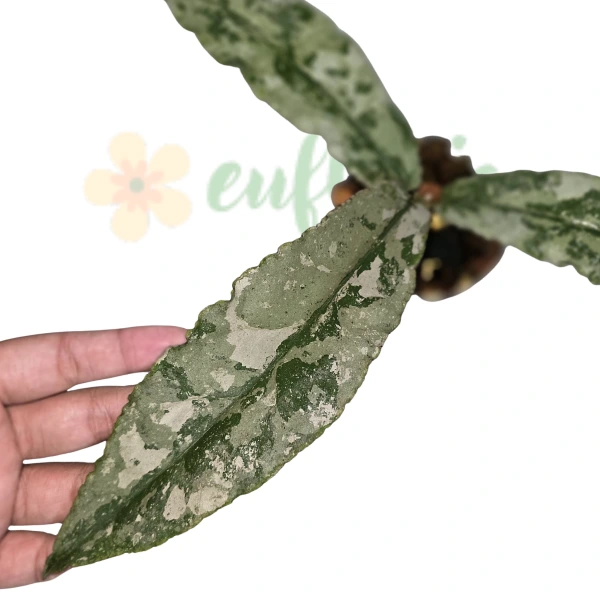
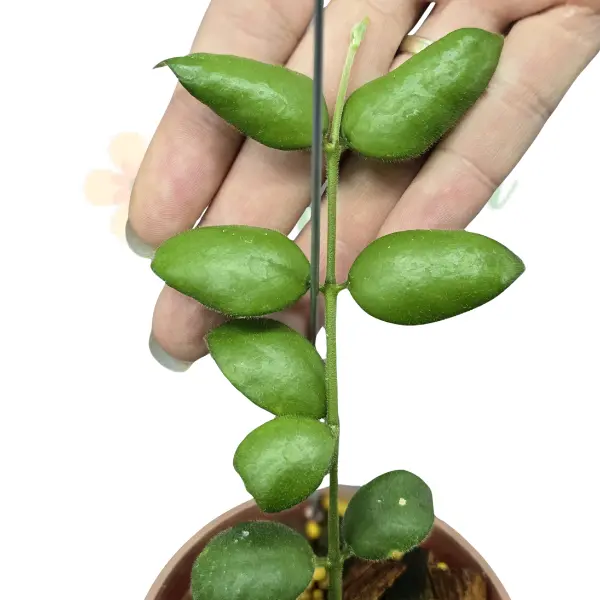
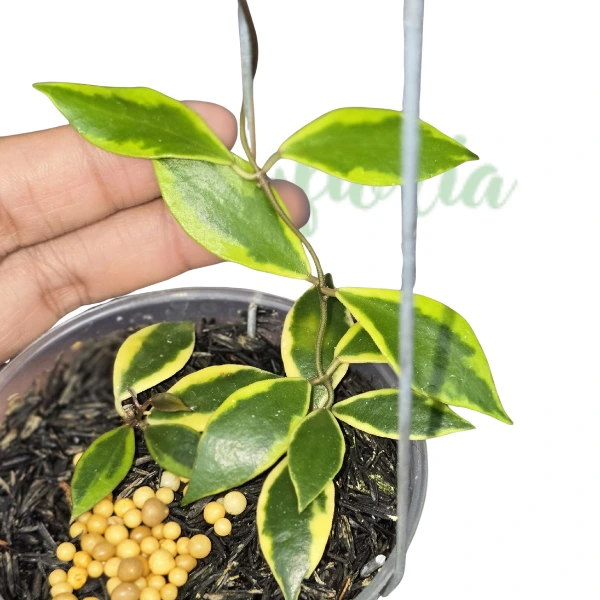
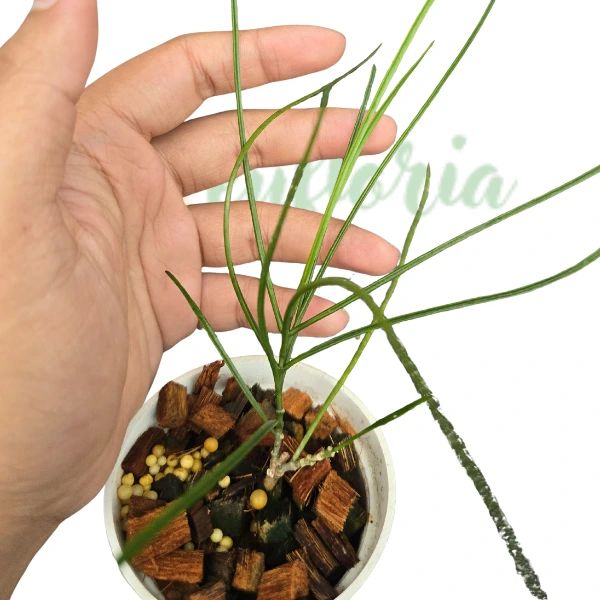
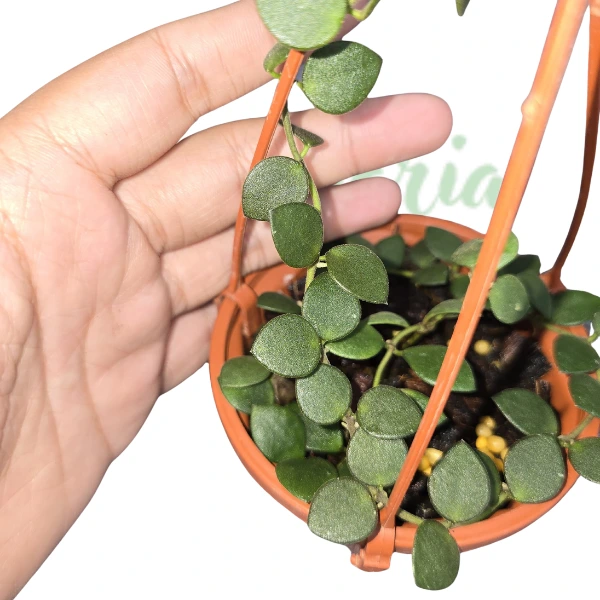
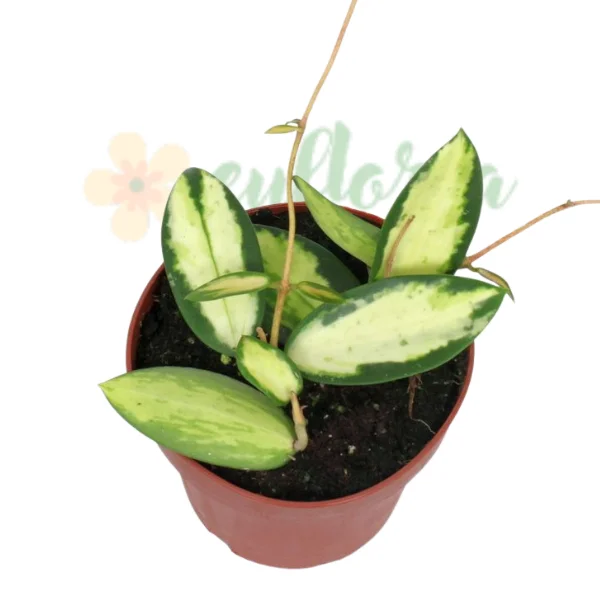
The leaves of this Hoya are of medium size, with a characteristic oval shape and a waxy texture classic for the genus. The intense greenery, combined with the plant's sober appearance, makes it suitable for collectors who appreciate discreet, elegant beauty.
🌍 Origin from Central Java
Java is one of the most densely populated islands in the world, but still preserves important areas of tropical forest — especially in the central mountains and in natural reserves. Purbalingga, the town from which this Hoya originates, is located in Central Java province, at the foot of Mount Slamet, an active volcano at 3428 m altitude. The surrounding forests represent an ideal habitat for epiphytic Hoyas.
The climate in Purbalingga is characterized by average temperatures between 22°C and 30°C, high relative humidity (70-85%), and abundant precipitation concentrated in the rainy season (November-March). Local Hoyas have adapted to these conditions, developing tolerance to humidity variations and short dry periods.
The legal propagation of Hoya sp. Purbalingga is carried out through specialized Indonesian nurseries that respect conservation regulations. Commercialized plants come exclusively from vegetative propagation, not from wild harvests — an important distinction for the ethics of collecting rare plants.
🌱 Visual Features
- Medium oval leaves — 5-8 cm long, 3-5 cm wide.
- Intense green, tending toward dark — waxy, glossy texture.
- Discreet central veins — do not contrast strongly with the lamina.
- Flexible climbing stems — adaptable to support or basket.
- Moderate growth — typical of Hoyas from mountain areas.
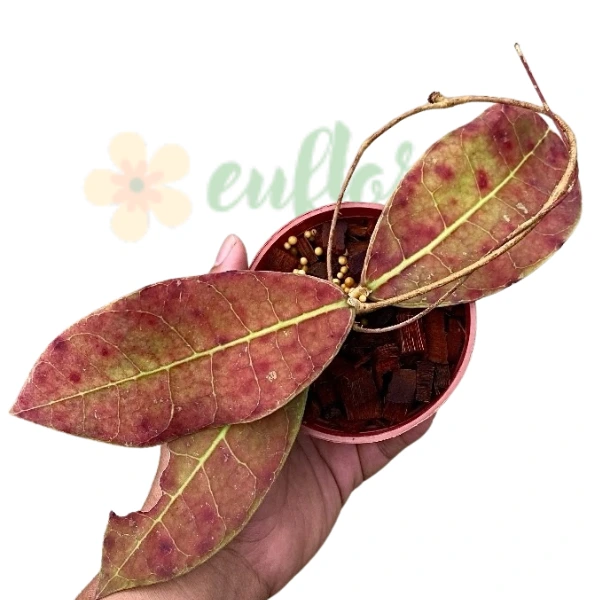
- Young leaves with slightly reddish reflections — indicator of adequate light.
- Compact, efficient roots — prefer small pots.
🌸 Flowering
Information about the flowering of Hoya sp. Purbalingga is limited, coming from private collectors who have managed to bring it to flowering in cultivation. Reports indicate umbels of 15-20 small, star-shaped, waxy flowers, in white-cream tones with a reddish or yellow center. The scent is sweet, perceptible in the evening and at night.
The essential rule: flower peduncles are NEVER cut — from them, flowering will occur year after year. Cutting = postponing flowering by years. This simple detail transforms a mediocre collection into a constantly blooming one.
Flowering stimulation: strong indirect light, cyclic dry-wet, nitrogen reduction in spring, day-night temperature difference in autumn.
🌱 Care Requirements
- Light: bright indirect. East/west window ideal.
- Watering: substrate almost completely dry between waterings.
- Humidity: 55-75%.
- Temperature: 18-28°C. Minimum 15°C in winter.
- Substrate: very airy — orchid + perlite + coco.
- Fertilization: diluted liquid 1/2, every 3-4 weeks.
- Pot: small, tight. Repotting every 2-3 years.
- Support: moss pole or hanging basket.
🤚 Authenticity and Traceability
All plants offered on Eufloria.ro come from verified Dutch sources, with complete phytosanitary documentation for import into the European Union. Taxonomic verification is done before listing. For collectors building a collection focused on Indonesian Hoyas, sp. Purbalingga is a rare and valuable addition — alongside other "sp." species from Java, Sumatra, and Borneo.
Each plant is individually inspected before shipping. Transport is carried out in optimal conditions, with protective packaging and controlled temperature where appropriate.
💡 Tips for the First Weeks
Immediately after receiving, place the plant in a space with 60%+ humidity, without direct sun. Do not water for 3-5 days if the substrate arrives slightly damp — transport stresses the plant, and excess water is the main cause of loss in these first days. After 2-3 weeks of acclimation, you can gradually transition to the normal care routine.
For experienced collectors, sp. Purbalingga integrates easily into a collection of Indonesian Hoyas. It can be cultivated in the same enclosure with other rare Hoyas, having similar requirements. Avoid direct contact with other plants in the first weeks to prevent the spread of any potential pests.
🔎 Why "sp." Hoyas Are Prized by Collectors
The designation "sp." (for species) is used when a botanist identifies a plant as belonging to a genus but cannot assign it a known species. This can mean either that the species is new (still undescribed), or that the available material is insufficient for formal identification. For Hoyas, many "sp." plants are actually new species — their scientific description is delayed because specialized botanists in the genus are few, and the taxonomic publication process takes years.
For collectors, this means two things: first, you own a genuine rarity — a plant that does not yet have an official name; second, its taxonomic value may increase over time as the species is described. Some collectors keep "sp." plants for years, waiting for the official name to be published, at which point the plant becomes documented and more easily identifiable.
How do I care for Hoya sp. Purbalingga?
Where does Hoya sp. Purbalingga come from?
Is it toxic to pets?
What substrate do you recommend?
How do I encourage blooming?

Ai nevoie și de un ghiveci decorativ?