EN/
EN/ Romana
Hoya sp. Pagar Alam
![Hoya sp. Pagar Alam - rare plant from South Sumatra [0]](https://gomagcdn.ro/domains2/eufloria.ro/files/product/medium/hoya-sp-pagar-alam-524287.png "Hoya sp. Pagar Alam - rare plant from South Sumatra [0]")
![Hoya sp. Pagar Alam - rare plant from South Sumatra [1]](https://gomagcdn.ro/domains2/eufloria.ro/files/product/medium/hoya-sp-pagar-alam-933040.png "Hoya sp. Pagar Alam - rare plant from South Sumatra [1]")
![Hoya sp. Pagar Alam - rare plant from South Sumatra [1]](https://gomagcdn.ro/domains2/eufloria.ro/files/product/original/hoya-sp-pagar-alam-524287.png "Hoya sp. Pagar Alam - rare plant from South Sumatra [1]")
![Hoya sp. Pagar Alam - rare plant from South Sumatra [2]](https://gomagcdn.ro/domains2/eufloria.ro/files/product/original/hoya-sp-pagar-alam-933040.png "Hoya sp. Pagar Alam - rare plant from South Sumatra [2]")
Hoya sp. Pagar Alam is a rare species from South Sumatra, Indonesia. Its elegant leaves and fragrant flowers make it an outstanding collector's piece for tropical plant lovers.
Pot diameter: (no pot)
- Description
- Reviews (0)
- FAQ
🌿 Hoya sp. Pagar Alam — A New Hoya from the Bukit Barisan Mountains
Hoya sp. Pagar Alam is a Hoya not yet scientifically described, initially collected from the Pagar Alam region, located in South Sumatra province, Indonesia, at the foot of the Bukit Barisan mountains. The "sp." (species) designation shows that botanists have not yet officially classified this species — an authentic rarity for Hoya collectors who build collections based on documented Indonesian plants.
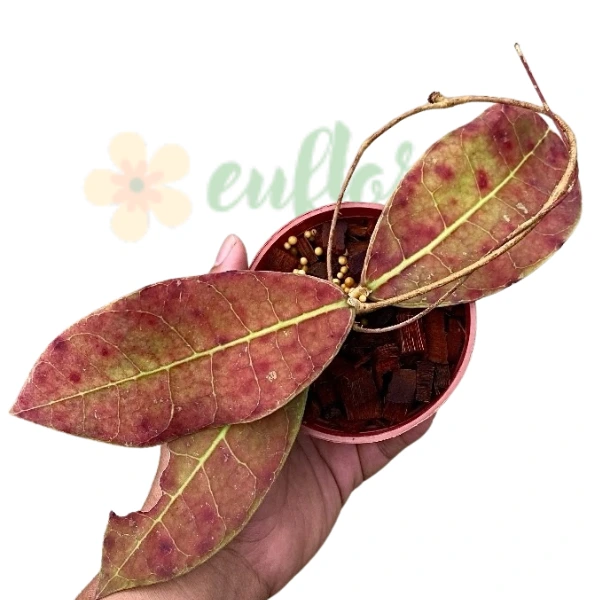
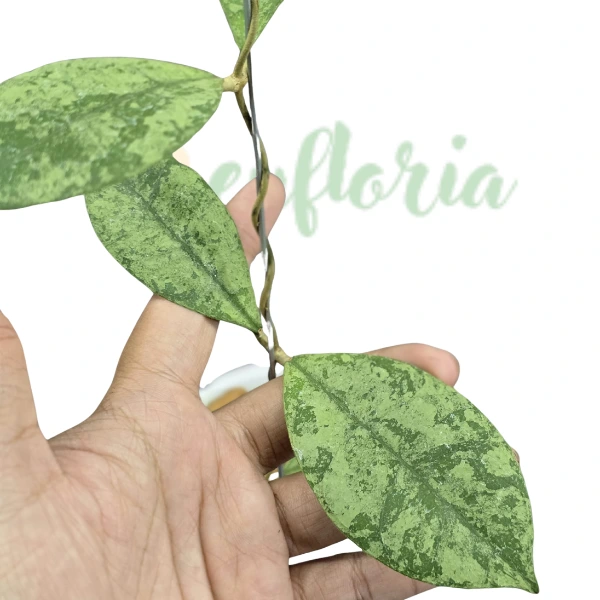
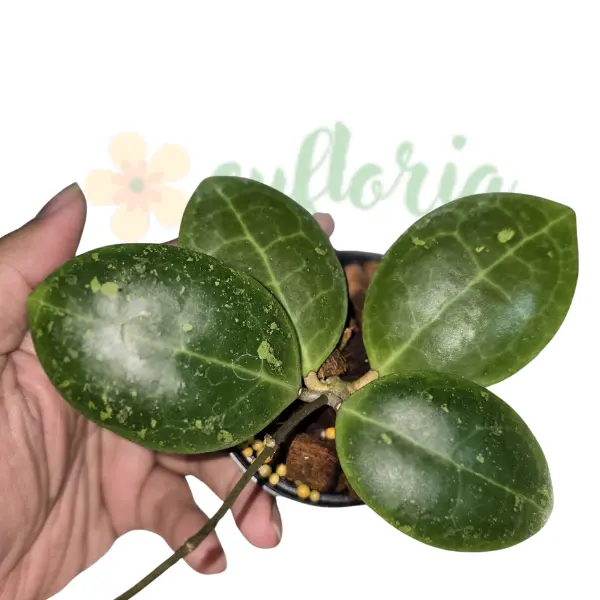
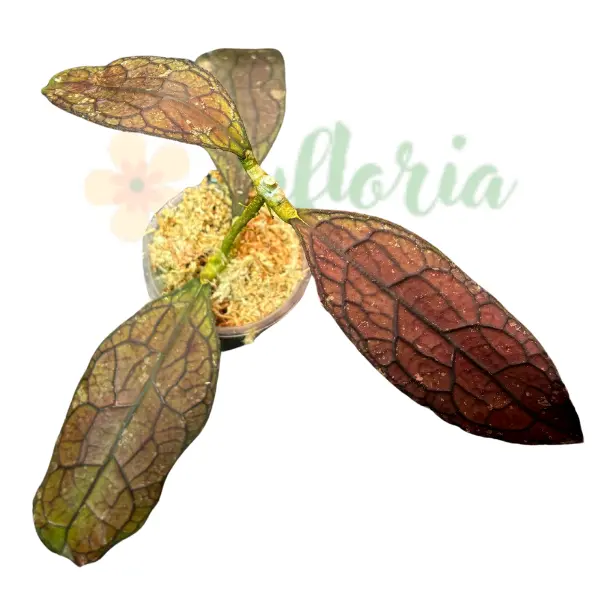
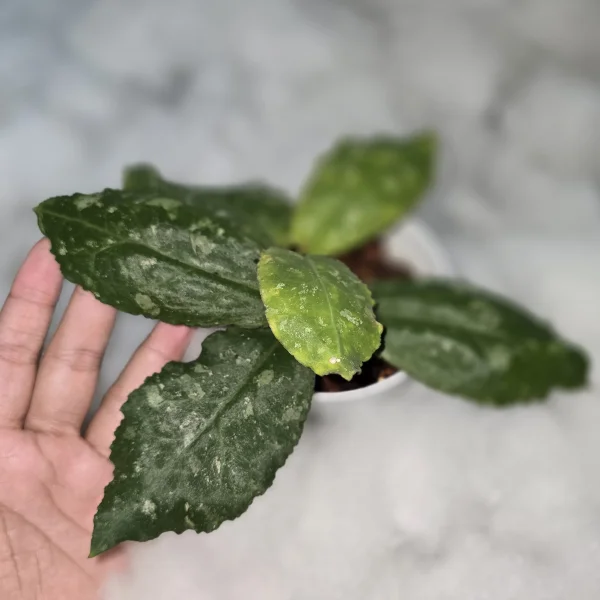
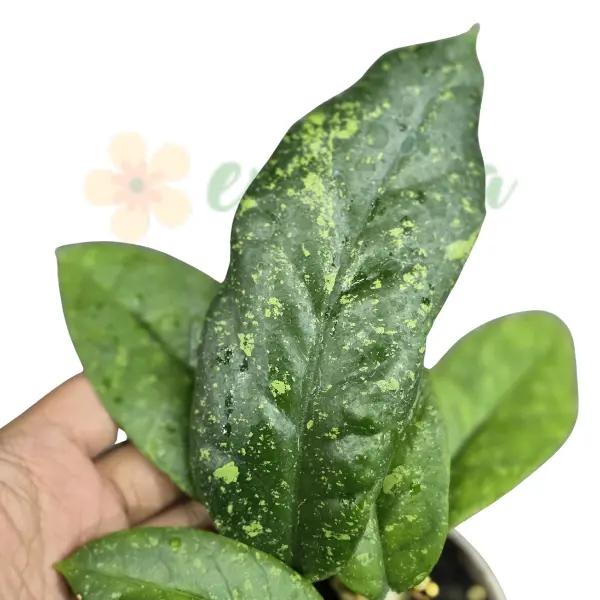
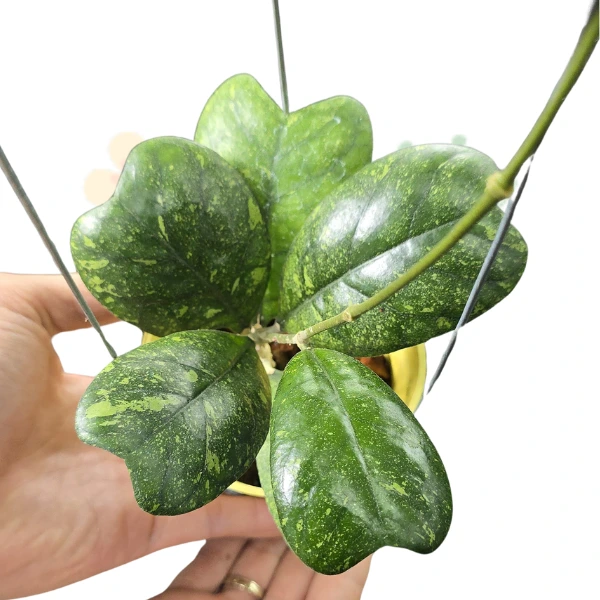
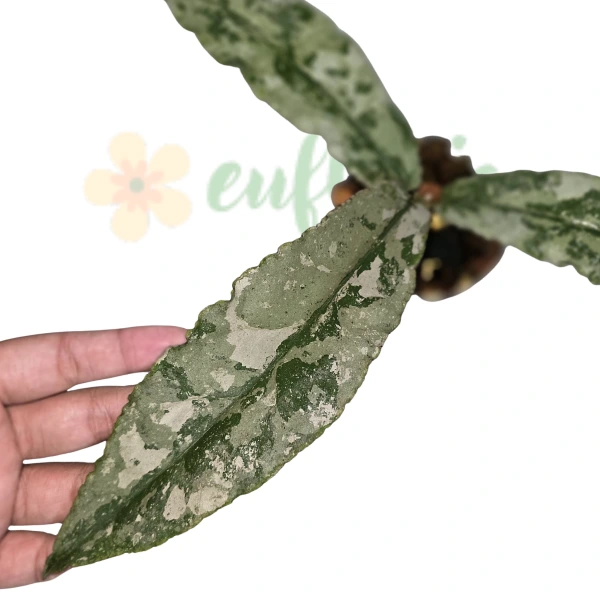
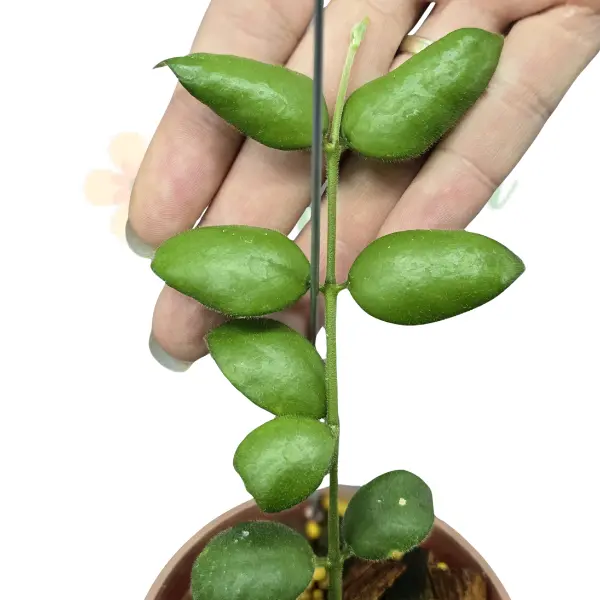
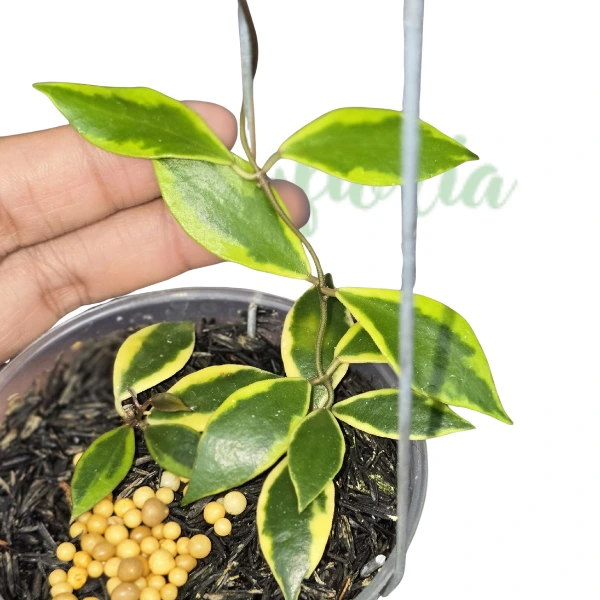
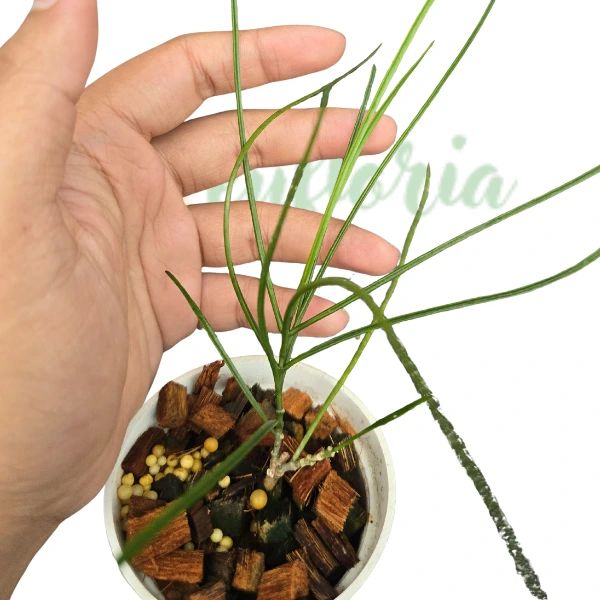
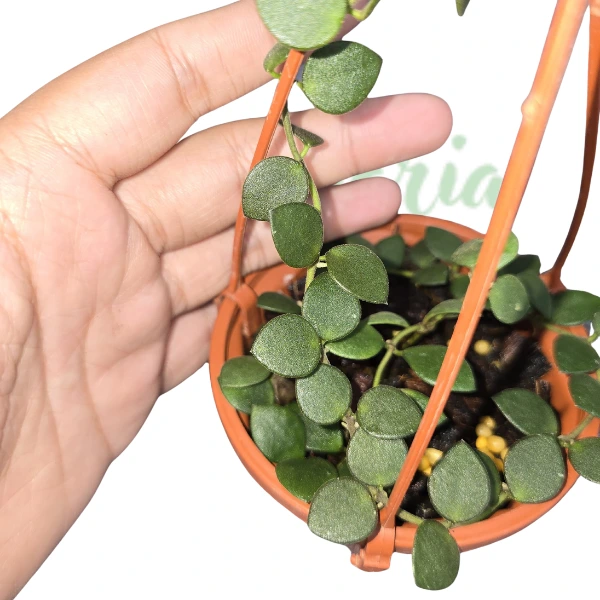
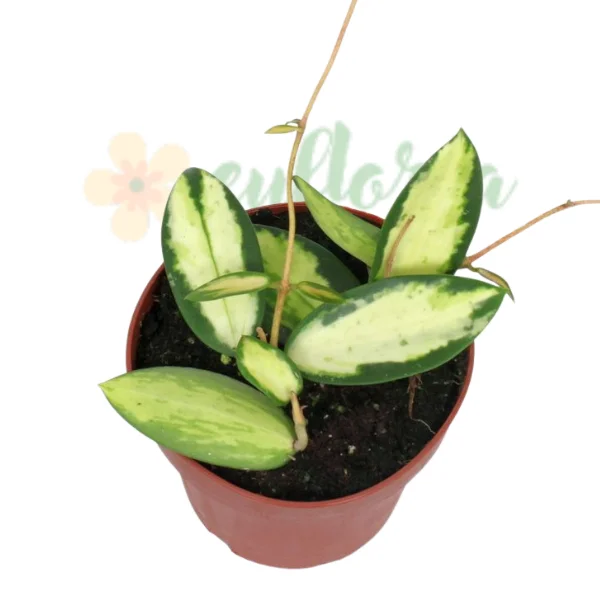
The leaves are of medium size, with oval-elongated shape and a firm, waxy texture. The dark, slightly glaucous green hue indicates adaptation to areas of higher altitude and light filtered through dense canopy.
🌍 Origin from Pagar Alam — Mountainous Sumatra
Pagar Alam is a town located at the foot of Mount Dempo (3173 m), in a region with tropical mountain climate. The average altitude is 700-1000 m, and the surrounding forests represent a typical habitat for epiphytic Hoyas adapted to more moderate temperatures and constantly high humidity (80-90%). Average temperatures range between 18°C and 26°C, without severe cold seasons.
These mountainous conditions shaped the plant's adaptations: the leaves are firmer and thicker than species from low-altitude forests, and the plant tolerates slight temperature variations. In cultivation, these characteristics translate into a plant easier to maintain than many strictly tropical Hoyas.
South Sumatra is still relatively underexplored botanically for the Hoya genus. Many local populations have been cataloged recently through collaboration with Dutch and Indonesian botanists, but the formalization of taxonomic descriptions is delayed. Hoya sp. Pagar Alam falls into this category — valuable genetic material, awaiting official publication.
🌱 Visual Features
- Oval-elongated leaves — 6-10 cm long, 3-5 cm wide.
- Dark green, slightly glaucous — hue typical of mountain Hoyas.
- Firm, waxy texture — leaves are thicker than low-altitude species.
- Visible central veins — contrast discreetly with the lamina.
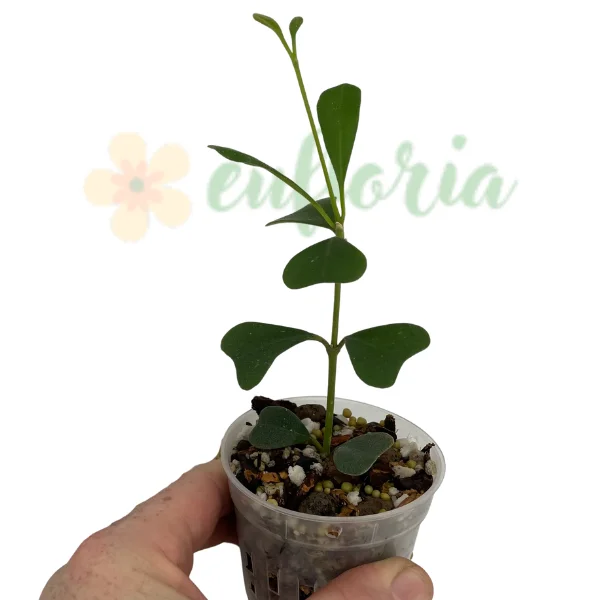
- Flexible climbing stems — adaptable to support or basket.
- Moderately slow growth — typical of mountain Hoyas.
- Resistance to minor temperature variations — advantage for growers with non-temperature-modulated spaces.
🌸 Flowering
Information about the flowering of Hoya sp. Pagar Alam is limited, coming from private collectors. Reports indicate umbels of 15-25 small flowers (under 1 cm in diameter), star-shaped, waxy, in white-cream tones with a pink or red center. The scent is sweet, perceptible especially in the evening and at night, when the flowers are fully open.
Essential tip: DO NOT cut the flower peduncles (the short stalks supporting the umbels). From the same flower base, Hoya will bloom repeatedly season after season. These peduncles grow gradually over time and can reach 5-10 cm in length after years, supporting increasingly generous umbels.
Flowering stimulation: strong indirect light, nitrogen reduction in fertilizer in spring, day-night temperature difference of 4-6°C in autumn (stimulates floral bud differentiation).
🌱 Care Requirements
- Light: bright indirect, east/west window. Tolerates strong filtered light.
- Watering: substrate almost completely dry between waterings. Every 7-10 days in summer, 14-20 in winter.
- Humidity: 55-75% ideal. Tolerates 50%.
- Temperature: 17-28°C — accepts slightly lower limits due to mountain origin. Minimum 14°C in winter.
- Substrate: airy — orchid bark + perlite + coco.
- Fertilization: liquid 1/2, every 3-4 weeks during active season.
- Pot: small, root-bound.
- Repotting: 2-3 years, only 2 cm larger.
🤚 A Valuable Addition for Collectors
Hoya sp. Pagar Alam is a rare plant, available only through specialized collector networks and verified nurseries. For collectors building a collection focused on Indonesian Hoyas, it is an excellent addition — bringing geographical and genetic diversity, with a mountainous origin that differentiates it from low-altitude species.
All plants sold on Eufloria.ro come from verified Dutch sources, with complete phytosanitary documentation for import into the European Union. Taxonomic verification is done before listing, to avoid confusion with other similar sp. species.
💡 Tips for Acclimation
Place the plant in a space with 60%+ humidity and moderate indirect light for the first 2-3 weeks. Do not water until the substrate is completely dry — mountain Hoyas are more sensitive to water excess than tropical ones. After the acclimation period, you can transition to normal routine.
Being a mountain Hoya, sp. Pagar Alam responds well to small temperature variations between day and night. If you have the possibility, maintain a difference of 3-5°C — this not only simulates the habitat but also stimulates flowering.
🔎 The Value of "sp." Species in Conservation
Collectors who maintain "sp." plants in cultivation concretely contribute to biodiversity conservation. For species still officially undescribed, specimens in private collections may represent the only documented genetic resource outside the natural habitat. Photographic documentation of the plant's evolution, flowering, and morphological characteristics contributes to future scientific description.
How do I care for Hoya sp. Pagar Alam?
Where does Hoya sp. Pagar Alam come from?
Is Hoya sp. Pagar Alam toxic?
What substrate is suitable?
Can it be grown in a hanging pot?

Ai nevoie și de un ghiveci decorativ?