EN/
EN/ Romana
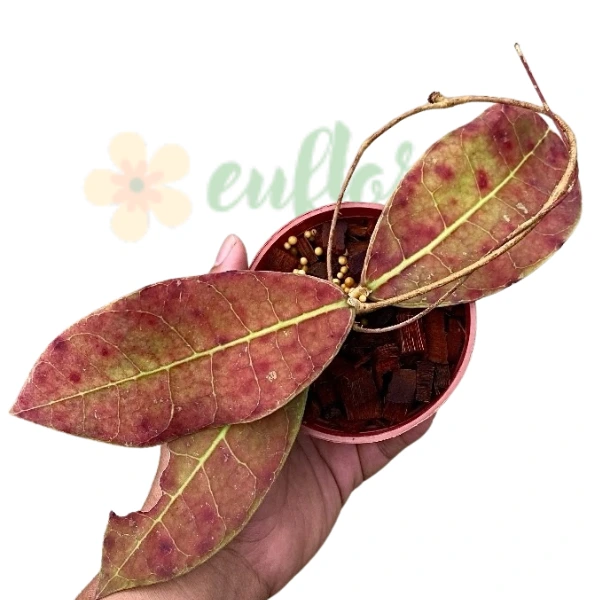
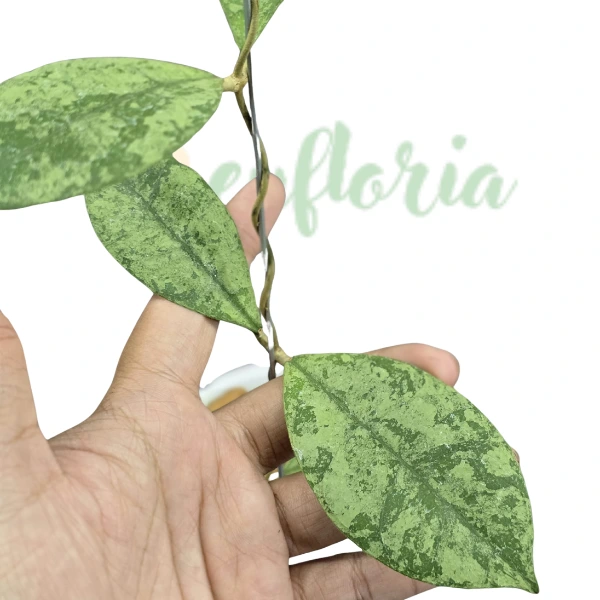
Hoya sp. Mini Mamasa
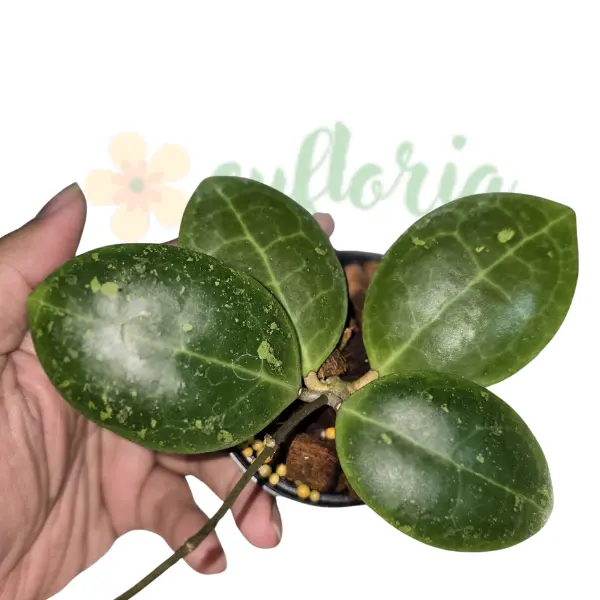
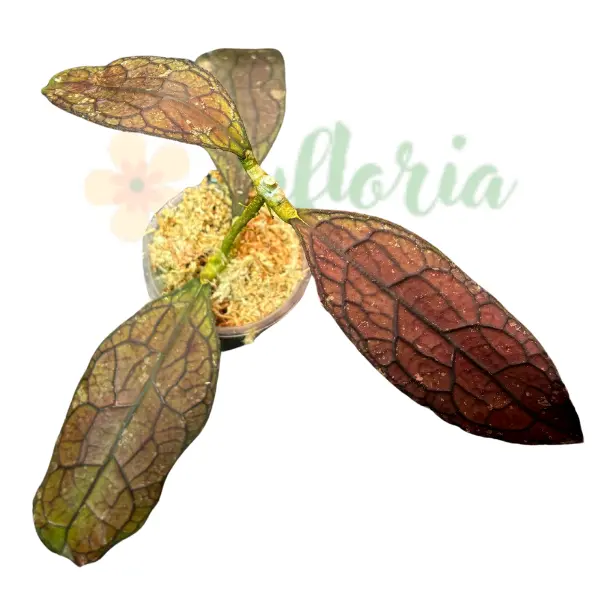
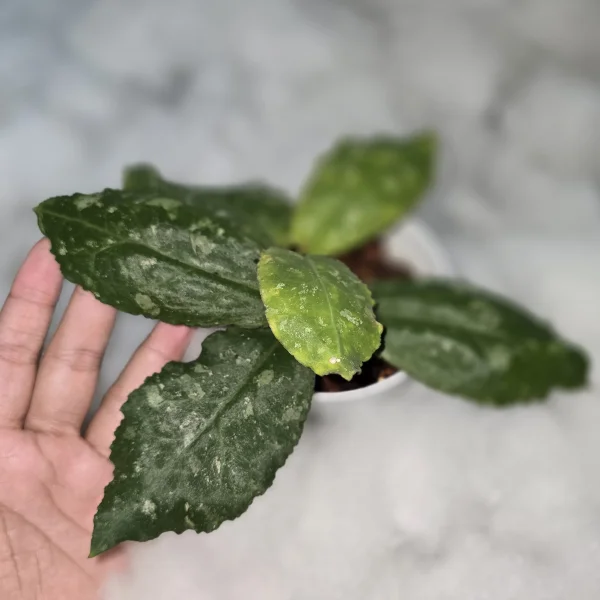
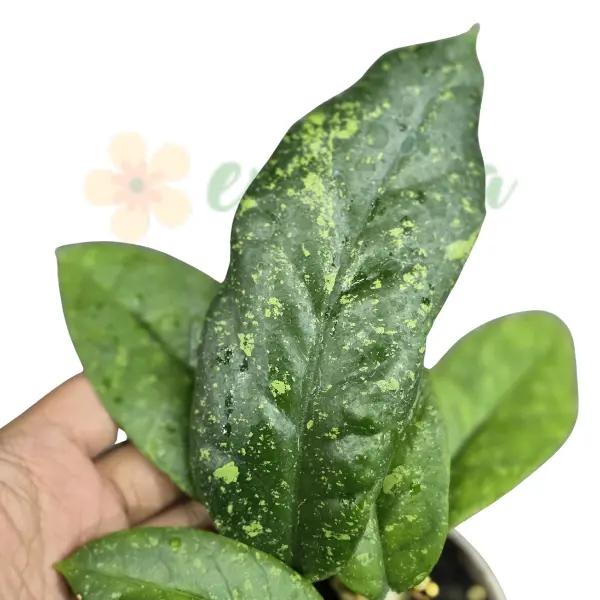
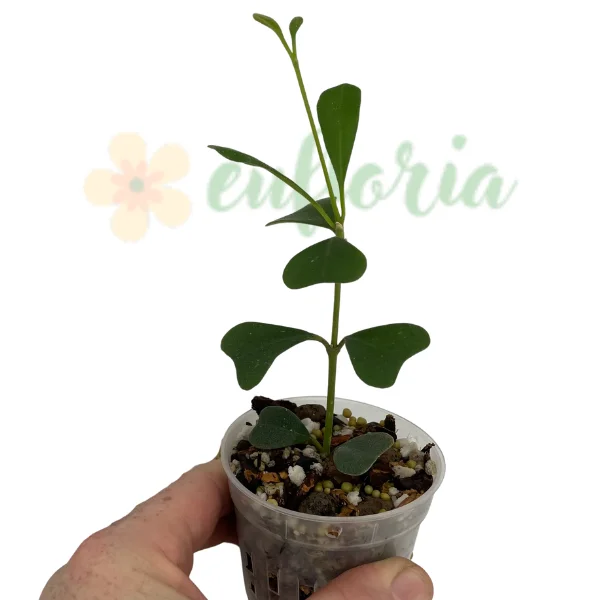
![Hoya sp. Mini Mamasa - rare miniature plant from Sulawesi [1]](https://gomagcdn.ro/domains2/eufloria.ro/files/product/original/hoya-sp-mini-mamasa-619067.png "Hoya sp. Mini Mamasa - rare miniature plant from Sulawesi [1]")
Hoya sp. Mini Mamasa is a rare miniature species from Sulawesi, Indonesia. Its small, compact leaves make it ideal for terrariums and exotic plant collections.
Pot diameter: (no pot)
- Description
- Reviews (0)
- FAQ
🌿 Hoya sp. Mini Mamasa — A Botanical Miniature from Sulawesi
Hoya sp. Mini Mamasa is a Hoya not yet scientifically described, remarkable for its very small leaf dimensions — hence the "Mini" prefix in the commercial name. The species was initially collected from the Mamasa region, located in West Sulawesi province, Indonesia, in a mountainous area with humid tropical climate. It is a perfect plant for collectors who appreciate miniature Hoyas and are looking for diversity of shapes in their collection.
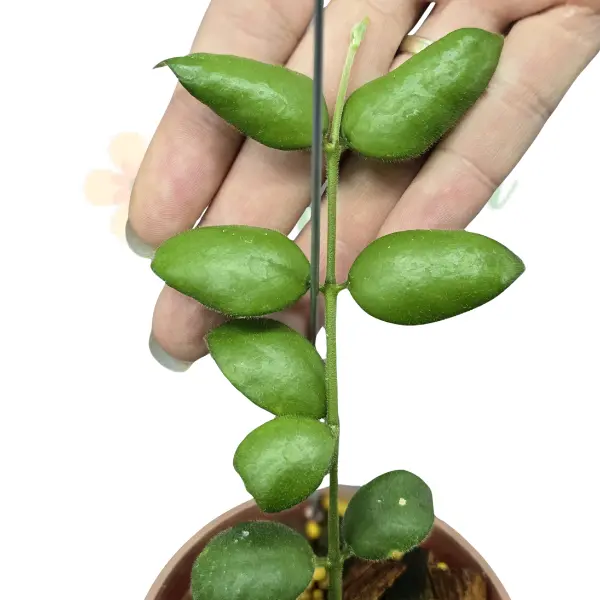
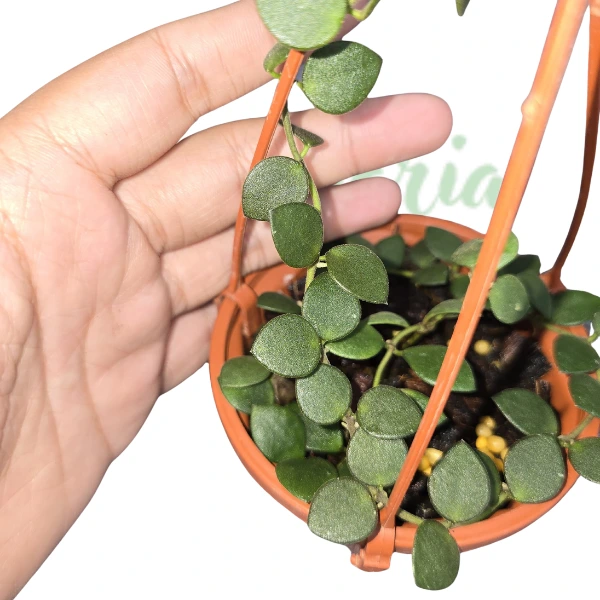
The leaves are small, rounded, with a firm and glossy texture. The reduced size makes the plant ideal for limited spaces, miniature cultivation systems (terrarium, wardian case), or collectors who want to accumulate many species in a restricted area.
🌍 Origin from Sulawesi — An Archipelago of Biodiversity
Sulawesi, formerly known as Celebes, is the eleventh-largest island in the world. Its strange shape, with four peninsulas, has created multiple ecologically isolated areas — each with its own endemic species. Mamasa is a mountainous region in the west of the island, at an altitude of 1100-1400 m and a tropical mountain climate, with average temperatures lower than coastal areas.
The mountain forests of Mamasa host an extraordinarily diverse epiphytic flora, dominated by orchids, epiphytic ferns, and Hoyas. Many of the local species are still undescribed, and active botanical research continues today, discovering new orchid and Hoya species each year.
The plant's mountain origin gives it tolerance to moderate temperatures (17-25°C) and day-night variations. These conditions are easier to recreate at home than the requirements of strictly tropical low-altitude Hoyas.
🌱 Visual Features
- Miniature, rounded leaves — 2-4 cm diameter, almost circular.
- Intense glossy green — waxy, firm texture.
- Very short internodes — 1-2 cm between leaves, giving the plant a compact appearance.
- Thin, flexible stems — easily adapt to vertical support or basket.
- Slow growth — typical of miniature Hoyas.
- Fine, compact roots — prefer very small pots (6-8 cm diameter).
- Ornamental appearance — suitable for terrarium, closed-case cultivation system.
🌸 Flowering
Information about the flowering of Hoya sp. Mini Mamasa is limited, most coming from private collectors. Reports indicate umbels of 8-15 very small flowers (0.5-1 cm), star-shaped, waxy, in white-cream tones with a darker center. The scent is sweet, typical for Hoya, but due to the small size, the flowers are less aromatic than larger species.
The peduncle rule: NEVER cut the flower peduncles (the short stalks supporting the umbels). From them, flowering will repeat year after year. In miniature species, peduncles are often very discreet (only 1-2 cm), but their productivity is remarkable.
Flowering stimulation: strong indirect light, cyclic dry-wet, nitrogen reduction in spring.
🌱 Care Requirements
- Light: bright indirect. Can tolerate slightly less light than larger Hoyas, due to small leaves.
- Watering: substrate almost dry between waterings. Every 7-10 days in summer, 14-18 in winter. Attention — small pots dry faster.
- Humidity: 55-75% ideal. Grows excellently in terrarium.
- Temperature: 17-26°C. Tolerates lower limits due to mountain origin.
- Substrate: very airy — fine orchid bark, perlite, coco. Excellent drainage.
- Fertilization: diluted liquid 1/4, every 3-4 weeks. Miniatures consume little.
- Pot: very small (6-8 cm). Stimulates flowering.
- Repotting: rarely, every 3-4 years.
🤚 Ideal for Collectors with Limited Space
Hoya sp. Mini Mamasa is a perfect choice for collectors who have limited space but want to collect as many different species as possible. In a 60x40x40 cm terrarium, you can successfully cultivate 5-10 miniature Hoyas, each in its own small pot. This is an increasingly popular approach among urban collectors in Europe.
All plants sold on Eufloria.ro come from verified Dutch sources, with complete phytosanitary documentation for import into the European Union. Taxonomic verification is done before listing.
💡 Terrarium Cultivation Tips
If you plan to cultivate sp. Mini Mamasa in a terrarium, ensure moderate ventilation (not completely closed) to prevent root rot. A closed environment increases humidity but reduces air circulation — the solution is partial ventilation through slits or a small USB fan for continuous exchange. Watering is rarer in a terrarium (every 10-14 days), and the substrate must be extra-draining.
Illuminate with specific horticultural LED (5000-6500K) 10-12 hours a day. Optimal distance from the light source: 20-30 cm. This ensures the intensity needed for maintaining color and stimulating flowering.
📚 Cultivation of Miniature Hoyas — A Growing Niche
Miniature Hoyas are a rapidly growing niche in the collector community. Species such as H. bilobata, H. pallilimba, or many from the "sp. mini" group are becoming increasingly sought after due to the ease with which they can be grown in small apartments, in terrariums, or in horizontal lighting systems. The main advantage is the high species density per small area — an entire collection of 20 miniature Hoyas fits on a 1 linear meter shelf.
In terms of maintenance, miniatures require less fertilizer, less water, and less space — but are more sensitive to complete drying. The substrate of a small pot (8 cm) dries in 3-4 days in summer, compared to 7-10 days for large pots. Plan watering accordingly.
How do I care for Hoya sp. Mini Mamasa?
Is it suitable for a terrarium?
Is Hoya sp. Mini Mamasa toxic?
What substrate do you recommend?
How fast does it grow?

Ai nevoie și de un ghiveci decorativ?