EN/
EN/ Romana
Hoya sp. IM-08 Papua Island
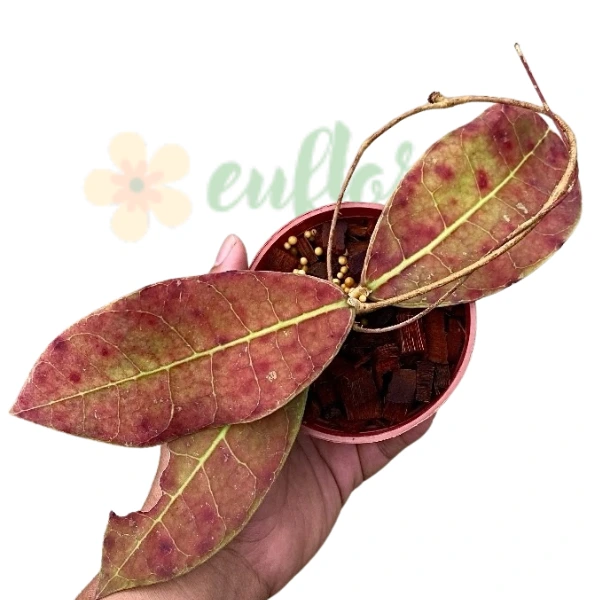
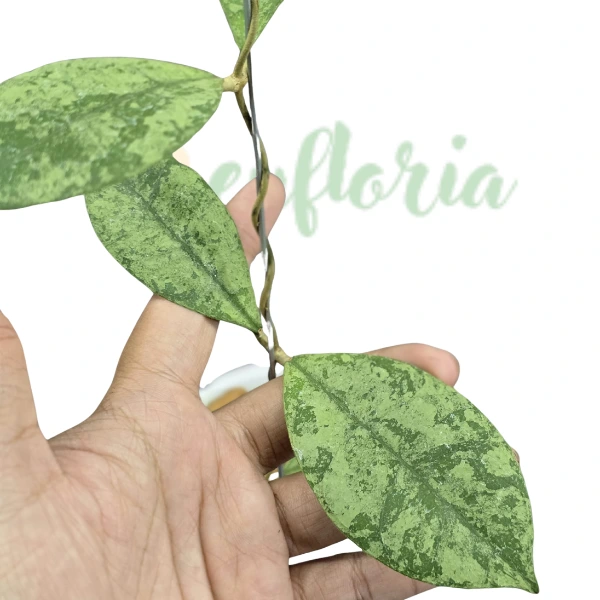
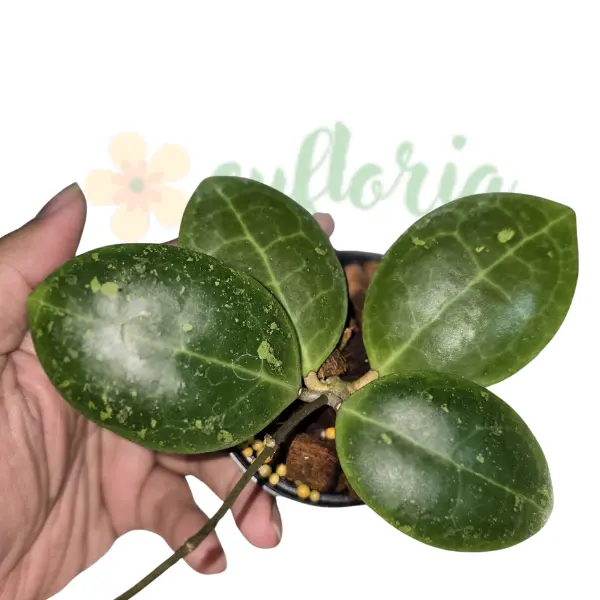
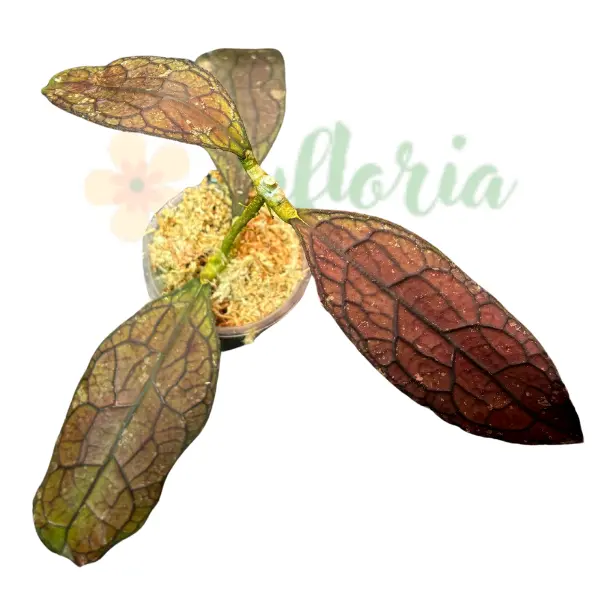
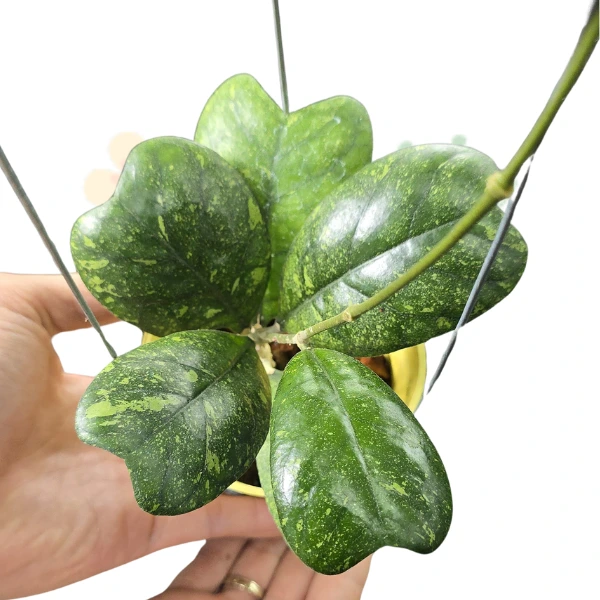
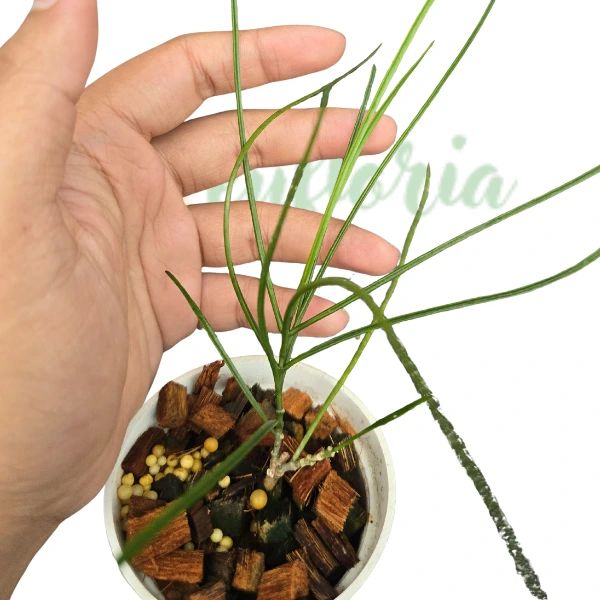
![Hoya sp. IM-08 Papua with deep green leaves [0]](https://gomagcdn.ro/domains2/eufloria.ro/files/product/medium/hoya-sp-im-08-papua-island-785179.png "Hoya sp. IM-08 Papua with deep green leaves [0]")
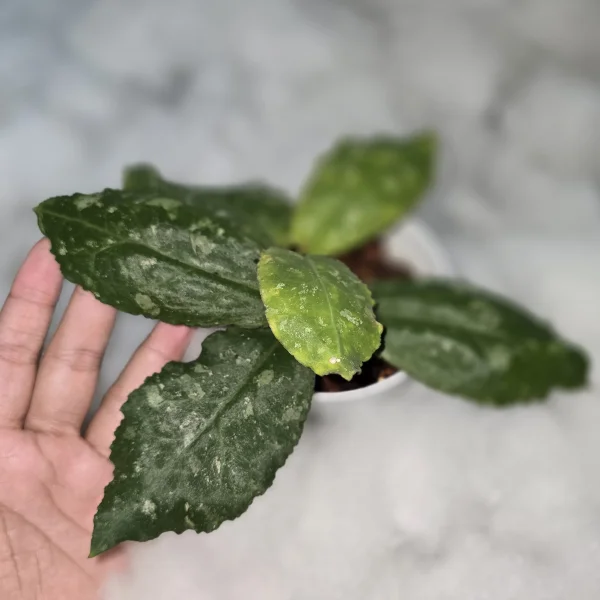
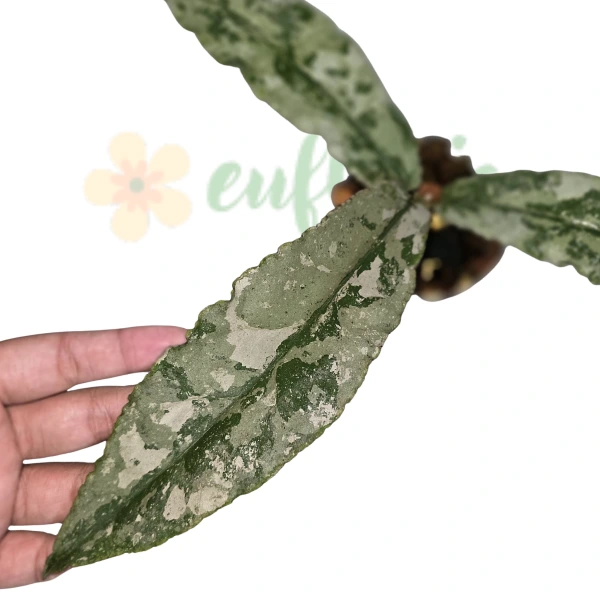
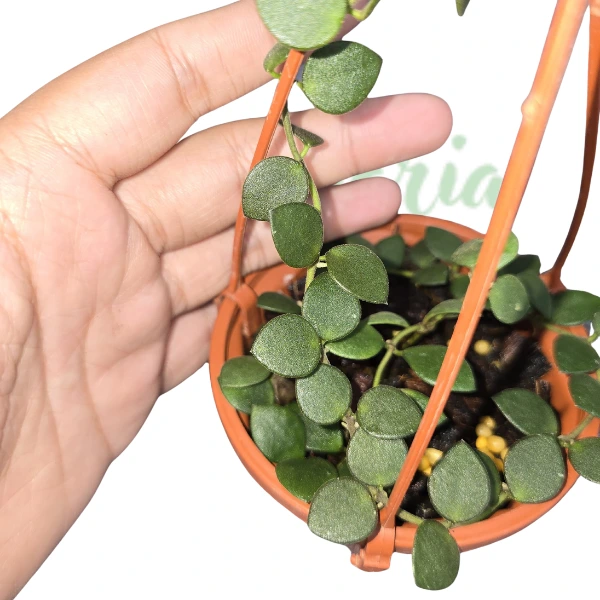
![Hoya sp. IM-08 Papua with deep green leaves [1]](https://gomagcdn.ro/domains2/eufloria.ro/files/product/medium/hoya-sp-im-08-papua-island-077015.png "Hoya sp. IM-08 Papua with deep green leaves [1]")
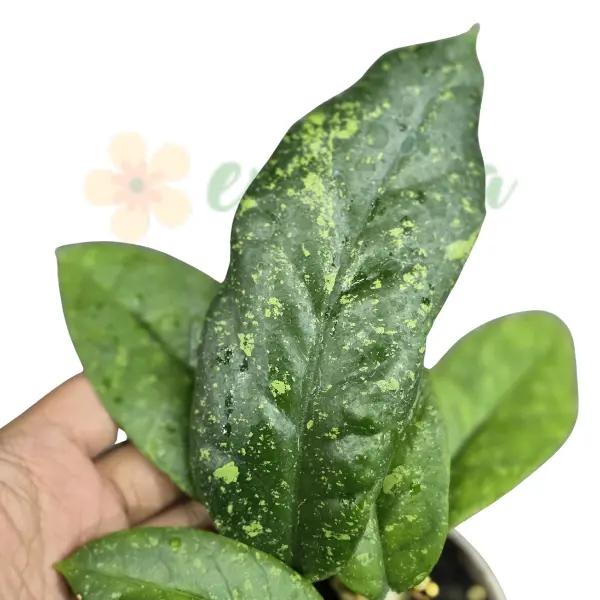
![Hoya sp. IM-08 Papua with deep green leaves [1]](https://gomagcdn.ro/domains2/eufloria.ro/files/product/original/hoya-sp-im-08-papua-island-785179.png "Hoya sp. IM-08 Papua with deep green leaves [1]")
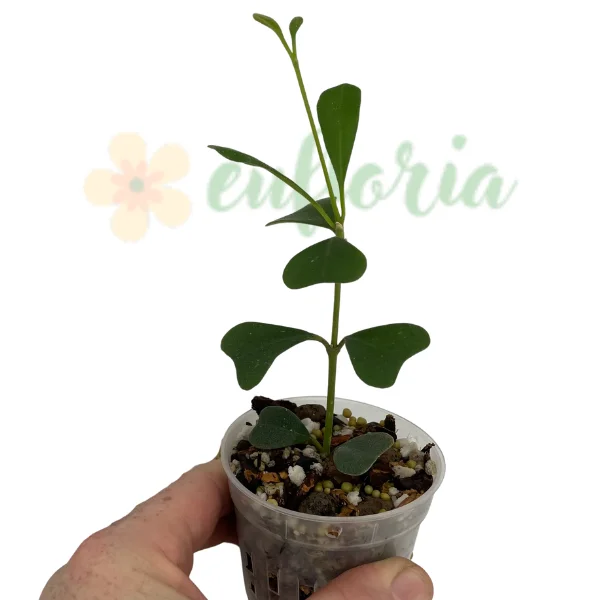
![Hoya sp. IM-08 Papua with deep green leaves [2]](https://gomagcdn.ro/domains2/eufloria.ro/files/product/original/hoya-sp-im-08-papua-island-077015.png "Hoya sp. IM-08 Papua with deep green leaves [2]")
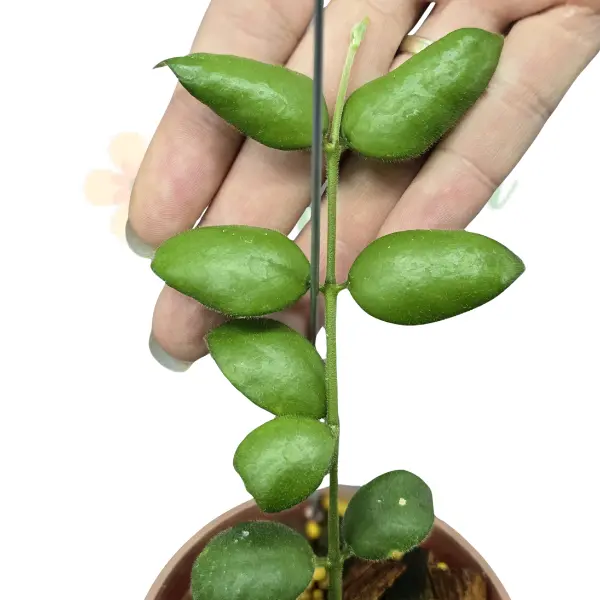
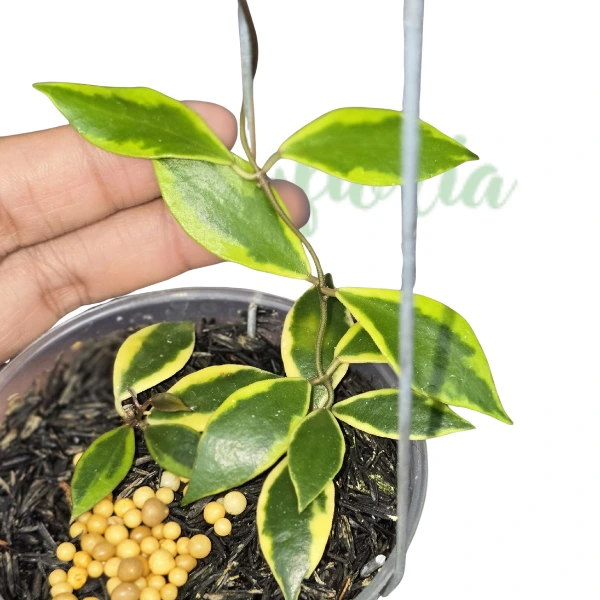
Hoya sp. IM-08 Papua Island — species not yet officially cataloged from Papua, collection code IM-08. Rare piece for advanced collectors.
Pot diameter: (no pot)
- Description
- Reviews (0)
- FAQ
🌿 Hoya sp. IM-08 Papua Island — species not yet cataloged
Hoya sp. IM-08 Papua Island is a species not yet officially registered in botany, collected from Papua (the code "IM-08" is a collection identifier, and "Papua Island" indicates the origin location). Hoya specialists use these codes to track specimens before they receive an official scientific name.
This species has deep green, medium-thickness leaves, with moderate vine growth. Flowers, when they appear, are star-shaped in pink-white shades typical of Papua hoyas. A rare piece for dedicated collectors pursuing new species.
🌍 Origin
Papua island (Papua New Guinea or Indonesian Papua), tropical forests at medium altitude.
🌱 How to care for it
Bright indirect light, humidity 60-85%, temperatures 20-28°C. Very airy substrate. Moderate watering when substrate is nearly dry.
🌸 Flowering
Flowers at maturity, umbels with pink-white star flowers in varied shades. Floral characteristics still being studied.
🌿 Safety
Not toxic to cats, dogs or children. Safe Apocynaceae. Milky sap may irritate skin.
What does IM-08 mean in the plant name?
How do I care for Hoya sp. IM-08?
Is this species toxic?
Will the species be identified in the future?
What substrate do you recommend?
What does the 'IM-08' code mean?
Why doesn't it have a scientific name?
How to care for it?
Is it toxic?
Will it always have a code?

Ai nevoie și de un ghiveci decorativ?