EN/
EN/ Romana
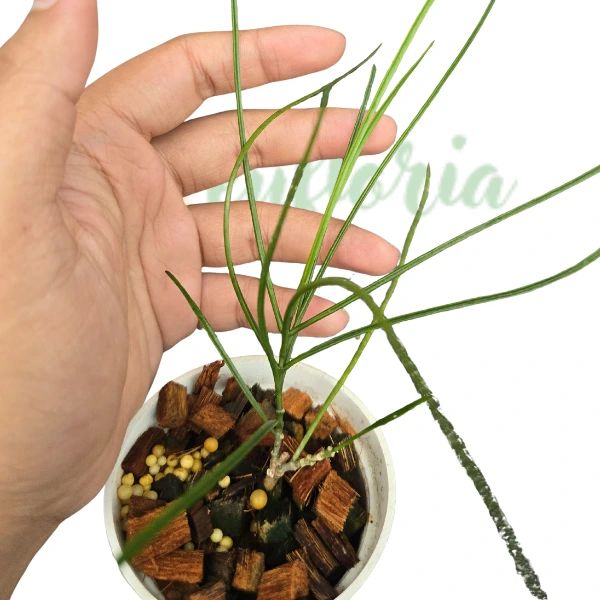
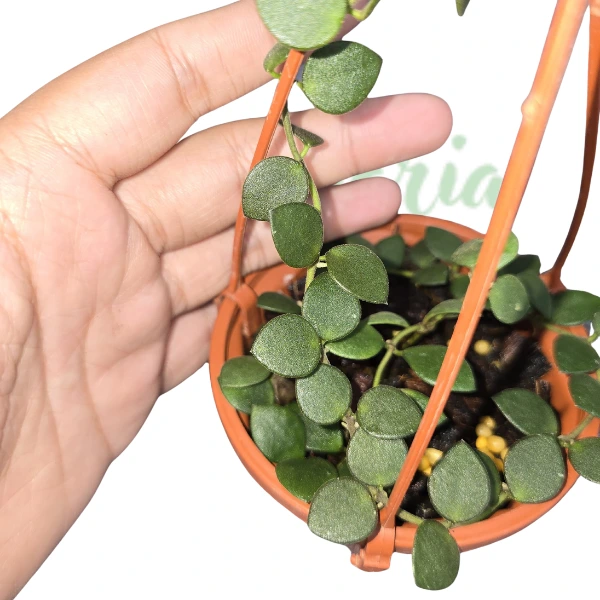
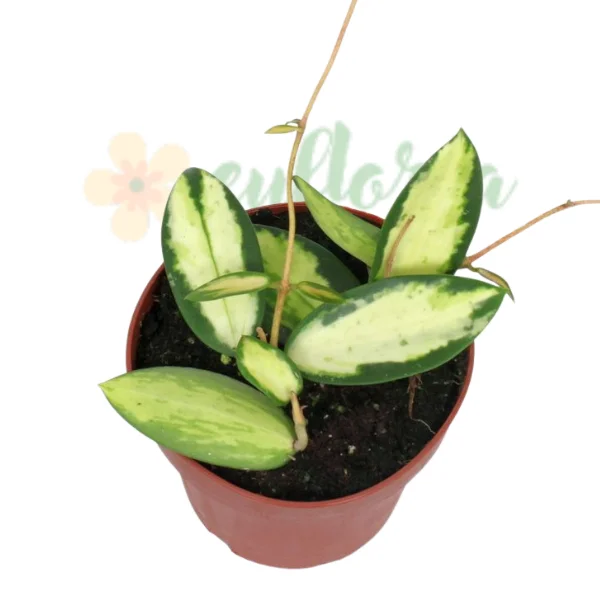
Hoya scortechinii 'Jungle'
![Hoya scortechinii 'Jungle' — rare cultivar with elongated lanceolate deep-green leaves and umbels of pink-magenta star-shaped flowers, collector Hoya [1]](https://gomagcdn.ro/themes/fashion/gfx/no-image.png "Hoya scortechinii 'Jungle' — rare cultivar with elongated lanceolate deep-green leaves and umbels of pink-magenta star-shaped flowers, collector Hoya [1]")
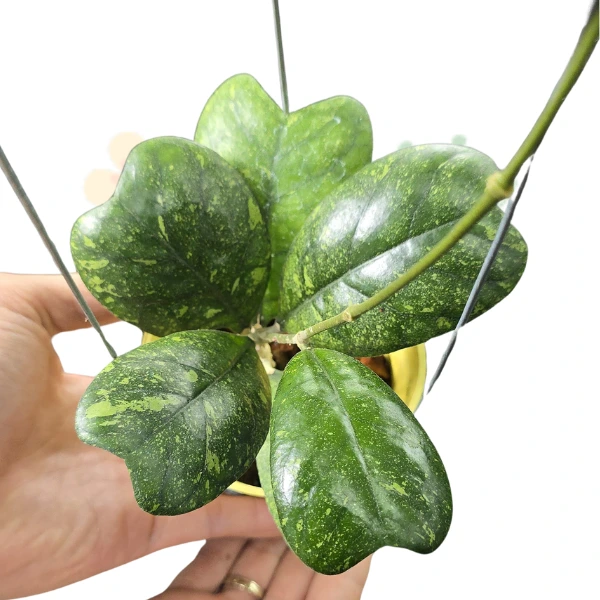
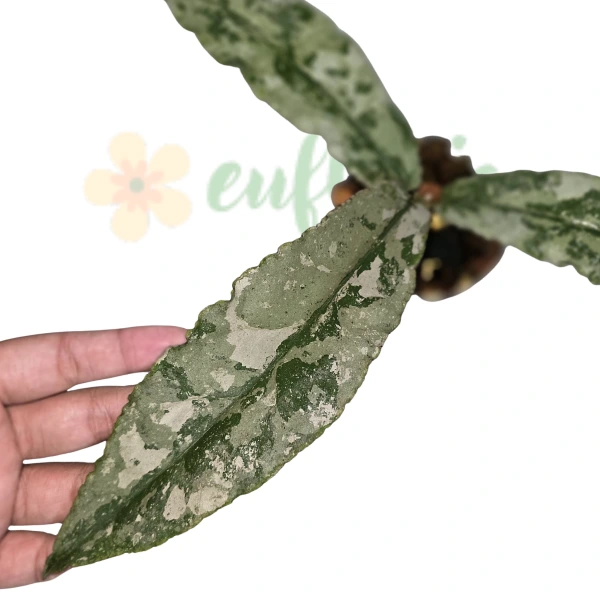
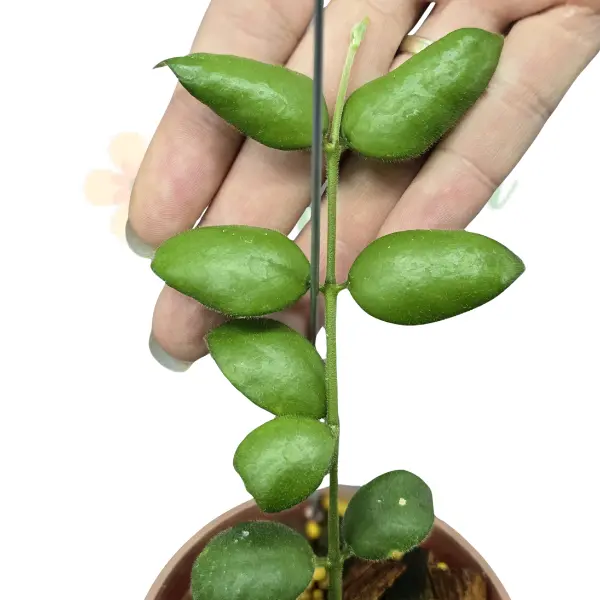
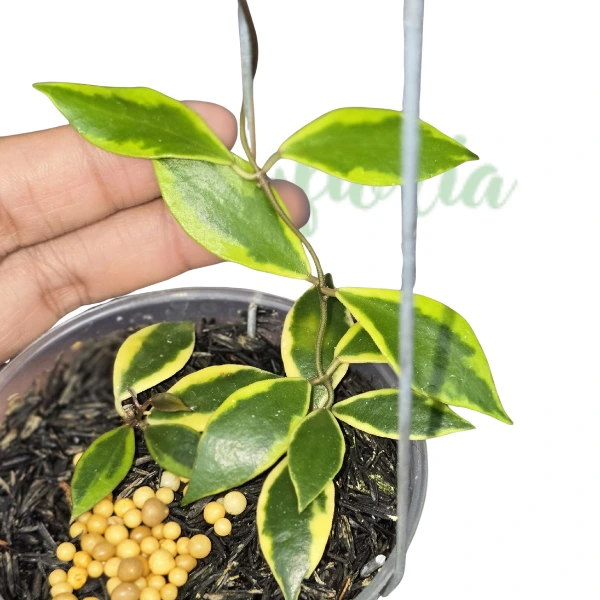
Hoya scortechinii 'Jungle' is a rare collector cultivar from the Apocynaceae family, selected for its intense deep-green foliage with coppery reflections on light-exposed edges. The vining stems support pairs of elongated, lanceolate leaves, while the spectacular umbels of pink-magenta star-shaped flowers add strong chromatic contrast. A species native to Peninsular Malaysia, offered unpotted (pre-order) for serious collectors.
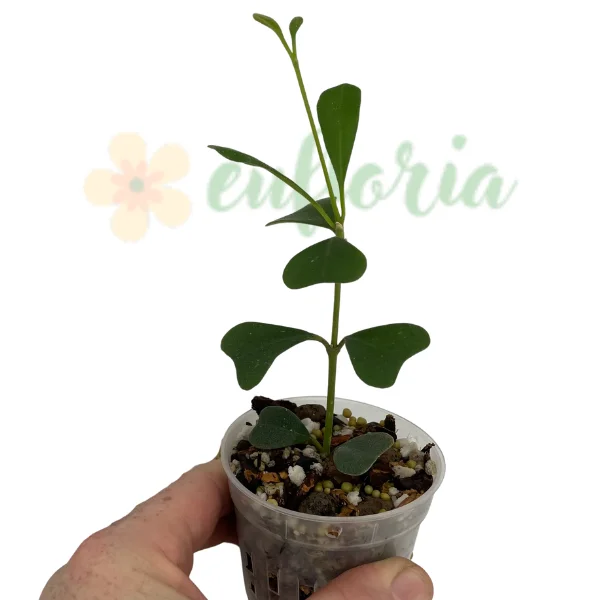
Note: Product images are for guidance only. Due to different batches of imported products, there may be differences between the images on the website and the actual appearance of the products.
Flowering state: No flowers
This plant will be imported after you order. It has a minim mandatory quantity.: If you want to order fewer quantities, contact us for a personalized offer
Pot diameter: (no pot)
- Description
- Characteristics
- Reviews (0)
- FAQ
🌿 Plant Characteristics
Hoya scortechinii 'Jungle' is a selected cultivar of the botanical species Hoya scortechinii, a tropical epiphytic vine from the Apocynaceae family, subfamily Asclepiadoideae. The original species was described by Irish botanist James Britten in 1896, named in honor of Italian naturalist Benedetto Scortechini, who collected plants in the Malay Peninsula during the second half of the 19th century. The 'Jungle' cultivar represents a particular selection with more vigorous growth characteristics and foliage with particularly attractive tones.
The plant originates from tropical forests of the Malay Peninsula (Peninsular Malaysia), northern Sumatra (Indonesia), and southern Thailand, where it grows as an epiphyte on the trunks of tall trees, at altitudes between 500 and 1500 meters. In its natural habitat, it's adapted to conditions of high humidity and light filtered through the forest canopy, with relatively constant temperatures year-round. Aerial roots cling to tree bark, and tendrils can reach considerable lengths when they find proper support.
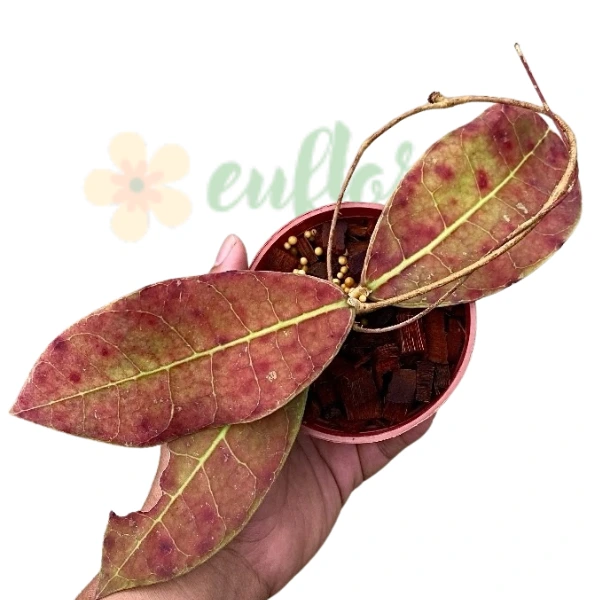
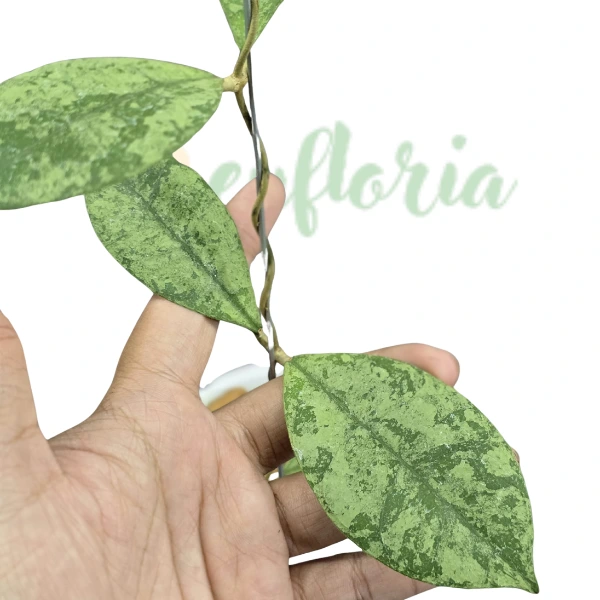
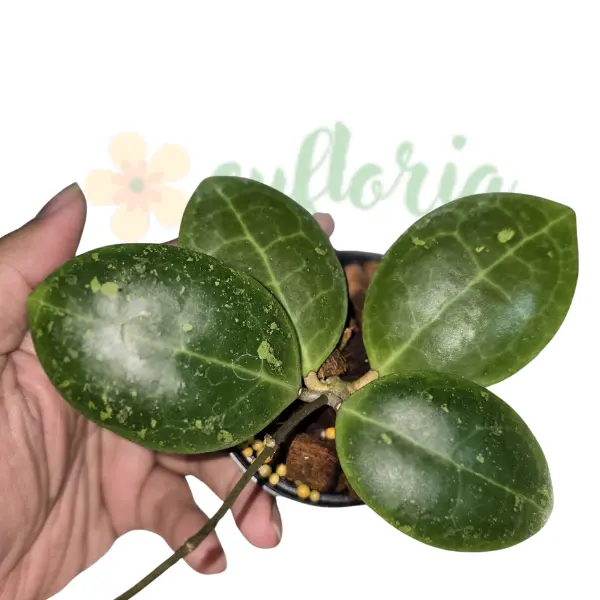
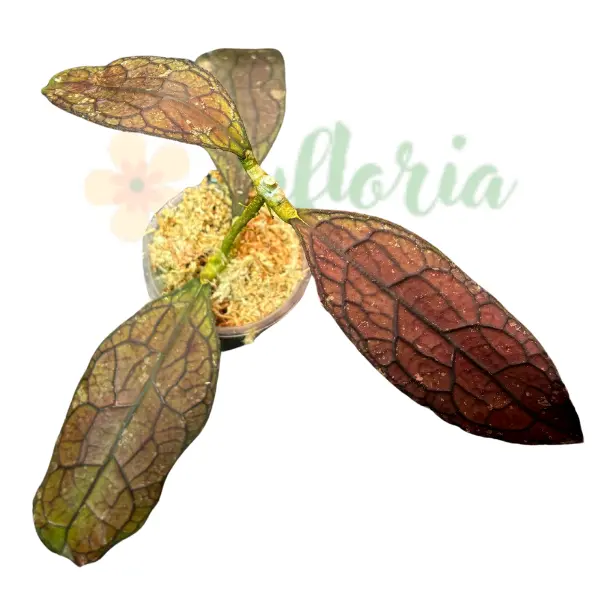
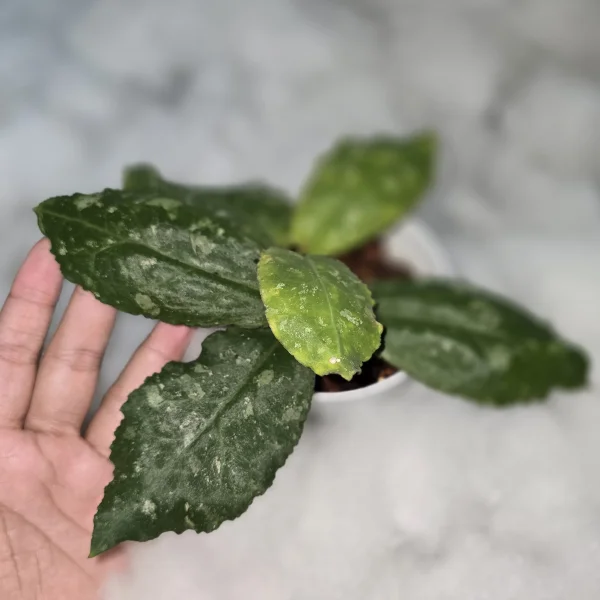
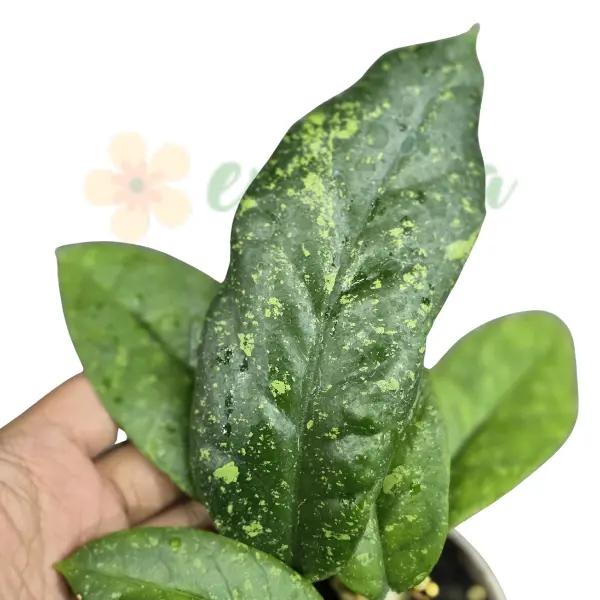
The leaves are elongated, oval, 8–14 cm long and 3–5 cm wide, with slightly pointed tips and a semi-fleshy, slightly waxy surface. Color varies from uniform dark green in low light to green with bronze or almost burgundy tones under stronger exposure — a characteristic appreciated by collectors who intentionally seek this "stressed" color effect. Leaf texture is slightly rigid to touch, with clearly marked median veining.
Flowers appear in compact spherical umbels with 20–35 individual florets, each measuring 8–10 mm in diameter. The corolla color is yellowish-white or cream, with a more intense yellow inner corona and sometimes pinkish accents at the base. The fragrance is sweet-citrus, more intense in the evening and at night — a pollination strategy adapted to attract nocturnal insects in the natural habitat. An umbel can last 5–8 days, and flower peduncles should not be cut after wilting, as they will produce new umbels in subsequent years.
☀️ Light Requirements
Hoya scortechinii 'Jungle' appreciates bright indirect light, with a few hours of gentle morning or late afternoon sun. An east-facing window is ideal, providing strong morning light without the burning rays of summer midday. West-facing windows are also suitable, with attention to evening sun intensity which can sometimes be more aggressive than morning sun.
This plant is one of the Hoya that benefits significantly from some direct sun exposure — leaves develop that characteristic bronze or almost burgundy coloring when they receive 2–3 hours of filtered sun daily. This isn't harmful stress but an adaptive response indicating anthocyanin production, protective pigments that enhance long-term plant health.
On south-facing windows, use sheer curtains or move the plant 1–1.5 m from the glass. Signs of sunburn are whitish or brown dry patches on leaf areas directly exposed to sun — if they appear, immediately move the plant to a more filtered light area. On strong summer days, provide partial shade between 11 AM and 4 PM.
For active growth and consistent flowering, provide 12–14 hours of light daily. In winter months when natural light dramatically decreases, supplement with a full-spectrum LED lamp (minimum 30W, 6500K) positioned 30–40 cm above the plant. This prevents etiolation (elongated, weak growth) and maintains the plant's overall health for the following season.
💧 Care and Watering
Hoya scortechinii 'Jungle' prefers a moderate watering schedule, similar to other species with semi-fleshy leaves. Water every 7–10 days in spring and summer, carefully checking the substrate before each watering. The essential principle is "water when the top 3–4 cm of substrate are dry" — not on a fixed calendar. Leaves store moisture, so occasional drying is much better tolerated than waterlogging.
In winter, reduce frequency to every 14–21 days, adapting to specific home conditions. If temperature drops below 18°C and light is reduced, the plant enters vegetative semi-dormancy and consumes much less water. Excessive watering during this period is catastrophic — the fine, fragile roots rot quickly in cold, permanently moist substrate.
Ideal water is decanted 24 hours (for chlorine evaporation), filtered through a simple water filter, or collected rainwater. Tap water with high limescale content leaves white deposits on substrate and can alkalize the soil long-term, disrupting nutrient absorption. Water temperature should be identical to room temperature — cold water shocks sensitive roots.
Ideal atmospheric humidity is 60–75%, higher than for many other Hoya with succulent leaves. In apartments with dry air (below 45%), use an electronic humidifier, place a pebble tray with water under the pot, or create a "plant huddle" by grouping 3–5 plants together, which will create a common humid microclimate. Avoid placing directly in front of radiators or air conditioning.
Regular fertilization is crucial for this species. Use a balanced fertilizer for epiphytes (NPK 3-1-2 or similar) diluted by half, applied monthly from April through September. In winter, completely suspend fertilization or reduce to once every 8–10 weeks. To stimulate flowering, use a fertilizer rich in phosphorus and potassium (NPK 1-3-3) during bud formation period, typically in early spring.
Foliar feeding (spraying diluted fertilizer directly on leaves) can be a useful supplement during active growth periods. Hoya leaves have specialized cells that can absorb nutrients directly through stomata and cuticle. Apply early morning or late evening when temperatures are cooler and leaf stomata are more open, avoiding direct sunlight which can cause leaf burns when combined with fertilizer solutions.
🌡️ Temperature and Climate
The optimal temperature range for Hoya scortechinii 'Jungle' is 20–28°C during the day and 16–20°C at night. The plant adapts well to normal apartment variations but prefers thermal stability as much as possible. Large temperature variations from day to day (over 10°C) stress the plant and can cause leaf drop or flower bud abortion.
Avoid temperatures below 15°C for periods longer than a few days — they produce cold lesions on leaves, visible as brown-black patches that don't recover. Below 12°C, the plant risks permanent damage to roots and stems. On very cold winter days, move the plant away from windows and ensure it's not exposed to cold drafts coming through window frames.
In summer, temperatures above 32°C are tolerated only if humidity is sufficiently high (over 60%) and watering is careful. At extreme temperatures, leaves may temporarily become flaccid — it's a defensive mechanism, not a sign of dehydration if substrate is moist. Under such conditions, mist the air around the plant (not directly on leaves) and ensure good ventilation.
A short cooling period (4–6 weeks at 15–18°C) combined with drastically reduced watering stimulates flowering in mature plants that refuse to bloom. This "controlled stress" mimics the dry season in natural habitat and signals the plant that it's time to invest energy in reproduction. The technique is often used by experienced collectors to force first flowering in young plants.
🪴 Pot and Substrate
Hoya scortechinii 'Jungle' requires a very airy and well-draining substrate that mimics natural epiphytic habitat conditions. The ideal recipe is: 40% pine bark (5–15 mm fraction), 25% coarse perlite, 15% coconut fiber or coconut chips, 10% sphagnum moss, 5% horticultural charcoal, and 5% vermiculite. Optimal pH is 5.8–6.5, slightly acidic, which favors optimal nutrient absorption.
Universal substrates for apartment plants are completely unsuitable — they're far too compact and retain excessive water. Their use leads to root rot within 4–8 weeks. Orchid (Phalaenopsis) mixes are a decent alternative, but always add 20–30% additional perlite for even better aeration, specific to Hoya requirements.
Terracotta or porous ceramic pots allow water evaporation through walls, keeping substrate drier — ideal for this species which is sensitive to moisture excess. Choose pots with numerous drainage holes in the bottom and on lower sides. Plastic works but requires increased watering attention, especially for beginners.
Pot size should be only 2–3 cm larger than the root ball. Hoya scortechinii prefers being "rootbound" — not only tolerates this condition but actually blooms better when roots completely fill the pot. Oversized pots retain water in areas not occupied by roots and dramatically increase rot risk.
Repot only every 2–3 years, exclusively in early spring (March-April), or when you see roots protruding abundantly through drainage holes and substrate has visibly degraded. When repotting, handle roots with extreme care — they're fragile and easily break. Inspect for rot signs (soft, black, foul-smelling roots) and cut affected parts with scissors sterilized with isopropyl alcohol.
After repotting, keep the plant in a location with more moderate indirect light for the first 2–3 weeks and water much less than normal. This is the critical adaptation period — the plant may appear to suffer (temporarily wilted leaves or one leaf drop), but it fully recovers in 4–6 weeks if conditions are correct. Avoid fertilization in the first 4 weeks after repotting.
Denumire: Hoya
Cerințe lumină: Lumina indirectă
Tip plantă: Plantă agățătoare
Utilizare: Interior
Tip suport: Ghiveci
Material Suport: Plastic
How do I care for Hoya scortechinii?
How large are the flowers?
Is it toxic?
When does it bloom?
What substrate do you recommend?

Ai nevoie și de un ghiveci decorativ?