EN/
EN/ Romana
Hoya rotundifolia
![Hoya rotundifolia with perfectly round deep green leaves [1]](https://gomagcdn.ro/themes/fashion/gfx/no-image.png "Hoya rotundifolia with perfectly round deep green leaves [1]")
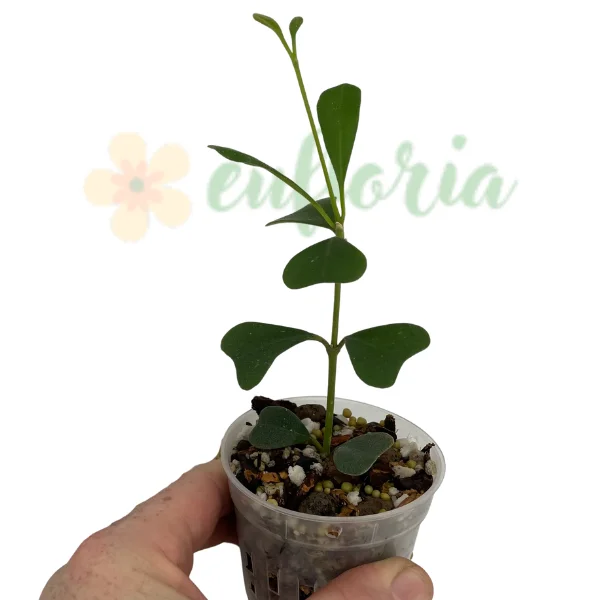
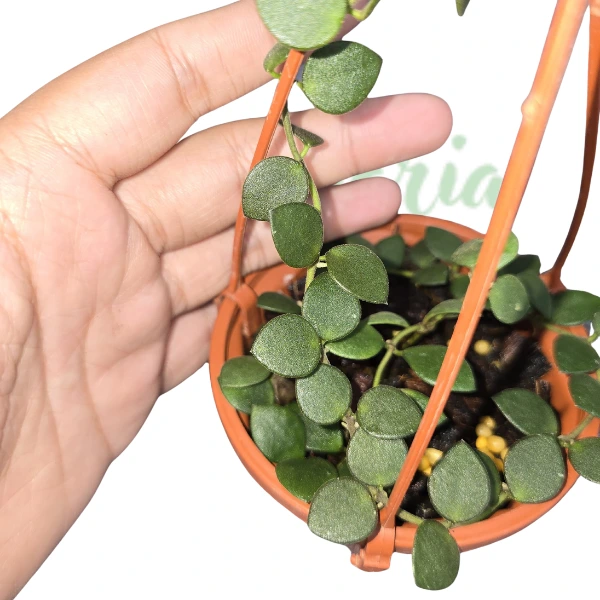
Hoya rotundifolia — unique hoya with perfectly round leaves and compact umbels of yellowish-green star flowers with reddish corona.
Pot diameter: preorder
- Description
- Reviews (0)
- FAQ
🌿 Plant Characteristics
Hoya rotundifolia is a rare tropical epiphytic vine from the Apocynaceae family, subfamily Asclepiadoideae. The scientific name comes from the Latin "rotundus" (round) and "folium" (leaf), perfectly describing the unmistakable appearance of its leaves — perfectly round, almost spherical when young, of an intense green. The species was first described in botanical literature at the end of the 19th century and is considered one of the most distinctive and easily recognizable species in the Hoya genus due to its unique leaf shape.
In its natural habitat, Hoya rotundifolia is found in humid tropical forests of southern Thailand, the Malay Peninsula (Malaysia), Singapore, and the Indonesian archipelago, where it grows epiphytically on the trunks of tall trees at medium altitudes (300–1200 meters). Natural conditions are characterized by high humidity (80–95%), stable temperatures (22–28°C), abundant but intermittent rainfall, and light filtered through the tropical forest canopy.
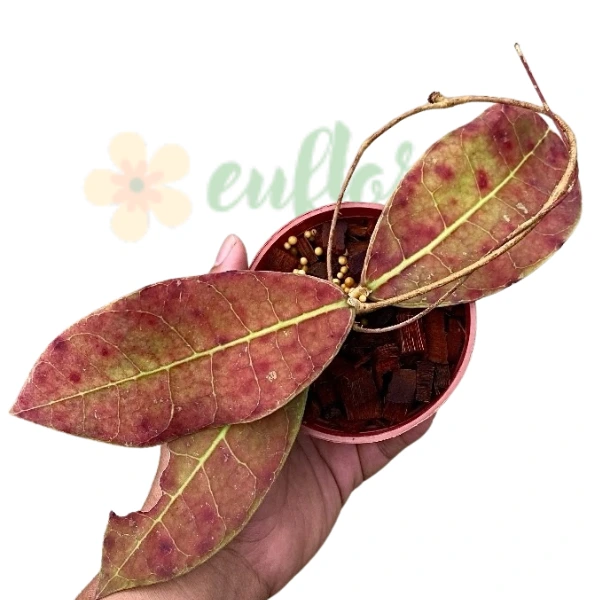
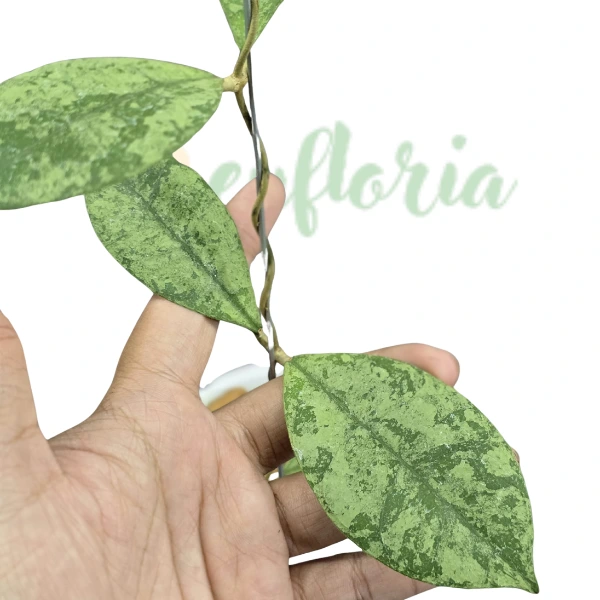
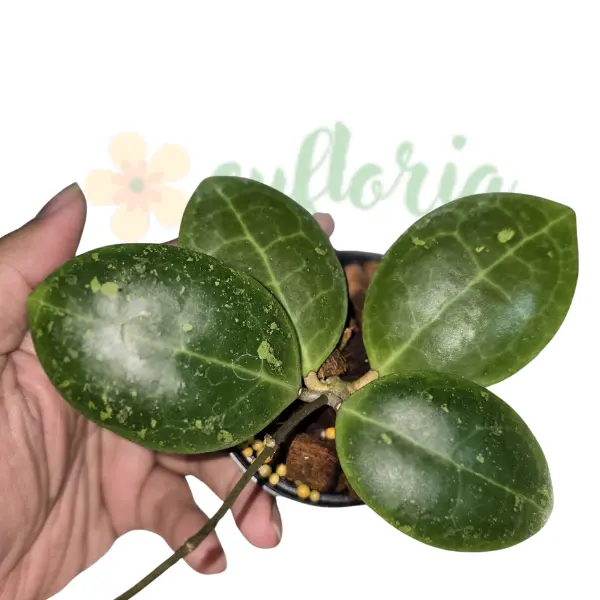
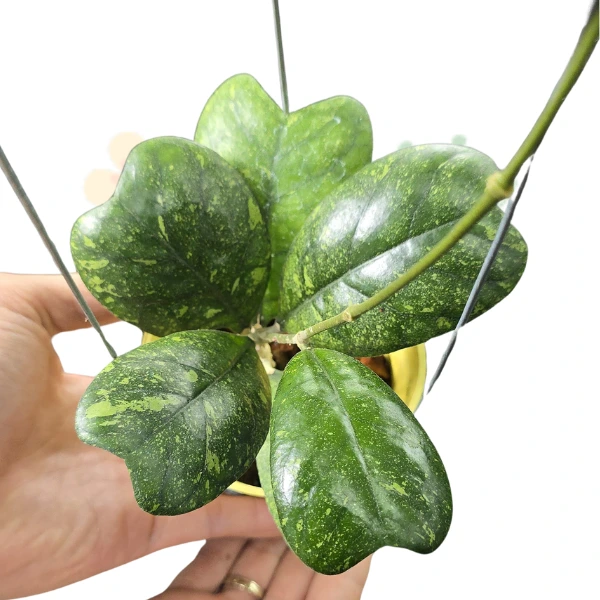
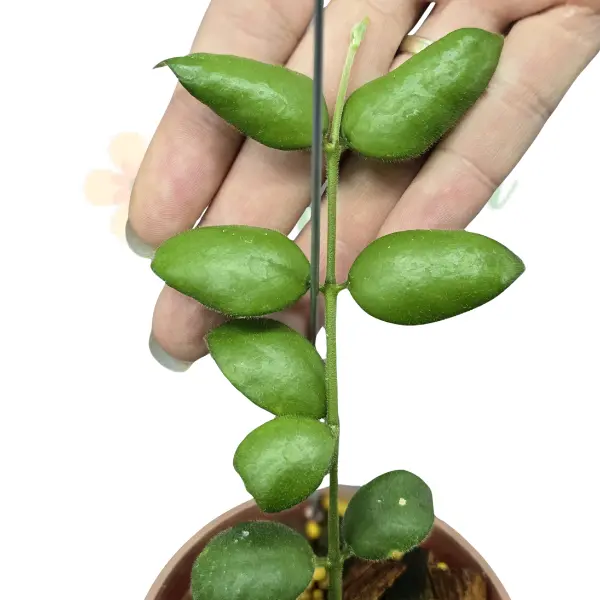
Leaves are perfectly round, 1.5–3 cm in diameter, fleshy, succulent, with an almost rubbery appearance to touch. Color varies from light green to intense olive-green, sometimes with bronze tones under stronger exposure. The surface is smooth, slightly waxy, without spots or marbling — a characteristic that distinguishes it from many other species. Tendrils are delicate, with short distances between nodes, forming compact vines ideal for hanging baskets or small pots with vertical support.
Flowers appear in compact umbels of 5–15 small florets, each measuring only 5–7 mm in diameter. Color is yellow-cream or yellowish-white, with a reddish or pink-violet center. The fragrance is delicate, barely perceptible, but sweet and pleasant, more pronounced in the evening. An umbel lasts 4–7 days, and a mature plant can produce multiple blooming rounds per season on the same peduncles which should never be cut.
☀️ Light Requirements
Hoya rotundifolia prefers bright to medium indirect light, with a minimum of 1–2 hours of gentle morning sun. An east-facing window is ideal, providing strong morning light without the burning rays of midday. On west-facing windows it can manage but with attention to afternoon sun intensity in very sunny summers, which can be excessive for its delicate leaves.
This species is relatively sensitive to direct sun — its round, thick leaves can develop burns quickly if exposed to midday summer sun. Signs of burning are whitish or yellow patches with a brown-dry center, appearing on the most exposed areas. If you observe such signs, immediately move the plant to a location with more filtered light.
At the other extreme, too little light causes round leaves to become paler, tendrils to elongate with large distances between nodes (etiolation), and the plant will never bloom. If you observe these signs, move the plant closer to a bright window or supplement with full-spectrum LED artificial light (minimum 20W, 6500K) positioned 30–40 cm above.
During winter, when natural light dramatically decreases in Romania, supplementing with an LED lamp for 12–14 hours daily keeps the plant active and healthy. Rotate the pot 90 degrees once a week to ensure uniform growth on all sides and prevent the plant from leaning toward a single light source.
💧 Care and Watering
Hoya rotundifolia needs moderate watering, adapted to its thick, succulent leaves. Water every 8–12 days in spring-summer, when the top 3–4 cm of substrate are completely dry to touch. Round, thick leaves store a significant amount of water, making the plant relatively tolerant of short-term drying — on the contrary, waterlogging is catastrophic and quickly leads to rot of fine roots.
In winter, dramatically reduce watering frequency to every 14–21 days or even less frequently if room temperature drops below 18°C. The plant's metabolism slows dramatically in cold conditions, and excess water in cold stagnant substrate is the surest path to losing the plant. The finger test before each watering is essential.
Use water decanted for 24 hours for chlorine evaporation, water filtered through a simple water filter, or rainwater collected in rainy seasons. Hard tap water with high calcium content leaves white deposits on substrate, over time alkalizes the soil, and disrupts nutrient absorption. Water temperature must be identical to room temperature — water too cold shocks fragile roots.
Ideal atmospheric humidity is 60–75%. It's a species that appreciates higher humidity than typical Romanian apartments, especially in winter when radiators dramatically reduce humidity to 25–35%. A modern ultrasonic humidifier is the best investment for a Hoya collection — maintains constant 55–65% humidity with minimal noise.
Fertilization is done monthly from April through September with a balanced fertilizer for epiphytes or orchids (NPK 3-1-2), diluted to a quarter of the concentration on the label. Hoya rotundifolia is a plant with modest nutritional requirements — over-fertilization is a more common problem than deficiency. In winter, completely suspend fertilization or reduce to once every 2 months with very diluted concentration.
Foliar fertilizers sprayed on leaves can supplement root absorption during active growth periods. Use a fine mist early in the morning or late in the evening, avoiding direct sunlight exposure after application. Foliar feeding is particularly useful when roots are stressed from recent repotting or when you suspect substrate nutrient depletion.
🌡️ Temperature and Climate
The optimal temperature range is 20–28°C during the day and 16–20°C at night. Hoya rotundifolia prefers stable temperatures, with large variations not being well tolerated. The plant is strictly tropical, from equatorial zones with relatively constant temperatures year-round, so extreme fluctuations stress it more than some other Hoya species.
Temperatures below 15°C dramatically slow growth, and below 12°C cause permanent leaf damage — brown-black patches that don't recover and, in severe cases, drop of affected leaves. In Romanian apartments in winter, move the plant away from cold windows and ensure that radiators don't blow air too dry directly on it.
In summer, temperatures up to 32°C are tolerated if humidity is adequate (over 60%). Above 32°C, combined with low humidity, the plant may become stressed, with soft leaves and stopped growth. On scorching days, move the plant to a cooler room, mist the surrounding air (not directly on leaves), and water in the evening when temperature decreases.
To stimulate flowering, advanced collectors use a controlled cooling period (4–6 weeks at 15–17°C) combined with very reduced watering, mimicking the transition between wet and dry seasons in the natural habitat. After this period, resuming normal watering and warm temperatures often triggers flower bud initiation within weeks.
🪴 Pot and Substrate
The ideal substrate for Hoya rotundifolia is extremely airy and with excellent drainage, mimicking conditions on tree trunks in the natural habitat. Recommended recipe: 40% pine bark (5–10 mm fraction), 25% coarse perlite, 15% sphagnum moss or coconut chips, 10% coconut fiber, 5% horticultural charcoal, 5% vermiculite. Optimal pH is 5.5–6.5, slightly acidic. Adding a layer of expanded clay at the pot bottom improves drainage.
Universal substrates for apartment plants are completely unsuitable for Hoya rotundifolia — they're too compact, retain too much water, and lead to rapid rot of fine roots. Commercial orchid mixes (Phalaenopsis) are a good alternative, but with mandatory addition of 20–30% perlite for supplementary aeration.
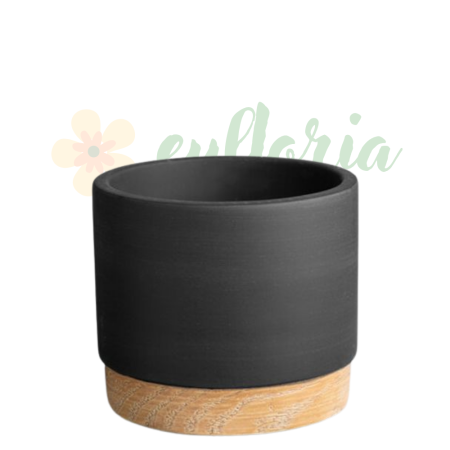
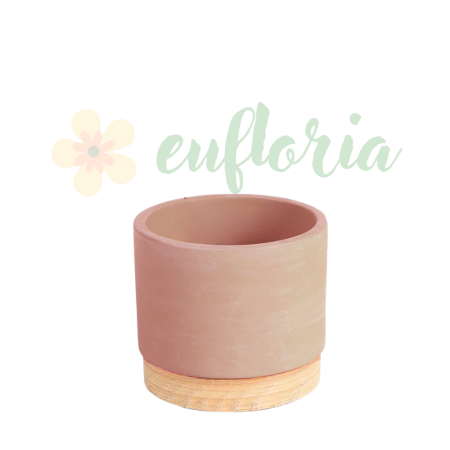
Small terracotta or porous ceramic pots are ideal — they allow water evaporation through walls, keeping substrate drier, and have an aesthetic appearance that matches well with the plant's round leaves. Choose pots only 1–2 cm larger in diameter than the root ball. Hoya rotundifolia blooms much better when "rootbound" in the pot.
Multiple drainage holes are absolutely essential. A pot without adequate drainage will lead to losing the plant within weeks, regardless of how careful watering is. Check the pot before purchase and, if needed, add supplementary holes with a drill suitable for ceramic or plastic.
Repot only every 2–3 years, in early spring (March-April), and only when you see roots coming out through drainage holes or the substrate has degraded and compacted. When repotting, handle the fine roots with extreme care — they're very fragile and break easily. Inspect for rot signs (soft, black, foul-smelling roots) and cut affected parts with sterilized scissors.
After repotting, keep the plant in a location with moderate light for 2–3 weeks, water very moderately (only when substrate is completely dry), and don't fertilize in the first 4 weeks. This is the critical adaptation period — the plant may appear stressed, but fully recovers in 4–6 weeks if conditions are correct and you don't disturb it further.
Experienced Hoya growers often recommend creating a small microclimate around Hoya rotundifolia using a glass cloche, display cabinet, or small greenhouse setup. This maintains the higher humidity the species craves while protecting it from drafts and temperature fluctuations. Many collectors report significantly improved growth rates and more frequent flowering when plants are kept in such controlled environments rather than on open windowsills.
When purchasing Hoya rotundifolia, inspect the plant carefully for signs of pests (mealybugs often hide between leaves at node junctions) and root health. Gently lift the plant from its nursery pot to check for firm, cream-colored roots. Avoid plants with yellowing leaves, soft stems, or mushy bases. During the first 2–3 weeks after arrival, keep the new plant isolated from your collection to observe for any pests or diseases that may manifest during the acclimatization period.
Pest prevention involves regular inspection and maintaining good air circulation. Common threats include mealybugs, scale insects, spider mites, and aphids. Treat infestations early with insecticidal soap, neem oil, or systemic insecticides appropriate for indoor plants. Apply treatments in the evening to avoid leaf burns from sun exposure after application, and repeat every 7–10 days for three applications to break the pest life cycle.
How do I care for Hoya rotundifolia?
Why is it called rotundifolia?
Is it toxic?
Can I grow it as a hanging plant?
What substrate do you recommend?

Ai nevoie și de un ghiveci decorativ?