EN/
EN/ Romana
Hoya nummularioides 'Silver'
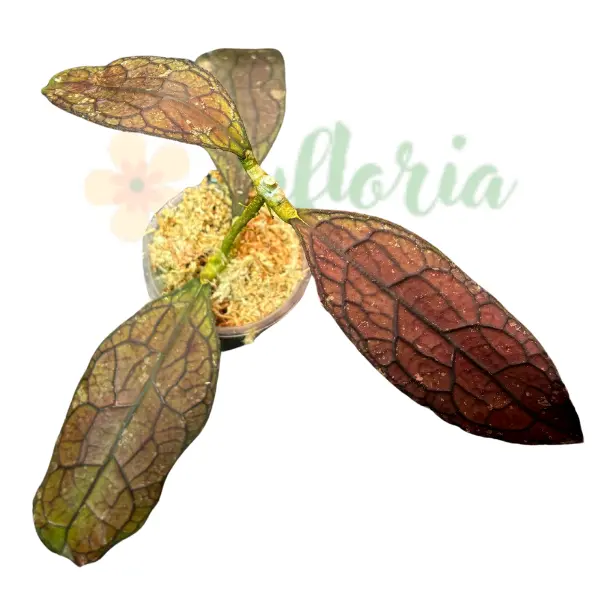
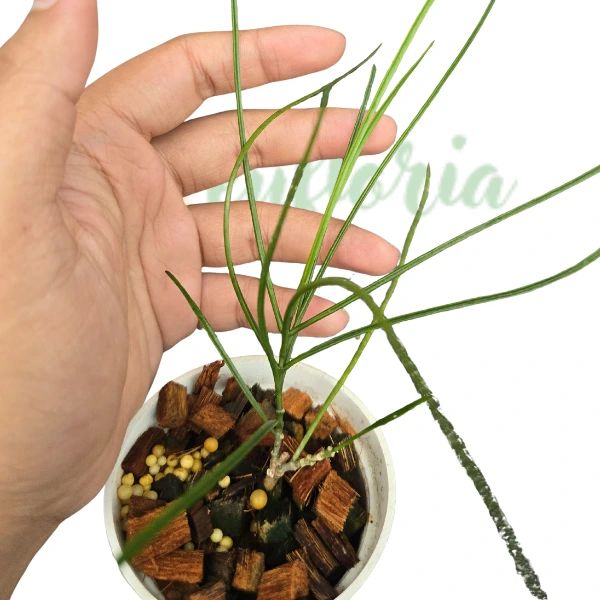
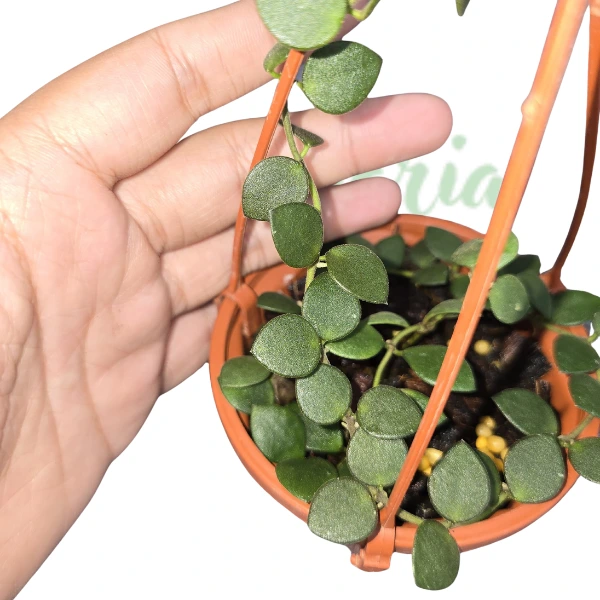
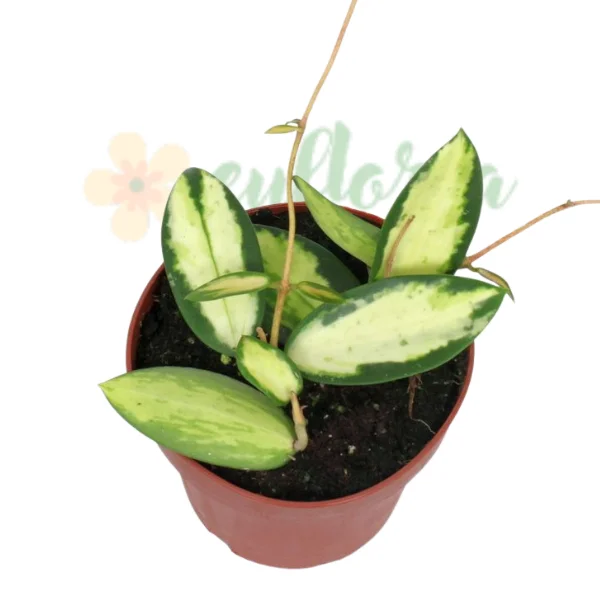
![Hoya nummularioides Silver with round silver-dusted leaves [0]](https://gomagcdn.ro/domains2/eufloria.ro/files/product/medium/hoya-nummularioides-silver-995392.png "Hoya nummularioides Silver with round silver-dusted leaves [0]")
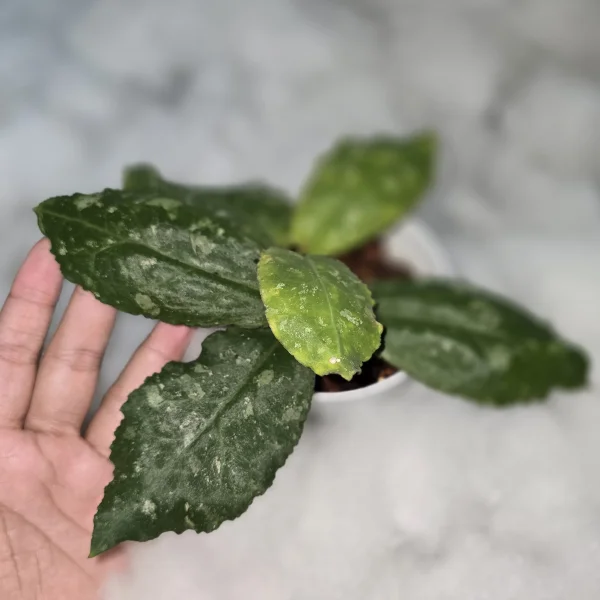
![Hoya nummularioides Silver with round silver-dusted leaves [1]](https://gomagcdn.ro/domains2/eufloria.ro/files/product/medium/hoya-nummularioides-silver-138199.png "Hoya nummularioides Silver with round silver-dusted leaves [1]")
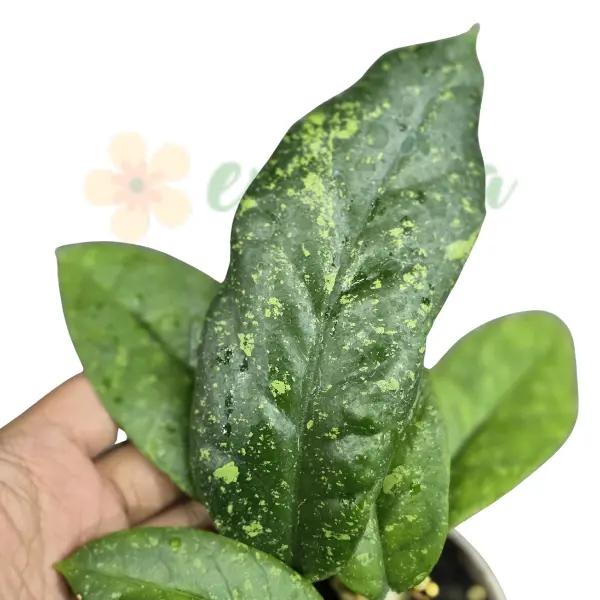
![Hoya nummularioides Silver with round silver-dusted leaves [1]](https://gomagcdn.ro/domains2/eufloria.ro/files/product/original/hoya-nummularioides-silver-995392.png "Hoya nummularioides Silver with round silver-dusted leaves [1]")
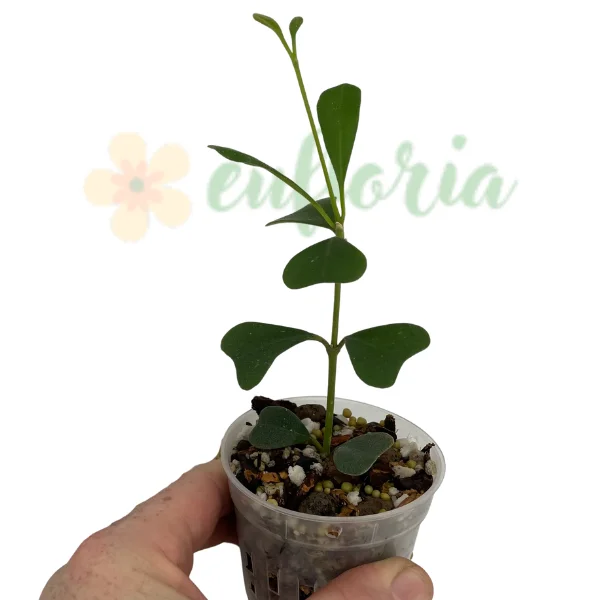
![Hoya nummularioides Silver with round silver-dusted leaves [2]](https://gomagcdn.ro/domains2/eufloria.ro/files/product/original/hoya-nummularioides-silver-138199.png "Hoya nummularioides Silver with round silver-dusted leaves [2]")
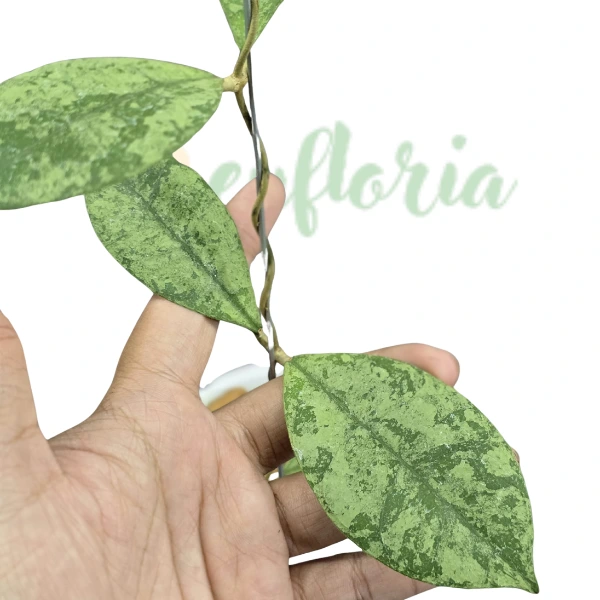
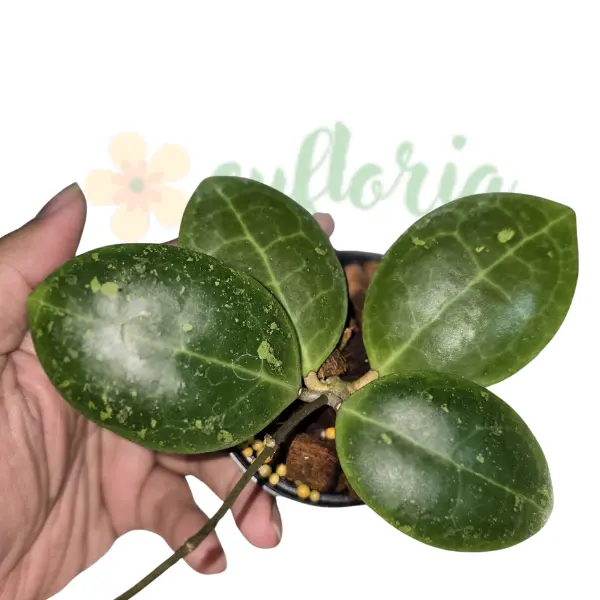
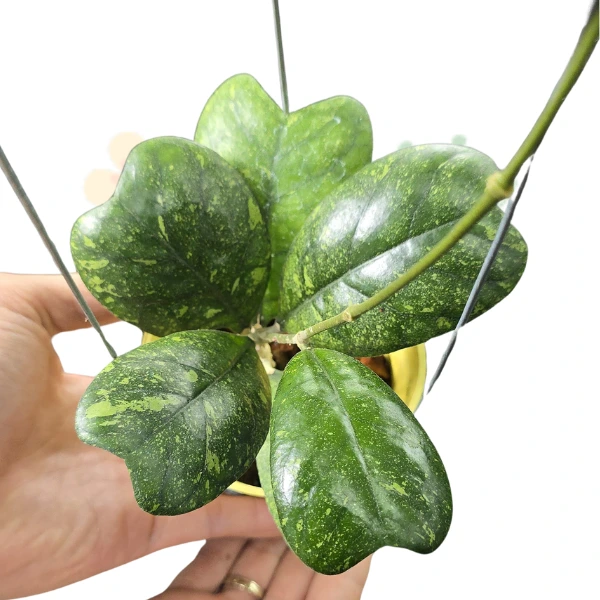
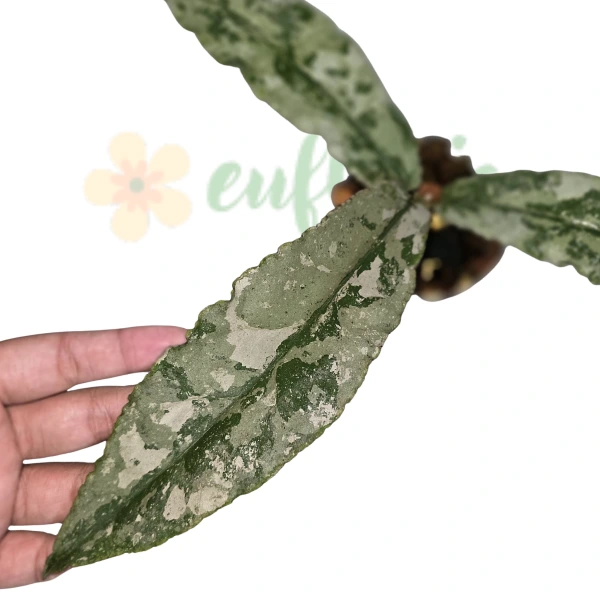
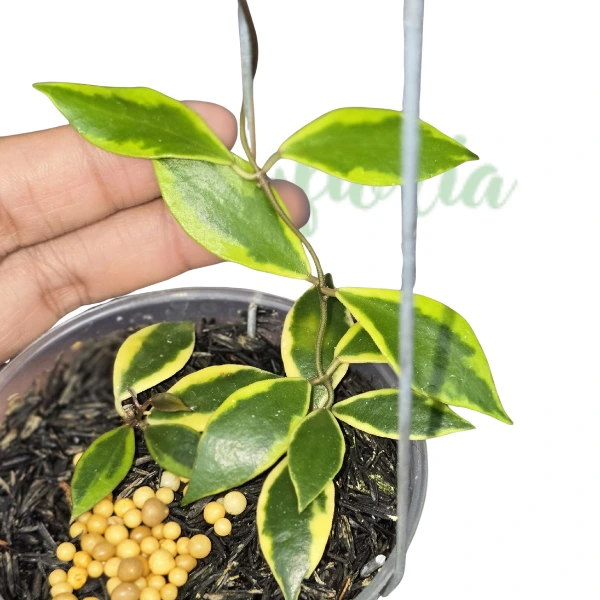
Hoya nummularioides 'Silver' — cultivar with small round silver-dusted leaves and fragrant cream-white star flowers with yellow centers.
Pot diameter: (no pot)
- Description
- Reviews (0)
- FAQ
🌿 Plant Characteristics
Hoya nummularioides 'Silver' is a selected form of the species Hoya nummularioides, a climbing epiphyte from the Apocynaceae family, native to Southeast Asia — especially Vietnam, Laos, Thailand, and parts of southern China. The 'Silver' form is distinguished by its subtle silvery markings on the leaves and its waxy appearance, which transforms it into a delicate, luminous addition to any collection.
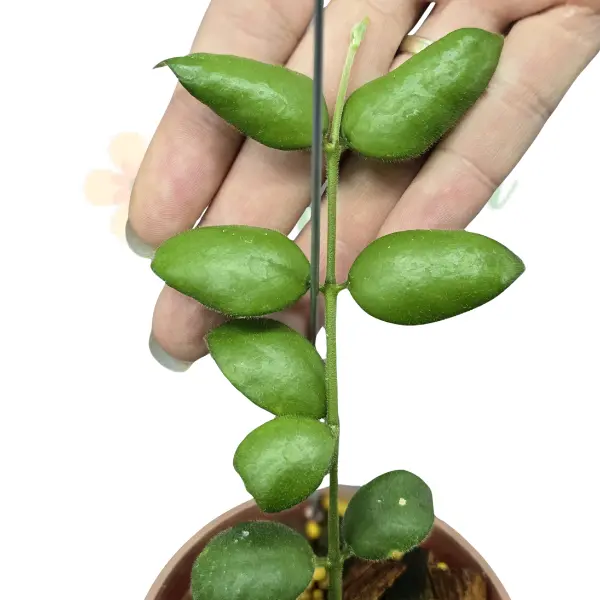
The leaves are small, rounded-oval, 2–4 cm in diameter, with a slightly waxy surface speckled with fine silver highlights over a medium-green background. The central vein is gently recessed, and the leaf margins curl slightly, giving each leaf the look of a small coin — hence the name "nummularioides", derived from the Latin "nummus" (coin).
The stems are slender, twining, with dense internodes of 1.5–3 cm. The plant tends toward compact growth, suitable for hanging baskets as well as small moss poles or miniature trellises. In optimal conditions, stems develop aerial roots at nodes that help anchor the plant onto supports.
Flowers are clustered in small spherical umbels of 8–15 individual blooms, each 5–7 mm in diameter. The dominant color is creamy white with a pale-pink central corona. The fragrance is delicate and sweet, more intense in the evening. Each umbel lasts 4–6 days, and a mature plant can bloom 2–3 times during the warm season.
'Silver' is prized by collectors for its compact form and the subtle contrast between the silvery leaves and the green stems. It is a plant that thrives in small spaces, on bright shelves, or near windows with filtered light.
☀️ Light Requirements
Hoya nummularioides 'Silver' prefers bright, indirect light. Indoors, it does best near an east-facing window, where it receives 2–4 hours of gentle morning sun followed by bright diffused light for the rest of the day. A bright north-facing window can also work, as long as it is not shaded by buildings or heavy curtains.
Direct midday sun, especially from June through August, can bleach the silvery markings and scorch delicate leaves. If a south-facing window is the only option, use a sheer curtain (voile) to filter direct radiation between 11 a.m. and 4 p.m. The silvery contrast of the leaves is most pronounced in strong but indirect light; a wrong compromise between too little and too much light will reduce the decorative appearance.
In winter months (November–February), natural daylight decreases dramatically at European latitudes. A full-spectrum LED grow light (4000–6500K) placed 25–35 cm above the plant, on a 10–12 hour schedule, helps maintain growth and prevents stretched internodes. Without supplementation, the plant enters a mild rest in December–January, which is natural and acceptable.
Rotate the pot a quarter turn every 1–2 weeks for even growth. Avoid abrupt relocations — Hoya nummularioides may drop flower buds if light exposure changes sharply during umbel formation.
💧 Care and Watering
The golden rule for Hoya nummularioides 'Silver': let the substrate dry well between waterings. The slightly fleshy leaves store water, and overwatering is the most common cause of plant loss. In summer, water every 7–10 days; in winter, every 14–21 days, depending on temperature and humidity.
Use lukewarm water (20–24°C), filtered or left to stand for 24 hours to dissipate chlorine. After watering, drain excess from the saucer — Hoya roots do not tolerate stagnant water. Check substrate moisture by pressing a finger 2–3 cm into the medium or using a soil moisture meter; if it is still damp, wait.
Ideal ambient humidity is 55–70%. The plant tolerates 40% without visible issues, but for exuberant growth and preservation of the silvery markings, values of 60%+ are preferable. A small humidifier or grouping with other tropical plants can sufficiently raise local humidity.
Fertilize from April to September with a balanced liquid fertilizer for houseplants (NPK 10-10-10 or 3-1-2), diluted to half the recommended strength, every 3–4 weeks. Before flowering, switching to a higher-phosphorus formula (10-30-20) can help stimulate bud formation. In winter, stop fertilizing completely.
If leaves start to pale or lose their silver sheen, check lighting first and nutrition second. Chlorosis (yellow patches) can indicate excess calcium from tap water or magnesium deficiency — in that case, switch to filtered water and occasionally add diluted Epsom salt to the watering routine.
🌡️ Temperature and Climate
The optimal temperature range for Hoya nummularioides 'Silver' is 18–26°C. The plant tolerates short maxima of 28–30°C provided humidity and ventilation are increased. The absolute safe minimum is 14°C — below that, root water uptake slows and the risk of rot grows significantly.
Keep it away from cold drafts and sudden temperature swings. Frequently opened winter windows, external doors, and air conditioners blowing directly on the plant are the most common causes of thermal stress. Likewise, avoid placement near radiators — hot, dry air dehydrates leaves and invites spider mites.
Day/night fluctuations of 4–6°C (e.g., 24°C during the day and 18–20°C at night) are beneficial and mimic the natural conditions of its tropical forest origin. In spring, when outdoor lows stay above 15°C, the plant can be moved to a semi-shaded terrace for more vigorous growth.
In autumn, bring it back indoors before nights drop below 15°C. A sudden temperature change from terrace to interior may cause a few leaves to drop temporarily — this is normal, and the plant recovers within 2–4 weeks.
🪴 Pot and Substrate
Hoya nummularioides 'Silver' prefers a substrate that is airy, slightly acidic, and exceptionally well-draining. Recommended mix: 40% fine pine bark, 25% perlite, 15% coco fiber, 10% sphagnum, 10% horticultural activated charcoal. This medium holds targeted moisture at the root contact points while allowing optimal oxygenation.
Choose small pots — this species flowers better when the roots are slightly constrained. For a young plant, a 8–10 cm pot is enough for 1–2 years. Repot only when roots visibly emerge from drainage holes or when the substrate breaks down and no longer holds its structure.
Pot material matters: terracotta evaporates excess moisture faster and is recommended for those prone to overwatering. Plastic retains more water and is suitable for those who forget to water — but check regularly so roots don't suffocate. Drainage holes are required in all cases.
A 2 cm layer of coarse bark or gravel at the base of the pot improves drainage. After repotting, wait 5–7 days before the first watering and avoid fertilizing for 4–6 weeks so the roots can repair and adapt.
Small moss poles or miniature trellises encourage vertical growth and the formation of larger leaves. Guide stems as they grow using soft clips or thin cotton string. Alternatively, let the stems cascade in hanging baskets — the dense, compact look of the 'Silver' form suits this style perfectly.
Aerial roots appearing at nodes should not be trimmed. They absorb ambient moisture and help anchor the plant on supports. In time, the plant can develop a dense crown of stems that fully covers the pot and creates a lasting ornamental effect for many years.
Attention to detail in caring for Hoya nummularioides 'Silver' rewards the collector with one of the most elegant compact plants available. In time, the slender stems form a dense cascade that can fully cover the pot rim and trail gracefully over a shelf or hanging support.
For those seeking more abundant flowering, pay attention to photoperiod cycles. The plant blooms most intensely when there is a clear contrast between short winter days (less water, cooler temperature — 16–18°C) and long spring days (more water, temperatures of 22–24°C). This correctly mimicked cycle can double the number of umbels in a season.
The most common pests on this form are mealybugs, which hide in leaf axils and at the base of peduncles. Inspect weekly with a small magnifier. At first signs, use 70% isopropyl alcohol applied with a cotton swab or diluted neem oil. Repeat treatments every 7 days across 3–4 cycles to fully eliminate the infestation.
Apartment dwellers in cities with dry winter air (due to central heating) may notice leaf edge dehydration. A small ultrasonic humidifier placed near the plant maintains constant local humidity and prevents these issues. Alternatively, group it with other tropical plants — the cumulative transpiration effect raises local humidity by 10–15%.
For advanced collectors, 'Silver' can be cultivated in display cabinets with controlled humidity (70–80%) and LED lighting — here it shows the silver markings at their best and growth is fastest.
When planning long-term care, keep notes about watering frequency, fertilizer cycles, and any visible responses (new leaves, buds, slowed growth). Over 1–2 seasons, this data helps fine-tune the exact rhythm that works in your specific microclimate, since no two apartments have identical light, humidity, and temperature conditions.
Finally, enjoy the plant. Hoya nummularioides 'Silver' is not only a rewarding collector's specimen but also a living piece of decor: the silvery leaves catch the light differently throughout the day, creating a subtle, ever-changing visual texture that is unmatched by most other compact houseplants.
How do I care for Hoya nummularioides 'Silver'?
How fragrant are the flowers?
Is it toxic?
Why do leaves have silver reflections?
Can I grow it in a hanging pot?

Ai nevoie și de un ghiveci decorativ?