
 EN/
EN/ Romana
Hoya latifolia 'Wasabi'
![Hoya latifolia Wasabi with wide yellow-green leaves [1]](https://gomagcdn.ro/themes/fashion/gfx/no-image.png "Hoya latifolia Wasabi with wide yellow-green leaves [1]")
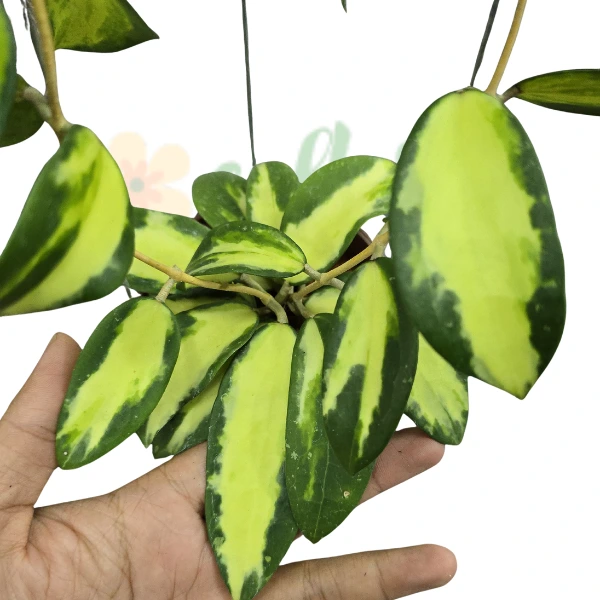
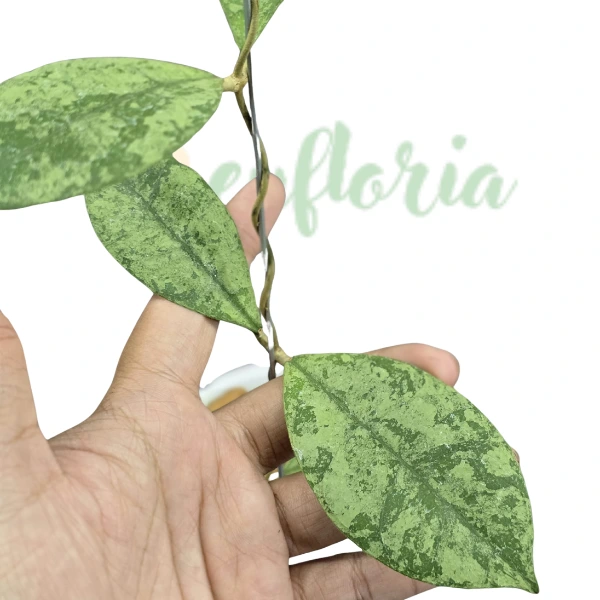
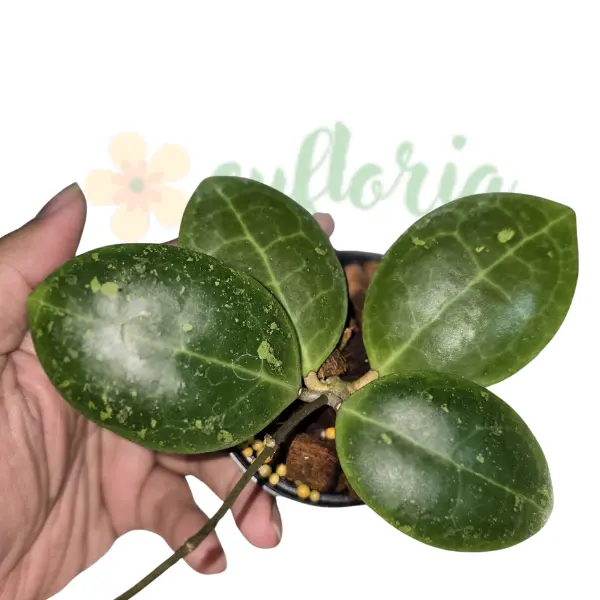
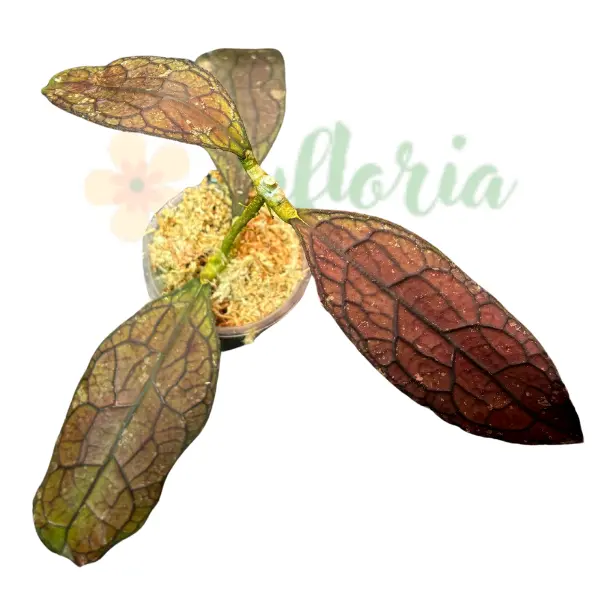
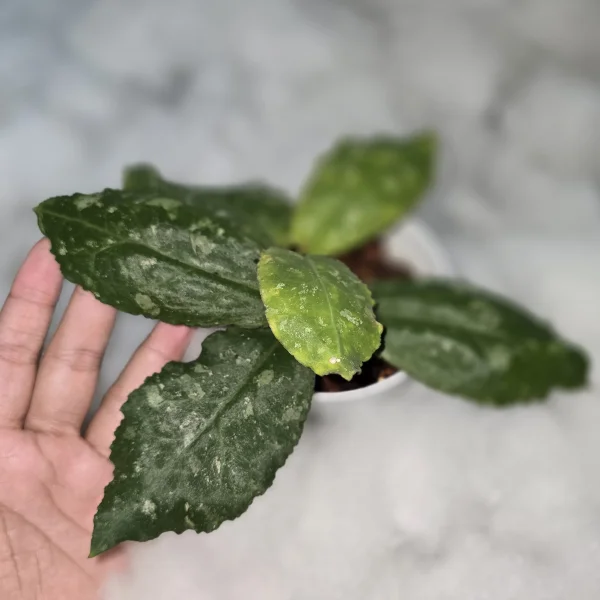
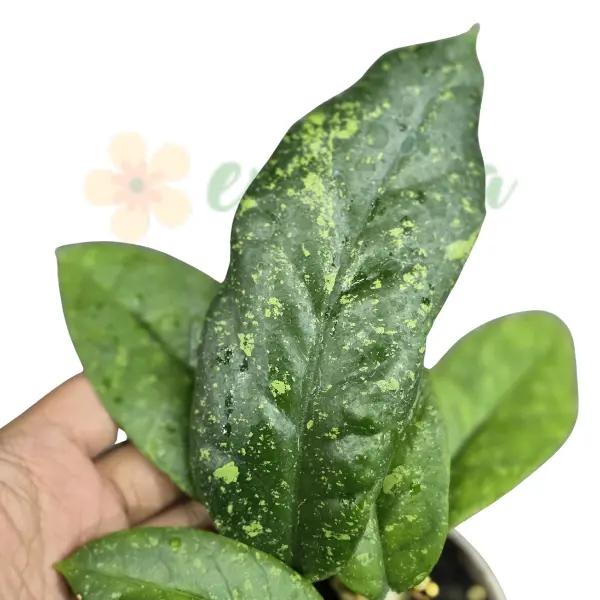
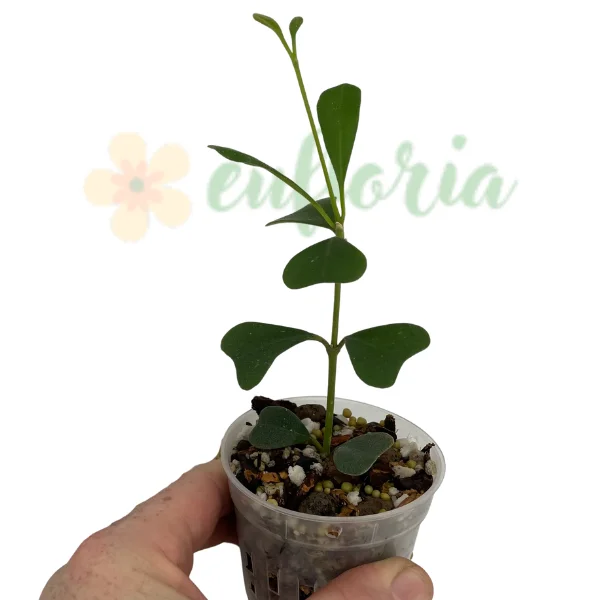
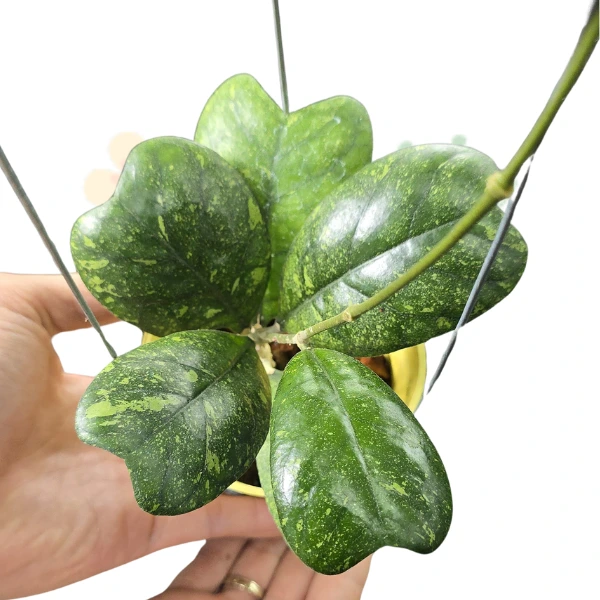
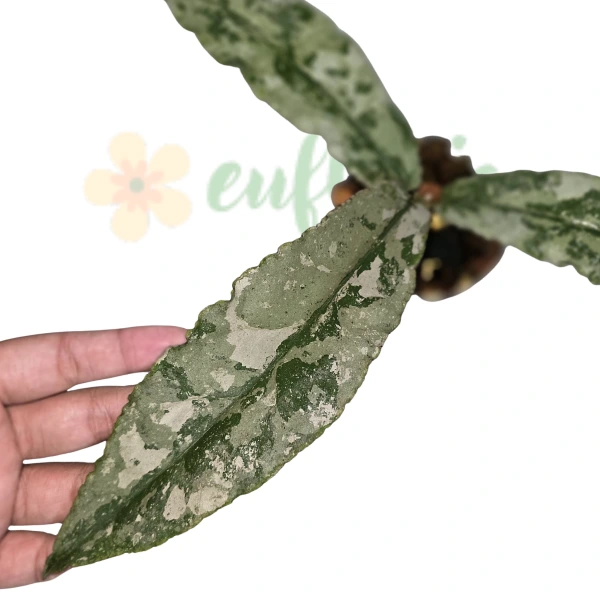
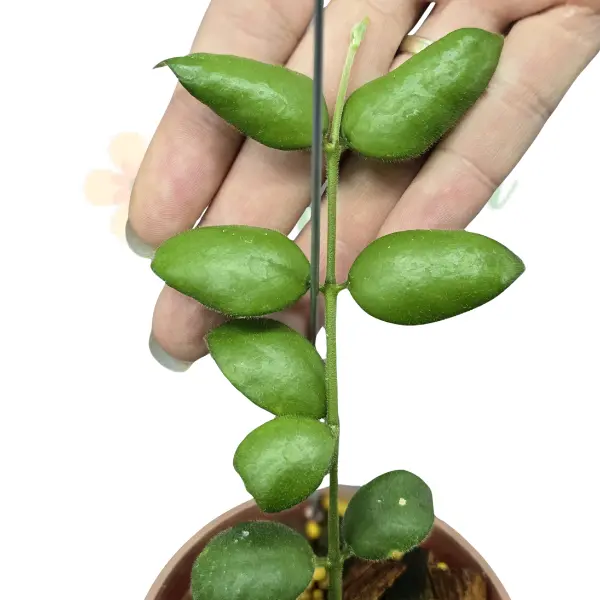
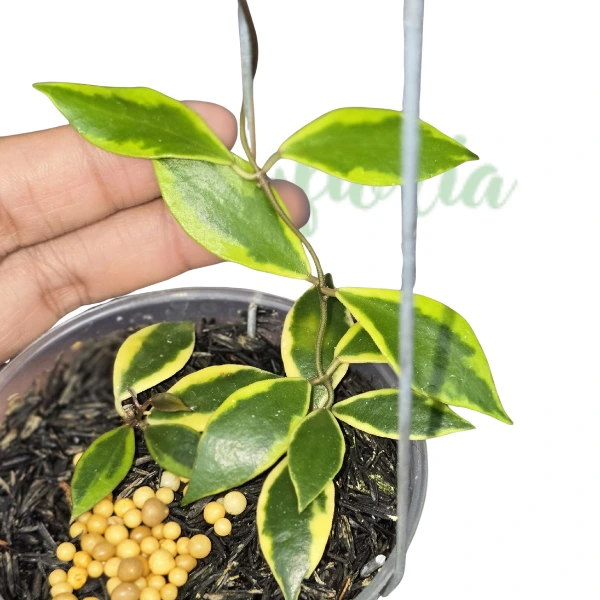
Hoya latifolia 'Wasabi' — cultivar with wide yellow-green wasabi-shaded leaves and large umbels with cream star-shaped flowers.
Pot diameter: (no pot)
- Description
- Reviews (0)
- FAQ
🌿 Plant Characteristics
Hoya latifolia 'Wasabi' is a spectacular variety from the Apocynaceae family, remarkable for its large, round leaves with a unique yellowish-green hue reminiscent of the famous Japanese wasabi paste. Native to the tropical forests of Southeast Asia (Malaysia, Indonesia, Thailand), this epiphytic climbing plant is characterized by thick, fleshy leaves with a succulent appearance, reaching 15–25 cm in length and 10–18 cm in width.
Flexible stems can grow 3–5 meters in optimal conditions, with the ability to climb vertical supports or elegantly drape from hanging baskets. New leaves emerge in shades of light green with golden reflections, gradually maturing to the characteristic yellowish-green of the 'Wasabi' variety. This unique color makes it one of the most sought-after varieties of Hoya latifolia in contemporary collections.
Flowers appear in dense umbels of 30–50 small, star-shaped flowers with waxy cream-white petals and a reddish central crown. The sweet fragrance, reminiscent of caramel and vanilla, intensifies in evening and night, attracting nocturnal pollinators. Flowering generally occurs in spring-summer, lasting 7–10 days, and the persistent peduncles (spurs) will produce new umbels in subsequent seasons, year after year.
☀️ Light Requirements
Hoya latifolia 'Wasabi' requires bright indirect light to maintain its characteristic yellowish-green leaf hue. Place the plant 1–1.5 meters from an east or south-facing window, with light filtered through light curtains or blinds. These conditions reproduce the diffused light from the canopy of tropical forests where the plant grows naturally.
Direct exposure to strong summer sun can cause leaf burns — yellow-brown dry areas with wavy edges. On the other hand, insufficient light causes the characteristic yellowish hue to fade, with leaves becoming darker and less decorative. Monitor the plant's reaction carefully in the first weeks after acquisition and adjust position accordingly.
LED artificial lighting (full spectrum, 20–40W) can supplement natural light in poorly lit spaces. Keep the lamp on for 12–14 hours daily, 30–50 cm above the plant. This is especially useful in winter when day length decreases. A useful test for correct light intensity: if you can see your hand's shadow on the plant without the edge being very clear, the light is appropriate.
💧 Care and Watering
Hoya latifolia 'Wasabi' prefers moderate watering with partial drying periods between waterings. In the growing season (spring-summer), water every 7–10 days, letting the top 3–5 cm of substrate dry completely. In winter, reduce frequency to 14–21 days, allowing the substrate to dry almost completely. This simulates seasonal conditions from the natural habitat.
Use room-temperature water, preferably rainwater or water left standing for 24 hours to remove chlorine. Watering with cold water directly from the tap can shock the roots and cause bud drop. Water adequately (until water exits through drainage holes) and remove excess from the saucer after 15–20 minutes to prevent root rot.
Optimal ambient humidity is 60–75%. In apartments with dry air (especially in winter when heating systems run), use a humidifier or pebble tray with water under the pot. Occasional morning foliar misting can help, but avoid watering flowers. Fertilize monthly in spring-summer with balanced NPK 20-20-20 at half the recommended dose, and try a fertilizer with higher potassium (10-30-20) to stimulate flowering.
🌡️ Temperature and Climate
Ideal temperature is 20–28°C (68–82°F) in the warm season and 16–20°C (61–68°F) in winter. This seasonal difference is essential for flowering induction — without the cold rest period, the plant could miss its annual flowering cycle. Minimum tolerated temperature is 14–15°C for short periods; prolonged exposure below 12°C causes irreversible cellular damage.
Avoid cold drafts — windows open in winter, balcony doors, air conditioners. These cause bud drop and physiological stress visible through leaf yellowing and growth slowdown. Also avoid direct placement near radiators or stoves — dry heat dehydrates succulent leaves and local air.
Natural daily variations (4–6°C difference between day and night) are beneficial and simulate tropical conditions. In summer, the plant can be placed on a balcony or terrace in a protected location (partial shade) to benefit from fresh air and natural humidity. Bring it back indoors when night temperatures drop below 15°C in autumn.
🪴 Pot and Substrate
Hoya latifolia 'Wasabi' grows optimally in a slightly pot-bound pot with multiple drainage holes. Roots prefer limited space that simulates epiphytic conditions in nature. A pot 2–3 cm larger than the root ball is ideal. Unglazed ceramic or terracotta pots allow evaporation, reducing the risk of overwatering.
Optimal substrate: 40% medium pine bark, 30% perlite, 20% sphagnum moss, 10% activated charcoal. This mix provides excellent aeration (essential for epiphytic roots), rapid drainage, and adequate moisture retention. Standard garden mixes retain too much water and suffocate roots — DO NOT use them for Hoya.
Transplant every 2–3 years in spring, when you notice roots emerging through drainage holes or growth has considerably slowed. Completely replace old substrate, inspect roots, and remove rotten or dry parts. After transplant, wait 7–10 days before the first watering to allow root wounds to heal and prevent fungal infections.
🌿 Curiosities and Special Details
The 'Wasabi' cultivar name was given due to the unique yellowish-green color of the leaves, reminiscent of the famous Japanese paste. This color is the result of a specific genetic mutation that affects chlorophyll production, giving the leaves a lower content of chlorophyll type A compared to standard varieties.
In the international Hoya collector community, this variety is considered medium-rare and is particularly appreciated for its visual impact. Leaves can develop bronze or pinkish tones under high light intensity, a phenomenon known as "sun stress" that indicates adequate light levels for flowering.
Propagation is done exclusively asexually (through cuttings) to preserve the color mutation. Seeds from this variety would not reproduce the unique characteristic of the yellowish leaves. Cuttings should contain at least 2–3 pairs of leaves for a success rate above 80%. Rooting takes 4–6 weeks in moist perlite or sphagnum moss, at a constant temperature of 22–24°C.
The Hoya latifolia species has an interesting evolutionary history — it is one of the few Hoyas with such large leaves (most species have leaves of 3–8 cm). This characteristic is interpreted by botanists as an adaptation to low-light conditions in dense tropical forest understory, where larger leaves capture more available light. The 'Wasabi' mutation adds an additional layer of visual distinctiveness to this already impressive species.
In the international Hoya collector community, the Hoya latifolia 'Wasabi' cultivar is considered a "must-have" for enthusiasts due to its unique visual presentation and relative availability compared to other rare Hoyas. The plant's ability to develop impressive vine lengths makes it suitable for decorative installations in larger spaces, while its slow growth rate means it rarely becomes overwhelming in typical home environments.
Advanced growers often use specialized mounting techniques for Hoya latifolia 'Wasabi', including cork bark mounts and living moss poles. These methods simulate the plant's natural epiphytic growing conditions and can dramatically improve both growth rate and flowering frequency. However, these techniques require higher ambient humidity (above 70%) and more frequent misting, making them best suited for dedicated plant rooms or greenhouses.
The waxy texture on both sides of the leaves helps retain moisture and protects against pests. This characteristic is essential for the plant's survival in its natural habitat, where drought periods can last weeks. In indoor cultivation, this trait translates into greater tolerance to watering mistakes compared to other houseplants. Many collectors have reported that their Hoya latifolia 'Wasabi' survived extended absences (2–3 weeks without watering) with minimal stress, making it suitable for frequent travelers.
Scientific research conducted at botanical gardens in Singapore and Indonesia has documented the unique photosynthetic properties of Hoya latifolia, which utilizes a modified form of CAM metabolism (Crassulacean Acid Metabolism) during drought periods. This adaptation allows the plant to open its stomata primarily at night, reducing water loss by up to 85% compared to normal daytime transpiration — a remarkable adaptation for an epiphytic plant living in variable humidity conditions.
For collectors interested in flower production, research indicates that Hoya latifolia 'Wasabi' responds particularly well to phosphorus-potassium fertilizers (10-30-20 NPK ratio) applied 2–3 times in early spring. This supplementation can increase flower umbel production by up to 40% compared to standard balanced fertilization. Additionally, applying a light cold treatment (bringing the plant to 15–16°C for 4–6 weeks in winter) stimulates floral bud differentiation for the following spring.
One particularly interesting fact about this variety: the yellowish color of the leaves becomes more pronounced with plant maturity. Young plants (under 2 years old) often have more pronounced green tones, while mature specimens develop the full 'Wasabi' coloration. This progressive change requires patience from growers, but the end result is truly spectacular and justifies the wait for serious collectors.
Why is this plant so expensive?
Hoya latifolia 'Wasabi' is extremely rare with very limited market availability. The price reflects its rarity, impressive size, and collector value.
How do I care for this premium plant?
Bright indirect light, well-draining substrate, spacious pot. Water when 70-80% dry. Temperature: 18-28°C, humidity 60-80%.
Is it toxic?
No, it is non-toxic, safe for pets and children.
How large do the leaves get?
Leaves can reach 15-20 cm or even more under optimal conditions, making it one of the most imposing Hoya species.
What substrate do you recommend?
Well-draining mix of coarse bark, perlite, and sphagnum. The pot should be large enough to support vigorous growth.

Ai nevoie și de un ghiveci decorativ?







