
 EN/
EN/ Romana
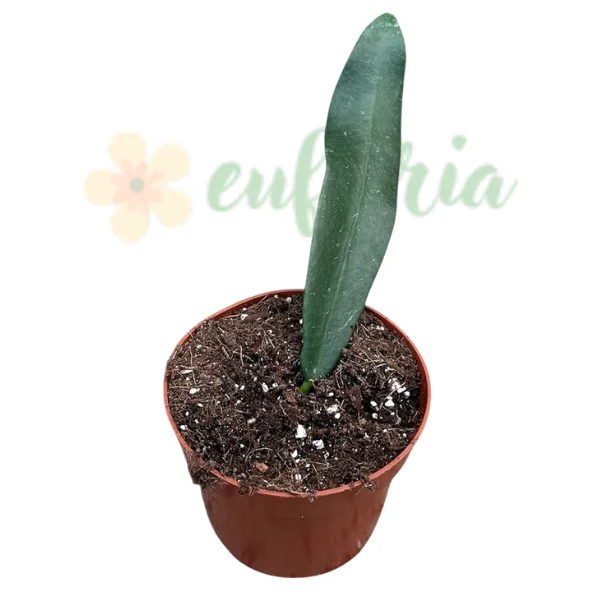
Tradescantia zebrina 'Pink Joy' Ø6cm
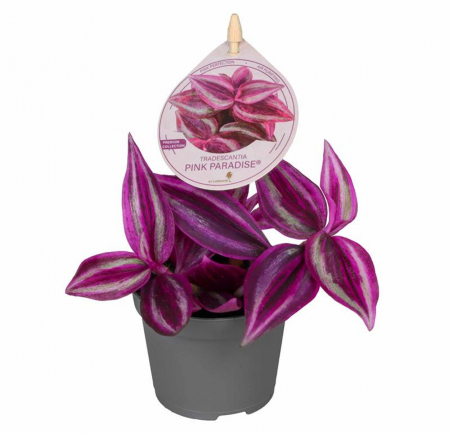
![Tradescantia zebrina 'Pink Joy' – Easy Trailing Houseplant [1]](https://gomagcdn.ro/domains2/eufloria.ro/files/product/original/tradescantia-zebrina-pink-joy-d6-902441.webp "Tradescantia zebrina 'Pink Joy' – Easy Trailing Houseplant [1]")
Approx height (including pot): 10 cm
Flowering state: No flowers
Pot diameter: 6 cm
- Description
- Characteristics
- Reviews (0)
- FAQ
🌸 A Cascade of Pink, Purple & Silver – The Ultimate Trailing Statement
Tradescantia zebrina 'Pink Joy' is a vibrant, fast-growing trailing plant that delivers an instant explosion of colour wherever it cascades. This cultivar – sometimes also sold as 'Violet Hill' – showcases leaves that shimmer with silvery sage stripes over a base of deep purple-magenta, with the undersides presenting an even richer, uniform purple that catches the eye whenever a breeze lifts the foliage. In good light, pink and violet tones intensify, creating a living tapestry of colour that seems to shift and glow throughout the day. The stems are equally dramatic – deep purple, semi-succulent, and eager to trail over the edge of any pot or hanging basket. And best of all, this is one of the easiest houseplants you can grow: forgiving of occasional neglect, ridiculously simple to propagate, and capable of growing several centimetres per week under good conditions. Pink Joy is a plant that rewards both beginners and seasoned collectors with colour, movement, and effortless growth.
🌍 Origins & Botanical History
The genus Tradescantia was named by Carl Linnaeus in honour of the English naturalist and plant collectors John Tradescant the Elder (c. 1570s–1638) and his son John Tradescant the Younger (1608–1662), who introduced many new plants to English gardens in the 17th century. The genus comprises approximately 75-85 species of herbaceous perennials in the family Commelinaceae, native to the Americas from southern Canada to northern Argentina. The species Tradescantia zebrina – formerly known as Zebrina pendula – is native to Mexico, Central America, and Colombia, where it grows as a creeping groundcover in tropical and subtropical forests, thickets, and along riverbanks at altitudes up to 2,000 metres. The species name "zebrina" refers to the zebra-like striped pattern on the leaves. In its native habitat, the plant forms dense mats on the forest floor, rooting readily at every node where stems touch moist soil. 'Pink Joy' (also marketed as 'Violet Hill') is a cultivar selected for its particularly vivid purple-pink colouration and strong silver striping.
🍃 Foliage – Shimmering Stripes of Silver, Purple & Pink
The leaves of Tradescantia zebrina 'Pink Joy' are the plant's defining feature. They are ovate to lance-shaped, measuring approximately 4-10 cm long and 1.5-3 cm wide, with pointed tips and a slightly succulent, fleshy texture. The upper leaf surface displays the characteristic "zebra" pattern: two broad silvery-sage stripes running parallel on either side of a central band that shifts between green, purple, and pink depending on light conditions. The overall effect is shimmering and almost metallic, especially when light catches the leaves at an angle. The undersides of the leaves are a deep, uniform magenta-purple – a striking contrast that becomes visible as the trailing stems cascade and twist. New growth often emerges with intensified pink and purple tones, particularly when the plant receives abundant light. In lower light conditions, the silvery areas may become more dominant and the pink tones less pronounced. The leaf surface has a subtle texture with tiny bumps and scattered fine hairs, giving it a slightly velvety quality. Leaves are arranged alternately along the stems, creating a dense, lush appearance on healthy plants.
🌸 Flowers – Delicate Three-Petaled Blooms
While Tradescantia zebrina 'Pink Joy' is grown primarily for its spectacular foliage, it does produce flowers – small, delicate, three-petaled blooms that appear at the stem tips during the warmer months. The flowers are typically pink to light purple (sometimes appearing almost white), measuring approximately 0.5-1 cm across, with six yellow stamens that provide a charming contrast. Each flower lasts only a day, opening in the morning and closing by evening – a characteristic that gives the Commelinaceae family one of its common names, "dayflower." The flowers appear in small clusters supported by two leaf-like bracts. While not the plant's primary attraction, the blooms add a delicate finishing touch and indicate that the plant is thriving. After flowering, small capsule fruits may form containing grey-brown seeds, though propagation by stem cuttings is far easier and more reliable.
🌿 Growth Habit & Development
Tradescantia zebrina 'Pink Joy' is a fast-growing trailing plant that can add several centimetres to its vines each week under optimal conditions. The semi-succulent stems are typically purple-toned, reaching 60-90 cm or more in length as they cascade over pot edges. The plant roots readily at every node, which in nature allows it to spread across the forest floor; indoors, this makes it exceptionally easy to propagate. Growth habit is trailing and somewhat sprawling – without support, stems cascade downward rather than climbing. This makes 'Pink Joy' ideal for hanging baskets, high shelves, or trailing from tall planters where its colourful vines can drape dramatically. The plant tends to become leggy over time if not pruned regularly – older stems near the base lose their leaves while continuing to grow at the tips. Regular pinching and pruning encourages bushier growth and keeps the plant looking full and healthy. Many growers consider Tradescantia to be a "disposable" plant because it becomes scraggly after 2-3 years, but since it propagates so easily from cuttings, it's simple to start fresh plants whenever the original begins to decline.
Care Requirements:
- Light: Bright indirect light is ideal for maintaining the vivid purple, pink, and silver colouration. In bright conditions, the colours intensify; in low light, leaves may become greener and lose their vibrant pink and purple tones. Some direct morning or late afternoon sun is tolerated and can enhance colouration, but intense midday sun may scorch the leaves or cause the variegation to fade to uniform purple. If the plant is becoming leggy with widely spaced leaves, it needs more light. A position near an east or west-facing window is usually perfect. This plant also grows well under artificial grow lights.
- Water: Water when the top 2-3 cm of soil has dried out. Tradescantia zebrina is somewhat drought-tolerant thanks to its semi-succulent leaves and stems, but it grows best with regular moisture. Avoid keeping the soil constantly soggy, which can lead to root rot and stem rot. Equally, don't let it dry out completely for extended periods – the plant will survive but may drop leaves and become stressed. Reduce watering in winter when growth slows. The plant is forgiving and will recover from occasional underwatering more readily than from overwatering.
- Soil: Any well-draining potting mix works well. A standard houseplant mix amended with perlite or coarse sand for improved drainage is ideal. The plant is not fussy about soil composition as long as excess water can drain freely. Avoid heavy, water-retaining soils.
- Temperature: 15-27°C is the comfortable range, with optimal growth between 18-24°C. Tradescantia zebrina can tolerate brief cold spells down to about 10°C but is not frost-hardy. Avoid cold drafts and sudden temperature fluctuations. In warmer months, the plant can be moved outdoors to a shaded position.
- Humidity: Average household humidity (40-60%) is perfectly adequate. Higher humidity encourages lush growth but is not essential. Misting is not necessary and can leave water spots on the leaves. If leaf tips become brown and crispy, low humidity combined with underwatering may be the cause.
- Feeding: Feed every 2-4 weeks during the growing season (spring through autumn) with a balanced liquid fertilizer at half strength. Tradescantia is not a heavy feeder, and too much fertilizer can cause leggy growth and may reduce the intensity of the variegation. In winter, stop or reduce feeding. Fresh potting mix provides adequate nutrients for several months.
- Pruning & Propagation: Regular pruning is key to keeping 'Pink Joy' looking full and bushy. Pinch or cut back stem tips to encourage branching. Prune out any leggy, bare stems to redirect energy to fuller growth. The cuttings root incredibly easily – simply place them in water or moist soil and they will develop roots within a week or two. This makes Tradescantia one of the best plants for beginners to practice propagation.
Botanical Info: Family: Commelinaceae | Genus: Tradescantia | Species: Tradescantia zebrina (Bosse) D.R.Hunt | Former Name: Zebrina pendula Schnizl. | Cultivar: 'Pink Joy' (also sold as 'Violet Hill') | Common Names: Inch Plant, Silver Inch Plant, Wandering Dude, Spiderwort, Zebra Plant | Type: Trailing Herbaceous Perennial (evergreen) | Native Range: Mexico, Central America, Colombia | Zone: USDA 9-11 (indoor cultivation in temperate climates) | Flowering: Small, 3-petaled, pink to light purple, primarily spring-summer, each flower lasts one day | Growth Rate: Fast | Mature Size: Trails 60-90+ cm
Lungime: 10 cm
Greutate (kg): 0.15 Kg
Denumire: Tradescantia
Diametru: 6 cm
Cerințe lumină: Partial umbra
Tip plantă: Decorative
Utilizare: Interior
Tip suport: Ghiveci
Material Suport: Plastic
Is Tradescantia zebrina 'Pink Joy' toxic to cats and dogs?
Tradescantia zebrina is considered mildly toxic or irritating to cats and dogs according to the ASPCA. The plant's sap can cause skin irritation (dermatitis) and, if chewed or eaten, may cause oral discomfort, drooling, and mild digestive upset. However, it is NOT severely toxic – there are no documented cases of serious illness or death from Tradescantia ingestion in pets. Most animals will stop chewing the plant after tasting the irritating sap. Symptoms typically resolve within 24-48 hours. To be safe, keep 'Pink Joy' in a hanging basket or on a high shelf out of reach of curious pets, and trim any trailing stems that dangle within paw's reach.
Why is my Tradescantia zebrina losing its pink and purple colour?
The most common reason for fading colour in Tradescantia zebrina 'Pink Joy' is insufficient light. The vivid pink, purple, and silver tones are most intense in bright, indirect light. In lower light conditions, the plant will survive but may produce leaves that are greener and less vibrant. Move the plant to a brighter location – near an east or west-facing window is ideal – and you should see more colourful new growth emerge. Some direct morning sun can also enhance the pink tones. Additionally, over-fertilizing can reduce variegation intensity, so stick to half-strength fertilizer and don't feed too frequently.
Why is my Tradescantia zebrina becoming leggy and bare at the base?
Legginess is a common issue with Tradescantia and usually indicates insufficient light. The plant stretches toward the light source, producing longer internodes (spaces between leaves) and fewer leaves overall. Older stems naturally lose their lower leaves over time regardless of conditions. To fix this: move the plant to brighter light; regularly pinch or cut back the growing tips to encourage bushier, branching growth; and prune out bare, leggy stems entirely. The cuttings you remove can be rooted in water or soil to create fresh, full plants. Many growers simply restart their Tradescantia from cuttings every few years when the original plant becomes too scraggly.
How do I propagate Tradescantia zebrina 'Pink Joy'?
Tradescantia zebrina is one of the easiest plants to propagate. Take stem cuttings approximately 5-10 cm long, ideally with 2-3 leaves. Remove the leaves from the lower portion of the stem that will be submerged or buried. Place the cuttings in a jar of water, ensuring the nodes (where leaves were attached) are underwater, and position in bright indirect light. Roots will typically appear within 1-2 weeks. Once roots are several centimetres long, transplant into moist potting mix. Alternatively, you can root cuttings directly in moist soil by inserting the stem with the nodes buried. Keep the soil lightly moist until roots establish. Propagation is most successful in spring and summer but can be done year-round.
How fast does Tradescantia zebrina 'Pink Joy' grow?
Tradescantia zebrina is considered a fast-growing plant. Under optimal conditions (bright indirect light, regular watering, warm temperatures), the trailing vines can grow several centimetres per week during the active growing season. Stems can reach 60-90 cm or longer within a single growing season. Growth slows in winter when light levels and temperatures are reduced. The fast growth rate is one of the plant's main appeals – it quickly fills a hanging basket and produces impressive trailing display. However, it also means regular pruning is necessary to maintain a bushy, attractive shape.
What's the difference between Tradescantia zebrina 'Pink Joy', 'Violet Hill', and 'Purple Joy'?
The naming of Tradescantia zebrina cultivars can be confusing because the same or very similar plants are often sold under different names by different nurseries. 'Pink Joy' and 'Violet Hill' appear to be the same or nearly identical cultivars – both feature silver-striped leaves with purple-pink tones and deep magenta undersides. 'Purple Joy' and 'Burgundy' are sometimes used interchangeably for a cultivar with deeper, more burgundy-purple colouration. 'Silver Plus' is another common name for similar selections. The exact distinctions between these cultivars are not always clear-cut, and conditions (especially light levels) affect how the colours express. When purchasing, focus on the actual appearance of the plant rather than relying solely on cultivar names, which may vary between suppliers.
How do you care for Tradescantia 'Pink Joy'?
Tradescantia prefers bright indirect light for vibrant colours. Water when soil partially dries. Grows fast and is ideal for hanging pots. Ideal temperature 16-24°C.
Why does Tradescantia lose its colour?
Loss of pink/purple colour indicates insufficient light. Move the plant to brighter indirect light. New leaves will have vibrant colours.
Does Tradescantia purify the air?
Yes, Tradescantia contributes to indoor air purification and is effective in removing volatile organic compounds from the environment.
Why does it lose colour?
Insufficient light. Move to a brighter spot.
Recommendations
Ai nevoie și de un ghiveci decorativ?







