EN/
EN/ Romana
Peperomia prostrata Ø6cm
![Peperomia prostrata String of Turtles — tiny round leaves like turtle shells [0]](https://gomagcdn.ro/domains2/eufloria.ro/files/product/medium/peperomia-prostrata-552517.png "Peperomia prostrata String of Turtles — tiny round leaves like turtle shells [0]")
![Peperomia prostrata String of Turtles — tiny round leaves like turtle shells [1]](https://gomagcdn.ro/domains2/eufloria.ro/files/product/medium/peperomia-prostrata-035715.png "Peperomia prostrata String of Turtles — tiny round leaves like turtle shells [1]")
![Peperomia prostrata String of Turtles — tiny round leaves like turtle shells [1]](https://gomagcdn.ro/domains2/eufloria.ro/files/product/original/peperomia-prostrata-552517.png "Peperomia prostrata String of Turtles — tiny round leaves like turtle shells [1]")
![Peperomia prostrata String of Turtles — tiny round leaves like turtle shells [2]](https://gomagcdn.ro/domains2/eufloria.ro/files/product/original/peperomia-prostrata-035715.png "Peperomia prostrata String of Turtles — tiny round leaves like turtle shells [2]")
Peperomia prostrata, popularly known as "String of Turtles", is a trailing plant from the Piperaceae family, adored for its tiny, round, semi-succulent leaves marked by a silvery pattern reminiscent of a turtle shell. Compact, non-toxic and easy to care for, it forms delicate cascades perfect for shelves and hanging pots.
Approx height (including pot): 10 cm
Pot diameter: 6 cm
- Description
- Characteristics
- Reviews (0)
- FAQ
🌿 Peperomia prostrata — a Miniature String of Turtles
Peperomia prostrata is one of the most charming small trailing plants in the world. Along thin, reddish stems run dozens of round little leaves, no bigger than a coin, each bearing a delicate silvery pattern on a dark green background — a design strikingly reminiscent of a turtle shell. Hence its popular name, "String of Turtles", one of the most fitting names in the plant world.
It is a plant that wins you over through detail and the grace of its delicate cascades. At first glance it seems modest, but seen up close it reveals a fascinating complexity: each little leaf is a small work of art, with its silver veins forming a unique pattern. It is precisely this richness of small-scale detail that makes it perfect to be admired at eye level, on a bright shelf or in a hanging pot.
Beyond its beauty, it has a precious advantage: it is non-toxic and surprisingly forgiving, which makes it an excellent choice for homes with cats, dogs or curious children. It belongs to the large family of Peperomia plants and is an ideal choice for bright shelves, hanging pots or terrariums.
🌍 Origin and Botanical History
Peperomia prostrata belongs to the Piperaceae family — the same family as black pepper, the spice we use daily — and is native to the humid tropical forests of South America, from Ecuador and Brazil, where it grows epiphytically on moss-covered trunks and rocks. This epiphytic life, clinging to bark in the shade of the forest, explains why the plant prefers indirect light and a very airy substrate.
The genus Peperomia includes over 1,500 species, one of the largest plant families in the world, many of them prized as compact, decorative houseplants. The genus name comes from Greek, from peperi (pepper) and homoios (similar), a reference to its kinship with pepper.
The semi-succulent leaves of Peperomia prostrata are an adaptation to epiphytic life, allowing it to store water during the dry spells between rains — just like a succulent, though it is not related to them. This water-storing ability makes it surprisingly resilient to the occasional lapse, a quality appreciated by all those who have no time for complicated care. Unlike many houseplants, Peperomia is non-toxic — perfect for homes with pets. Discover other Peperomia species in our collection too.
🌱 The Foliage
The leaves are tiny, round, slightly domed like pearls, only 0.8–1.5 cm across, thick and semi-succulent. Their background is a dark, bluish green over which a pattern of silvery veins unfolds, creating the turtle-shell look. In good light, the silver pattern is very clear and contrasting; in low light, the leaves tend toward a more uniform green. Each little leaf has its own design, which makes every plant unique.
The stems are thin and reddish and can trail up to 30 cm over time, forming a dense cascade of green pearls. Growth is relatively slow but steady, and the plant fills out nicely over time. The thick, semi-succulent leaves are surprisingly resilient and need no wiping or special care.
The habit is trailing and delicate, perfect for a hanging pot or a high shelf, from where the little leaves can hang freely. Like other trailing plants such as Peperomia rotundifolia, it forms a dense cascade of little leaves over time that spills over the edge of the pot. It is a plant that looks best seen up close, which is why it deserves a spot at eye level.
🌱 Growth and Development
Peperomia prostrata grows slowly to moderately with a compact trailing habit. As a semi-succulent, it tolerates the occasional forgotten watering and prefers to be watered less rather than too often, being far more sensitive to excess water than to lack of it. It is a grateful plant, ideal both for beginners and for lovers of small, detailed plants who want a pet-safe choice.
- Light: bright, indirect light — keeps the silver pattern clear and the leaves compact. Avoid direct sun, which scorches the little leaves, but also too little light, which leads to sparse, faded leaves.
- Temperature: 18–27°C; avoid cold draughts and drops below 13°C.
- Watering: let the substrate dry partially between waterings; being semi-succulent, it suffers more from excess water (rot) than from lack. In summer water every 7–10 days, in winter much less often.
- Humidity: 50–60%; it tolerates apartment air but appreciates moderate humidity.
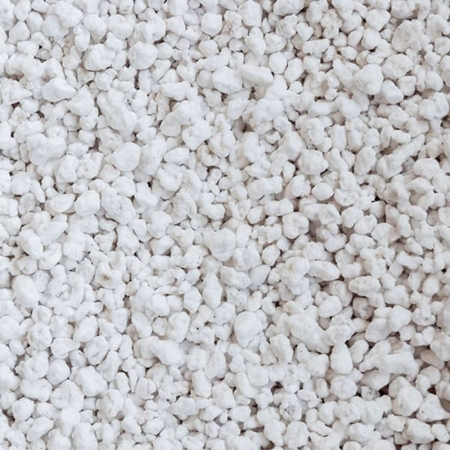
- Substrate: airy and well-drained — a universal mix with perlite and a little bark. Good drainage prevents rot of the delicate roots.
- Fertilising: diluted liquid fertiliser every 4 weeks during the growing season.
- Propagation: extremely easy — stem cuttings or even individual leaves, rooted in moist substrate or water.
🌸 Common Problems, Solutions and Who It Is Perfect For
Peperomia prostrata is a forgiving plant, but the signs of discomfort are easy to read. Wrinkled, soft leaves: paradoxically, the most common sign of root rot from excess water (not lack) — check the roots and substrate, reduce watering. Soft yellow leaves that drop: overwatering — let the substrate dry more. Sparse leaves, long stems (etiolation): insufficient light — move the plant closer to a good light source. Faded silver pattern, uniform green leaves: too little light — move the plant to a brighter spot. Scorched or faded leaves: direct sun — move the plant to filtered light. Fallen leaves can be used for propagation — nothing is wasted.
Peperomia is rarely attacked by pests thanks to its thick leaves, but it can occasionally attract fungus gnats if watered too often. It is a non-toxic plant (ASPCA-confirmed for the Peperomia genus), perfect for homes with pets and children.
In conclusion, Peperomia prostrata is the ideal choice for anyone who wants a small, delicate, non-toxic plant, perfect for homes with pets and children. Compact and graceful, it thrives on a bright shelf, in a hanging pot or as an office plant. Place it at eye level to admire the fascinating detail of its leaves — a true miniature botanical jewel that rewards your attention with a cascade of green turtles.
Lungime: 20 cm
Greutate (kg): 0.1 Kg
Denumire: Peperomia
Diametru: 6 cm
Cerințe lumină: Partial umbra
Tip plantă: Decorative
Utilizare: Interior
Tip suport: Ghiveci
Material Suport: Plastic
Toxic?
Why String of Turtles?
Humidity?
Water?
Propagation?
Recommendations
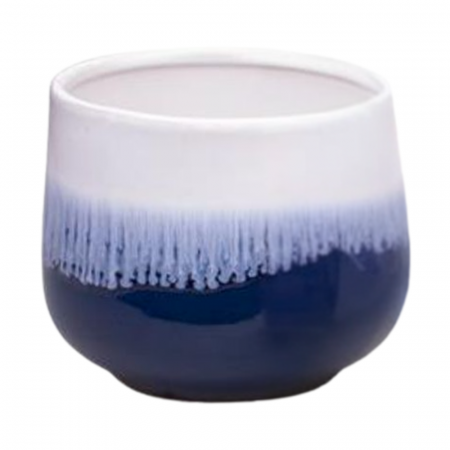
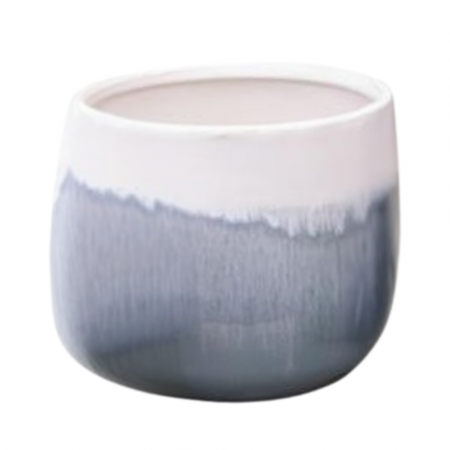
Ai nevoie și de un ghiveci decorativ?