EN/
EN/ Romana
Ctenanthe lubbersiana 'Golden Mosaic' Ø6cm
![Ctenanthe Golden Mosaic — green leaves painted with golden splashes, prayer plant [0]](https://gomagcdn.ro/domains2/eufloria.ro/files/product/medium/ctenanthe-lubbersiana-golden-mosaic-887709.png "Ctenanthe Golden Mosaic — green leaves painted with golden splashes, prayer plant [0]")
![Ctenanthe Golden Mosaic — green leaves painted with golden splashes, prayer plant [1]](https://gomagcdn.ro/domains2/eufloria.ro/files/product/medium/ctenanthe-lubbersiana-golden-mosaic-798349.png "Ctenanthe Golden Mosaic — green leaves painted with golden splashes, prayer plant [1]")
![Ctenanthe Golden Mosaic — green leaves painted with golden splashes, prayer plant [1]](https://gomagcdn.ro/domains2/eufloria.ro/files/product/original/ctenanthe-lubbersiana-golden-mosaic-887709.png "Ctenanthe Golden Mosaic — green leaves painted with golden splashes, prayer plant [1]")
![Ctenanthe Golden Mosaic — green leaves painted with golden splashes, prayer plant [2]](https://gomagcdn.ro/domains2/eufloria.ro/files/product/original/ctenanthe-lubbersiana-golden-mosaic-798349.png "Ctenanthe Golden Mosaic — green leaves painted with golden splashes, prayer plant [2]")
Ctenanthe lubbersiana 'Golden Mosaic' is an elegant prayer plant from the Marantaceae family, with elongated green leaves painted in golden-yellow splashes and streaks, like a mosaic of light. Like all prayer plants, it raises its leaves in the evening in a "prayer" gesture. More forgiving than Calathea and non-toxic, it is a charming and safe choice for homes with pets.
Approx height (including pot): 15 cm
Pot diameter: 6 cm
- Description
- Characteristics
- Reviews (0)
- FAQ
🌿 Ctenanthe Golden Mosaic — a Mosaic of Gold on Moving Leaves
Ctenanthe lubbersiana 'Golden Mosaic' is a plant that blends colour and movement in a fascinating way. Its elongated, fresh green leaves are splashed and painted with golden-yellow patches and streaks, distributed irregularly like a mosaic of light that seems to play across the surface of each leaf. No two leaves repeat exactly the same pattern, which makes every specimen unique and always interesting to look at.
But the true magic of prayer plants lies not only in their foliage but in their behaviour: in the evening, Ctenanthe raises its leaves vertically, as if in a "prayer" gesture, lowering them again at dawn. This daily rhythm, visible to the naked eye, turns the plant into a small living clock of the home and creates a special bond between the plant and its keeper.
Unlike its fussier relatives in the Calathea genus, Ctenanthe is surprisingly forgiving and less demanding, which makes it an ideal introduction to the world of prayer plants. In addition, it is non-toxic — a precious quality that makes it perfect for homes with pets. It belongs to the elegant group of Calathea, Maranta and Ctenanthe, plants prized for their decorative foliage and their gentle nature.
🌍 Origin and Botanical History
Ctenanthe belongs to the Marantaceae family and is native to the humid tropical forests of Brazil, where it grows at ground level, beneath the dense canopy of trees, in the filtered, diffuse light of the jungle. This forest origin explains two of its basic needs: it does not tolerate direct sun (which never reaches the forest floor) and it appreciates the high humidity of tropical air.
The lubbersiana species is also popularly known as the "never never plant", a curious name whose origin has been lost over time but which adds to its charm. The genus name Ctenanthe comes from Greek, from ktenos (comb) and anthos (flower), a reference to the shape of the small, discreet flowers it occasionally produces.
The movement of the leaves — scientifically called nyctinasty — is due to special cells, called pulvini, located at the base of the petiole, which adjust the leaf position according to light by changing the water pressure in the cells. This behaviour is common to the whole Marantaceae family and is thought to help the plant channel rainwater toward its roots and protect its leaves at night. Ctenanthe is, however, more robust than its Calathea relatives, tolerating variations in humidity and care better.
🌱 The Foliage
The leaves are elongated, slightly spear-shaped, 10–20 cm long, held up by long petioles that raise them above the central rosette. Their background is a fresh, medium green over which golden-yellow patches and streaks unfold, distributed irregularly in a mosaic pattern. This warm contrast between green and gold gives the plant a luminous look, as if the leaves capture and reflect the sun's rays.
The underside of the leaves often has a pale green or slightly purplish tint, visible especially in the evening, when the leaves rise and show their backs. Each new leaf unfurls rolled, like a scroll, gradually revealing the golden pattern — another fascinating moment in the plant's life. The leaf texture is fine and slightly velvety, and the veins create a subtle relief.
The habit is bushy and slightly upright, with dense leaves rising from a central rosette toward the light. Unlike trailing plants, Ctenanthe forms a full, tidy bush, perfect for a desk, a bright table or a corner that needs colour. For decorative foliage with even more varied patterns, the rest of the Calathea, Maranta and Ctenanthe group is also worth exploring.
🌱 Growth and Development
Ctenanthe Golden Mosaic grows moderately with a bushy habit. It is one of the most forgiving prayer plants, gentler than Calathea about variations in humidity and tap water, which makes it an excellent choice for those who want the beauty of a prayer plant without its extreme demands. With good conditions, it becomes a full, luminous bush that rewards steady care.
- Light: medium to bright, indirect light — highlights the gold-green contrast. Avoid direct sun, which fades and scorches the leaves, but also too little light, which dulls the golden pattern.
- Temperature: 18–27°C; avoid cold draughts and drops below 16°C.
- Watering: keep the substrate lightly moist without drowning it. Lime-free water (rain, distilled or filtered) is preferable, but Ctenanthe tolerates tap water better than Calathea.
- Humidity: 50–60% ideal — it appreciates a humidifier, a tray of moist pebbles or grouping with other plants. It is also suitable for terrariums and humid cabinets.
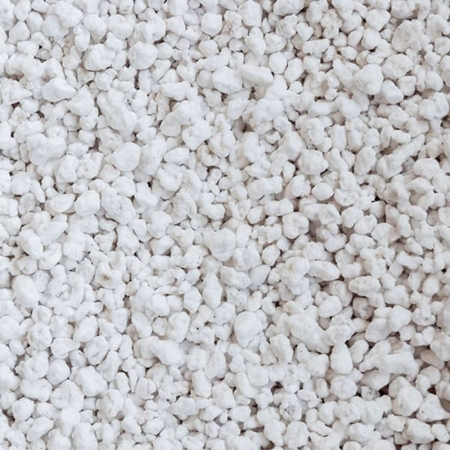
- Substrate: airy with good water retention — a mix of coco fibre, perlite and a little universal substrate.
- Fertilising: diluted liquid fertiliser every 4 weeks during the growing season.
- Propagation: by dividing the clump at repotting, in spring.
🌸 Common Problems, Solutions and Who It Is Perfect For
Ctenanthe is an expressive plant, and its leaves tell you clearly what it needs, although it is more forgiving than its relatives. Brown, dry edges: usually from air that is too dry or hard water — raise the humidity and use filtered water. Curled leaves or leaves that no longer rise in the evening: usually dehydration or air that is too dry — check the watering and humidity. Faded golden pattern, greener leaves: insufficient light — move the plant to a brighter spot (without direct sun). Dry brown spots on leaves: direct sun — move the plant to filtered light. Soft yellow leaves: overwatering — keep the substrate moist but not soggy. Consistency in care is the key, but Ctenanthe forgives mistakes more easily than Calathea.
Ctenanthe can occasionally attract spider mites in dry air (another reason to keep the humidity up); periodic inspection prevents problems. It is a non-toxic plant (Marantaceae family, ASPCA-confirmed), perfectly safe for cats, dogs and children.
In conclusion, Ctenanthe Golden Mosaic is the ideal choice for lovers of decorative plants who want a beautiful prayer plant that is less demanding than Calathea, and safe for pets. Its golden-green foliage that moves from day to night offers a small daily spectacle, and its forgiving nature makes it accessible to beginners too. Place it in a bright spot, alongside other Calathea and Maranta, and you will have a luminous bush of golden mosaic that delights, year after year.
Lungime: 15 cm
Greutate (kg): 0.1 Kg
Denumire: Ctenanthe
Diametru: 6 cm
Cerințe lumină: Partial umbra
Tip plantă: Decorative
Utilizare: Interior
Tip suport: Ghiveci
Material Suport: Plastic
Is it prayer plant?
Is it toxic?
How to water?
Humidity?
Propagation?
Recommendations
Ai nevoie și de un ghiveci decorativ?