EN/
EN/ Romana
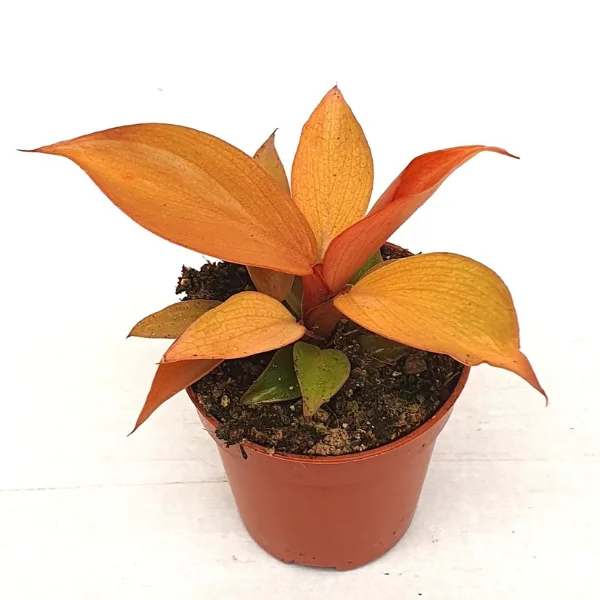
Philodendron 'Snowdrift' Ø10.5cm
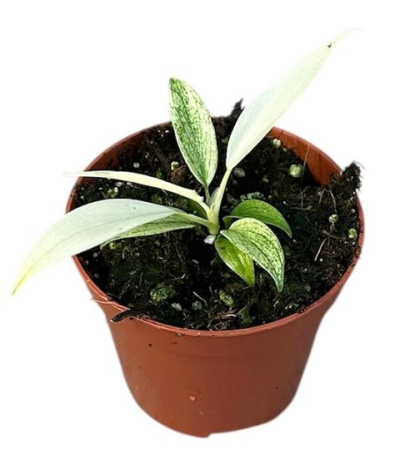
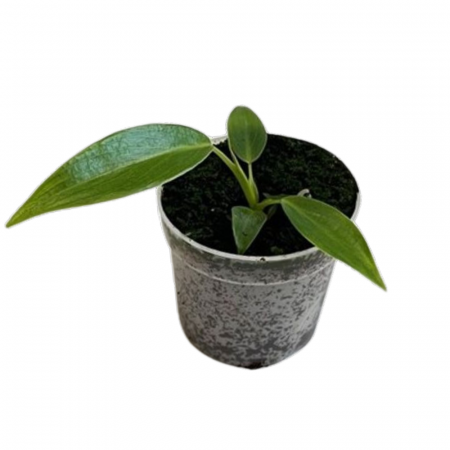
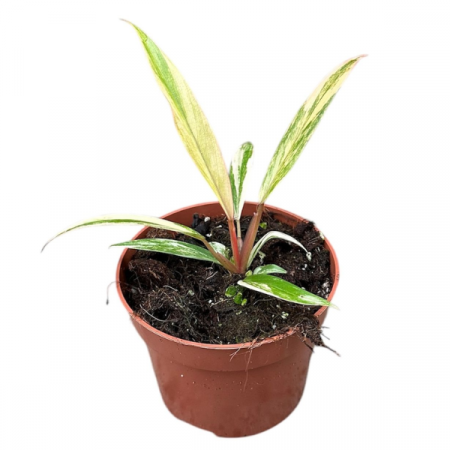
![Philodendron 'Snowdrift' — spectacular hybrid with large dark-green cordate leaves and dramatic cream-white variegation covering 50-70% of surface, collector aroid [1]](https://gomagcdn.ro/domains2/eufloria.ro/files/product/original/philodendron-snowdrift-d10-5cm-120875.png "Philodendron 'Snowdrift' — spectacular hybrid with large dark-green cordate leaves and dramatic cream-white variegation covering 50-70% of surface, collector aroid [1]")
Philodendron 'Snowdrift' is a spectacular modern hybrid from the Araceae family, renowned for large cordate leaves with dramatic cream-white variegation on dark-green background (50-70% of surface). A collector plant with strong visual impact. Each leaf unique. Horticultural origin from Thailand/Indonesia.
Pot diameter: 10.5 cm
- Description
- Reviews (0)
- FAQ
🌿 Philodendron 'Snowdrift' — White Drift, Spectacular Collector's Hybrid
Philodendron 'Snowdrift' is one of the most impressive modern cultivars in the Philodendron genus, renowned for large, glossy leaves with spectacular cream-white variegation on deep-green background. The name 'Snowdrift' perfectly describes the leaves' appearance — large white patches and zones that seem to "drift" across the green surface, like clouds of fresh snow on a tropical landscape.
It is a relatively new hybrid, obtained by crossing Philodendron giganteum with other species, appreciated for its extensive and stable variegation. Large cordate leaves can reach 30-50 cm length at maturity, with each leaf displaying a unique pattern — impossible to reproduce identically.
At the offered size — Ø10.5cm pot — the plant is already mature, with 3-5 formed leaves and developed stem. It is a top specimen for collectors, a conversation plant for any tropical interior. Combines the visual impact of variegation with the classic resilience of philodendrons.
🌍 Origin and Botanical History
Philodendron 'Snowdrift' is a modern hybrid, obtained in horticultural programs in Thailand and Indonesia, by crossing multiple species from the Philodendron genus (Araceae family). The hybrid appeared on the European market in recent years and is considered one of the most appreciated variegated philodendrons alongside 'White Princess', 'Jose Buono' and 'Pink Princess'.
The Philodendron genus comprises over 480 recognized species, all native to tropical forests of Central and South America. The name 'philodendron' derives from Ancient Greek: philo ('love') + dendron ('tree'), referring to the hemi-epiphytic habit of species (they climb trees).
🌱 Dramatic Variegated Foliage
Philodendron 'Snowdrift' leaves are its visual signature. Cordate (heart-shaped), with pointed tip and lobed base, they can reach 30-50 cm length at maturity. Base color is deep dark-green, over which variegation draws large patches and zones of pure white to pale cream — sometimes covering 50-70% of the leaf surface. Each leaf has a unique, unpredictable pattern.
Texture is firm, semi-glossy, with smooth upper surface and slightly matte underside. Central and secondary veins are visible, following the cordate leaf architecture. At maturity, some leaves may develop completely white "half-moon" zones — considered premium collector pieces.
🌱 Growth Habit and Care
- Light: bright indirect, essential for maintaining variegation. Insufficient light leads to reversion (increasingly green leaves). NO direct sun.
- Temperature: 20-28°C optimal; not below 15°C.
- Watering: moderate; first 2-3 cm of substrate to dry. Weekly in summer, every 10-14 days in winter.
- Humidity: 60-80% ideal. Daily misting/water tray.
- Substrate: airy aroid mix (peat + perlite + pine bark + activated charcoal).
- Fertilization: every 3-4 weeks, diluted by half.
- Propagation: via stem cuttings with variegated nodes. Variegation is inherited unpredictably.
🌿 Safety and Toxicity
Warning: Philodendron contains insoluble calcium oxalates, toxic if ingested by humans and animals. Symptoms: mouth irritation, drooling, vomiting. Moderate. Place out of reach of children and pets.
🌸 Why Choose 'Snowdrift'
Philodendron 'Snowdrift' is a plant for serious collectors who appreciate dramatic variegation and large spectacular leaves. It is a collection investment — each new leaf is a chromatic surprise, and mature plants become conversation pieces with immediate visual impact.
🌱 Maintaining Variegation
'Snowdrift' variegation requires bright indirect light to remain intense. If new leaves appear increasingly green (reversion), move the plant closer to a filtered window. If a stem consistently produces green leaves, cut above a visibly variegated node to redirect energy to variegated buds.
🌱 Common Problems
Reversion (green leaves): insufficient light. Move to brighter light.
Yellow leaves: overwatering.
Brown tips: low humidity.
White zones brown: direct sun or burns. Move to filtered light.
Is Philodendron ’Snowdrift’ toxic to pets?
Yes, according to ASPCA, the Philodendron genus is classified as toxic to dogs, cats, and horses. The plant contains calcium oxalate crystals that cause oral irritation, excessive drooling, and swallowing difficulties. It is recommended to place it in locations inaccessible to pets.
What light does Philodendron ’Snowdrift’ need?
Philodendron ’Snowdrift’ needs bright indirect light (10,000-20,000 lux). Variegation is maintained only with sufficient light — in low light, new leaves become predominantly green. Avoid direct sunlight which burns the white portions of the leaves.
How often should I water Philodendron ’Snowdrift’?
Water when the top 3-5 cm of substrate has dried completely: every 7-10 days in summer and 12-18 days in winter. Use filtered water at room temperature. Overwatering causes root rot — it is better to underwater than overwater.
How do you propagate Philodendron ’Snowdrift’?
Propagation is done through stem cuttings with 1-2 nodes, placed in a moist perlite and sphagnum mix (1:1). At 22-25°C and 70-80% humidity, rooting occurs in 3-6 weeks. Ensure the cutting has at least some variegated portion to maintain the pattern.
What experience level does Philodendron ’Snowdrift’ require?
Philodendron ’Snowdrift’ is recommended for intermediate-level collectors. It requires attention to light (for maintaining variegation), proper watering, and 60-80% humidity. It is not as demanding as other rare variegated plants, but it is not a beginner plant.
What makes 'Snowdrift' special?
Dramatic variegation (50-70% of leaf surface) with large cream-white patches and zones on dark-green. Each leaf has a unique pattern, impossible to reproduce identically. Large leaves (30-50 cm at maturity). It is one of the most appreciated variegated philodendrons alongside White Princess, Jose Buono, Pink Princess.
How do I maintain variegation?
Bright indirect light is the key. Variegated leaves have less chlorophyll, so they need more light. If new leaves appear increasingly green ('reversion'), move the plant closer to a window (filtered, without direct sun). If a stem consistently produces green leaves, cut above a variegated node to redirect energy.
How to water?
Moderately. First 2-3 cm of substrate to dry. Weekly in summer, every 10-14 days in winter. Overwatering quickly leads to root rot — check pot drainage.
Is it toxic?
Yes, moderately. Philodendron contains insoluble calcium oxalates. Ingestion symptoms: mouth irritation, drooling, vomiting. Place out of reach of children and pets.
How to propagate?
Via stem cuttings with VISIBLY variegated nodes. WARNING: variegation is inherited unpredictably — cuttings with unvariegated nodes produce completely green plants. Select nodes with white patches/zones for maximum chances.
Ai nevoie și de un ghiveci decorativ?